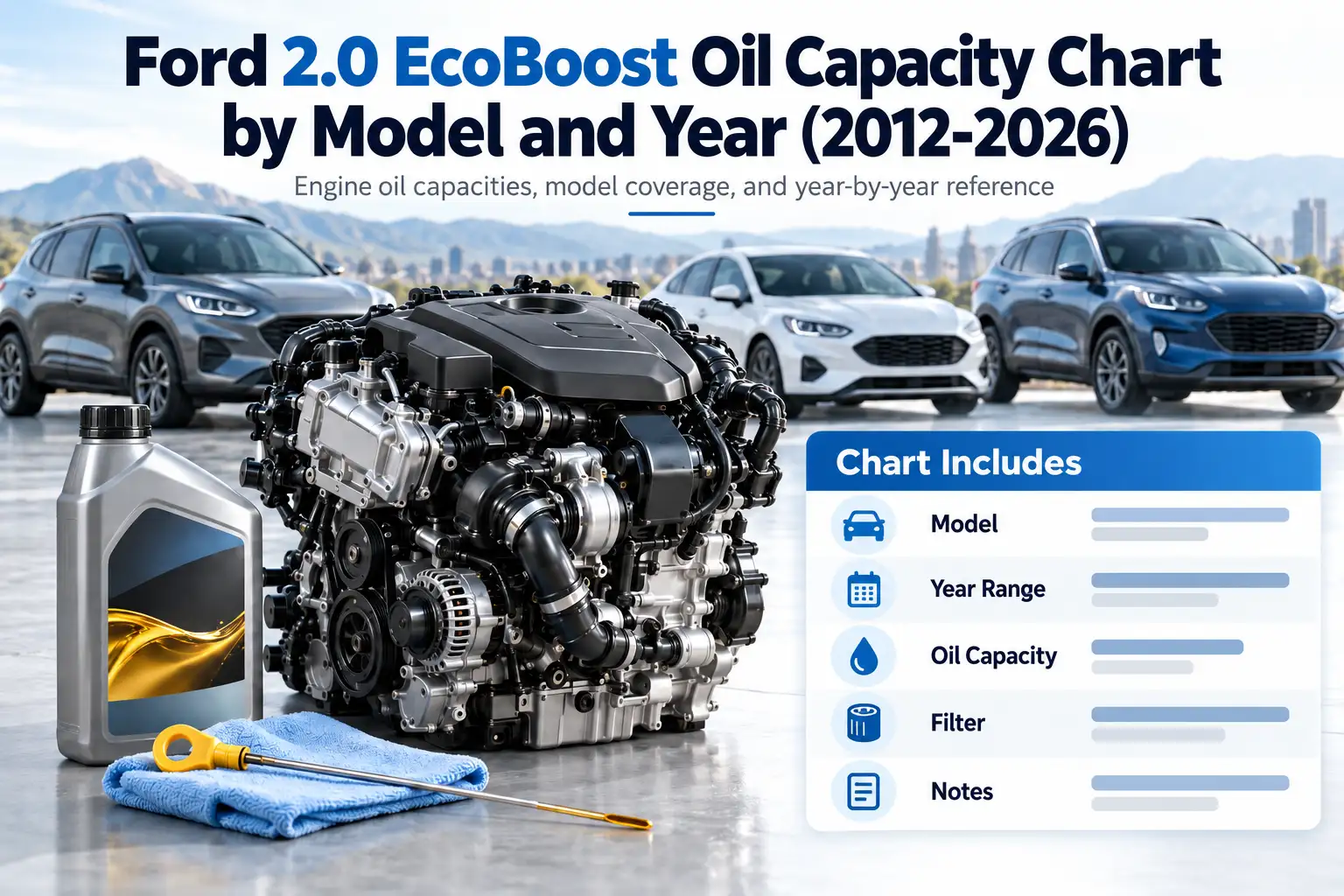
Ford 2.0 EcoBoost Oil Capacity Chart by Model and Year 2012-2026

This Ford 2.0 EcoBoost oil capacity chart shows how refill quantities change by vehicle and model year. Most US-market applications hold 5.5 or 5.7 US quarts with a new oil filter, but several 2023–2026 models call for approximately 6.1 quarts, while the 2026 Bronco Sport 2.0L specifies 5.3 quarts. There is no single refill amount that fits every Ford 2.0L EcoBoost.
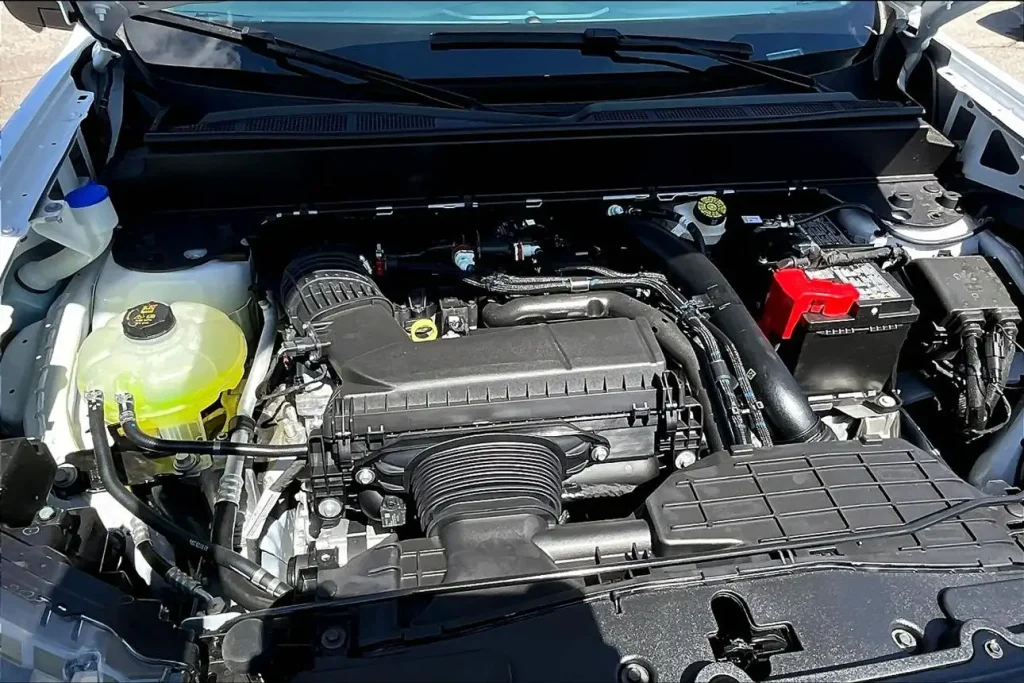
Use the chart below to match your vehicle, then check the exact oil grade, Ford WSS specification, and oil filter before starting. All capacities in the chart include a replacement filter.
The engine name stays the same, but the required service refill can change with the model year. All figures below are US quarts with a new oil filter.
2.0L EcoBoost
2026 manual: 5.8 L, approximately 6.1 US qt.
2.0L EcoBoost
Do not use the 2025 refill figure for a 2024 truck.
2.0L EcoBoost
2026 manual: 5.0 L with the filter replaced.
Reference: Ford model-specific owner manuals. Figures are service refill capacities, not dry-fill capacities.
Ford 2.0 EcoBoost Oil Capacity Chart by Year
Recommended Best Deal Products


The chart covers US-market Ford vehicles factory-equipped with the turbocharged 2.0L EcoBoost gasoline engine. Values are service refill capacities including the oil filter, not dry-engine assembly capacities. Standard oil viscosity for the applications shown is SAE 5W-30, but the Ford approval code can vary by year.
| Ford model | Model years | Oil with filter | Approx. liters | Motorcraft filter |
|---|---|---|---|---|
| Escape 2.0L EcoBoost | 2013–2019 | 5.7 qt | 5.4 L | FL-910-S |
| Escape 2.0L EcoBoost | 2020–2022 | 5.5 qt | 5.2 L | FL-910-S |
| Escape 2.0L EcoBoost | 2023–2026 | 6.1 qt | 5.8 L | FL-2127 |
| Edge 2.0L EcoBoost | 2012–2018 | 5.7 qt | 5.4 L | FL-910-S |
| Edge 2.0L EcoBoost | 2019–2024 | 5.5 qt | 5.2 L | FL-910-S |
| Fusion 2.0L EcoBoost | 2013–2020 | 5.7 qt | 5.4 L | FL-910-S |
| Explorer 2.0L EcoBoost | 2012–2015 | 5.7 qt | 5.4 L | FL-910-S |
| Focus ST 2.0L EcoBoost | 2013–2018 | 5.7 qt | 5.4 L | FL-910-S |
| Taurus 2.0L EcoBoost | 2013–2019 | 5.7 qt | 5.4 L | FL-910-S |
| Bronco Sport 2.0L EcoBoost | 2021–2024 | 5.5 qt | 5.2 L | FL-910-S |
| Bronco Sport 2.0L EcoBoost | 2025 | 6.1 qt | 5.8 L | FL-2127 |
| Bronco Sport 2.0L EcoBoost | 2026 | 5.3 qt | 5.0 L | FL-2127 |
| Maverick 2.0L EcoBoost | 2022–2024 | 5.5 qt | 5.2 L | FL-910-S |
| Maverick 2.0L EcoBoost | 2025–2026 | 6.1 qt | 5.8 L | FL-2127 |
Primary capacity reference: Ford Motorcraft Oil Quick Reference Chart, US, July 2026. The chart covers 2017–2026; earlier vehicle-year entries were cross-checked against the relevant older Ford owner documentation. The 2026 Escape manual states 5.8 L, equal to approximately 6.13 US qt when converted more precisely. The 6.1-qt entry above follows the rounding used in Ford’s quick-reference chart.
This is an engine-specific chart. A Ford Focus with a naturally aspirated 2.0L, a Fusion Hybrid with a 2.0L Atkinson-cycle engine, and an Explorer with a 2.3L EcoBoost have different oil requirements. Do not use their capacities for a 2.0L EcoBoost.
Owners who need the other Escape engine options can use our Ford Escape oil capacity chart by year, which covers more than the 2.0L turbo engine.
Which Ford Models Have Different Oil Capacities
The displacement printed on the engine cover is not enough to identify its refill volume. Ford changed oil capacity in several 2.0L EcoBoost applications without changing the engine’s familiar 2.0L name.
Older 5.7-quart group. The earlier Escape, Fusion, Focus ST, Taurus, Explorer, and Edge 2.0L EcoBoost applications use 5.7 qt, or about 5.4 L. For example, the 2013 Ford Escape owner’s manual specifies 5.7 qt of SAE 5W-30 for its 2.0L EcoBoost.
5.5-quart group. The 2019–2024 Edge, 2020–2022 Escape, 2022–2024 Maverick, and 2021–2024 Bronco Sport use 5.5 qt with a new filter. For a comparison with the Edge’s other engines, see the Ford Edge oil capacity chart.
Newer applications. The 2023–2026 Escape, 2025–2026 Maverick, and 2025 Bronco Sport use about 6.1 qt. The 2026 Bronco Sport is an exception at 5.3 qt. Its 2.0L engine should not be filled to the prior year’s quantity.
Why 2025 and 2026 Oil Capacities Differ
Recommended Best Deal Products


The most useful changes to check are those affecting the Maverick, Escape, and Bronco Sport. They explain why two otherwise similar-looking Ford vehicles may require different amounts at an oil change.
Maverick Capacity Changes
A 2024 Maverick 2.0L EcoBoost holds 5.5 qt with the filter. The 2025 and 2026 Maverick 2.0L hold 6.1 qt, a difference of 0.6 qt. The newer application also uses the FL-2127 filter rather than the FL-910-S listed for earlier years.
The official 2026 Maverick owner’s manual confirms 6.1 qt, SAE 5W-30, and Ford oil specification WSS-M2C971-A1. For gasoline versus hybrid specifications, the Ford Maverick oil capacity chart provides the broader model-specific breakdown.
Escape Capacity Differences
A 2019 Escape 2.0L EcoBoost uses 5.7 qt. The 2020–2022 Escape 2.0L uses 5.5 qt, followed by approximately 6.1 qt for 2023–2026. These are model-year differences, not instructions to adjust the amount based on mileage or driving style.
The 2026 Escape owner’s manual lists 5.8 L including the filter, equivalent to about 6.13 US qt. That agrees with the rounded 6.1-qt Ford reference chart figure. Use the owner’s manual for your particular year rather than copying a figure from another Escape.
Bronco Sport Year Differences
The 2021–2024 Bronco Sport 2.0L uses 5.5 qt. Ford specifies 6.1 qt for 2025, then 5.3 qt for 2026. The 2026 quantity is also confirmed in its model-specific owner documentation.
The published figures establish the capacity differences; they do not, by themselves, establish which internal engine changes caused them. Do not assume that an earlier Bronco Sport’s refill capacity carries over to a newer model.
What Ford Oil Grade and WSS Spec Apply
SAE 5W-30 is the normal engine oil viscosity for the Ford 2.0L EcoBoost applications in this chart. But 5W-30 identifies viscosity, not the complete manufacturer approval. Your oil must also satisfy the Ford specification applicable to your vehicle.
| Verified vehicle example | Standard oil | Ford specification |
|---|---|---|
| 2013 Escape 2.0L | SAE 5W-30 | WSS-M2C946-A |
| 2019 Escape 2.0L | SAE 5W-30 | WSS-M2C946-B1 |
| 2024 Edge 2.0L | SAE 5W-30 | WSS-M2C961-A1 |
| 2025 Maverick 2.0L | SAE 5W-30 | WSS-M2C961-A1 |
| 2026 Escape 2.0L | SAE 5W-30 | WSS-M2C961-A1 |
| 2026 Maverick 2.0L | SAE 5W-30 | WSS-M2C971-A1 |
| 2026 Bronco Sport 2.0L | SAE 5W-30 | WSS-M2C971-A1 |
Ford’s July 2026 Motorcraft quick-reference chart recommends its current 5W-30 oil under WSS-M2C971-A1 across a broad set of applications. Some individual owner manuals still specify WSS-M2C961-A1 or an older approval. Do not assume these codes are automatically interchangeable solely because they appear beside the same SAE grade. Match the manual, the oil container’s approvals, and any confirmed Ford supersession for your VIN.
For an overview of other Ford gasoline and diesel oil requirements, use the Ford engine oil recommendation chart.
Ford also permits SAE 0W-30 for certain 2.0L EcoBoost versions under specified extreme-cold conditions. The permitted temperatures and WSS codes are not identical across all years: the 2026 Escape lists WSS-M2C963-A1, while the 2026 Maverick and Bronco Sport list WSS-M2C973-A1. Use your own manual’s temperature threshold and approval.
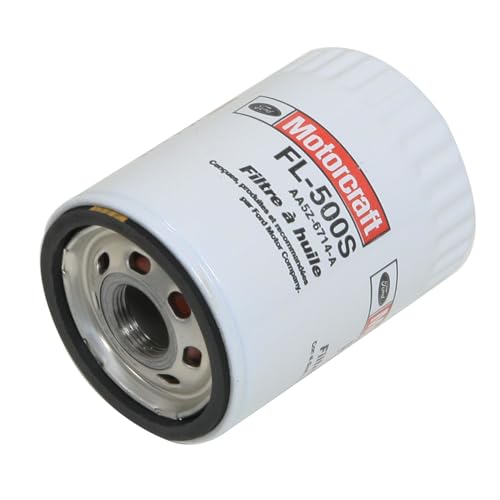
Which Motorcraft Oil Filter Fits Each Application
Recommended Best Deal Products


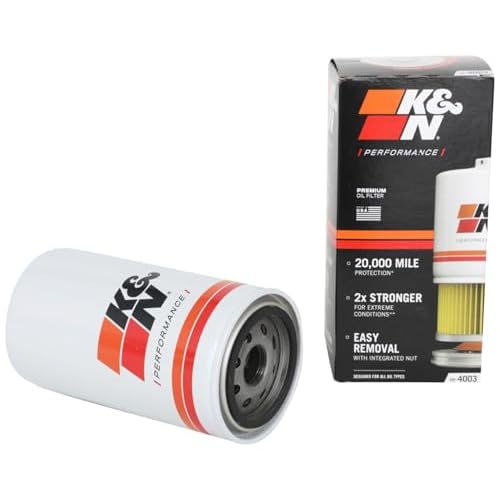
Ford’s July 2026 chart identifies two common oil-filter families for these 2.0L EcoBoost applications:
| Motorcraft filter | Verified application groups |
|---|---|
| FL-910-S | Earlier Escape, Edge, Fusion, Explorer, Focus ST and Taurus; 2020–2022 Escape; 2022–2024 Maverick; 2021–2024 Bronco Sport |
| FL-2127 | 2023–2026 Escape; 2025–2026 Maverick; 2025–2026 Bronco Sport |
These are manufacturer reference numbers, not a claim that every aftermarket filter with a similar thread or appearance is interchangeable. Parts can be superseded. Check your Ford parts catalog by VIN, particularly if the engine or oil-filter housing has been replaced.
Also verify the filter whenever a capacity changes between model years. The amount of oil listed above assumes a filter change, not simply topping off an engine that is low.
How to Verify Your 2.0 EcoBoost Oil Capacity
Before buying oil or removing the drain plug, take three checks in order.
- Identify the engine. Confirm the model year and factory 2.0L EcoBoost engine using the under-hood label, vehicle paperwork, or VIN-linked Ford information. Similar model names may have different engines.
- Read the matching owner’s manual. Find Engine Oil Capacity and Specification under maintenance or capacities. Check the stated including the oil filter value, SAE grade, and Ford WSS approval.
- Match the filter. Use the manual’s Motorcraft part reference or a current Ford VIN-specific parts lookup. Verify the filter before relying on the with-filter refill amount.
If the printed owner’s manual and a newer reference chart appear to disagree, use the documentation issued for your exact vehicle and confirm any supersession with Ford. That is especially useful for 2025–2026 models with different published WSS approvals.
How to Prevent Overfilling During an Oil Change
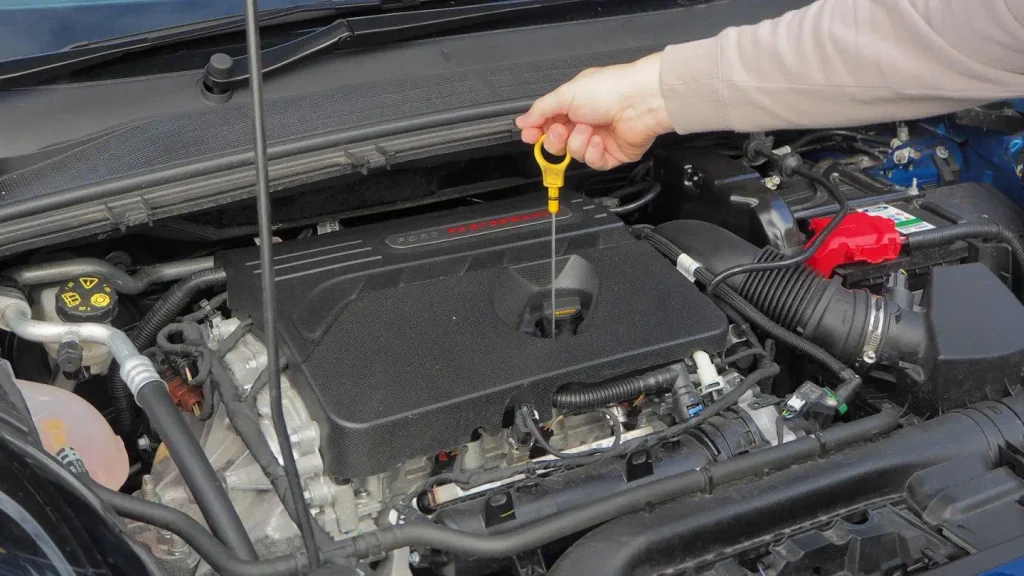
The specified capacity is a starting reference, not a reason to pour the entire amount into the crankcase without checking. Some old oil can remain inside the engine after draining, and the final quantity needed to reach the proper level can vary slightly.
Park on level ground and follow your Ford manual’s oil-level checking procedure. After adding oil and replacing the filter, run the engine as the manual directs, shut it off, wait the specified time, and check the dipstick. Add small amounts if needed rather than exceeding the upper mark.
Never use a 2025 Maverick’s 6.1-qt quantity for a 2024 Maverick’s 5.5-qt engine, or the 2025 Bronco Sport’s 6.1-qt quantity for the 2026 Bronco Sport’s 5.3-qt engine. Those are different published service capacities, even though all have a 2.0L EcoBoost designation.
What Ford 2.0 EcoBoost Owners Should Check First
The correct Ford 2.0 EcoBoost oil capacity is the one assigned to your specific model, year, and engine. Older applications often use 5.7 qt. Several later applications use 5.5 qt, and newer Escape and Maverick versions use about 6.1 qt. The 2026 Bronco Sport is a separate 5.3-qt case. These figures include the replacement oil filter.
Make three matches before an oil change: refill quantity, SAE viscosity, and Ford WSS approval. Then confirm the oil filter and the final dipstick level. If your manual differs from a broad online chart, verify the specification with Ford using your VIN before proceeding. The model-year check takes less effort than correcting an overfill or using oil without the required approval.
5 Ford 2.0 EcoBoost Oil Capacity FAQs
How Many Quarts of Oil Does a Ford 2.0 EcoBoost Take?
Depending on the model and year, verified US-market 2.0L EcoBoost applications in this chart require 5.3, 5.5, 5.7, or approximately 6.1 US qt with a new filter. Match your Ford vehicle to the chart instead of relying on a single universal number.
Do Ford Escape and Maverick 2.0 EcoBoost Engines Hold the Same Oil?
Not always. A 2024 Escape 2.0L uses approximately 6.1 qt, while a 2024 Maverick 2.0L uses 5.5 qt. By 2026, both are listed at about 6.1 qt, although their individual manuals should still be checked for the correct oil approval.
Why Does the 2025 Maverick Have a Different Oil Capacity?
Ford lists 6.1 qt for the 2025 Maverick 2.0L compared with 5.5 qt for 2024. The official reference confirms the change and a different Motorcraft filter, but that alone does not prove a particular engine-design reason for the increase.
Does the Ford 2.0 EcoBoost Use 5W-30 or 0W-30?
5W-30 is the standard grade in the verified US applications listed here. Ford allows specific 0W-30 oils in extreme cold for certain years, provided they meet that vehicle’s required WSS approval and the temperature conditions in its owner’s manual.
Does Ford 2.0 EcoBoost Oil Capacity Include the Filter?
Yes. The capacities in this chart are oil-change refill amounts with a replacement oil filter. They are not dry-fill figures or recommended quantities for a simple top-off. Check the dipstick using Ford’s model-specific procedure after filling.