2014 Ford Escape Coolant Hose Diagram: Routing and Part Numbers

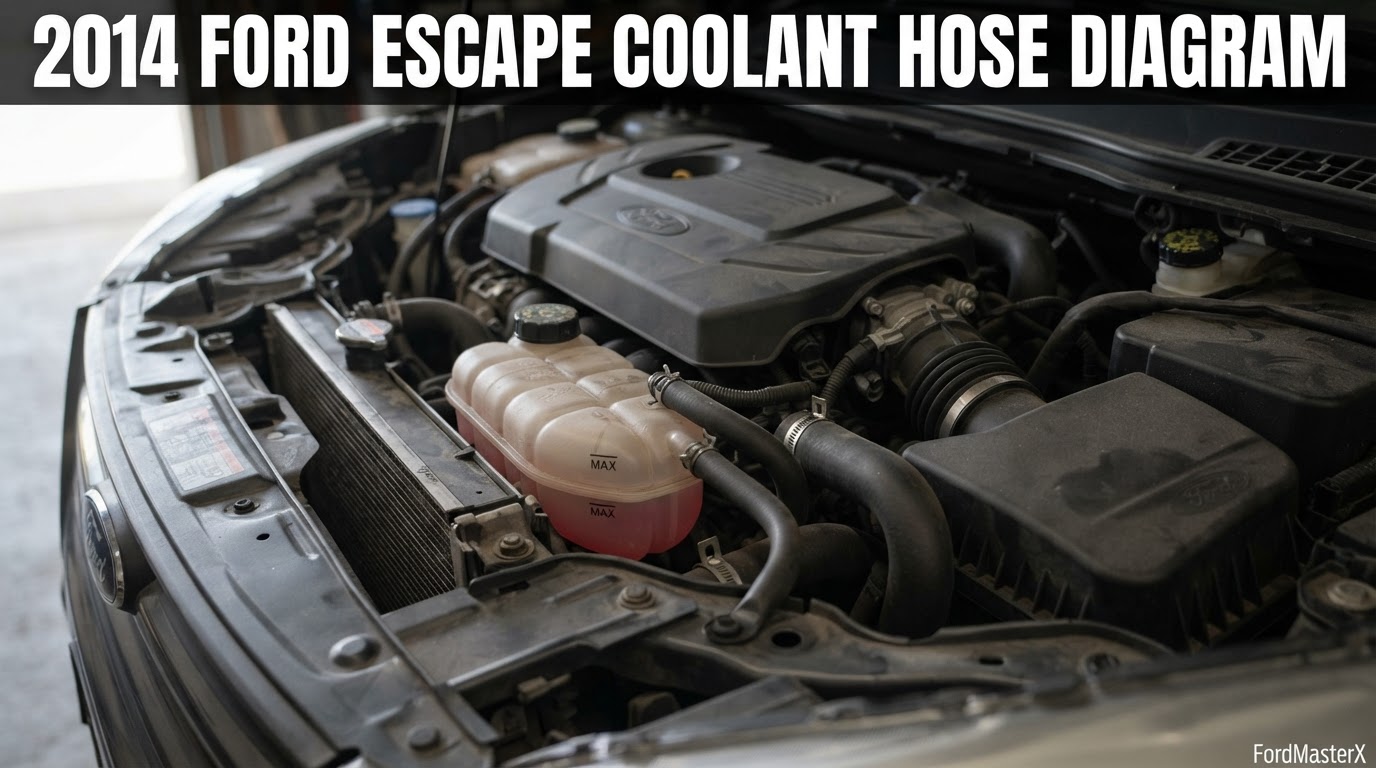
Your 2014 Ford Escape carries six coolant hoses no matter which engine it has. That is an upper and lower radiator hose, two heater hoses through the firewall, a coolant reservoir hose and a breather pipe. The 1.6L EcoBoost, 2.0L EcoBoost and 2.5L Duratec each use different part numbers for the same six positions.
One thing matters more than routing on this specific truck. If your Escape has the 1.6L EcoBoost, Ford issued a safety recall tied directly to coolant loss and hose condition. That section is below, and it is worth reading before you order parts.

Prime for Young Adults — 6 Months Free
Students and 18–24s get six months of Prime free, then half price.
Start 6 Months Free As an Amazon Associate I earn from qualifying purchases.Where do the coolant hoses run on a 2014 Ford Escape?
Recommended Best Deal Products


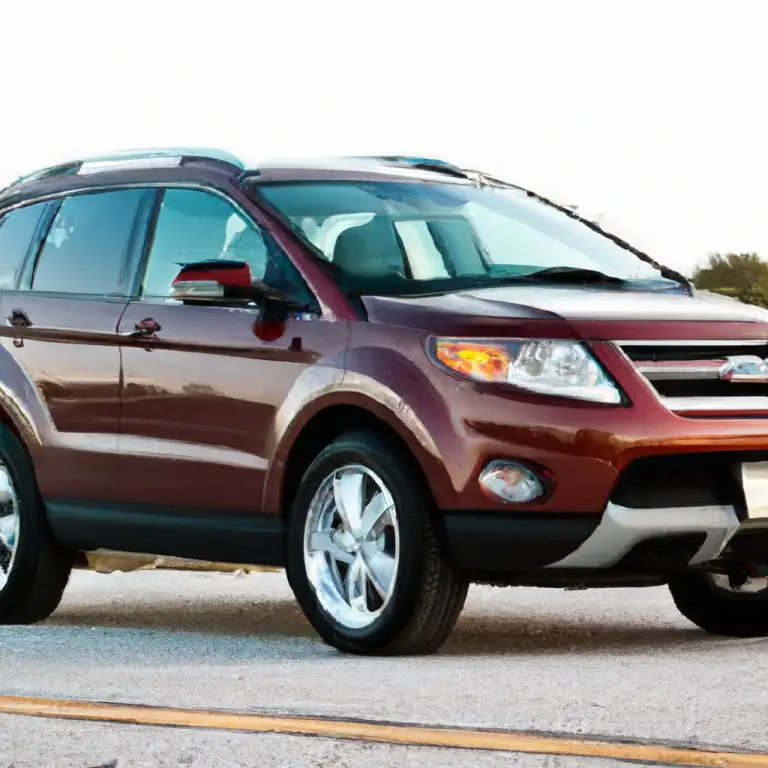
The 2014 Escape came with three engines: the 168 hp 2.5L Duratec four-cylinder, the 178 hp 1.6L EcoBoost turbo, and the 240 hp 2.0L EcoBoost turbo. All three sit transverse at the front of the engine bay. The radiator sits directly ahead, with the coolant reservoir bottle on the passenger side next to it.
The upper radiator hose runs from the thermostat housing to the radiator top tank. The lower radiator hose returns coolant from the radiator bottom tank to the water pump inlet. Two heater hoses cross the engine bay to the firewall, feeding the heater core inside the cabin.
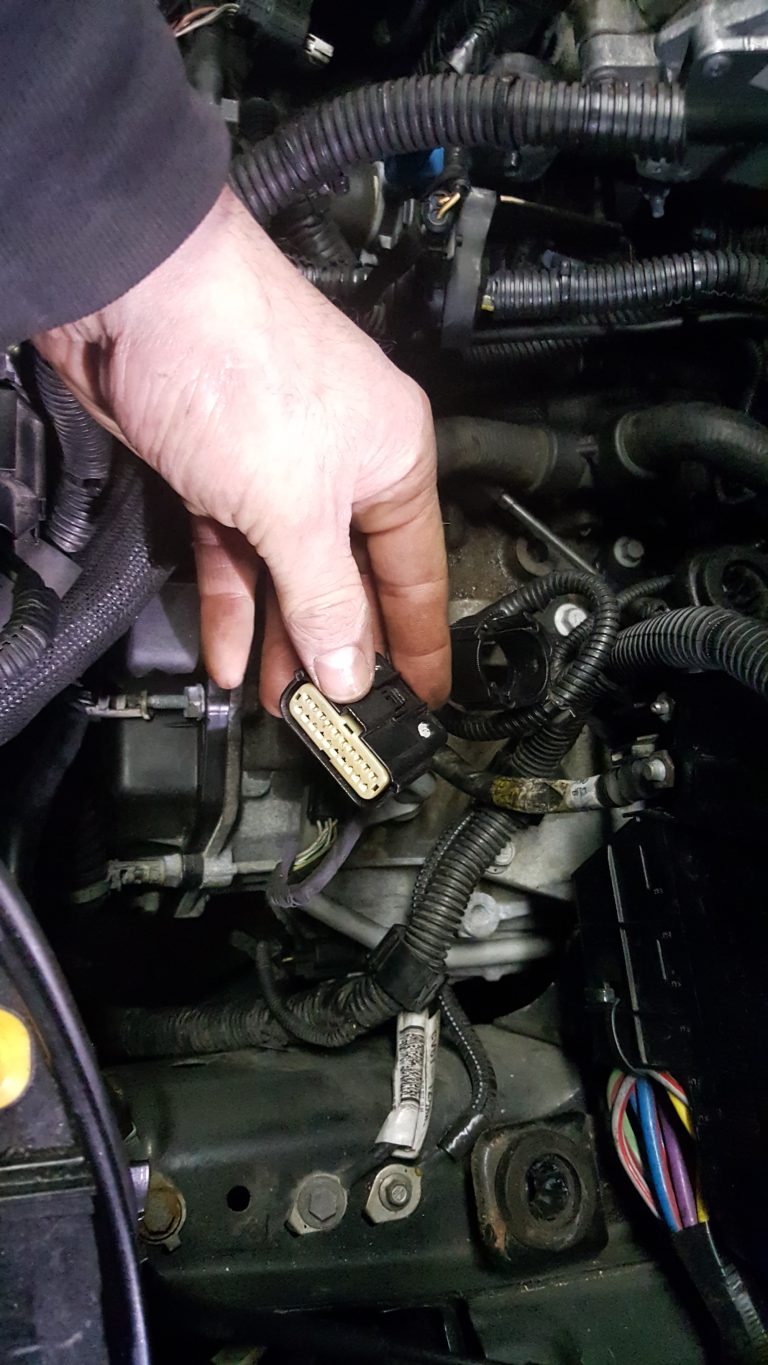
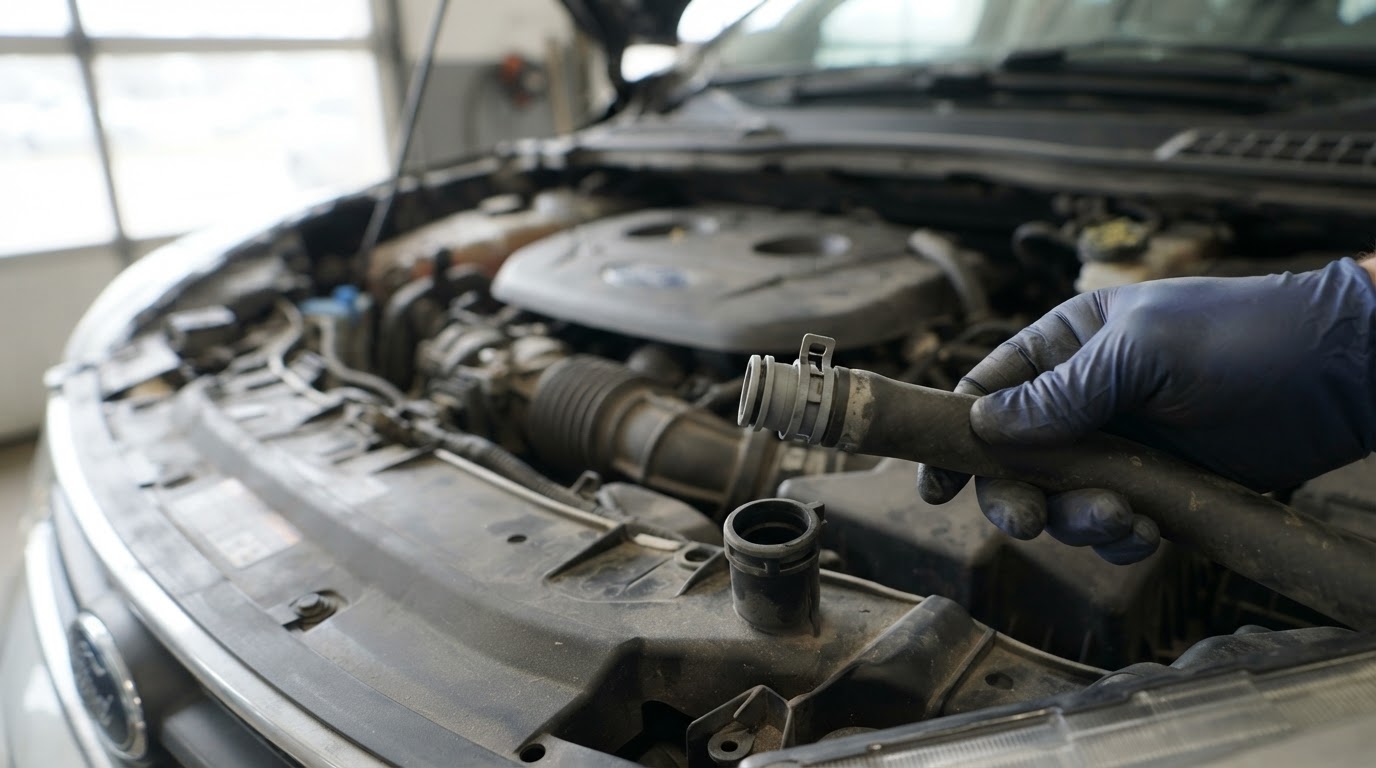
A dedicated reservoir hose connects the degas bottle to a bleed port on the block. A smaller breather pipe vents the bottle itself. Most connectors on this generation are push-in quick-connect fittings, not hose clamps, which is the detail owners miss when ordering a clamp-style replacement.
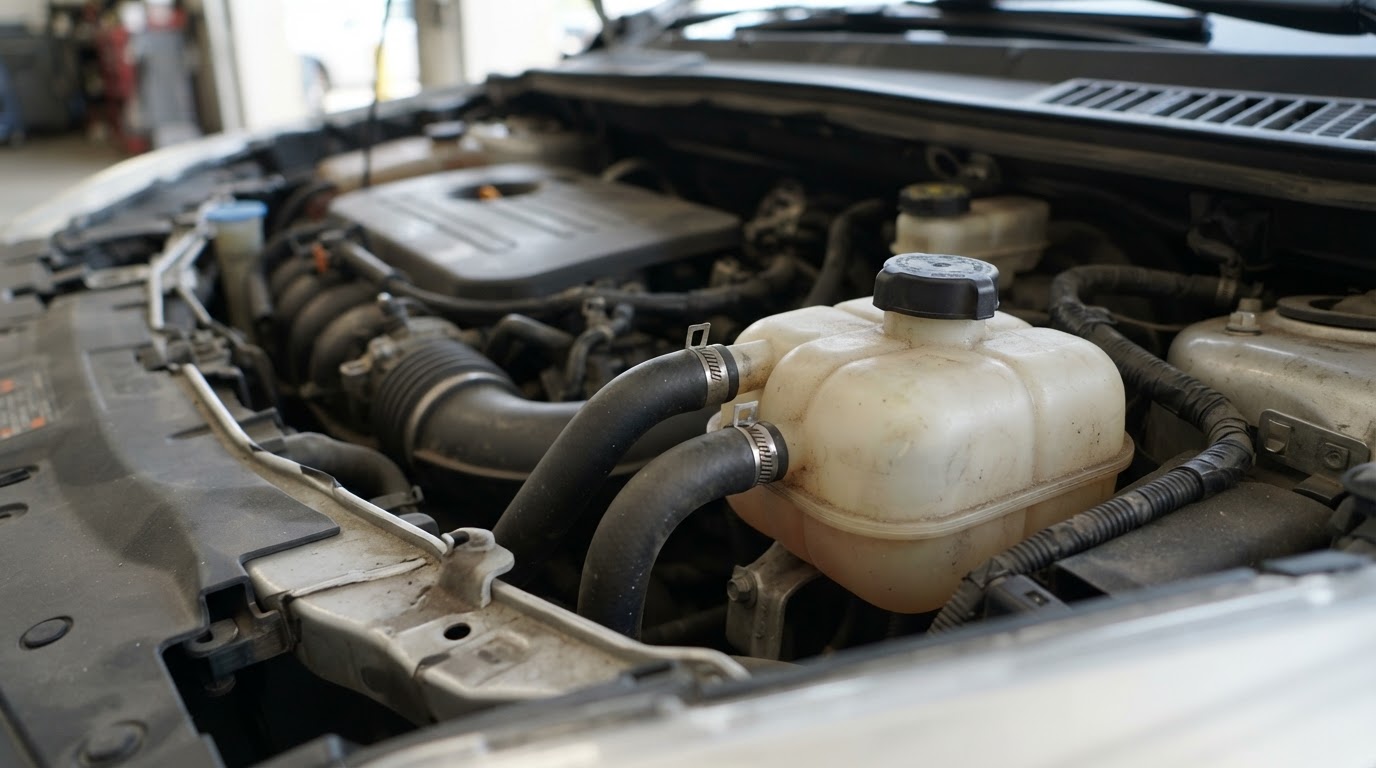
Most parts sites and diagram pages list “2014 Ford Escape coolant hose” as one undifferentiated set. They never mention the engine split.
The 1.6L and 2.0L EcoBoost turbos run hotter under load than the naturally aspirated 2.5L. Ford used different hose lengths, and in places different part numbers, across the three. Confirm your engine before you order, not after.
2014 Ford Escape coolant hose chart: every hose and its part number
These part numbers are confirmed against O’Reilly Auto Parts’ own vehicle-specific catalog for the 2014 Ford Escape, cross-checked against Motorcraft’s parts data. The retailer catalog does not split every listing by engine. Treat the numbers below as your starting point, and confirm the exact one against your VIN at the counter.
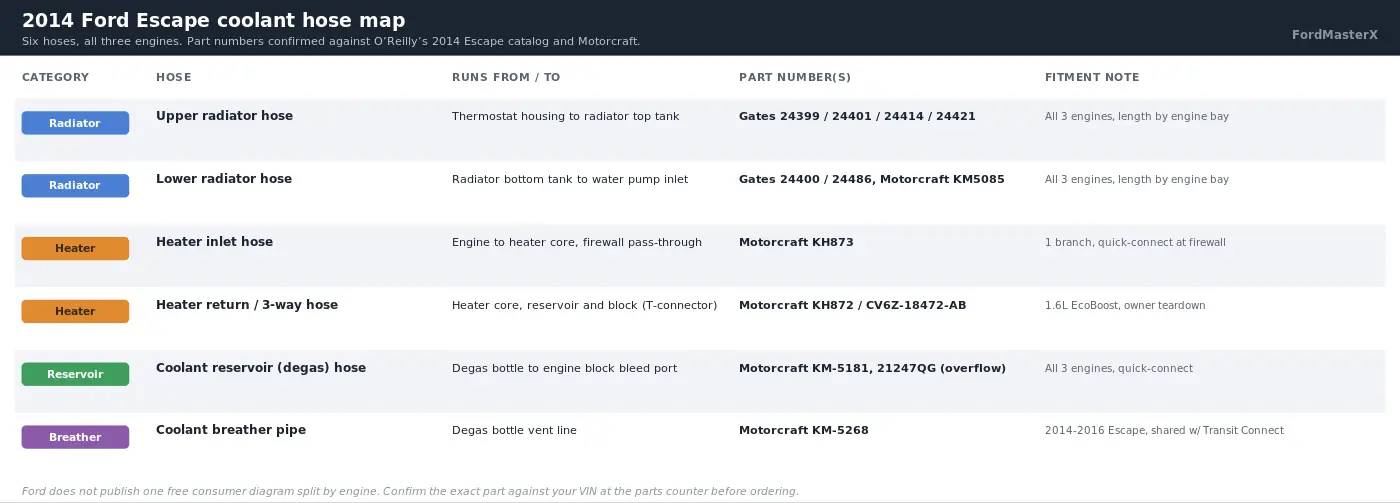
| Hose | Runs from / to | Confirmed part number(s) | Notes |
|---|---|---|---|
| Upper radiator hose | Thermostat housing to radiator top tank | Gates 24399, 24401, 24414, 24421 (length varies) | All three engines, one quick-connect fitting |
| Lower radiator hose | Radiator bottom tank to water pump inlet | Gates 24400, 24486; Motorcraft KM5085 | All three engines, one quick-connect fitting |
| Heater inlet hose | Engine to heater core, firewall pass-through | Motorcraft KH873 | Single branch, quick-connect at the firewall |
| Heater return / 3-way hose | Heater core, reservoir and block, T-connector | Motorcraft KH872, Ford CV6Z-18472-AB | Confirmed on the 1.6L EcoBoost by an owner teardown on the Escape forums |
| Coolant reservoir (degas) hose | Degas bottle to engine block bleed port | Motorcraft KM-5181; overflow line 21247QG | All three engines, quick-connect fitting |
| Coolant breather pipe | Degas bottle vent line | Motorcraft KM-5268 | 2014-2016 Escape, shares the part with the Transit Connect |
Why does my 2014 Escape keep losing coolant, and which hose is it?
A hose that fails leaves a specific symptom, not just a low coolant light. Match what you see to the table below before you start pulling parts.
| What you notice | Most likely cause |
|---|---|
| Sweet smell in the cabin, or windshield fogs with a film | Heater hose or heater core leaking at the firewall connector |
| Coolant puddle under the front bumper after parking | Upper or lower radiator hose, check the quick-connect ends first |
| Low coolant warning returns after refilling, no visible puddle | Reservoir hose or a weeping degas bottle, a common owner report on the 1.6L |
| Coolant weeping near the oil filter housing | Not a hose. Usually the plastic water outlet or coolant bypass valve on the 1.6L and 2.0L EcoBoost |
| Overheat warning plus white smoke from under the hood | Stop the vehicle. On a 1.6L EcoBoost this is the exact failure Ford’s recall addresses. See below |
A proper coolant system pressure tester finds a weeping connector before it fails on the road. It works on any of the three engines.
For the quick-connect fittings, a quick-connect release tool set gets the collar off clean, without cracking the plastic nipple. That crack is how a DIY hose swap turns into a second repair.
Is my 2014 Ford Escape part of Ford’s coolant and fire recall?
If your Escape has the 1.6L EcoBoost and was built before February 14, 2014, most likely yes. Ford’s recall 17S09, NHTSA campaign 17V-209, covers roughly 230,000 vehicles. That includes the 2014 Escape, 2014-2015 Fiesta ST, 2013-2014 Fusion and 2013-2015 Transit Connect, all with the 1.6L EcoBoost.
Ford’s own recall chronology states the cause plainly. Running the engine with low coolant lets the cylinder head overheat and crack. That crack can cause a pressurized oil leak, and the oil leak can start an engine compartment fire.

Audible — Listen Free for 30 Days
One free credit a month and thousands of titles included.
Listen Free for 30 Days As an Amazon Associate I earn from qualifying purchases.Ford had recorded 29 such fires with no injuries when the recall was announced in March 2017. Parts became available for Escape owners starting January 2018.
The remedy is not just a software flash. Ford’s dealer bulletin has technicians check for coolant leaks and replace the reservoir tank and cap. It also has them check and replace coolant hoses and valves as needed.
The bulletin also has them install a new coolant level sensor and reprogram the engine control software. A hose that keeps weeping on this engine is not just a maintenance item. It sits directly on the failure path this recall exists to catch.
This was not the first 1.6L EcoBoost coolant recall. Ford recalled 2013 model year Escapes with the same engine separately, campaign 13V583, before revising the temperature sensor and control strategy for 2014.
Check your VIN directly with Ford or a dealer. NHTSA’s own recall lookup is the authoritative source, and campaign coverage can change as more VINs are added.
What coolant does a 2014 Ford Escape take?
Ford’s own Motorcraft usage chart lists the 2014 Escape, all engines, under “DY / O.” That means yellow Motorcraft antifreeze meeting spec WSS-M97B57-A1 or A2. Orange Motorcraft antifreeze meeting spec WSS-M97B44-D or D2 also works. Both are approved. Do not mix either one with an older green Ford coolant in the same system.
If your reservoir needs topping off more than once a season with no visible leak, that is worth a pressure test rather than repeat top-offs. Our antifreeze comparison for aluminum radiators covers which prediluted options match this spec without guessing at dilution ratios.
Quick reference: 2014 Ford Escape coolant hoses
| Hose | Location | Fails as |
|---|---|---|
| Upper radiator hose | Front of engine to radiator top tank | Puddle under the bumper, quick-connect end first |
| Lower radiator hose | Radiator bottom tank to water pump | Puddle under the bumper, softer rubber near the pump |
| Heater hoses (2) | Engine bay to firewall | Sweet smell in cabin, foggy windshield |
| Reservoir (degas) hose | Reservoir bottle to block bleed port | Slow coolant loss, no puddle |
| Breather pipe | Reservoir bottle vent | Boiling or bubbling visible in the reservoir |
Ford does not publish one free, engine-split consumer diagram for this generation of Escape. Your own VIN and engine code at the parts counter is still the clearest confirmation, matched against the routing and numbers above.
If you have a different model year, the 2014 Ford Escape fuse box diagram and 2014 Ford Escape oil reset guide cover the same generation. How to pop the hood on a Ford Escape is the first step before you look at any of this yourself.
Audible Premium Plus — Annual Membership
12 audiobook credits up front, plus the full Audible catalogue.
See Annual Plans As an Amazon Associate I earn from qualifying purchases.