When Did Ford Switch to Aluminum Body F250? (Answered)

Ford officially switched the F-250 Super Duty to a high-strength, military-grade aluminum alloy body starting with the 2017 model year. This transition marked the beginning of the fourth-generation Super Duty, allowing Ford to reinvest weight savings into a beefier steel frame for increased towing capacity.
🎯 Key Takeaways
Recommended Best Deal Products


- The 2017 model year was the first aluminum-bodied F-250.
- Transitioned two years after the F-150’s 2015 switch.
- Aluminum reduced body weight by roughly 350 pounds.
- Weight savings allowed for a 24x stiffer steel frame.
- Aluminum provides superior resistance to red rust corrosion.
The Ford F-250 Super Duty officially made the switch to an all-aluminum body starting with the 2017 model year. This transition was a massive shift for the heavy-duty truck market, moving away from the traditional steel bodies that had defined the Super Duty line since its inception. By using a high-strength, military-grade aluminum alloy for the cab and the bed, Ford was able to significantly reduce the truck’s curb weight without compromising its structural integrity.

Prime for Young Adults — 6 Months Free
Students and 18–24s get six months of Prime free, then half price.
Start 6 Months Free As an Amazon Associate I earn from qualifying purchases.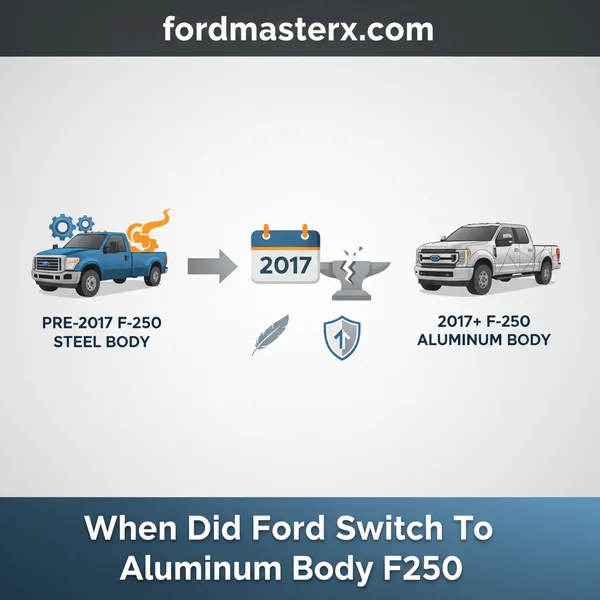
Understanding this timeline is critical if you are shopping in the used market or upgrading your fleet. The 2017 redesign wasn’t just a cosmetic facelift; it was a ground-up engineering overhaul. This change allows the truck to resist the “wheel well rust” common in older steel models while providing a lighter body that enables higher towing and payload capacities. If you see an F-250 with a build date of 2016 or earlier, you are looking at a steel-bodied truck. From 2017 to the present, every F-250 features the aluminum alloy construction.
The 2017 Transition: Launching the 4th Generation Super Duty
The 2017 model year marked the launch of the fourth generation of the Ford Super Duty. Before this, the F-250 had relied on a steel body for nearly two decades. When Ford announced the switch to aluminum for their heavy-duty line, it was met with both excitement and skepticism. However, the goal was clear: utilize “Military-Grade” aluminum to make the truck lighter, faster, and more capable of hauling heavy loads.

Shedding Weight to Increase Capability
By switching to an aluminum body, Ford managed to shave up to 350 pounds off the total weight of the F-250. In the world of heavy-duty trucking, weight is everything. Every pound saved on the body is a pound you can add to your trailer tongue weight or your bed’s payload. This weight reduction was the primary driver behind the F-250’s jump in performance specs during the 2017 transition.
- Dent Resistance: The aluminum panels used in the 2017 F-250 are actually thicker than the steel panels they replaced, making them more resistant to dings and dents from gravel or tools.
- Corrosion Resistance: Aluminum does not rust in the same way steel does. For owners in the “Salt Belt,” this was the biggest selling point of the 2017 transition.
- Lower Center of Gravity: Removing weight from the upper body improved the truck’s handling, especially when navigating tight turns with a heavy load.
Reinvesting Weight into the Chassis
Ford didn’t just make the truck lighter and leave it at that. They took the weight saved by the aluminum body and reinvested it into the “backbone” of the truck. The 2017 F-250 featured a fully boxed frame made of 95% high-strength steel. This frame was 24 times stiffer than the previous generation’s frame. By using aluminum for the “skin” and more robust steel for the “skeleton,” Ford created a truck that could handle more torque and higher fifth-wheel towing weights than ever before.
Everything You Need to Know About the Ford F-250 Aluminum Transition
Recommended Best Deal Products


The transition from steel to a high-strength, military-grade aluminum alloy body was one of the most significant shifts in the history of the Ford Super Duty lineup. Understanding exactly when and how this change occurred is vital for used truck buyers, enthusiasts, and mechanics alike, as it affects everything from rust resilience and payload capacity to specialized repair requirements. This guide provides a detailed walkthrough to help you identify the specific model years, technical specifications, and physical markers of the aluminum-bodied Ford F-250, ensuring you can distinguish between the generations with absolute certainty.
Step 1: Pinpoint the Chronological Transition Year
What you need: Basic knowledge of Ford’s production history and access to vehicle listing data.
Instructions: The first and most critical step is memorizing the specific “pivot year” for the F-250. While the smaller F-150 made the jump to aluminum in 2015, the Super Duty series (F-250, F-350, and F-450) did not follow suit until the 2017 model year. This means that any Ford F-250 manufactured for the 2016 model year or earlier features a traditional steel body. Conversely, any F-250 from the 2017 model year to the present day is constructed with the aluminum alloy body. When browsing classifieds or dealership lots, immediately filter your search to 2017 or later if your primary goal is to acquire an aluminum-bodied truck.
Pro Tip: Be careful with “production dates” found on door stickers; a truck manufactured in late 2016 might actually be a 2017 model year vehicle. Always verify the “Model Year” rather than just the manufacture month.
Step 2: Conduct a Practical Magnetic Surface Test
What you need: A standard refrigerator magnet or a specialized automotive paint depth gauge (which uses a magnet).

Audible — Listen Free for 30 Days
One free credit a month and thousands of titles included.
Listen Free for 30 Days As an Amazon Associate I earn from qualifying purchases.Instructions: Because aluminum is non-ferrous, a magnet will not stick to the body panels of a post-2016 F-250. To perform this test, take your magnet and attempt to attach it to the center of the door panel, the front fender, and the tailgate. On a 2011-2016 F-250, the magnet will snap firmly to these surfaces. On a 2017 or newer model, the magnet will simply fall off. This is the most foolproof physical method to verify the material without needing to look at paperwork. Make sure to test multiple panels to ensure you aren’t hitting a small trim piece or emblem that might be made of a different material.
Pro Tip: Do not test the frame of the truck to verify the body material. Even on aluminum-bodied trucks, the fully boxed frame is still made of high-strength steel, so your magnet will stick there regardless of the model year.
Step 3: Identify Visual Generation Cues
What you need: A clear line of sight to the truck’s exterior, specifically the front fascia and side profiles.
Instructions: Ford accompanied the 2017 aluminum switch with a complete “top-down” redesign, making it visually distinct from the 2016 steel models. Look for the “C-clamp” style headlights which became a signature of the aluminum generation; these are much larger and more angular than the stacked rectangular lights of the previous generation. Additionally, examine the side vents on the front fenders. The 2017+ aluminum models feature a vertical vent badge that clearly states “F-250” and the engine type (e.g., 6.7L Power Stroke). The body lines on the aluminum trucks are also sharper and more defined, particularly along the shoulder line that runs the length of the bed, compared to the rounder, more bulbous look of the 2008-2016 steel era.
Pro Tip: Look at the tailgate design. Aluminum-era trucks often have “SUPER DUTY” stamped directly and deeply into the metal of the tailgate, a feature that was less pronounced or handled via decals in older steel versions.
Step 4: Decode the VIN and Door Jamb Placard
What you need: The 17-digit Vehicle Identification Number (VIN), located on the driver’s side dashboard or the door jamb sticker.
Instructions: To be 100% certain of the model year and its associated body material, look at the 10th digit of the VIN. This is the universal code for the model year. For the F-250 transition, look for these specific characters: “G” represents 2016 (Steel), while “H” represents 2017 (Aluminum). Subsequent years follow the alphabet: “J” is 2018, “K” is 2019, and so on (note that ‘I’ is skipped). Additionally, check the Federal Information Sticker on the driver’s side door pillar. This sticker will list the “Date of Mfr” and the Gross Vehicle Weight Rating (GVWR). If the 10th digit is “H” or later in the alphabet, the truck is guaranteed to be the aluminum alloy construction.
Pro Tip: Use a free online VIN decoder if you are unsure. These tools will explicitly list “Body Class” and often mention the material composition in the detailed technical specifications report.
Step 5: Verify Payload and Weight Specifications
What you need: The Tire and Loading Information sticker (usually yellow and white) found inside the driver’s door frame.
Instructions: One of the primary reasons Ford switched to aluminum was to shed weight—approximately 350 pounds—to allow for higher towing and payload capacities. When inspecting an F-250, look at the “Yellow Sticker” which indicates the maximum weight of occupants and cargo. Aluminum-bodied F-250s typically show a significantly higher payload capacity than their steel predecessors when comparing similar trim levels and engines. For example, a 2016 Steel F-250 Crew Cab 4×4 might have a payload around 2,500 lbs, whereas a similarly equipped 2017 Aluminum F-250 might push closer to 3,000 lbs or more. If the payload seems exceptionally high for a 3/4-ton truck, it is a hallmark of the lighter aluminum body.
Audible Premium Plus — Annual Membership
12 audiobook credits up front, plus the full Audible catalogue.
See Annual Plans As an Amazon Associate I earn from qualifying purchases.Pro Tip: Comparing the “Curb Weight” in the owner’s manual for a 2016 vs. a 2017 model will show the drastic reduction in mass that the aluminum switch provided, despite the 2017 frame being heavier and stronger.
Step 6: Inspect for “Aluminum-Specific” Corrosion
What you need: A flashlight and access to the underside of the body panels and bed.
Instructions: While aluminum does not “rust” in the traditional sense (red iron oxide), it can undergo galvanic corrosion if it comes into contact with steel or road salts without proper insulation. Inspect the areas where the body meets the frame or where steel bolts are used. In aluminum F-250s (2017+), you are looking for white, powdery residue or bubbling paint, which indicates aluminum oxidation. In contrast, on a 2016 or older steel truck, you will be looking for traditional orange/brown rust, especially over the rear wheel arches and at the bottom of the cab corners. The absence of red rust on a high-mileage truck in the “salt belt” is a very strong indicator that you are looking at an aluminum-bodied model.
Pro Tip: Check the bed floor. Steel beds often show scratches that lead to orange rust lines. Aluminum beds will show scratches that remain a dull silver color even after years of exposure to the elements.
✅ Final Checklist
- Confirmed the Model Year is 2017 or newer (10th VIN digit is ‘H’ or later).
- Performed a magnet test on the doors and fenders; the magnet failed to stick.
- Identified the “C-clamp” headlight design and vertical fender badges.
- Verified the payload capacity on the door sticker reflects the increased limits of the aluminum generation.
- Inspected the body for white oxidation rather than red iron rust.
Important Notes:
- Safety Warning: If you are performing repairs on an aluminum body, never use tools (like wire brushes or files) that have been used on steel. Cross-contamination can cause rapid galvanic corrosion.
- Professional Help: If the truck has been in an accident, ensure the body shop is “Ford Aluminum Certified.” Repairing aluminum requires specialized rivets and pulse-MIG welders that standard steel shops may not possess.
- Estimated Time: Identifying the body material takes less than 5 minutes using the magnet and VIN methods.
- Cost Impact: Expect to pay a premium for 2017+ models, as the aluminum body and upgraded frame significantly increased the truck’s resale value and longevity.
F-150 vs. F-250: Why the Aluminum Switch Dates Differ
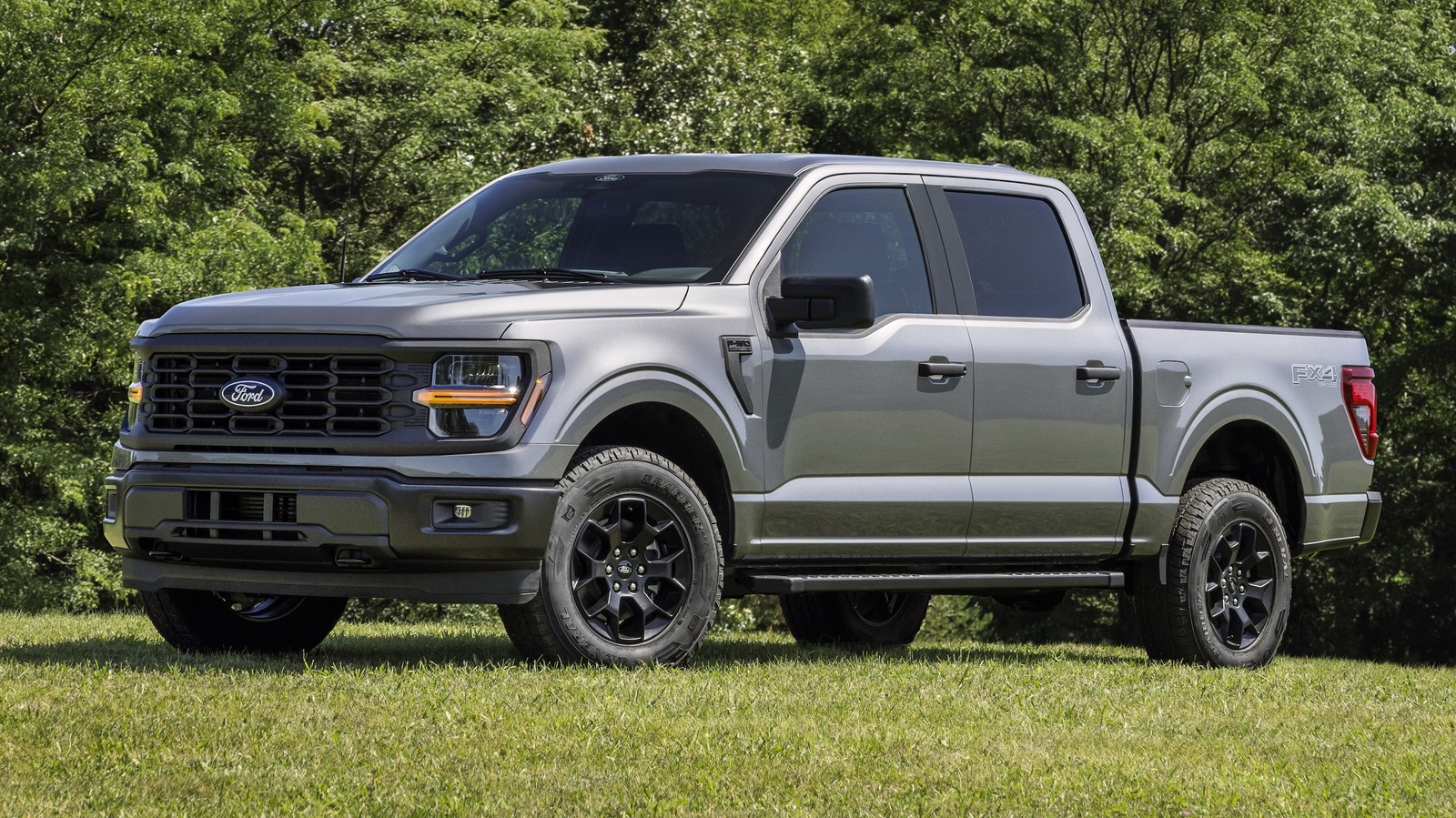
It is common for truck owners to get confused about the exact year Ford switched to aluminum because the F-150 and the F-250 did not make the move at the same time. While the F-150 debuted its aluminum body in 2015, the F-250 Super Duty waited until 2017. This two-year gap was intentional, allowing Ford to refine their manufacturing processes and prove the durability of the material on a lighter platform first.
The 2015 F-150 as the Testing Ground
The 2015 F-150 was the “guinea pig” for Ford’s aluminum ambitions. Ford had to completely retool their plants, moving from traditional welding to advanced riveting and bonding techniques. By the time the 2017 F-250 was ready for production, Ford had already gathered two years of real-world data from F-150 owners. They knew the material could handle the stress, but they also knew the Super Duty would face much harsher environments, such as construction sites and heavy industrial hauling.
Meeting the Demands of Super Duty Users
The delay in the F-250 transition was also due to the sheer scale of the Super Duty components. A Super Duty truck undergoes significantly more torsional stress (twisting) than a light-duty F-150. Ford engineers spent the extra two years ensuring that the aluminum bed could withstand the impact of heavy equipment being dropped into it and that the cab mounts could handle the vibration of the Power Stroke diesel engine.
- Manufacturing Scale: Retooling the Kentucky Truck Plant for aluminum was a massive undertaking that required more time than the F-150 plants.
- Component Sharing: For the first time in decades, the 2017 F-250 began sharing its cab structure with the F-150, which streamlined production and gave Super Duty owners a much more modern interior.
- Durability Testing: Ford put the aluminum Super Duty prototypes through millions of miles of testing in extreme heat and cold to ensure the aluminum wouldn’t crack under heavy-duty stress.
By waiting until 2017, Ford ensured that the F-250 didn’t just “switch” materials, but actually improved upon the foundation laid by the F-150. The result was a truck that was lighter than the 2016 model but significantly more durable in terms of its frame and towing hardware.
Performance Gains: Weight Reduction and Towing Capacity
Recommended Best Deal Products



The move to an all-aluminum body in 2017 wasn’t just about modernizing the look; it was a strategic move to boost performance. By switching from heavy steel to high-strength, military-grade aluminum alloy, Ford managed to shed up to 350 pounds from the F-250’s body. This weight reduction allowed Ford engineers to reinvest that “saved” weight into the frame and drivetrain, making the truck stronger where it actually matters.
Shedding Pounds for Better Payloads
When the body gets lighter, the payload capacity goes up. Because the truck itself weighs less, it can legally and safely carry more in the bed. For many F-250 owners, this meant an immediate boost in how much equipment, gravel, or gear they could haul without exceeding Gross Vehicle Weight Ratings (GVWR). If you are looking at a 2017 or newer model, you will notice significantly higher numbers on the door jamb sticker compared to the 2016 models.
- Improved Fuel Efficiency: Less weight means the engine doesn’t have to work as hard during daily driving.
- Enhanced Braking: A lighter vehicle is easier to stop, reducing wear on your brake pads and rotors.
- Better Power-to-Weight Ratio: You get a snappier throttle response because the engine is pushing less mass.
Real-World Towing Enhancements
The aluminum switch coincided with a beefier, fully boxed frame made of 95% high-strength steel. This combination creates a “best of both worlds” scenario. The truck feels more planted when towing a heavy fifth-wheel or gooseneck trailer because the center of gravity is lower, and the frame is more rigid. You’ll likely feel less “tail wagging the dog” when cruising at highway speeds with a heavy load compared to the older, heavier-bodied generations.
Durability and Maintenance: Aluminum vs. Traditional Steel
One of the biggest concerns during the 2017 transition was whether aluminum could handle the “Built Ford Tough” lifestyle. Years later, the data is in: aluminum holds up remarkably well. While steel is prone to the “red rust” that eats through wheel wells and rocker panels, aluminum alloy is naturally resistant to that type of corrosion. This is a massive win for truck owners in the “Salt Belt” or coastal regions.
Say Goodbye to Traditional Rust
If you have ever owned an older steel truck, you know the heartbreak of seeing bubbles in the paint above the rear tires. With the post-2017 F-250, that specific worry is effectively gone. While aluminum can still oxidize, it does not deteriorate in the same aggressive, structural way that steel does. This means your truck stays looking newer for much longer, which helps significantly with resale value down the road.
- Dent Resistance: The aluminum panels used by Ford are often thicker than the steel they replaced, making them surprisingly resistant to minor dings and hail.
- Weight-Bearing Integrity: The bed floor features reinforced cross-members to ensure it handles heavy drops of lumber or stone just as well as previous steel beds.
- Long-Term Value: Because the body doesn’t rot, these trucks are becoming favorites for second and third owners.
Collision Repairs and Specialized Shops
It is important to note that while aluminum is durable, it requires different repair techniques. If you get into a fender bender, you cannot just take it to any general shop. You should look for a facility that is “aluminum certified.” These shops use dedicated tools to prevent “galvanic corrosion,” which happens if steel dust contaminates aluminum panels during the sanding process. Fortunately, because the F-Series is so popular, most reputable body shops are now fully equipped to handle these repairs.
Conclusion
Ford’s decision to switch the F-250 to an aluminum body in 2017 was a game-changer for the heavy-duty truck market. By prioritizing weight savings and corrosion resistance, they created a pickup that hauls more, tows better, and lasts longer in harsh environments. While the transition initially sparked debate, the performance gains and long-term durability of the military-grade alloy have proven their worth on the job site and the highway.
If you are currently shopping for a used Super Duty, always check the manufacture date and the door sticker to confirm the specific capacities of that unit. Your next step should be to test drive both a pre-2017 and a post-2017 model to feel the difference in handling for yourself. Ready to find your next rig? Keep researching the engine specs to ensure you get the perfect balance of power and durability for your needs!
❓ Frequently Asked Questions
Why did Ford wait until 2017 to switch the F-250 to aluminum?
Ford launched the aluminum F-150 first in 2015 to refine the manufacturing process before applying the technology to the larger, more complex Super Duty line in 2017.
What are the primary benefits of an aluminum body F-250?
The main benefits include significant weight savings, which are redistributed to the frame and axles to increase towing and payload capacities, alongside better resistance to corrosion.
Is the aluminum used in the F-250 the same as soda can aluminum?
No, Ford uses a heat-treated, high-strength 6000-series aluminum alloy, often referred to as ‘military-grade,’ which is designed to resist dents and heavy-duty wear.
Does the aluminum body make the F-250 more expensive to insure?
Insurance rates can be slightly higher because specialized tools and training are required for aluminum body repairs compared to traditional steel panels.
How can I tell if an F-250 is aluminum or steel?
The easiest way is to check the model year (2017+ is aluminum) or use a magnet on a body panel; magnets will stick to the 2016 steel models but not the 2017 aluminum models.
Did the switch to aluminum affect the F-250’s towing specs?
Yes, by saving weight on the body, Ford was able to strengthen the frame and suspension, leading to significantly higher maximum towing and payload ratings for the 2017+ models.