Twist-In Coil Spring Spacers: Benefits, Risks & Lift Guide

Twist-in coil spring spacers provide a budget-friendly lift of 1 to 1.5 inches by preventing the spring from compressing fully, effectively increasing ride height. While they are a quick fix for sagging suspension, they can significantly stiffen the ride and potentially cause long-term fatigue on your vehicle’s coils.
🎯 Key Takeaways
Recommended Best Deal Products

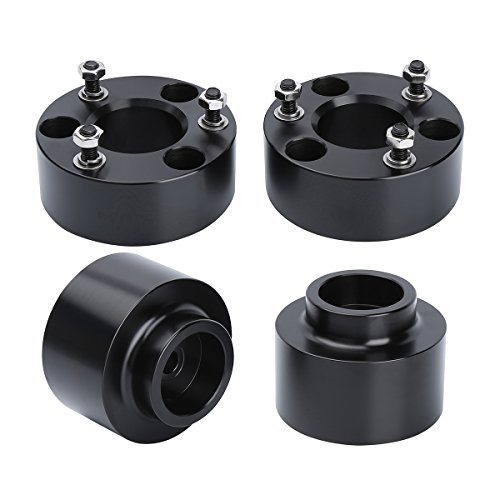

- Twist-in spacers typically provide a 1 to 1.5-inch lift.
- These spacers stiffen the spring rate by limiting coil compression.
- They serve as a temporary solution for sagging or weak springs.
- Improper placement can cause localized stress and spring failure.
- Check local regulations, as some regions restrict their use on-road.
Twist-in coil spring spacers offer the fastest and most affordable way to gain 1 to 2 inches of lift or to level out a sagging front end. Unlike full suspension kits that require dismantling the entire strut assembly, these spacers work by wedging directly between the existing coils of your spring to physically prevent them from compressing. This “locks” a section of the spring, forcing the vehicle to sit higher on its suspension by utilizing the spring’s own tension to create height.
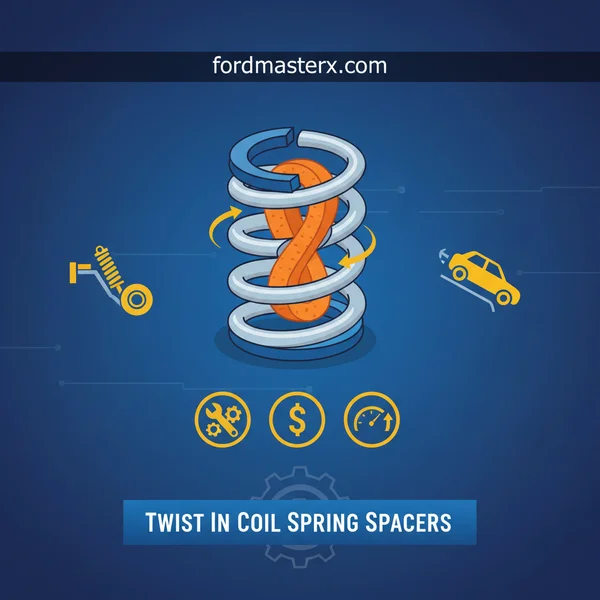
Practically, this matters because it allows you to clear larger tires or stop your bumper from scraping on steep driveways without a shop press or expensive labor. However, because you are physically altering the way the coil flexes, understanding the mechanical shift is vital. If installed incorrectly or used on the wrong type of spring, these spacers can shift during travel, leading to inconsistent ride heights or even damage to the spring itself. Directing your focus toward the mechanical placement ensures you get the clearance you need without compromising the structural integrity of your suspension.

Prime for Young Adults — 6 Months Free
Students and 18–24s get six months of Prime free, then half price.
Start 6 Months Free As an Amazon Associate I earn from qualifying purchases.Understanding How Twist-In Spacers Modify Suspension Geometry
The core mechanic of a twist-in spacer is the manipulation of the spring’s resting state. In a factory setup, your vehicle’s weight compresses the coil spring until the resistance of the steel matches the load of the car. When you insert a twist-in spacer, you are effectively introducing a solid “bridge” between two rungs of the coil. This prevents those two rungs from moving closer together. As a result, the spring is forced to expand elsewhere, pushing the chassis upward and increasing the distance between the wheel hub and the frame.
The Mechanics of Positioning and Rotation
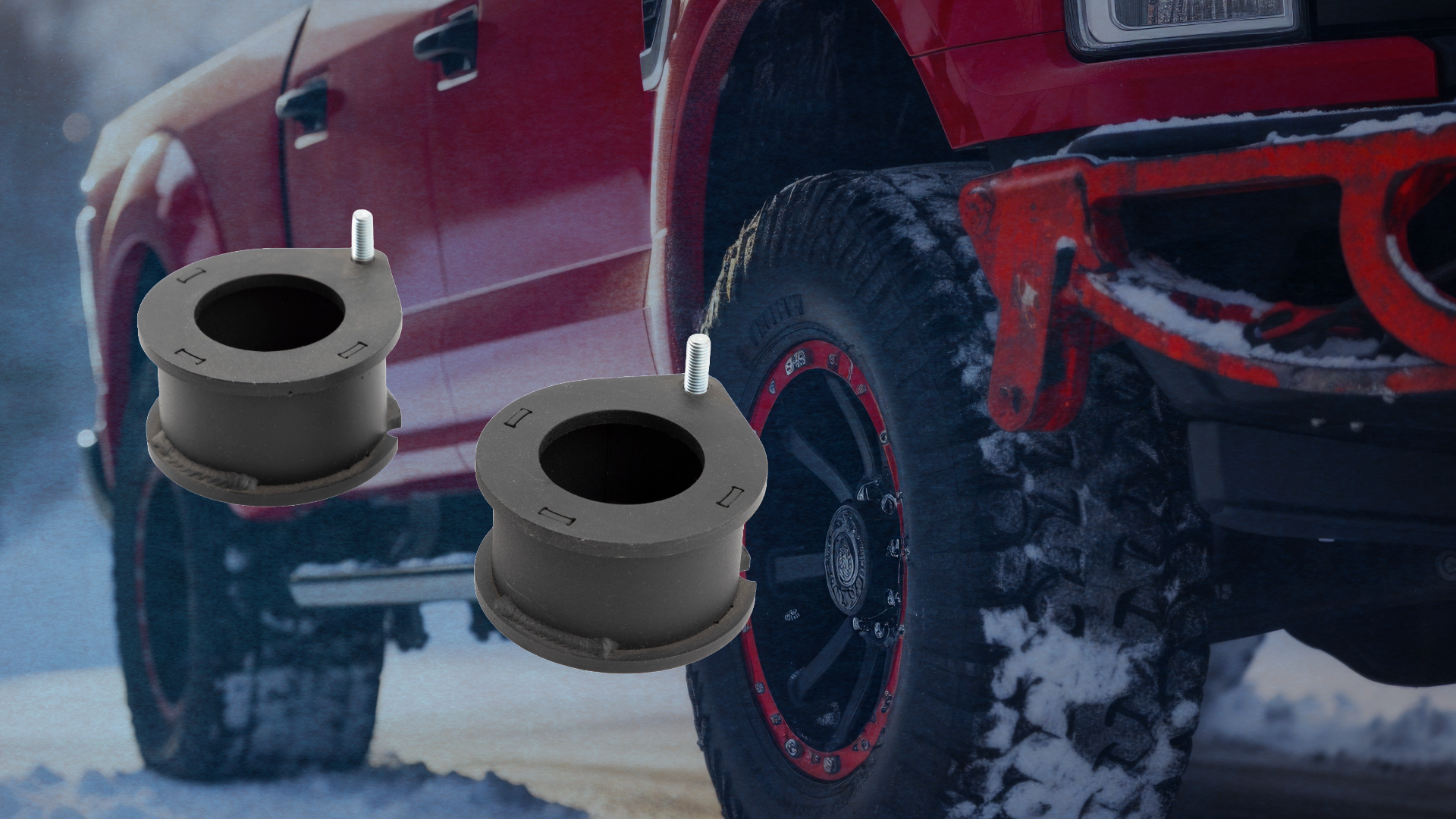
Installation mechanics rely on the spacer’s design, which usually features a deep groove on the top and bottom to “seat” the coil wire. You don’t just shove them in; you must rotate them into position. This is typically done when the suspension is “unloaded”—meaning the car is jacked up and the wheel is hanging freely—to allow the maximum possible gap between the coils. You slide the spacer into the widest gap and then use a wrench or a large screwdriver to rotate it 90 degrees until the coil wire snaps into the grooves. This rotation is what “locks” the lift into place.
- Mechanical Advantage: By placing the spacer higher up in the spring stack, you maximize the leverage the spring has against the lower control arm, resulting in a cleaner lift.
- Lift-to-Thickness Ratio: A 1-inch spacer rarely provides exactly 1 inch of lift. Due to the angle of the control arms (the motion ratio), a small spacer at the spring can translate to a much larger height increase at the fender.
- Orientation Matters: If the spacer is rotated too far toward the end of the coil (the “pigtail”), it can cause the spring to bow outward, which may lead to the spring rubbing against the inner fender well or the strut body.
Comparing Ride Quality and Performance vs. Replacement Springs
Recommended Best Deal Products


When you use a twist-in spacer, you are not changing the “spring rate” (the stiffness of the steel itself), but you are changing the “active coil count.” A standard spring works by distributing energy across its entire length. By wedging a spacer in the middle, you effectively turn a 10-coil spring into a 9-coil spring with a solid block in the middle. This results in a ride that feels significantly stiffer because the remaining open coils have to work harder to absorb the same amount of road energy.
Active Coil Count and Perceived Stiffness
This reduction in active coils means the suspension has less “travel” before it reaches its limit. While a new set of lifted springs would be designed with a longer wire or a different wind pattern to maintain comfort, a spacer forces the factory spring to act like a heavy-duty unit. On smooth highways, you might not notice a difference, but over speed bumps or potholes, the suspension will feel “staccato” and less compliant. This is because the spacer eliminates the progressive dampening that the middle coils usually provide.
- Shock Extension: Because the spacer holds the vehicle higher, your shock absorbers are now sitting closer to the top of their internal travel. This can lead to “topping out,” where the shock bangs against its internal stops when you go over a dip.
- Weight Distribution: Spacers do not increase the weight-carrying capacity of your vehicle. While they stop the “sag” from a heavy trailer or winch, the underlying metal of the spring is still under the same stress, which can lead to faster spring fatigue over time.
- Handling Feedback: You will likely feel more “road buzz” through the chassis. The rubber or hard plastic of the spacer doesn’t have the same energy-absorbing properties as an open air gap between coils, meaning high-frequency vibrations travel directly into the frame.
Critical Safety Risks and Potential Structural Coil Damage
While twist-in spacers offer an immediate visual lift, they introduce mechanical stressors that your vehicle’s suspension wasn’t originally designed to handle. Because these spacers sit between the coils, they prevent specific sections of the spring from compressing. This might seem harmless, but it fundamentally alters the physics of your suspension system.
The Danger of Concentrated Stress Points
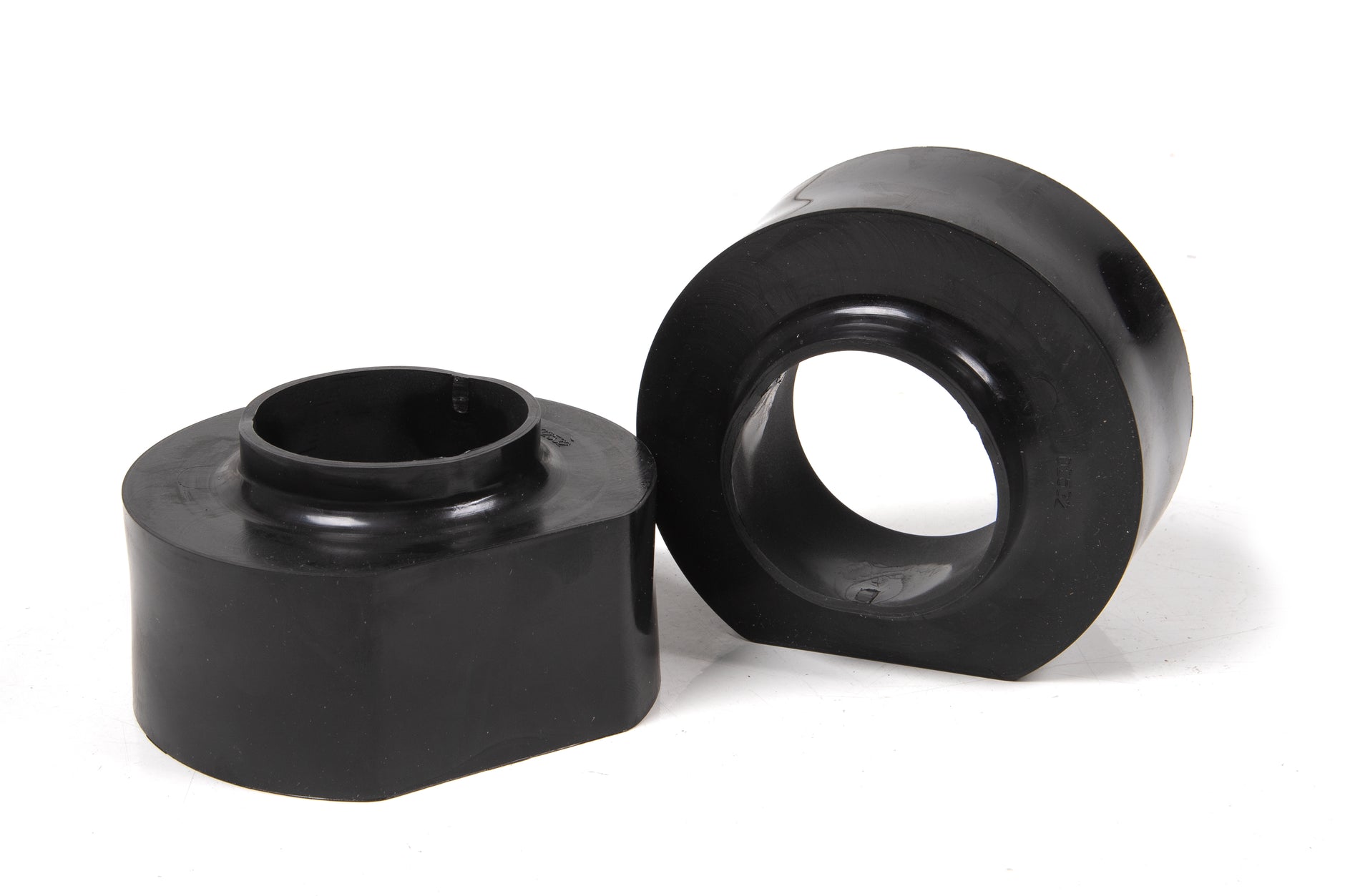
In a standard setup, a coil spring distributes weight evenly across its entire length. When you insert a rigid twist-in spacer, you create “stress risers.” The coils immediately above and below the spacer are forced to take on the workload of the section that is now blocked off. Over time, this can lead to metallurgical fatigue.
- Spring Snapping: Under heavy loads or sudden impacts (like hitting a pothole), the concentrated stress can cause the tempered steel of the spring to crack or snap entirely.
- Coil Binding: Because the spacer reduces the available travel space, the spring may “bottom out” sooner than expected, sending a harsh jolt directly into the vehicle’s frame.
- Spacer Ejection: If the spacer isn’t perfectly seated or if the spring over-extends during a rebound, the spacer can physically pop out, leading to a sudden, dangerous drop in ride height while driving.
Compromised Handling and Stability
Beyond structural damage, twist-in spacers can negatively impact your vehicle’s “manners” on the road. By stiffening a specific part of the spring, you create an inconsistent rebound rate. This often results in a “bouncy” ride or unpredictable body roll during high-speed cornering. If you are hauling a heavy trailer or carrying a full load of passengers, these stability issues become even more pronounced and potentially hazardous.
Budget Considerations and Long-Term Value of Twist-In Solutions
The primary appeal of twist-in spacers is almost always the price tag. You can often pick up a set for less than the cost of a single tank of gas. However, looking at the “sticker price” alone can be deceiving when you factor in the long-term health of your vehicle.
The “Cheap Fix” vs. Quality Suspension Upgrades
If you are working with an older vehicle that only needs a minor boost to clear a specific obstacle or to compensate for a slightly sagging front end, the budget-friendly nature of twist-ins is hard to beat. But for enthusiasts looking for a permanent lift, these spacers often prove to be a “false economy.”

Audible — Listen Free for 30 Days
One free credit a month and thousands of titles included.
Listen Free for 30 Days As an Amazon Associate I earn from qualifying purchases.- Frequent Replacements: Rubber and polyurethane twist-ins degrade over time due to road salt, heat, and constant friction, requiring you to buy new ones every few seasons.
- Collateral Damage Costs: If a spacer causes a coil spring to snap, you will end up paying for a full set of new springs and professional labor—costs that far exceed the price of a proper leveling kit.
- Resale Impact: Savvy buyers often view “clamped-on” or “twisted-in” suspension components as a red flag for poor maintenance, which could hurt your vehicle’s resale value.
When Twist-Ins Provide Genuine Value
There are specific scenarios where these tools shine from a financial perspective. For instance, they are excellent diagnostic tools. If you are debating between a 1-inch and 2-inch lift, using a temporary twist-in spacer can help you visualize the height and check for tire clearance before investing hundreds in a permanent suspension system. They are also ideal for “seasonal” needs, such as providing a tiny bit of extra clearance for a snowplow attachment that is only used for a few months out of the year.
Conclusion: Balancing Lift and Longevity
Twist-in coil spring spacers are a polarizing tool in the automotive world. They offer an undeniably quick and affordable way to gain a bit of ground clearance or level out a sagging ride. However, as we have explored, these benefits come with significant trade-offs in ride quality and long-term structural integrity. They are best suited for temporary fixes, light-duty applications, or as a diagnostic step before committing to a more robust suspension upgrade.
If you decide to use them, your next step should be a thorough inspection of your current coil springs to ensure they are free of rust or cracks. Always monitor your handling after installation and check the spacers regularly for signs of wear. Ready to give your ride a boost? Start by measuring your current ride height and comparing it to your goals to see if a twist-in solution is the right fit for your needs!
❓ Frequently Asked Questions
Are twist-in coil spring spacers safe for highway driving?
While many use them without immediate issue, they change vehicle handling and increase the risk of spring failure. Most experts recommend them only for off-road use or as a temporary measure until springs are replaced.
Do these spacers damage the coil springs over time?
Yes, they concentrate stress on specific sections of the coil rather than distributing it evenly. This localized pressure can lead to metal fatigue and eventually cause the spring to crack or snap.
How do they affect the vehicle’s alignment?
Adding lift to the front suspension changes the camber and toe settings. It is essential to get a professional wheel alignment after installation to prevent uneven tire wear.
What is the difference between rubber and metal twist-in spacers?
Rubber spacers offer a quieter ride and some vibration damping but compress over time. Metal spacers are more durable and provide a consistent lift but increase noise and localized wear.
Can I use multiple spacers on one spring for more lift?
No, using multiple spacers is extremely dangerous as it drastically reduces spring flexibility. This significantly increases the likelihood of a catastrophic suspension failure while driving.
Will twist-in spacers help with towing or heavy loads?
They can help level the rear of a vehicle under load by increasing the effective spring rate. However, they do not increase the vehicle’s official payload capacity or gross weight limits.