Are Trucks Good in the Snow? Performance, Risks, & Tips

Pickup trucks are excellent for deep snow due to high ground clearance, but their light rear ends make them prone to fishtailing on ice. While they excel at getting moving in harsh conditions, they do not stop faster than cars, making weight distribution and winter tires essential for safety.
🎯 Key Takeaways
Recommended Best Deal Products

- Add sandbags over the rear axle to improve traction on slippery roads.
- High ground clearance prevents bottoming out in unplowed, deep snow.
- Four-wheel drive assists acceleration but does not improve braking performance.
- Winter tires provide better stopping power than any 4WD system.
- Trucks have a higher center of gravity, increasing rollover risk on ice.
The short answer is: yes, trucks are excellent in the snow, but they are often more dangerous than a standard sedan if you do not understand their unique physics. While a truck’s four-wheel drive and high ground clearance help you get moving, the uneven weight distribution creates a significant risk for losing control on turns or icy patches. You have the power to plow through drifts, but you lack the natural stability of a vehicle with a centered engine and balanced weight.
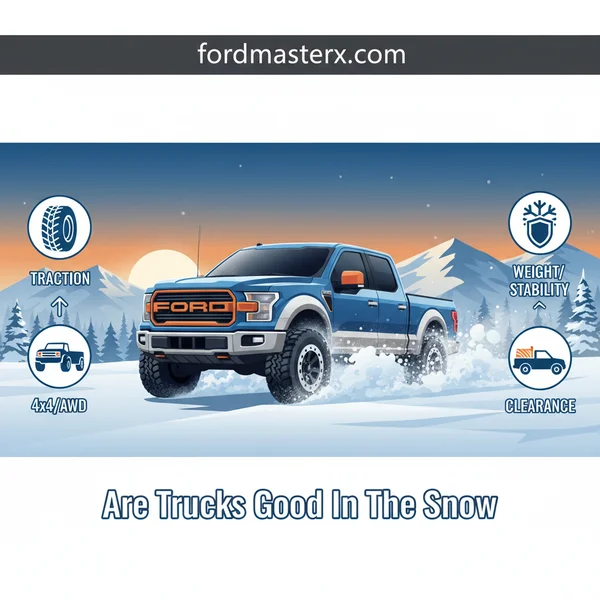
Understanding this balance is critical because most winter accidents in trucks happen not because the vehicle failed to move, but because it failed to stop or turn. You have to compensate for a design intended to carry heavy loads in the back, which remains empty during your average winter commute. If you treat a truck like a heavy car, you will likely find yourself fishtailing or sliding through an intersection.

Prime for Young Adults — 6 Months Free
Students and 18–24s get six months of Prime free, then half price.
Start 6 Months Free As an Amazon Associate I earn from qualifying purchases.The Physics of Pickup Trucks in Winter Conditions
The primary reason trucks struggle on slick roads is their weight distribution. In a typical front-engine pickup, about 60% to 70% of the weight sits over the front axle. This leaves the rear wheels—which are often the primary drive wheels—with very little downward force. Without weight pushing those tires into the snow, they cannot generate the friction needed for grip, leading to the dreaded “fishtail” effect where the back of the truck tries to overtake the front.

The Danger of the Light Rear End
When you accelerate on a slippery surface, your rear tires need to “bite” into the snow. In an empty truck, those tires simply spin on top of the surface. This lack of traction becomes even more dangerous during cornering. If the rear tires lose grip while you are turning, the momentum of the truck’s heavy front end acts as a pivot point. This creates a pendulum effect, swinging the rear of the vehicle outward. Because there is so little weight in the bed to hold the tires down, once that slide starts, it is much harder to recover than in a balanced SUV or front-wheel-drive car.
- Drive Type Matters: In 2WD (Rear-Wheel Drive) mode, your truck is at its most vulnerable.
- Weight Imbalance: An empty bed provides almost zero “bite” for rear tires on ice.
- The Pendulum Effect: The heavy engine up front makes the light rear end prone to whipping around during turns.
Countering the Slide with Ballast
The most effective way to fix a truck’s poor winter physics is to add “ballast” or intentional weight over the rear axle. You should aim to add between 250 and 400 pounds directly over or slightly behind the rear wheel wells. This forces the tire treads to spread out and dig into the snow, significantly increasing your “go” traction. Practical options include:
- Sandbags: These are cheap and provide extra grit if you need to break open a bag for traction under the tires.
- Water Softener Salt: Heavy and useful, but ensure the bags don’t leak, as salt causes rapid corrosion.
- Cinder Blocks: Effective for weight, but they must be strapped down. A loose cinder block becomes a deadly projectile in a collision.
Ground Clearance vs. Traction: Where Trucks Excel and Fail
Recommended Best Deal Products


There is a massive difference between “deep snow” and “packed ice,” and your truck handles them in completely opposite ways. Trucks are the undisputed kings of deep, unplowed snow. While a sedan or a low-riding crossover will “high-center”—meaning the snow under the chassis lifts the tires off the ground—a truck’s high ground clearance allows it to straddle deep drifts and keep its tires firmly on the pavement or hard-pack below.
Deep Snow Dominance
When the snow is six inches deep or more, your truck’s height is your greatest asset. Most trucks offer 8 to 10 inches of ground clearance, allowing you to drive over obstacles that would act as a snowplow for a car. In these conditions, the sheer mass and height of the truck allow you to maintain momentum. If you have 4WD engaged, you are essentially driving a tank that can navigate unplowed side streets with ease. However, this height creates a false sense of security once you transition from deep snow to a plowed, icy main road.
The Ice and Braking Paradox
While trucks excel at moving forward, they are notoriously poor at stopping on ice. This is due to the “mass-to-traction” ratio. A heavy half-ton truck has significantly more momentum than a 3,000-pound car. When you hit the brakes on ice, that momentum wants to keep the truck moving forward. Because your contact patches (where the tire touches the road) are not significantly larger than a car’s, you have more weight pushing against the same amount of grip. This leads to much longer stopping distances.
- Height Advantage: Great for clearing drifts; bad for center of gravity on slippery turns.
- Mass vs. Momentum: A heavy truck takes 20-30% longer to stop on ice than a lighter vehicle.
- False Confidence: 4WD helps you “go,” but it does absolutely nothing to help you “stop” or “turn” on ice.
Remember, every vehicle has four-wheel braking. Having 4WD engaged does not give you any extra stopping power. In fact, the added weight of the 4WD system (transfer case and front differential) actually increases the mass you have to bring to a halt. When driving on packed ice or thin slush, the truck’s height provides no benefit, and its weight becomes a liability that requires you to double your following distance compared to clear pavement.
Comparing Trucks to AWD SUVs and Sedans for Snow
When the blizzard hits, many people assume a massive truck is the undisputed champion of the road. While trucks offer significant advantages, they aren’t always the “easiest” vehicles to drive in winter compared to AWD SUVs or even some sedans. Understanding these nuances is key to staying safe when the pavement turns white.
Ground Clearance vs. Stability
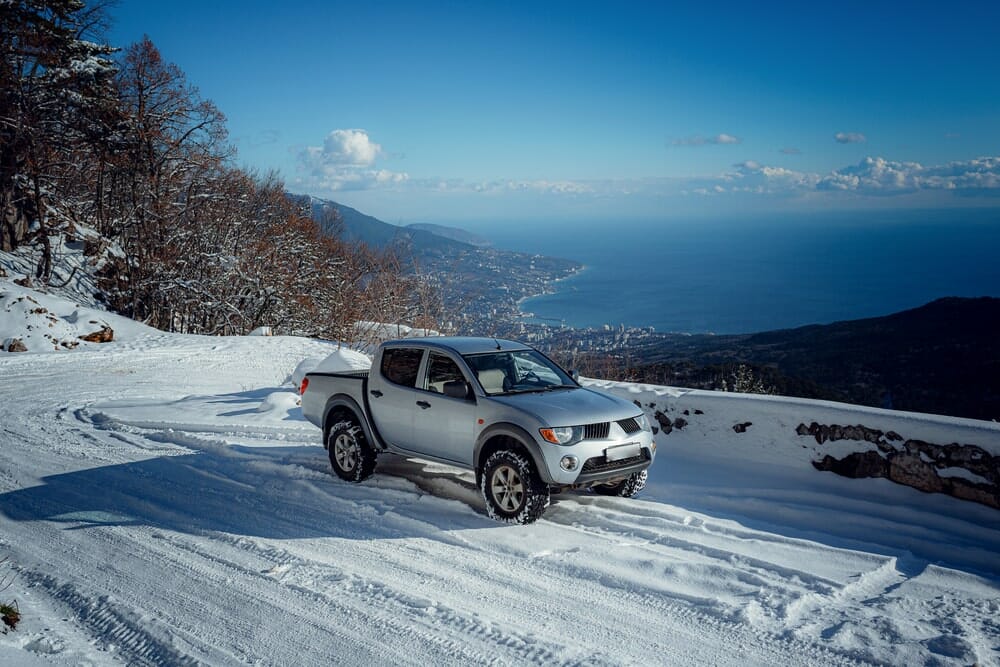
Trucks have one massive advantage: ground clearance. In deep, unplowed snow, a truck like a Chevrolet Silverado can plow through drifts that would high-center a Subaru Outback or a Toyota Camry. However, that height comes with a trade-off. Trucks have a much higher center of gravity, making them more prone to tipping or sliding if you take a corner too aggressively on ice.

Audible — Listen Free for 30 Days
One free credit a month and thousands of titles included.
Listen Free for 30 Days As an Amazon Associate I earn from qualifying purchases.- Trucks: Best for deep snow and unplowed backroads.
- AWD SUVs: Often offer better weight distribution and lower centers of gravity for icy highway driving.
- AWD Sedans: Provide the best “road feel” and braking performance on packed snow, though they struggle with depth.
The Difference Between AWD and 4WD
Most sedans and crossovers use All-Wheel Drive (AWD), which is computer-controlled and shifts power automatically. Trucks typically use 4-Wheel Drive (4WD), which locks the front and rear axles together. While 4WD provides maximum “digging” power to get out of a ditch, it can actually make turning on packed snow more difficult than a sophisticated AWD system found in a modern SUV.
Essential Equipment and Modifications for Winter Truck Safety
Recommended Best Deal Products


Even the most powerful 4×4 truck can become a 5,000-pound sled if it isn’t equipped properly. If you plan on driving your truck through a serious winter season, relying on “stock” features might not be enough. A few specific modifications can transform your truck from a liability into a winter tank.
Winter Tires vs. All-Terrains
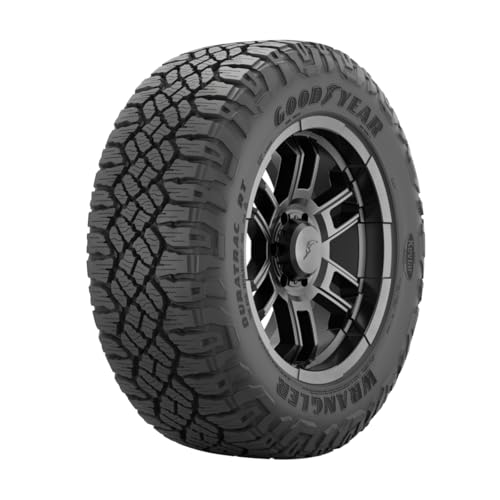
Many truck owners believe their aggressive-looking All-Terrain (A/T) tires are sufficient for snow. While they look the part, rubber compounds in A/T tires often harden in freezing temperatures, losing their grip. Dedicated winter tires are made of softer rubber that stays pliable. Look for the Three-Peak Mountain Snowflake (3PMSF) symbol on the sidewall; this indicates the tire is officially rated for severe snow conditions.
Adding Ballast to the Bed
One of the biggest risks with a truck is its uneven weight distribution. Most of the weight is over the front engine, while the rear wheels—the ones doing the pushing in 2WD—are light and bouncy. Adding 200 to 400 pounds of weight directly over the rear axle can drastically improve traction. Specific items to use include:
- Sandbags: Cheap and effective; the sand can also be used for traction under tires if you get stuck.
- Tube Sands: Designed specifically to fit in the wheel wells of a truck bed.
- Water bladders: Specialized products like “ShurTrax” that fill with water and freeze flat in the bed.
Visibility Upgrades
Stock headlights can often get coated in slush and road salt, dimming your view. Adding fog lights with a yellow tint can help cut through the glare of falling snow, while upgraded wipers with a rubber “shroud” prevent ice from building up on the blades and causing streaks during a storm.
Conclusion
So, are trucks good in the snow? The answer is a resounding yes, but with a major asterisk. Their ground clearance and 4WD systems make them unbeatable for getting through deep drifts and rugged terrain. However, their light rear ends and high centers of gravity require a disciplined driver who respects the physics of winter travel. A truck is only as good as its tires and the person behind the wheel.
Before the next big storm hits, take a moment to check your tire tread and consider adding some weight to your bed. If you haven’t practiced in an empty, snow-covered parking lot lately, give it a try to see how your truck handles a slide. Stay safe, drive slow, and enjoy the capability that only a truck can provide!
❓ Frequently Asked Questions
Why do trucks fishtail so easily on icy roads?
Trucks have most of their weight concentrated over the front engine, leaving the rear wheels with very little downward force. This lack of pressure causes the rear tires to lose grip and swing out during acceleration or cornering on slippery surfaces.
Can 4WD help me stop faster on snow?
No, four-wheel drive only assists with acceleration and maintaining momentum; it does nothing to shorten braking distances. In fact, a truck’s heavy mass often requires more distance to stop than a lighter passenger car in identical conditions.
Are all-terrain tires sufficient for winter driving?
While better than summer tires, all-terrain tires often harden in extreme cold, which reduces grip on ice. Dedicated winter tires use a specialized rubber compound that stays flexible in freezing temperatures, providing superior safety and traction.
Audible Premium Plus — Annual Membership
12 audiobook credits up front, plus the full Audible catalogue.
See Annual Plans As an Amazon Associate I earn from qualifying purchases.Is ground clearance the most important factor for snow?
Ground clearance is vital for navigating unplowed roads to avoid getting ‘high-centered’ on a snowdrift. However, for standard highway driving on plowed but icy roads, tire quality and weight balance are far more critical than height.
How does a truck’s center of gravity affect winter safety?
Trucks are taller and have a higher center of gravity than cars, making them more prone to tipping if they slide sideways into a curb or snowbank. Drivers must exercise caution and take turns much slower than they would in a lower vehicle.
Should I use sand or salt for weight in my truck bed?
Sandbags are the preferred choice because they provide necessary weight and the sand can be used for extra grit if you get stuck. Ensure the bags are secured in place so they don’t slide and shift the vehicle’s center of mass during transit.