How To Get The Spare Tire Off A Ford F150 Expert Guide 2026

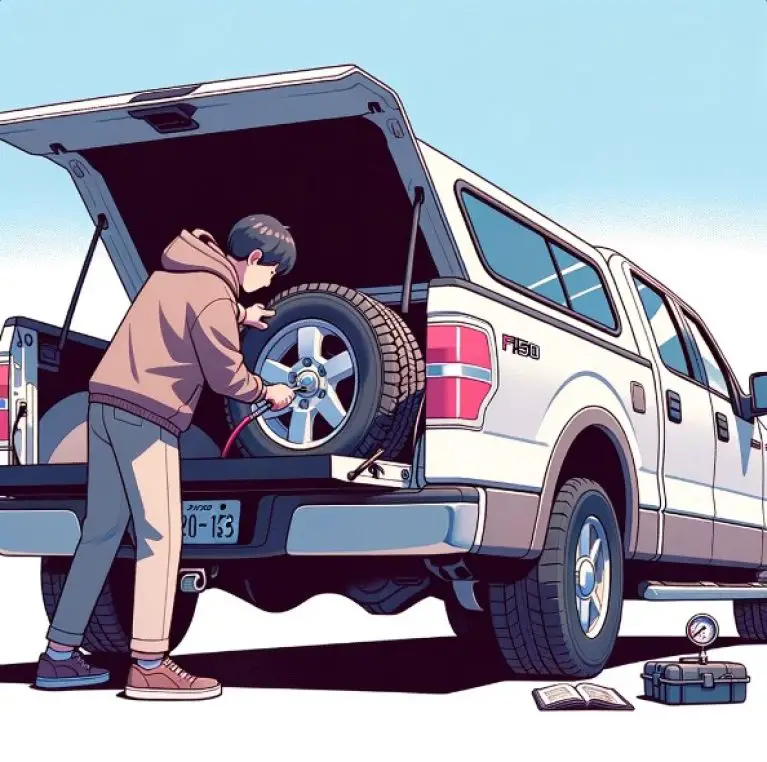
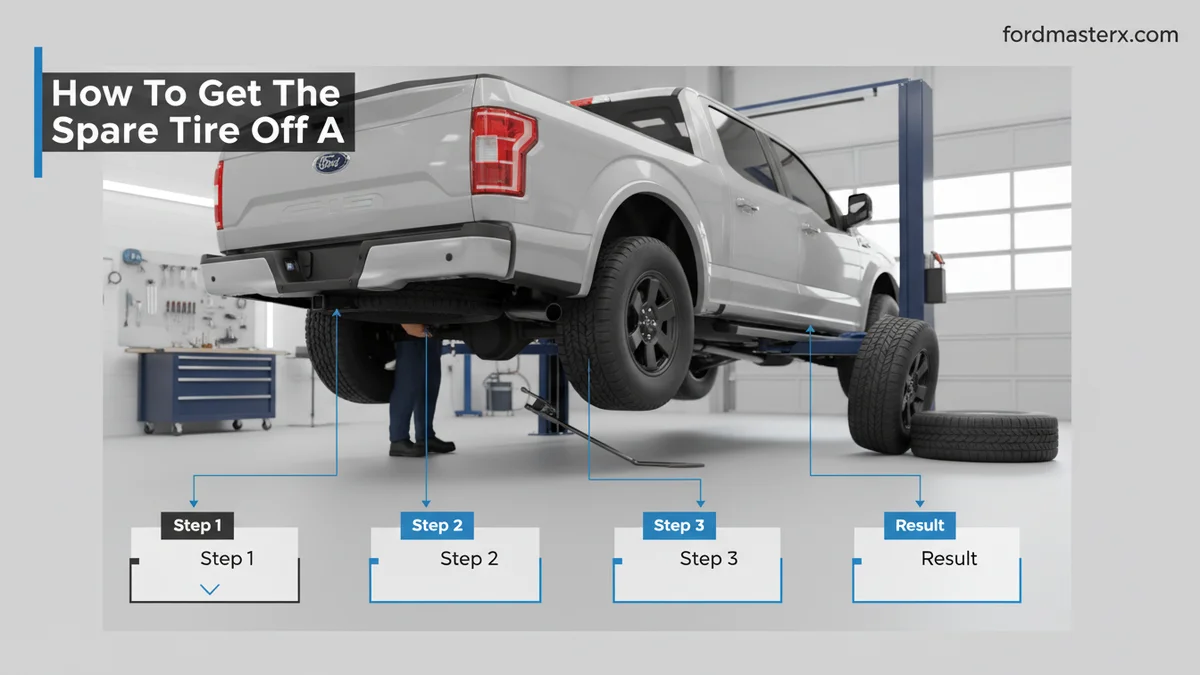
To get the spare tire off a Ford F-150, first locate your vehicle’s tool kit (jack, lug wrench, crank) usually behind the rear seat or under the hood. Then, safely prepare your truck by parking on level ground and setting the parking brake before using the crank rod to lower the spare tire from its undercarriage hoist mechanism.
To get the spare tire off a Ford F-150, first locate your vehicle’s tool kit (jack, lug wrench, crank) usually behind the rear seat or under the hood. Then, safely prepare your truck by parking on level ground and setting the parking brake before using the crank rod to lower the spare tire from its undercarriage hoist mechanism.

Prime for Young Adults — 6 Months Free
Students and 18–24s get six months of Prime free, then half price.
Start 6 Months Free As an Amazon Associate I earn from qualifying purchases.Knowing how to get the spare tire off a Ford F-150 is a crucial skill for every truck owner, ensuring you are prepared for unexpected flats. This expert guide provides comprehensive, step-by-step instructions to help you safely and efficiently remove your F-150’s spare tire.
Whether you are facing an emergency or simply performing routine maintenance, understanding this procedure can save you time and stress. We will cover everything from tool location to troubleshooting common issues, empowering you to handle any situation with confidence by 2026.
Our journey begins by pinpointing the essential tools you will need for this task.
Key Takeaways
Recommended Best Deal Products


- Locate F-150 spare tire tools quickly.
- Prioritize safety with proper vehicle preparation.
- Follow step-by-step lowering instructions.
- Understand how to physically remove the tire.
- Troubleshoot common stuck tire problems.
Where Is Your F150 Spare Tire Tool Kit Located?
Before you can successfully get the spare tire off a Ford F-150, you must first gather the correct tools. We will show you exactly where to find them within your truck.

Ford F-150 models typically store the spare tire tool kit in one of a few common locations. Knowing these spots is the first step in preparing for a tire change or inspection.
Finding the Jack Assembly
The jack assembly in most Ford F-150 models is often located behind the rear seat on SuperCab and SuperCrew configurations. For Regular Cab models, it might be found behind the passenger seat or possibly secured under the hood near the firewall .
Always consult your owner’s manual for the precise location for your specific F-150 model year to avoid confusion when time is critical .
Locating the Lug Wrench
The lug wrench, often a four-way cross wrench or a simple L-shaped bar, is usually bundled with the jack. This tool is indispensable for loosening and tightening the lug nuts. Ensure its presence and familiarize yourself with its shape.
Accessing the Crank Rod
The spare tire crank rod is a long, multi-segment rod used to operate the hoist mechanism. It is typically stored with the jack and lug wrench. This rod often comes in several pieces that fit together to form a single, longer tool.

Audible — Listen Free for 30 Days
One free credit a month and thousands of titles included.
Listen Free for 30 Days As an Amazon Associate I earn from qualifying purchases.With all your tools in hand, the next critical step involves preparing your F-150 for a safe tire change.
How to Safely Prepare Your F150 for Tire Changing?
Recommended Best Deal Products


Safety is paramount when you prepare to get the spare tire off a Ford F-150. Following these steps helps prevent accidents and injury.
Improper preparation can lead to serious risks, especially when working on the roadside. We prioritize your well-being through these essential guidelines.
Park on a Level Surface
Always pull your F-150 onto a firm, level surface away from traffic. This stability is crucial for preventing the truck from rolling or shifting while you work. Avoid soft shoulders or inclines whenever possible.
If you must stop on a slight incline, point the front wheels toward the curb if available. This provides an additional safety measure against unexpected movement.
Activate Hazard Lights
Engage your F-150’s hazard warning lights immediately to alert other drivers to your presence. This is especially important in low-light conditions or heavy traffic. Visibility is key to roadside safety [EXTERNAL LINK: Roadside safety tips].
Placing reflective triangles or flares behind your truck, if available, further enhances visibility for approaching vehicles .
Secure With Wheel Chocks
Before lowering the spare, place wheel chocks on the wheel diagonally opposite the flat tire. If changing a front tire, chock a rear wheel; if a rear tire, chock a front wheel. This prevents any inadvertent rolling of the vehicle.
If you lack dedicated wheel chocks, use sturdy objects like large rocks or bricks. The parking brake must also be fully engaged to prevent any vehicle movement.
Once your F-150 is safely positioned, you can proceed to the core task of lowering the spare tire.
Audible Premium Plus — Annual Membership
12 audiobook credits up front, plus the full Audible catalogue.
See Annual Plans As an Amazon Associate I earn from qualifying purchases.4 Steps to Lower Your F150 Spare Tire With Ease
Lowering the spare tire from your Ford F-150 involves a specific process that, once understood, is straightforward. Follow these steps to smoothly get the spare tire off a Ford F-150.
The mechanism is designed for efficiency, but knowing the exact sequence makes it even simpler. We guide you through each action.
Locate the Access Port
The access port for the spare tire lowering mechanism is typically found in the F-150’s rear bumper area. Look for a small circular or rectangular hole, usually above the license plate or slightly to one side of the hitch receiver. This port allows you to reach the hoist mechanism.
Insert the Crank Rod
Assemble the crank rod pieces, if necessary, into a single long tool. Insert the end of the crank rod into the access port. You will need to carefully guide it until it engages with the square or hexagonal head of the spare tire hoist mechanism.
You might feel a click or a snug fit once it is properly seated .
Turn to Lower Cable
Once the crank rod is securely engaged, turn it counter-clockwise to begin lowering the spare tire. Use a steady, consistent motion. As you turn, the cable mechanism will slowly unwind, allowing the tire to descend. Continue turning until the tire is fully lowered and rests on the ground .
The process might take several minutes, so be patient. You will see the tire gradually emerge from under the truck.
Guide Tire Down Smoothly
As the spare tire lowers, be prepared to guide it gently. Ensure it does not get snagged on any part of the undercarriage or exhaust system. Once it reaches the ground, the cable will become slack. You might need to give it a slight pull to ensure it’s fully disengaged from the hoist.
With the spare tire now safely on the ground, the final step is to detach it completely from its retaining mechanism.
How to Physically Remove Your F150 Spare Tire?
After successfully lowering your Ford F-150 spare tire, the next action is to physically remove it from under the truck. This step ensures you can easily get the spare tire off a Ford F-150 and into position for mounting.
Careful handling prevents strain and potential damage to the tire or truck. We outline the final movements.
Release Retainer Plate
Once the tire is on the ground and the cable is slack, you will see a small, flat retainer plate or a hook mechanism centered on the spare tire. This plate keeps the tire securely attached to the lowering cable. Tilt the tire slightly to access and manipulate this plate. Push it through the center hole of the wheel.
Pull Tire From Under Vehicle
After the retainer plate is disengaged, gently slide the entire spare tire out from under the F-150. Spare tires can be heavy and cumbersome, so use proper lifting techniques to avoid injury. Bend at your knees, not your back, to lift and pull.
You may need to maneuver it around components like the exhaust pipe. Take your time to prevent scratches or damage.
Place Flat on Ground
Once the spare tire is free, place it flat on the ground away from your immediate work area. Ensure it is stable and won’t roll or become a tripping hazard. This clears your workspace and makes it ready for installing the new tire.
While the process is generally smooth, you might encounter some common obstacles when trying to get the spare tire off your F-150.
5 Troubleshooting Tips for a Stuck F150 Spare Tire
Sometimes, when you try to get the spare tire off a Ford F-150, it might be stuck due to various reasons. We offer solutions for these frustrating situations.
A stuck spare tire can be a real headache, especially in an emergency. These tips will help you address the most common issues by 2026.
Inspect for Corrosion
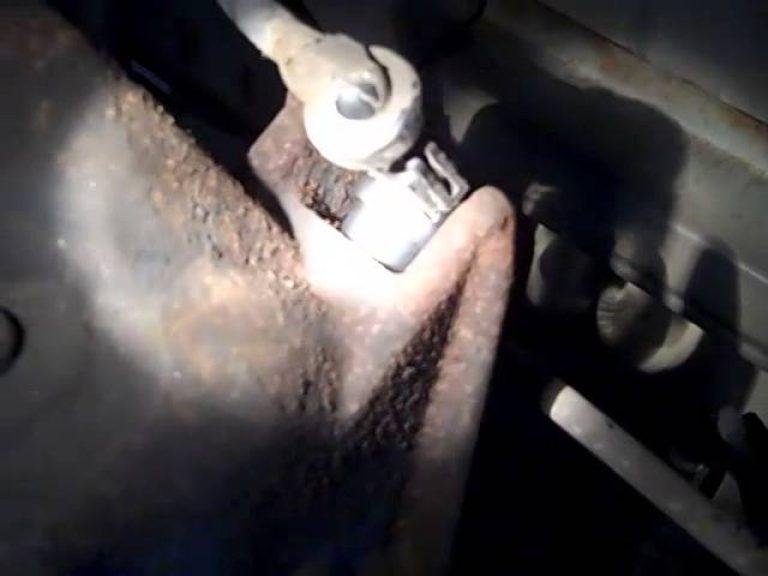
Over time, road salt and moisture can cause corrosion on the hoist mechanism and cable. Visually inspect these components for rust build-up. Apply a penetrating oil liberally to any corroded parts and let it sit for a few minutes to loosen .
Check Cable Integrity
Examine the cable that lowers the tire for any signs of fraying, kinks, or damage. A damaged cable can bind or prevent the tire from lowering smoothly. If the cable appears severely damaged, do not force it, as it could snap. Replacing the cable might be necessary [INTERNAL LINK: Replacing F-150 spare tire cable].
Lubricate the Winch
The internal winch mechanism can become dry or stiff. After inspecting for corrosion, apply a multi-purpose lubricant or white lithium grease to the exposed parts of the winch. This can help reduce friction and allow the gears to operate more freely .
Gently Rock the Tire
If the tire seems stuck, gently rock it back and forth while attempting to turn the crank. This can help dislodge it from any resting position or minor obstructions. Avoid excessive force, which could damage the hoist mechanism.
Seek Professional Help
If the spare tire remains stubbornly stuck after trying these methods, it is best to seek professional assistance. A mechanic or roadside assistance technician has specialized tools and experience to safely resolve the issue without further damage. They can diagnose problems like a seized winch or severe cable damage.
Understanding these potential issues and their solutions prepares you for any roadside emergency.
Prepare for Unexpected Drives in Your F-150
Mastering how to get the spare tire off a Ford F-150 is a fundamental skill for any truck owner. This knowledge empowers you to confidently handle unexpected flat tires, transforming a potentially stressful situation into a manageable task.
By regularly checking your spare tire pressure and ensuring your tool kit is complete and accessible, you maintain readiness. These proactive steps ensure your F-150 is always prepared for the road ahead, no matter what surprises it may hold by 2026.
safety should always be your top priority during any roadside repair. Taking a few extra minutes for proper preparation can prevent accidents and ensure a smooth tire change. Stay safe, and drive with peace of mind knowing you are well-equipped.
Common Questions About F150 Spare Tire Removal
How Long Does It Typically Take to Get the Spare Tire Off an F-150?
An experienced person can typically remove an F-150 spare tire in 10-20 minutes under ideal conditions. First-timers or those facing a stuck mechanism might take 30 minutes or more. Preparation and having the right tools readily accessible greatly reduce this time.
What Tools Do I Need to Remove My Ford F-150 Spare Tire?
You will primarily need your F-150’s factory-provided tool kit. This includes the jack, a lug wrench (often with an extension bar), and the spare tire crank rod. Always ensure these tools are present and in good working order before you need them.
Where Is the Spare Tire Lowering Mechanism Access Point on an F-150?
The spare tire lowering mechanism access point on most Ford F-150 models is located in the bumper area. Look near the center or slightly to the right, just above the rear license plate. You will typically find a small hole where the crank rod is inserted.
Can I Remove the F-150 Spare Tire If It Is Rusty or Stuck?
Yes, you might be able to remove a rusty or stuck F-150 spare tire, but it requires patience and specific techniques. Try applying penetrating oil to the winch mechanism and cable. Gentle rocking or tapping the tire can also help loosen it. If still stuck, professional assistance is recommended.
Are There Any Differences in Spare Tire Removal for Different F-150 Model Years?
While the basic principle of F-150 spare tire removal remains consistent across model years, specific tool locations or minor variations in the hoist mechanism might exist. Always consult your F-150’s owner’s manual for the most accurate instructions for your particular model year.