How Many Catalytic Converters Does A Truck Have? Exhaust System Configurations Explained

For the modern truck owner, the exhaust system is far more than just a series of pipes; it is a sophisticated laboratory designed to neutralize toxic gases before they reach the atmosphere. Determining exactly how many catalytic converters are on your truck can be confusing, especially with varying engine sizes, dual exhaust options, and evolving emissions laws. From the compact inline-four engines found in mid-size pickups to the massive V8 powerhouses and heavy-duty diesels, the configuration varies significantly by manufacturer and model year. This expert guide provides a professional breakdown of converter counts by engine type, brand, and fuel system, ensuring you have reliable information for maintenance or theft prevention. We will dive deep into the mechanical reasoning behind these configurations to provide a complete understanding of your vehicle’s emissions architecture.
Understanding How Engine Configuration Dictates Catalytic Converter Counts
📤 Share Image
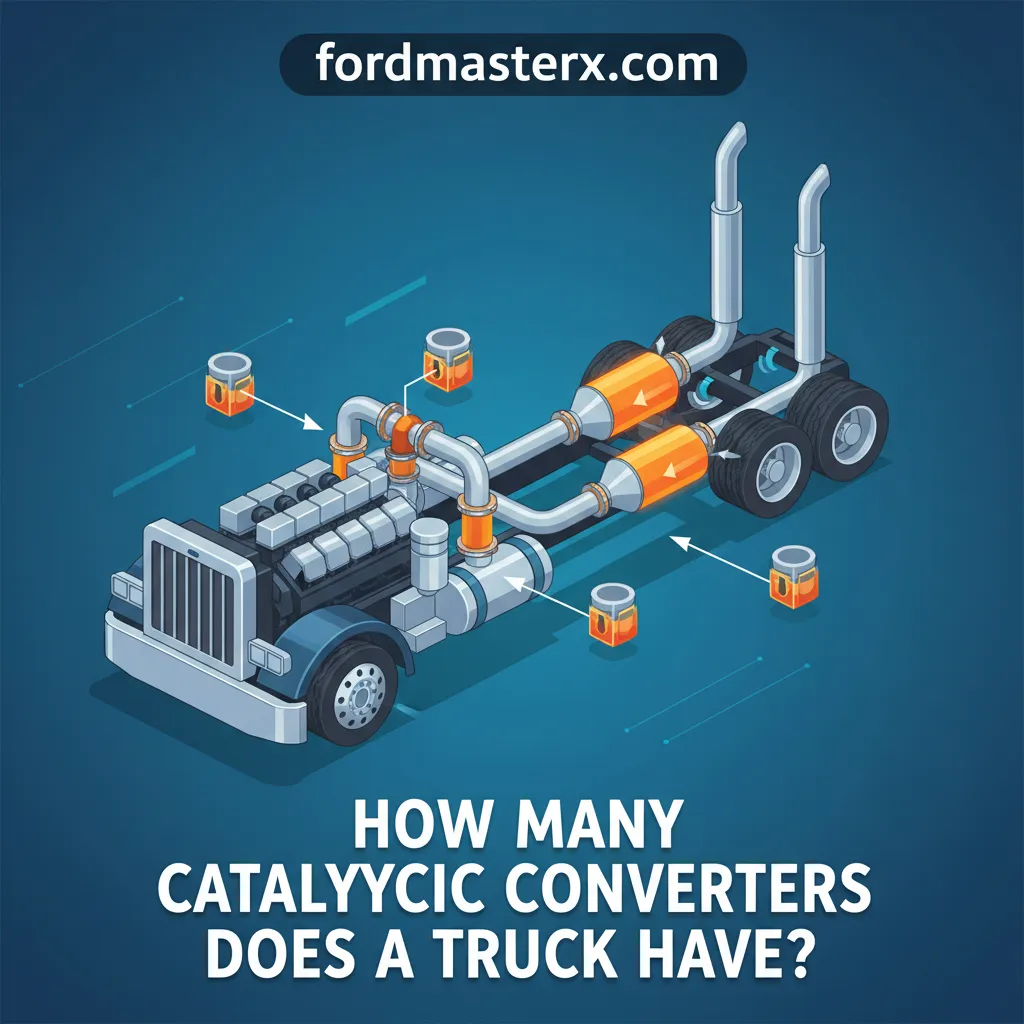
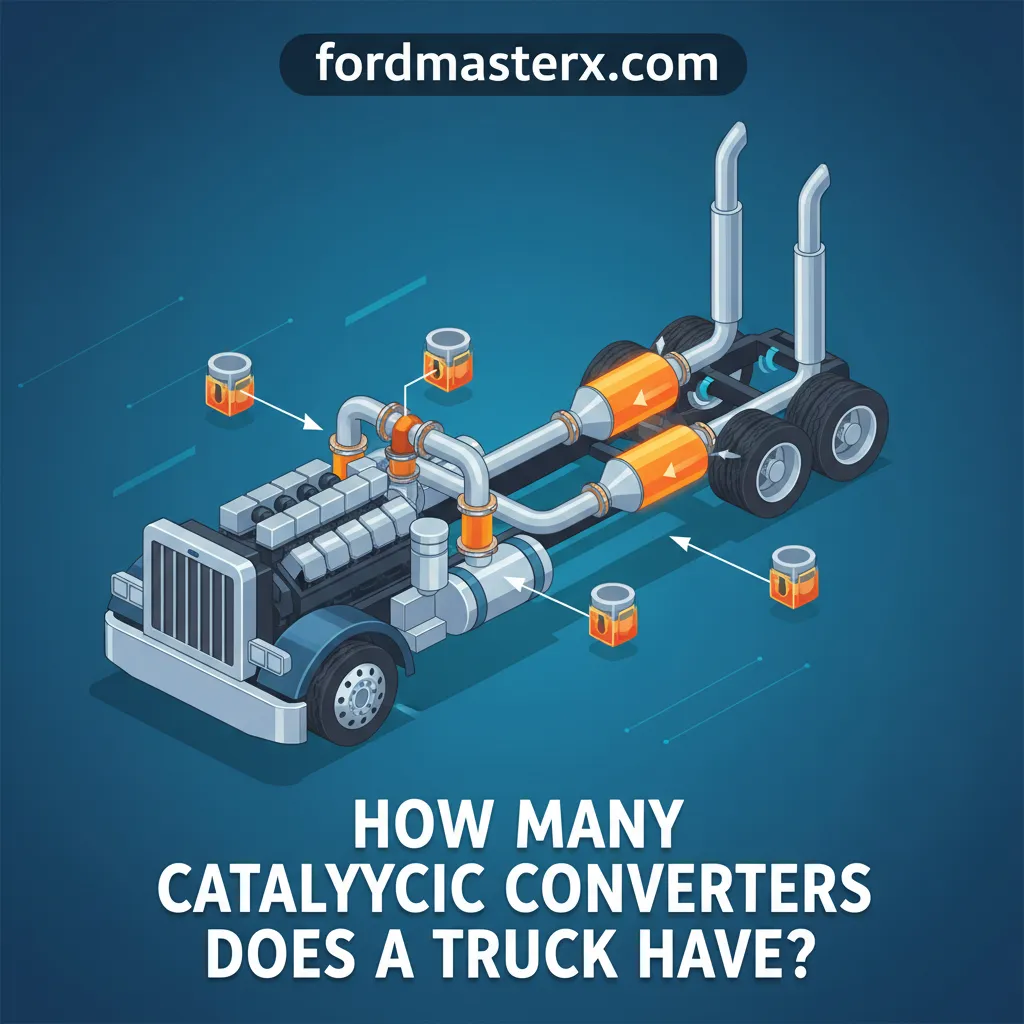
In the world of automotive engineering, the number of catalytic converters is rarely an arbitrary choice. Instead, it is a direct consequence of the engine’s architecture. To understand why your truck has a specific number of units, we must first examine the “banks” of the engine. In a V-configured engine (V6, V8, V10), the cylinders are divided into two separate sides or “banks.” Each bank requires its own exhaust manifold to collect spent gases. Because these gases must be treated as close to the combustion chamber as possible for maximum efficiency, engineers typically install at least one catalytic converter per bank.
Approximately 70% of modern full-size trucks utilize V-configured engines, which inherently increase the likelihood of having multiple converter units. For instance, a standard Ford F-150 with a 5.0L V8 engine features two primary catalytic converters—one for each cylinder bank. In contrast, mid-size trucks like the Toyota Tacoma equipped with an Inline-4 configuration funnel all exhaust gases into a single manifold. This streamlined path usually leads to a single primary converter, though modern emissions requirements often necessitate a secondary unit downstream.
The Role of the Y-Pipe and Exhaust Merging
The “Y-pipe” is a critical component in determining the visible count of converters from under the chassis. In many V8 configurations, the two separate exhaust streams from the manifolds travel through their respective converters before merging into a single Y-pipe that leads to the muffler. However, some heavy-duty or high-performance setups maintain “true dual” exhaust systems, where the streams never merge, keeping two entirely independent paths from the engine to the tailpipe.
Displacement size also plays a significant role. A larger engine processes more air and fuel, necessitating a greater surface area within the catalytic substrate to effectively facilitate the chemical reduction of Nitrogen Oxides (NOx) and Carbon Monoxide (CO). When a single converter would be too large to fit within the truck’s frame rails, engineers often split the load across multiple smaller units to maintain the necessary flow rates without sacrificing filtration quality.
By The Numbers
Full-size trucks with V-engines
Standard converter range
Common for Inline-4 setups
The Difference Between Primary and Secondary Catalytic Converters
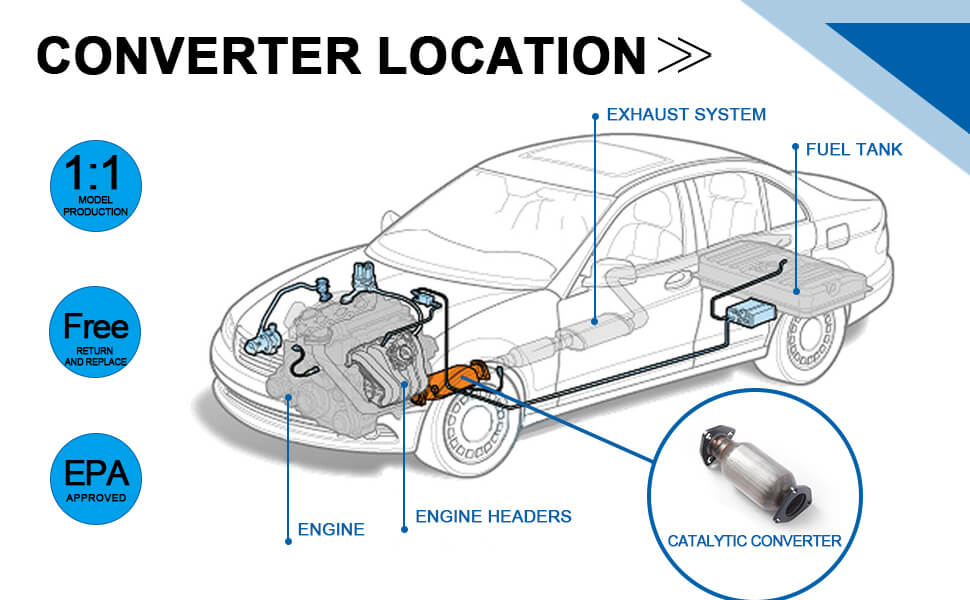
If you look under a modern truck and see four distinct canisters in the exhaust line, you are likely looking at a dual-stage filtration system. This setup consists of “primary” and “secondary” converters. The primary converters, often referred to as “warm-up” or “pre-cats,” are located as close to the engine as possible—sometimes integrated directly into the exhaust manifold. Their primary purpose is to reach “light-off” temperature rapidly.
Most engine wear and emissions occur during the “cold start” phase when the engine is not yet at its optimal operating temperature. By placing small converters close to the heat source, the chemical reaction begins within seconds of ignition. Once the exhaust travels further downstream, it hits the secondary or “main” converters. These larger units handle the high-volume hydrocarbon conversion once the truck is cruising at highway speeds.
Monitoring Efficiency via Oxygen Sensors
The engineering logic behind these multiple stages is heavily influenced by the Environmental Protection Agency (EPA) and the California Air Resources Board (CARB). To ensure these units are working, the truck’s Engine Control Unit (ECU) uses Oxygen (O2) sensors positioned before and after the primary catalysts. These sensors monitor “Catalyst Efficiency.” If the downstream sensor detects the same oxygen levels as the upstream sensor, the ECU knows the converter has failed, triggering diagnostic codes like P0420 or P0430. Secondary converters can reduce tailpipe emissions by an additional 15-20% compared to single-stage systems, which is often the difference between a truck passing or failing modern ULEV (Ultra-Low Emission Vehicle) standards.
A classic example of this complexity is the Toyota Tundra (2007-2021). This truck is widely recognized among trusted mechanics for its four-converter setup: two primary units located near the manifolds and two secondary units further down the mid-pipes. While this makes for a very clean-running vehicle, it also makes the exhaust system more expensive to maintain and a higher-value target for precious metal recyclers.
If you are replacing a catalytic converter to clear a Check Engine light, ensure you are identifying the correct unit. Most “efficiency” codes relate only to the primary (upstream) converters which are monitored by O2 sensors. Secondary converters are often unmonitored and will not trigger a code if they fail, though they will still affect tailpipe emissions.
Identifying Catalytic Converter Variations by Truck Brand and Model
Each manufacturer approaches emissions differently based on their specific engine technology. Ford’s F-Series, the best-selling truck line in North America, offers a wide spectrum of configurations. The base 3.3L V6 models typically use two converters. However, the high-output Raptor variants or trucks equipped with the 3.5L EcoBoost may utilize more complex downpipe assemblies that combine high-flow cats to manage the increased exhaust pressure from twin turbochargers.
General Motors (Silverado and Sierra) has moved toward standardizing dual-cat systems for their 5.3L and 6.2L V8 platforms. These units are designed with a heavy emphasis on durability, using robust ceramic substrates. RAM Trucks, particularly those with the 5.7L HEMI, utilize close-coupled converters. By mounting the converter essentially as part of the manifold, RAM manages thermal energy exceptionally well, though this can make DIY repairs more difficult due to the tight space in the engine bay.
Import brands like Nissan and Toyota often trend toward 4-converter systems. This is a reliable strategy to maintain “Ultra-Low Emission Vehicle” ratings across all 50 states without having to redesign the system for different regional markets. It is also worth noting that heavy-duty trucks (2500/3500 series) may actually have fewer total units but significantly larger individual canisters—some weighing up to 30 pounds each—to handle the massive exhaust volume produced under heavy towing loads.
Diesel Truck Emissions: DPF and SCR vs. Standard Catalytic Converters
When discussing diesel trucks like the Ford PowerStroke, RAM Cummins, or GM Duramax, the term “catalytic converter” only tells part of the story. Diesel exhaust aftertreatment is significantly more complex than gasoline systems. Instead of a single type of converter, these trucks use a multi-stage suite of specialized canisters. The first component is the Diesel Oxidation Catalyst (DOC), which is the direct diesel equivalent to a gasoline catalytic converter. It breaks down CO and unburnt fuel.
Following the DOC, you will find the Diesel Particulate Filter (DPF). This unit is designed to trap soot (carbon particulate matter). Unlike a standard converter that operates passively, the DPF must go through “regeneration” cycles where it burns off the trapped soot. Finally, most modern diesels (post-2010) include a Selective Catalytic Reduction (SCR) system. This stage injects Diesel Exhaust Fluid (DEF) into the stream to convert NOx into harmless nitrogen and water vapor.
Modifying or “deleting” these diesel emissions components is a federal offense in many jurisdictions and can result in massive fines. Furthermore, modern diesel aftertreatment systems can cost between $3,000 and $7,000 to replace in full. Protecting these components through proper maintenance is financially essential.
While a gasoline truck might have 2-4 small converters, a diesel truck effectively has 3-4 distinct, massive specialized canisters. These systems are incredibly efficient but are sensitive to idle time and fuel quality. If you drive a diesel truck primarily for short trips, the DPF may never reach the temperatures needed for regeneration, leading to a “clogged” system and a costly trip to a professional service center.
Professional Advice on Maintaining and Protecting Your Truck’s Converters
As a seasoned industry expert, I have seen countless truck owners face unnecessary expenses because they ignored early warning signs of converter failure. A failing converter often presents a distinct “rotten egg” smell caused by hydrogen sulfide, which indicates the substrate is no longer effectively processing sulfur. You may also notice a significant drop in fuel economy or a “sluggish” feeling when accelerating, as if the engine is being choked. This is often due to the internal ceramic honeycomb structure melting or breaking apart, creating a physical blockage in the exhaust.
📋
Step-by-Step Guide: Evaluating Your Converter Health
Use an OBD-II scanner to check for P0420/P0430 codes. This confirms if the ECU has detected a drop in catalyst efficiency.
Using an infrared thermometer, measure the inlet vs. outlet temperature of the converter. A healthy unit should be significantly hotter at the outlet.
If the truck lacks power, have a professional perform a backpressure test. Pressure exceeding 1.5 PSI at 2,000 RPM usually indicates a clogged converter.
Theft Prevention: A Modern Necessity
Catalytic converter theft increased by over 300% nationally between 2020 and 2023, making high-clearance trucks a primary target because a thief can slide under the vehicle without a jack. Protecting your converters is now a standard part of truck ownership. I highly recommend installing trusted security solutions like “CatShields” or stainless steel cable cages. These devices make the time and effort required for theft prohibitive for most criminals. Furthermore, VIN etching on the converter housing can help police track stolen parts and deter shady scrap yards from purchasing them.
High-Quality Replacement
Always use OEM-spec replacements. Low-grade universal converters often lack the necessary amount of precious metals to keep the Check Engine light off for more than a few months.
Physical Deterrents
Installing a skid plate or a converter lock can save you thousands in repair costs. Many insurance companies now offer discounts for these security measures.
In summary, the number of catalytic converters on your truck is a direct reflection of its engine design and the emissions era in which it was built. Most gasoline trucks feature between 2 and 4 catalytic converters depending on engine bank configuration and emissions tier. Diesel trucks utilize a more complex system including DOC, DPF, and SCR units that serve a similar but more specialized role. Identifying your specific count is crucial for both professional maintenance and implementing effective theft deterrents. Consult with a trusted exhaust specialist or your vehicle’s service manual to confirm your specific configuration and ensure your emissions system remains in professional working order. By staying proactive, you can ensure your truck remains both environmentally compliant and mechanically sound for years to come.
Frequently Asked Questions
Can a truck have four catalytic converters?
Yes, many modern trucks, particularly those with V6 or V8 engines like the Toyota Tundra or certain Ford F-150 variants, are equipped with four converters. This setup typically consists of two primary ‘pre-cats’ located near the exhaust manifold for immediate filtration and two secondary ‘downstream’ converters to further refine emissions as the exhaust travels toward the tailpipe.
Do diesel trucks have catalytic converters?
Diesel trucks do not have ‘catalytic converters’ in the traditional gasoline sense, but they use a Diesel Oxidation Catalyst (DOC). This is part of a larger, expert-engineered system that also includes a Diesel Particulate Filter (DPF) and Selective Catalytic Reduction (SCR) to manage soot and nitrogen oxides, which are specific pollutants associated with diesel combustion.
Why do some trucks have more converters than others?
The number of converters is dictated by engine configuration (V-style vs. Inline), vehicle weight class, and the specific emissions standards the truck was designed to meet (such as California’s CARB standards vs. Federal EPA standards). High-performance or heavy-duty trucks often require more filtration surface area, resulting in the use of multiple units to maintain professional-grade air quality standards.
How can I tell how many converters my truck has without a lift?
You can often determine the count by checking the Emissions Control Information label located under the hood. For a physical check, safely look under the vehicle; follow the exhaust pipes from the engine. On a V-engine, if you see two pipes leading into two separate canisters before they merge, you have at least two. If those pipes continue into two more canisters, you have four.
Is it legal to replace four converters with just two?
In almost all jurisdictions, it is illegal and violates EPA regulations to reduce the number of catalytic converters from the original manufacturer’s specification. To remain compliant and ensure your vehicle is reliable and legal for road use, any replacement must match the original equipment (OEM) configuration and be certified for your specific engine family.