Ford F-150 Torque Specs Chart: Lug Nuts, Oil, Spark Plugs by Year

The Ford F-150’s most-searched torque spec is lug nuts, at 150 lb-ft on every truck built since 2000. But that’s just one of at least six specs an owner runs into during routine DIY work. Get the wrong number on an aluminum oil pan or a set of spark plugs, and you’re looking at stripped threads instead of a finished job.
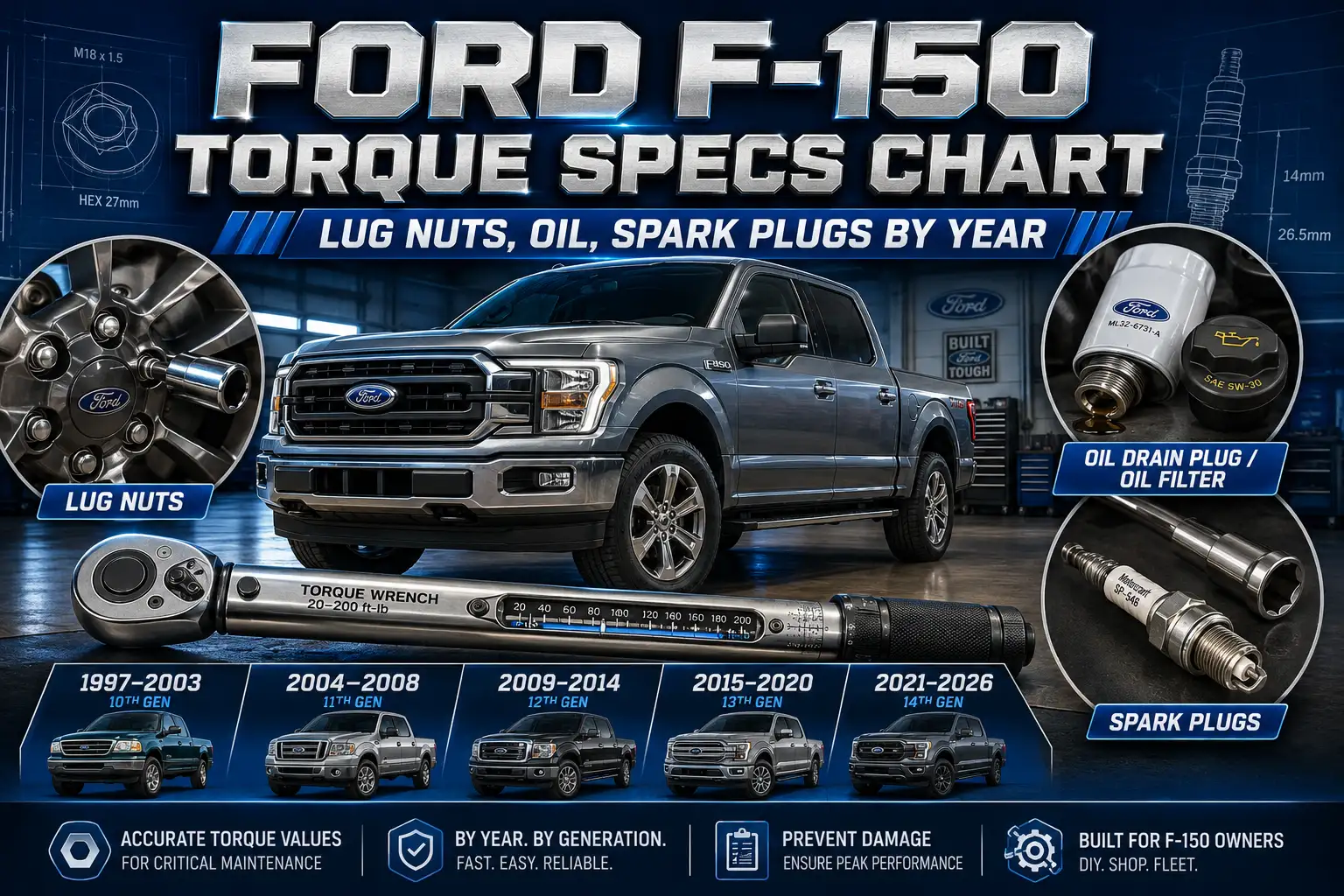
This chart pulls together every major torque spec F-150 owners search for, organized by generation and engine, with the source noted for each. Where sources genuinely disagree, that’s flagged too, so you can double-check the number against your own truck’s manual before you pick up a wrench.

Prime for Young Adults — 6 Months Free
Students and 18–24s get six months of Prime free, then half price.
Start 6 Months Free As an Amazon Associate I earn from qualifying purchases.Start with the spec most owners need first: wheel torque, since it’s the one every F-150 owner eventually looks up.
Ford F-150 Torque Specs at a Glance
Current-generation figures. Scroll down for the full year-by-year table.
| Component | Year / Engine | lb-ft | Nm |
|---|---|---|---|
| Lug nuts | 1997-1999, 12mm | 100 | 133 |
| Lug nuts | 2000-2014, 14mm (2.0 pitch) | 150 | 200 |
| Lug nuts | 2015-2026, 14mm (1.5 pitch) | 150 | 200 |
| Oil drain plug | 3.5L EcoBoost, 2009-2014 | 17 | 23 |
| Oil drain plug | 3.5L EcoBoost, 2020+ | 19 | 26 |
| Oil drain plug | 5.4L V8 | ~10 | ~14 |
| Spark plugs | EcoBoost / 5.0L, 2009-2014 | ~8.8 | ~12 |
| Spark plugs | EcoBoost / 5.0L, later gen | ~11 | ~15 |
| Rear differential cover | All years, 8.8 / 9.75 / 10.25 axle | 33 | 45 |
| Cam phaser bolts | 5.4L 3V | 30 | 41 |
| Cam cap bolts | 5.4L 3V, 2005-era | 7.4 | 10 |
Ford F-150 Lug Nut Torque by Year: 1997-2026
Recommended Best Deal Products
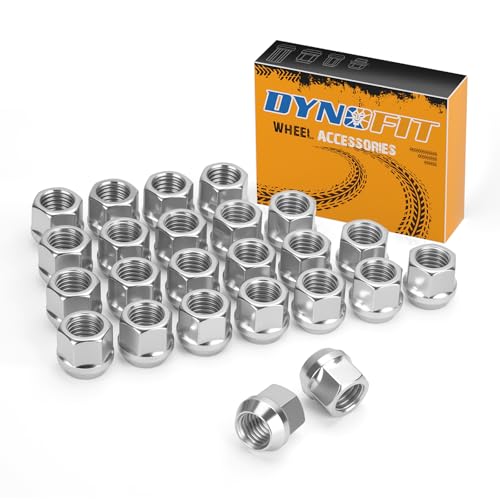


Every F-150 built since November 1999 (excluding early 7-lug and 7700 payload package trucks) uses a version of the 14mm wheel stud. Before that changeover, the truck ran smaller 12mm studs with a lower torque spec. The torque value itself hasn’t changed since the switch to 14mm studs, holding steady at 150 lb-ft. What changed is the thread pitch, which shifted again in 2015, and using the wrong lug nut on the wrong pitch will strip the stud.
| Model Years | Stud Size | Thread Pitch | Torque | Socket |
|---|---|---|---|---|
| 1997-1999 | 12mm | 1.75 (coarse) | 100 lb-ft (133 Nm) | 19mm |
| 2000-2003 (standard) | 14mm | 2.0 (coarse) | 150 lb-ft (200 Nm) | 21mm |
| 2000-2003 (7-lug / 7700 package) | 12mm | 1.75 (coarse) | 100 lb-ft (133 Nm) | 19mm |
| 2004 Heritage / 2004-2014 | 14mm | 2.0 (coarse) | 150 lb-ft (200 Nm) | 21mm |
| 2015-2026 | 14mm | 1.5 (fine) | 150 lb-ft (200 Nm) | 21mm |
A Ford technical service bulletin covering the changeover is explicit about this: trucks built on or after November 27, 1999 (excluding 7-lug and 7700 payload trucks) moved from 12mm to 14mm studs, with the 14mm spec set at 150 lb-ft and the 12mm spec remaining at 100 lb-ft. The second thread pitch change, from 14mm x 2.0 to 14mm x 1.5, happened at the 2015 model year when the F-150 switched to an aluminum body. Our Ford Bolt Pattern Chart covers this pitch change in more depth if you’re also sourcing new wheels or lug nuts.
Tighten in a star pattern, not a circle, and re-torque after 50 to 100 miles on any new wheel installation. This applies across every generation.
Once the wheels are torqued correctly, the next most common DIY job is an oil change, and that spec varies more than most owners expect.
F-150 Oil Drain Plug Torque: 5.0L, 3.5L EcoBoost, and 5.4L V8
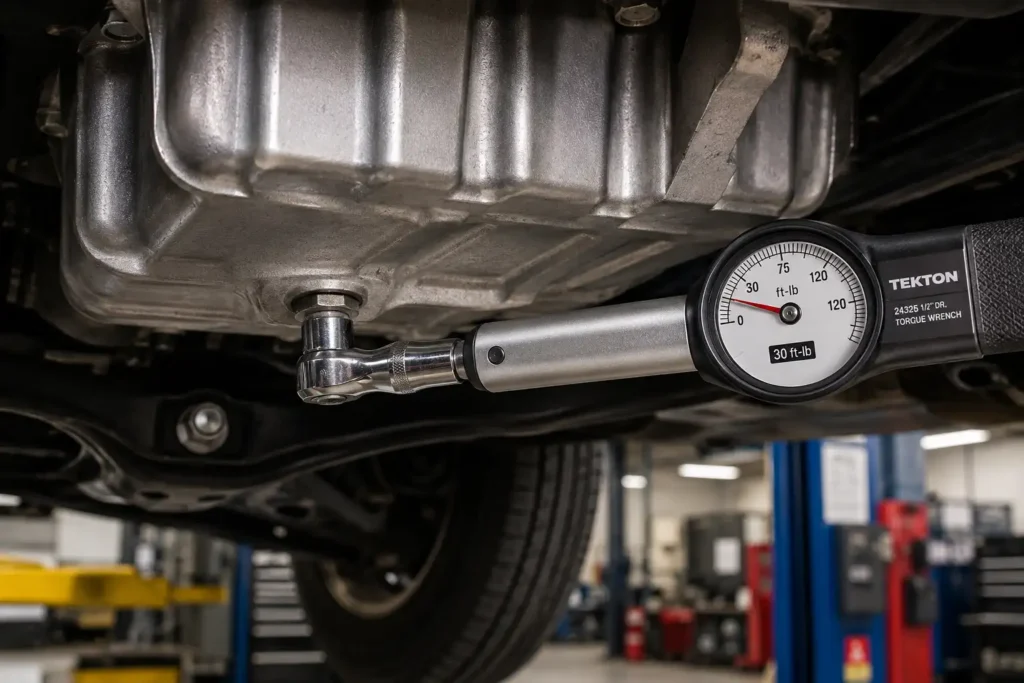
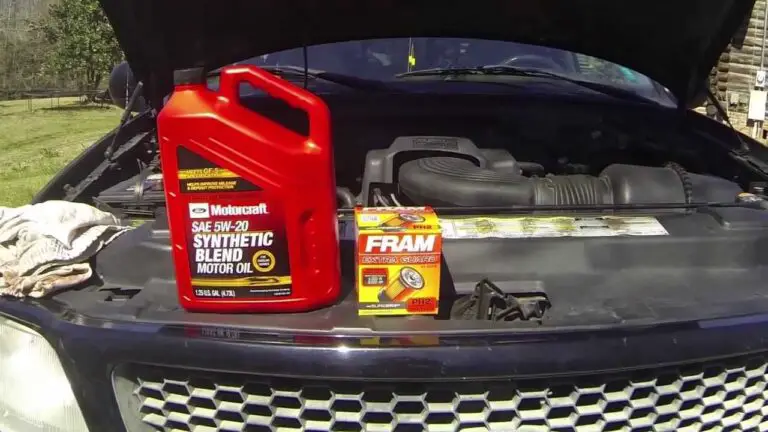
This is the spec with the most conflicting numbers floating around forums, and getting it wrong on an aluminum oil pan means a cracked pan or stripped threads instead of a routine oil change.
| Engine / Years | Drain Plug Torque | Source Type | Notes |
|---|---|---|---|
| 3.5L EcoBoost, 2009-2014 | 17 lb-ft (23 Nm) | Owner-quoted factory service manual figures | Aluminum pan, use a new crush washer |
| 3.5L EcoBoost, 2020+ | 19 lb-ft (26 Nm) | Owner-quoted factory service manual figures | Aluminum pan |
| 3.5L EcoBoost, general forum range | 18-22 lb-ft | Dealer service advisor / repair-shop estimates | Wide, range; treat 17-19 lb-ft as the safer target |
| 5.4L modular V8 (1997-2010) | Approximately 10 lb-ft | Forum consensus, low confidence | Notably lower than most owners assume; do not apply EcoBoost torque here |
| 6.7L Powerstroke diesel | Not independently verified | N/A |
The 3.5L EcoBoost figure genuinely differs between the 2009-2014 generation (17 lb-ft) and 2020-and-later trucks (19 lb-ft) in the sources available, and the 2015-2019 span isn’t independently confirmed. Individual dealer and owner reports for this same plug range as high as 30 lb-ft, which is likely over-spec for an aluminum pan.

Audible — Listen Free for 30 Days
One free credit a month and thousands of titles included.
Listen Free for 30 Days As an Amazon Associate I earn from qualifying purchases.Check the specific figure in your VIN’s factory service manual through motorcraftservice.com rather than relying on a single forum number, since a stripped aluminum drain plug boss is one of the more expensive mistakes on this engine. For the correct oil volume alongside the drain plug spec, see our Ford F-150 5.0L oil capacity guide.
Spark plugs carry a similarly wide range of shop numbers online. Here’s the figure that’s best supported across sources.
F-150 Spark Plug Torque Specs: 3.5L EcoBoost vs 5.0L vs 5.4L
Recommended Best Deal Products
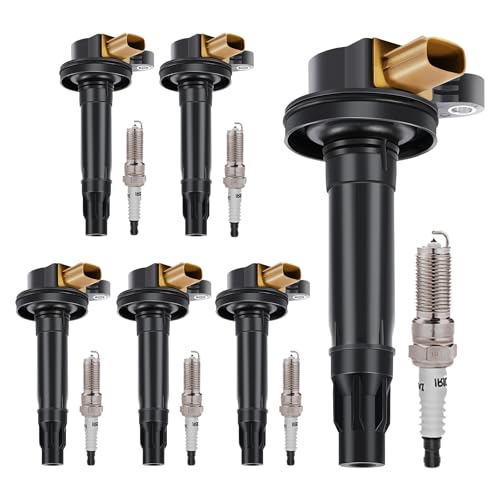


Over-torquing spark plugs is one of the more common thread-stripping mistakes on this truck, especially on the aluminum cylinder heads used since the 3.5L EcoBoost and 5.0L Coyote arrived.
| Engine / Years | Spark Plug Torque | Notes |
|---|---|---|
| 3.5L EcoBoost / 5.0L, 2009-2014 | Approximately 8.8 lb-ft (106 in-lb / 12 Nm) | Owner-quoted factory service manual figure |
| 3.5L EcoBoost / 5.0L, later generation | Approximately 11 lb-ft (133 in-lb) | Strong forum consensus across multiple independent threads |
| 3.5L EcoBoost / 5.0L, 2022+ redesigned plug (Motorcraft SP596) | Approximately 18 lb-ft | |
| 5.4L modular V8 (1997-2010) | 7.2-11 lb-ft | Range reflects Motorcraft SP-509-X packaging guidance; verify against your specific year |
Ford redesigned the spark plug itself for 2022-and-later trucks, moving to a washer-seat design (Motorcraft SP596) instead of the older tapered seat. That’s a different plug with a different torque spec, not just an updated part number, so don’t apply the older 11 lb-ft figure to a 2022+ truck without confirming which plug is actually installed.
Beyond the engine bay, two drivetrain components round out the specs F-150 owners search for most: the rear differential cover and the 5.4L 3V cam phaser hardware.
F-150 Differential Cover and Cam Phaser Torque Specs
Rear differential cover: 33 lb-ft (45 Nm) across the 8.8, 9.75, and 10.25-inch rear axles used on the F-150. This figure is well corroborated, appearing identically in a 2007 factory workshop manual reference and confirmed independently against both a 2010 truck with a 9.75-inch axle and a 2022 truck with an 8.8-inch axle. Clean the mating surfaces, use RTV sealant or a new gasket, and tighten in a crisscross pattern.
5.4L 3V cam phaser hardware: Cam phaser retaining bolts torque to 30 lb-ft, and the cam cap bolts on a 2005-era 5.4L 3V torque to 89 in-lb. If you’re working through a full cam phaser job on this engine, our 5.4 3V Cam Phaser Torque Specs guide breaks down every bolt in the job, not just the two figures above.
The 3.5L EcoBoost uses a different cam phaser design entirely. If that’s the engine you’re working on, see our 3.5 EcoBoost Cam Phaser Replacement Guide for the complete procedure rather than assuming the 5.4L numbers above apply.
Here’s every spec from this guide in one table.
Ford F-150 Torque Spec Chart: All Components at a Glance
Recommended Best Deal Products


| Component | Year / Engine | Torque (lb-ft) | Torque (Nm) |
|---|---|---|---|
| Lug nuts | 1997-1999, 12mm | 100 | 133 |
| Lug nuts | 2000-2014, 14mm (2.0 pitch) | 150 | 200 |
| Lug nuts | 2015-2026, 14mm (1.5 pitch) | 150 | 200 |
| Oil drain plug | 3.5L EcoBoost, 2009-2014 | 17 | 23 |
| Oil drain plug | 3.5L EcoBoost, 2020+ | 19 | 26 |
| Oil drain plug | 5.4L V8 | ~10 | ~14 |
| Spark plugs | 3.5L EcoBoost / 5.0L, 2009-2014 | ~8.8 | ~12 |
| Spark plugs | 3.5L EcoBoost / 5.0L, later gen | ~11 | ~15 |
| Rear differential cover | All years, 8.8 / 9.75 / 10.25 axle | 33 | 45 |
| Cam phaser bolts | 5.4L 3V | 30 | 41 |
| Cam cap bolts | 5.4L 3V, 2005-era | 7.4 (89 in-lb) | 10 |
A few questions come up often enough that they deserve direct answers.
Audible Premium Plus — Annual Membership
12 audiobook credits up front, plus the full Audible catalogue.
See Annual Plans As an Amazon Associate I earn from qualifying purchases.Ford F-150 Torque Spec FAQ
What is the torque spec for Ford F-150 lug nuts?
150 lb-ft for every truck with 14mm wheel studs, which covers 2000-2026 models with a handful of exceptions on early 7-lug and 7700 payload trucks. Pre-2000 and those exception trucks use 12mm studs at 100 lb-ft.
How tight should the oil drain plug be on a 3.5L EcoBoost F-150?
Factory service manual figures put it at 17 lb-ft for 2009-2014 trucks and 19 lb-ft for 2020-and-later trucks. Treat anything above 22 lb-ft as risky on this aluminum pan.
What happens if you over-torque F-150 spark plugs?
Over-torquing can strip the aluminum cylinder head threads, turning a routine plug swap into a head repair. Stick to roughly 11 lb-ft on later-generation EcoBoost and 5.0L engines, and confirm the spec if your truck has the 2022+ redesigned plug.
Do all F-150 model years use the same lug nut torque?
No single answer covers every generation. The torque value has held at 150 lb-ft since the 2000 changeover to 14mm studs, but the thread pitch changed again in 2015. Always match the lug nut to your truck’s specific stud pitch, not just the torque number.
What torque wrench should I use for F-150 maintenance?
A click-style torque wrench covering roughly 10 to 150 lb-ft handles every spec in this guide, from spark plugs at the low end to lug nuts at the high end. A second, lower-range wrench (0-25 lb-ft) gives finer control for spark plugs and drain plugs if you do a lot of your own maintenance.
Get the Right Torque Every Time on Your F-150
Lug nuts hold steady at 150 lb-ft on every F-150 since 2000, spark plugs run around 11 lb-ft on later EcoBoost and 5.0L engines, and the oil drain plug is the one spot where you genuinely need to check your specific model year rather than trust a single number off a forum. The differential cover, at a well-confirmed 33 lb-ft, is one of the more reliable specs in this guide.
Use a calibrated torque wrench for all of it. “Snug plus a quarter turn” works for some mechanics with decades of feel, but it’s the fastest way to strip an aluminum drain plug or crack a cylinder head on a truck you’re still paying off.