Best Ford 6.0 EGR Cooler Delete Kits: 2003-2007 Guide

The most important step in selecting a Ford 6.0 EGR cooler delete kit is identifying whether your truck requires the round 2003-2004 style or the square 2005-2007 design. Installing a high-quality kit effectively eliminates the risk of internal coolant leaks and prevents catastrophic oil cooler failure, though these products are strictly for off-road use.
🎯 Key Takeaways
Recommended Best Deal Products


- Match your kit to the engine year:2003-04 (round) vs 2005-07 (square).
- Prioritize kits with stainless steel up-pipes to prevent future exhaust leaks.
- A delete kit requires a custom tuner to prevent check engine lights.
- Replacing the oil cooler simultaneously is highly recommended for engine longevity.
- Select kits featuring Viton O-rings for superior heat and chemical resistance.
If you are tired of dealing with white smoke, coolant loss, and the constant threat of head gasket failure, choosing the right Ford 6.0 EGR cooler delete kit is the single most important reliability upgrade you can perform. For most owners, the BulletProof Diesel heavy-duty cooler or the Sinister Diesel delete kit represent the gold standards in the industry. These kits effectively remove the factory’s weak link—the thin-walled internal cooling fins—allowing your Powerstroke to breathe cleaner air and maintain stable operating temperatures.

Prime for Young Adults — 6 Months Free
Students and 18–24s get six months of Prime free, then half price.
Start 6 Months Free As an Amazon Associate I earn from qualifying purchases.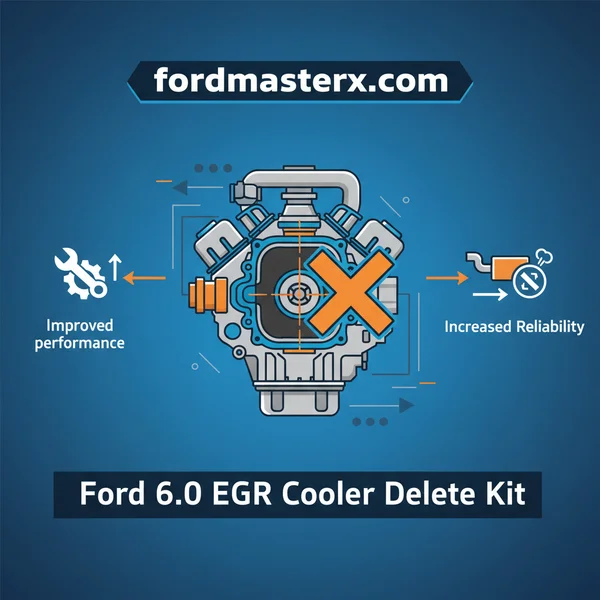
Getting this right matters because the 6.0L engine is notorious for EGR “clogging” or rupturing. When the factory cooler fails, it sends coolant directly into the intake manifold, which can lead to catastrophic hydro-locking of your engine. By selecting a high-quality kit from a reputable brand today, you are not just fixing a part; you are bulletproofing the long-term health of your truck and ensuring it stays on the road instead of in the shop for a $5,000 top-end rebuild.
Top Rated 6.0 Powerstroke EGR Delete Kits and Brand Comparisons
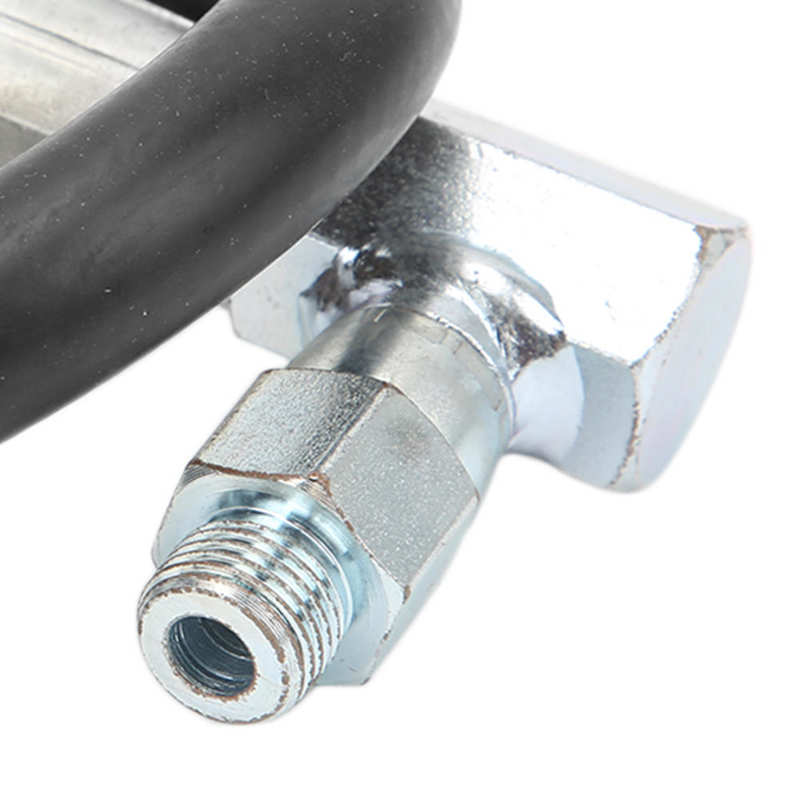
When you start shopping, you will notice a wide price gap between premium brands and “no-name” eBay kits. In the world of 6.0 Powerstrokes, you get exactly what you pay for. Choosing a kit with high-grade T304 stainless steel and precision CNC-machined components is essential to prevent future leaks at the mounting points.
The Premium Choice: BulletProof Diesel
BulletProof Diesel takes a unique approach. While technically a “bypass” or “upgraded cooler” rather than a total delete in some configurations, their hardware is the industry benchmark. They replace the failure-prone radiator-style fins with thick-walled stainless steel tubes. This is the best option if you want to maintain a factory-like appearance while gaining 100% reliability.
- Price Point: $350 – $450
- Best For: Owners who want the most durable solution on the market and prefer a “set it and forget it” installation.
- Key Feature: Lifetime warranty and heavy-duty internal construction that cannot rupture like the OEM part.
The Performance Leader: Sinister Diesel
Sinister Diesel is arguably the most recognizable name in the 6.0 world. Their signature “Sinister Blue” anodized components look great under the hood, but they offer performance benefits as well. Their kits are designed to completely remove the cooler, which recirculates exhaust gasses more efficiently and lowers EGTs (Exhaust Gas Temperatures).
- Price Point: $200 – $300
- Best For: Performance-minded drivers who want a complete delete and improved engine bay aesthetics.
- Key Feature: Fully TIG welded and pressure tested to ensure zero leaks under high boost levels.
The Value Option: XDP (Xtreme Diesel Performance)
If you are on a budget but refuse to sacrifice quality for a cheap knock-off, XDP offers a middle-ground solution. Their kits include all the necessary gaskets and hardware, focusing on functional reliability without the “brand name” markup of Sinister or BulletProof.
- Price Point: $150 – $220
- Best For: Daily drivers looking for a solid, no-frills hardware solution.
- Key Feature: Includes high-quality Viton O-rings which are much more heat-resistant than standard rubber seals.
Fitment Guide: Distinguishing Between 2003-2004 and 2005-2007 Models
Recommended Best Deal Products

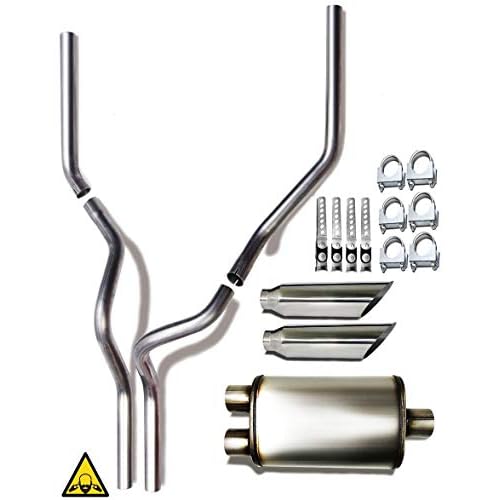

One of the most common mistakes owners make is ordering a kit that does not match their specific engine build. The Ford 6.0L underwent a significant design change midway through the 2004 model year. If you buy a 2005 kit for a 2003 truck, the intake manifold connection will not line up, and you will be stuck with a disassembled engine and the wrong parts.
The Early 6.0L: 2003 to Early 2004
The early models are easily identified by their Round EGR Cooler. These engines typically have a build date before 9/22/2003. The round cooler design is actually slightly more robust than the later version, but it still suffers from clogging issues. When shopping for these trucks, ensure the kit specifies “Round Style” or “Early 2004” fitment.
- Visual Check: Look for a cylindrical, pipe-like cooler sitting beneath the intake manifold.
- Build Date: Check the sticker on the driver-side door jamb for a manufacture date in 2003.
- ICP Sensor Location: On these early models, the Injection Control Pressure (ICP) sensor is located on the HPOP cover at the back of the engine.
The Late 6.0L: Late 2004 to 2007
Starting in late 2004, Ford switched to a Square (Rectangular) EGR Cooler. This design is significantly more prone to failure because the internal cooling passageways are much smaller and more restrictive. If your truck was built after 9/22/2003, you almost certainly have the square style.
- Visual Check: The cooler will have a flat, rectangular box shape.
- Compatibility: These kits are generally interchangeable between the 2005, 2006, and 2007 model years.
- Critical Note: 2004 is a “crossover” year. Always verify your engine’s physical cooler shape before clicking “buy” to avoid shipping delays.
Regardless of which year you own, ensure the kit you choose includes a new intake manifold gasket and a new turbo hardware kit. You will have to pull the turbocharger to access the EGR cooler, and reusing old bolts or gaskets in this high-heat area is a recipe for exhaust leaks and lost boost pressure.

Audible — Listen Free for 30 Days
One free credit a month and thousands of titles included.
Listen Free for 30 Days As an Amazon Associate I earn from qualifying purchases.Essential Hardware: What Should Be Included in a High-Quality Kit
When you start shopping for a Ford 6.0 EGR delete kit, you will notice that prices vary wildly. The difference usually comes down to the quality of the hardware included. A high-quality kit is more than just a pipe and a plug; it is a collection of precision-engineered components designed to withstand the extreme heat and pressure under the hood of a Powerstroke engine.
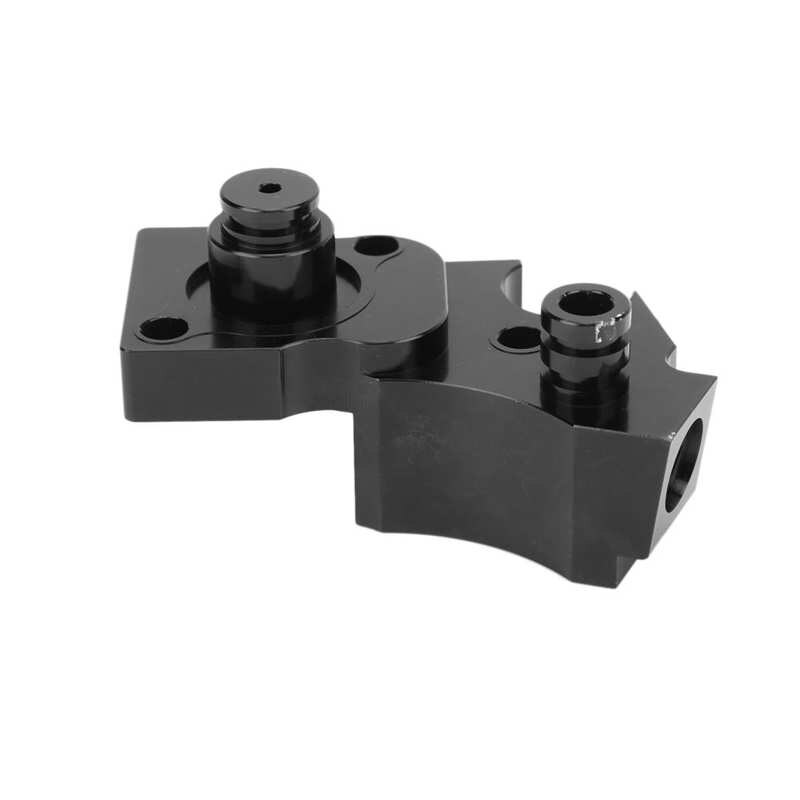
The Importance of Mandrel-Bent Uppipes
One of the most critical components in a delete kit is the exhaust uppipe. Lower-end kits often use standard bends that can restrict exhaust flow or, worse, develop cracks at the stress points over time. High-quality kits feature 304 stainless steel pipes that are mandrel-bent. This process ensures the pipe maintains a consistent diameter throughout the curve, allowing for maximum flow and reducing backpressure. Look for kits that use TIG-welded joints, as these provide the cleanest and strongest bonds possible for long-term durability.
Gaskets and Seals: Don’t Settle for Generic
The 6.0 engine is notorious for its sensitivity to leaks. The seals included in your kit are the frontline defense against coolant loss and exhaust leaks. Premium kits often include OEM-grade Viton O-rings and high-temperature silicone hoses. These materials are specifically designed to resist degradation from oil and extreme thermal cycling. When evaluating a kit, check if it includes:
- CNC-Machined Billet Plates: These provide a perfectly flat surface for a leak-free seal against the intake manifold.
- High-Pressure Coolant Hoses: Usually reinforced with silicone to prevent bursting under heavy load.
- Zinc-Plated Hardware: To prevent corrosion and seizing, especially if you live in a “salt belt” state.
- Replacement Gaskets: A complete kit should include the intake manifold gaskets and turbo hardware, so you aren’t stuck running to the parts store mid-install.
Cost vs. Performance: Evaluating Premium vs. Budget Delete Options
Recommended Best Deal Products


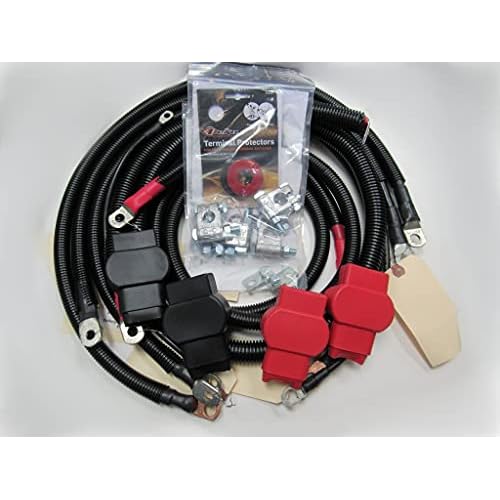
It is tempting to grab the cheapest kit available on an auction site, but with the 6.0 Powerstroke, “cheap” often leads to expensive repairs down the road. Evaluating a kit based on its long-term performance rather than its initial price tag is essential for any truck owner who plans on keeping their vehicle for several years.
Why Cheap Kits Often Fail
Budget kits typically cut corners on material thickness and machining tolerances. A common issue with “no-name” kits is thin-walled piping that can warp under the intense heat of the exhaust manifold. If the block-off plate isn’t perfectly flat, you will likely experience a persistent “hissing” sound or a slow coolant leak. Furthermore, cheap rubber O-rings can brittle and crack within months, forcing you to tear the top end of your engine down all over again to fix a $2 part. Investing an extra $100 upfront can save you hundreds in labor or a full day of frustration in the driveway.
Investing in Longevity
Premium kits from established brands are designed as “one and done” solutions. They are engineered to match the thermal expansion rates of your engine components, which prevents seals from backing out. Many of these top-tier kits also come with lifetime warranties, providing peace of mind that the manufacturer stands behind their craftsmanship. When comparing options, consider these three price brackets:
- Budget ($50–$100): Usually just basic pipes and plates. Risk of poor fitment and low-grade seals is high.
- Mid-Range ($120–$250): Often includes stainless steel construction and better gaskets. These are generally the “sweet spot” for most daily drivers.
- Premium ($300+): These often include “Full Solution” items, such as updated oil cooler screens, “Blue Spring” fuel pressure kits, and comprehensive gasket sets for a total top-end refresh.
Conclusion
Selecting the right Ford 6.0 EGR cooler delete kit is about more than just removing a problematic part; it is about reinforcing your engine for the long haul. By prioritizing high-quality materials like 304 stainless steel and CNC-machined components, you ensure that your Powerstroke remains reliable under any towing or driving condition. Remember that the “best” kit is the one that fits perfectly the first time and never requires a second thought.
Next Steps: Before you purchase, double-check your truck’s build date (2003 vs. late 2004-2007) to ensure kit compatibility. Additionally, make sure you have a compatible tuner ready to handle the software side of the delete. Ready to give your 6.0 the reliability it deserves? Start by auditing your engine’s current coolant temperatures to see just how much an upgrade could help your performance today!
❓ Frequently Asked Questions
How do I know if I need the 2003-2004 or the 2005-2007 kit?
Visually inspect your cooler: early models have a cylindrical round body, while later models feature a larger, rectangular square body. You can also verify your build date or engine serial number with a Ford dealer to ensure a 100% fitment match.
What is the difference between a delete kit and a bulletproof cooler?
A delete kit completely removes the cooler and blocks exhaust flow, whereas a ‘bulletproof’ cooler is a heavy-duty replacement that keeps the EGR system functional. Deletes are often preferred for maximum reliability in off-road settings, while upgraded coolers are used to remain emissions-compliant.
Audible Premium Plus — Annual Membership
12 audiobook credits up front, plus the full Audible catalogue.
See Annual Plans As an Amazon Associate I earn from qualifying purchases.Why is it recommended to replace the oil cooler alongside the EGR delete?
The oil cooler is usually the root cause of EGR failure; when it clogs, it restricts coolant flow to the EGR cooler, causing it to overheat and rupture. Replacing both at the same time is cost-effective labor-wise and ensures the entire cooling system is refreshed.
What symptoms indicate a failing 6.0 EGR cooler?
Common symptoms include ‘puking’ coolant from the degas bottle, sweet-smelling white smoke from the exhaust, and unexplained coolant loss. If you notice these signs, the cooler has likely internaly ruptured, risking severe engine damage.
Is it worth buying a cheap $50 delete kit from online marketplaces?
Budget kits often use inferior gaskets and thin-walled tubing that can warp under high heat, leading to exhaust leaks. Investing in a reputable brand like Sinister Diesel or IPR ensures CNC-machined components and high-grade Viton seals that can withstand diesel operating temperatures.
Do I need a special tuner after installing an EGR delete kit?
Yes, because the ECU monitors EGR flow, removing the cooler will put the truck into a ‘limp mode’ or cause a permanent CEL. You will need a programmer, such as an SCT or Hydra with custom ‘EGR-off’ tuning, to keep the engine running correctly.