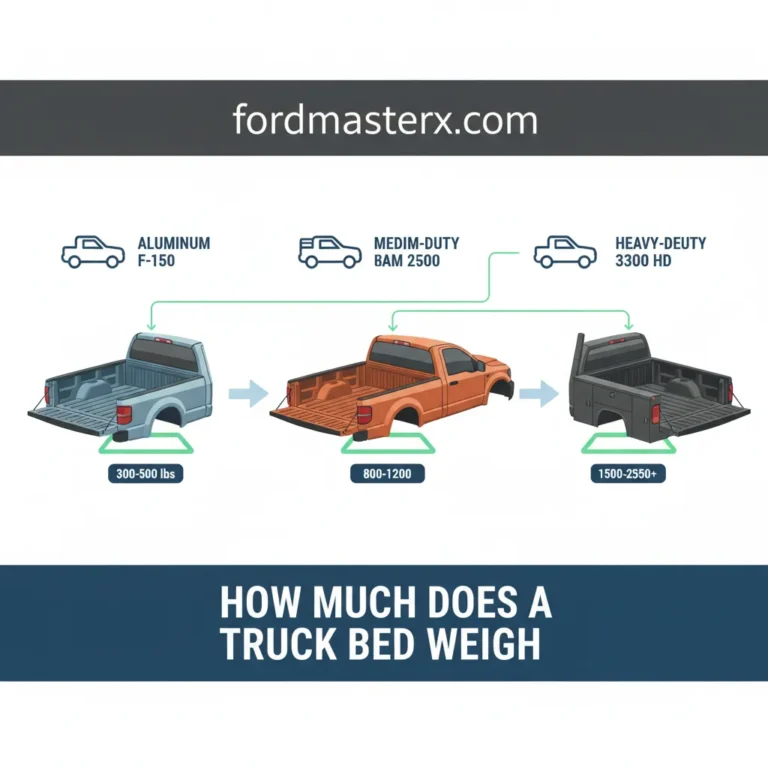
5 Best Flush Mount Truck Tool Boxes: Reviews & Fitment

Flush mount truck tool boxes are the ultimate solution for secure storage that fits completely below the bed rails, allowing for seamless compatibility with tonneau covers. This guide reviews the best low-profile chest boxes based on material durability, locking mechanisms, and exact dimensions to ensure a perfect fit between your wheel wells.
🎯 Key Takeaways
Recommended Best Deal Products


- Measure distance between wheel wells before purchasing an in-bed chest box.
- Flush mount boxes are essential for use with folding or roll-up tonneau covers.
- Choose diamond plate aluminum for a rust-proof, lightweight storage solution.
- Check box height against bed depth to ensure total rail clearance.
- Look for stainless steel paddle latches to ensure maximum tool security.
To keep your truck bed looking sleek while utilizing a tonneau cover, you need a flush-mount chest that sits entirely below the bed rails. Most standard tool boxes overlap the rails, which prevents folding or rolling covers from latching correctly. The models featured below are designed to sit on the floor of your bed, providing clearance for everything from hard-shell trifolds to retractable covers. This setup allows you to secure your high-value tools out of sight without sacrificing the aerodynamics or utility of a covered bed.
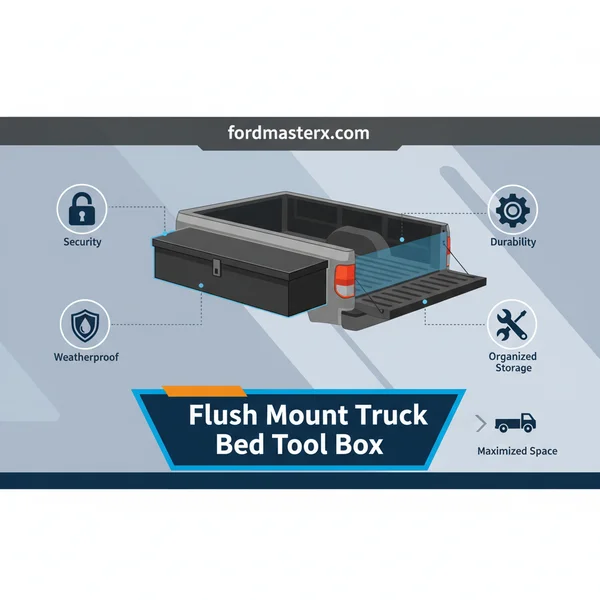
Practically, this means you can haul long lumber or sheets of plywood on top of the box while the tonneau cover protects the contents from the elements. Because these boxes don’t hang from the rails, they also reduce the stress on your truck’s sheet metal. We have analyzed the leading chests on the market to determine which provide the best combination of interior volume and rail clearance, specifically for modern Ford, Chevy, and RAM beds which often feature high walls but narrow wheel well spacing.

Prime for Young Adults — 6 Months Free
Students and 18–24s get six months of Prime free, then half price.
Start 6 Months Free As an Amazon Associate I earn from qualifying purchases.Top Rated Flush Mount Tool Boxes for Maximum Tonneau Clearance
When selecting a flush mount box, the critical measurement is the total height of the unit compared to your bed depth. Most modern full-size trucks have a bed depth of 21 inches, making a 19-inch chest the ideal choice for clearance. These two models represent the gold standard for fitment under a cover.

Weather Guard 164-0-01 All-Purpose Chest
The Weather Guard 164-0-01 is widely considered the benchmark for low-profile storage. Its primary advantage is the offset lid hinge. Unlike cheap chests that require a 3-inch gap between the box and the truck cab to open the lid, this model can be pushed almost flush against the front of the bed. This saves valuable floor space for other gear.
- Height: 19.25 inches (fits comfortably under most tonneau tracks).
- Width: 47 inches (fits between the wheel wells of all full-size pickups).
- Fitment Note: Ideal for F-150 and Silverado 1500 owners using BAKFlip or Gator folding covers.
- Lid Opening: Full 90-degree opening even when mounted close to the cab wall.
UWS Aluminum Blue Label Chest (Secure Lock Series)
The UWS Secure Lock series is a favorite for those who need a slightly more compact footprint. This chest sits lower than the Weather Guard, often leaving over two inches of air between the box lid and the bottom of your tonneau cover. It utilizes a 0.063-inch aluminum construction that keeps the weight down, preventing your rear suspension from sagging under the weight of the box alone.
- Low Profile Design: The beveled bottom allows it to fit around wheel well humps in short-bed trucks.
- Dimensions: 48 inches long by 24 inches wide, maximizing the “dead space” at the front of the bed.
- Seal Integrity: Uses a micro-cell weather stripping that compresses significantly when the tonneau cover is closed over it, preventing dust intrusion.
How to Install a Flush Mount Truck Bed Tool Box Like a Pro: A Practical Walkthrough
Recommended Best Deal Products
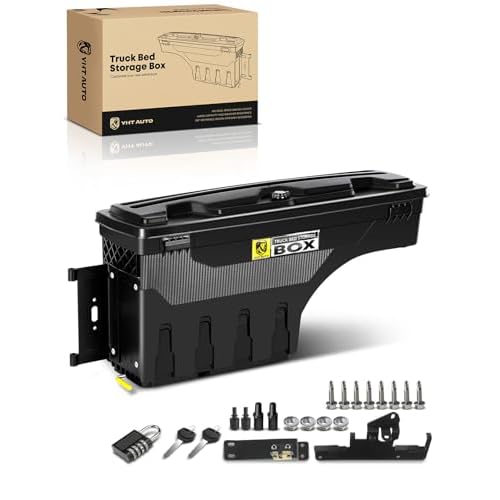


A flush mount truck bed tool box is the ultimate upgrade for truck owners who prioritize a sleek profile and the ability to use a tonneau cover alongside their storage. Unlike traditional over-the-rail boxes, a flush mount sits entirely inside the bed, resting on the floor or mounted to the sides without protruding above the rails. This guide covers the entire installation process, ensuring your box is secure, weather-tight, and perfectly aligned. Following these steps carefully is essential because an improperly installed tool box can vibrate, damage your truck’s finish, or even become a projectile in the event of a sudden stop. By the end of this walkthrough, you will have a professional-grade installation that maximizes your truck’s utility without sacrificing its aesthetic.
Step 1: Precise Measuring and Tool Inventory
What you need: A heavy-duty tape measure, a notepad, a level, and the manufacturer’s specification sheet for your chosen tool box.
Instructions: Before even purchasing or unboxing your tool box, you must verify the internal dimensions of your truck bed. Measure the distance between the wheel wells, as most flush mount boxes are designed to sit between them or just in front of them near the cab. Measure the depth of your bed from the floor to the top of the bed rails; a true flush mount box should be at least one inch shorter than this depth to allow for lid clearance. Additionally, measure the width of the bed at the floor level, as some beds taper toward the tailgate. Record these numbers and compare them to the tool box dimensions. Ensure you have a clear workspace and that all hardware (bolts, washers, rubber grommets) included in the kit is present and accounted for.
Pro Tip: Don’t forget to account for bed liners. A thick drop-in plastic liner can reduce your internal width by up to two inches, which might prevent a “perfect fit” box from dropping into place.
Step 2: Bed Preparation and Clearing
What you need: Shop vacuum, degreaser or mild soap, microfiber towels, and moving blankets.
Instructions: Start with a clean slate. Remove any debris, gravel, or dirt from the truck bed using a shop vacuum. If you have a spray-in bed liner, check for high spots or uneven textures where the box will sit. Clean the area thoroughly with a degreaser to ensure that any adhesive seals or rubber mats you apply later will bond correctly. Lay down moving blankets or heavy cardboard across the bed floor. This allows you to slide the heavy metal tool box into position without scratching the paint or the powder coat on the bottom of the box. If you are working alone, this also makes it much easier to pivot the box into the correct orientation near the bulkhead.

Audible — Listen Free for 30 Days
One free credit a month and thousands of titles included.
Listen Free for 30 Days As an Amazon Associate I earn from qualifying purchases.Pro Tip: If your truck has a rear sliding window, ensure there is at least a 2-inch gap between the box and the front of the bed to prevent the box from vibrating against the glass during transit.
Step 3: Initial Test Fit and Alignment
What you need: The tool box and a second set of hands for lifting.
Instructions: With the help of a partner, lift the tool box and carefully place it into the bed. Position it against the bulkhead (the wall closest to the cab). Check for “flushness” by laying a straightedge or a level across the bed rails; the box should sit entirely below this line. Open the lid of the tool box slowly to its maximum height. You need to ensure that the hinge mechanism does not strike the bulkhead and that the lid does not hit the rear window or the top edge of the bed rails. If the lid hits the cab, you will need to slide the box an inch or two toward the tailgate. Once satisfied with the position, center the box horizontally between the wheel wells using your tape measure to ensure the gap on the left and right sides is identical.
Pro Tip: Use a piece of painter’s tape on the bed floor to mark the exact corners of the box once you find the “sweet spot.” This makes it easy to reposition if the box shifts during the next steps.
Step 4: Marking and Clearing the Drill Zones
What you need: A permanent marker or center punch, a flashlight, and a creeper or floor mat for working under the truck.
Instructions: Most flush mount boxes are secured through the floor of the truck bed. Inside the box, identify the pre-drilled mounting holes (or mark where you intend to drill if the box is blank). Before you mark the bed, you must go underneath the vehicle. Use a flashlight to inspect the area directly beneath your intended drill sites. You are looking for fuel lines, brake lines, electrical wiring looms, and the fuel tank itself. If a drill site is obstructed, you must adjust the mounting location. Once you are 100% certain the “drop zone” is clear, return to the bed and use a center punch to create a divot in the metal bed floor through the mounting holes. This prevents the drill bit from “walking” and scratching your bed.
Pro Tip: If you find that the fuel tank is directly under your ideal mounting point, consider using a “J-bolt” style mounting system that hooks into the bed’s tie-down points instead of drilling into the floor.
Step 5: Drilling and Corrosion Prevention
What you need: Power drill, cobalt drill bits (start with 1/8″, finish with 3/8″ or 1/2″ per hardware specs), touch-up paint or cold galvanizing spray, and safety glasses.
Instructions: Put on your safety glasses. Begin by drilling a small pilot hole at each marked location using the 1/8″ bit. This requires less pressure and provides more control. Once the pilot holes are through, switch to the final size bit. Drill at a steady, medium speed; high speeds can overheat the bit and harden the metal, making it harder to cut. After the holes are drilled, vacuum up all metal shavings immediately, as these will rust and stain your bed. The most critical part of this step is sealing the raw metal edges of the holes. Use a Q-tip to apply automotive touch-up paint or a zinc-rich cold galvanizing spray to the inside of the holes. This prevents the “cancerous” spread of rust under your tool box over the coming years.
Pro Tip: For aluminum-bodied trucks (like newer Ford F-150s), use a specialized barrier like Tef-Gel or nylon washers to prevent galvanic corrosion between the steel hardware and the aluminum bed.
Audible Premium Plus — Annual Membership
12 audiobook credits up front, plus the full Audible catalogue.
See Annual Plans As an Amazon Associate I earn from qualifying purchases.Step 6: Installing Seals and Mounting Hardware
What you need: Rubber mounting pads or weather stripping, mounting bolts, oversized fender washers, and locking nuts.
Instructions: To prevent the tool box from rattling and to protect the bed surface, apply thick rubber strips or a custom-cut rubber mat to the bottom of the tool box where it contacts the bed. Alternatively, place rubber grommets over the holes you drilled. Slide the tool box back into its marked position, aligning its holes with the holes in the bed. Insert the bolts from the inside of the box, pushing them down through the bed. From underneath the truck, slide an oversized fender washer and a locking nut onto each bolt. The fender washer is vital because it distributes the load across a larger surface area, preventing the bolt from pulling through the thin sheet metal of the bed during heavy vibrations or an impact.
Pro Tip: If you are worried about water intrusion, apply a small bead of 100% silicone sealant around the bolt head inside the box before pushing it through the hole.
Step 7: Final Torquing and Leveling
What you need: Socket wrench set, adjustable wrench, and a torque wrench (optional).
Instructions: Begin tightening the bolts. Do not tighten one bolt completely while the others are loose; instead, use a “crisscross” pattern similar to tightening lug nuts on a tire. This ensures the box is pulled down evenly against the rubber pads and prevents the box frame from warping. Tighten until the rubber pads are slightly compressed and the box feels rock-solid when you try to shake it. Be careful not to over-torque; the goal is a secure fit, not to crush the ridges of the truck bed floor. If you have a torque wrench, 15-20 ft-lbs is usually sufficient for standard mounting hardware. Once tightened, check the lid operation one last time to ensure that the slight compression of the box didn’t throw the latch alignment out of spec.
Pro Tip: If the lid is difficult to latch after tightening, the box might be slightly twisted. Loosen the bolts, shim one corner with an extra rubber washer, and re-tighten.
Step 8: Weatherproofing and Organization
What you need: Weather stripping (if not pre-installed), silicone lubricant, and your tools.
Instructions: Inspect the factory seal around the lid. If there are gaps, add a secondary layer of D-bulb weather stripping to ensure no moisture reaches your expensive tools. Spray a small amount of silicone lubricant into the lock cylinders and on the lid hinges to ensure smooth operation and to prevent freezing in winter months. Finally, load your tools into the box. Place heavier items toward the bottom and center to maintain a low center of gravity. If your box didn’t come with a sliding tray, consider adding foam inserts or magnetic strips to keep smaller items from sliding around and banging against the aluminum walls, which can be quite loud inside the cab while driving.
Pro Tip: Place a few silica gel desiccant packets inside the box. Flush mount boxes can trap humidity more easily than over-the-rail boxes, and these packets will help prevent your hand tools from developing surface rust.
✅ Final Checklist
- Verify that the lid opens and closes fully without striking the cab, rear window, or bed rails.
- Check that all mounting bolts are tightened to specification and the fender washers are flush against the underbody.
- Confirm that all raw metal drill holes have been treated with rust-preventative paint or primer.
- Test the locking mechanism with the key to ensure it engages smoothly and secures the lid tightly.
- Ensure the box is centered and level, with no visible gaps that would allow the box to shift during driving.
Important Notes:
- Safety Warning: Always double-check for fuel lines and electrical wires before drilling. A mistake here can be extremely dangerous and expensive to repair.
- Professional Help: If your truck has a complex bed-mounted power system (like Pro Power Onboard) or a composite bed (like some Tacomas), consult a professional to ensure your mounting points are structurally sound.
- Estimated Time: 1.5 to 3 hours depending on your experience level and the complexity of your truck bed.
- Estimated Cost: $300 – $800 for the tool box, plus $20 – $50 for additional hardware and corrosion protection materials.
Material Comparison: Heavy-Duty Steel vs. Corrosion-Resistant Aluminum
The material of your flush mount box dictates both its lifespan and how well it protects against forced entry. Since these boxes sit on the bed floor, they are more susceptible to moisture buildup from trapped rain or snow. Choosing the right material depends on your local climate and how much weight you are willing to add to your payload.

Gauge Thickness and Impact Resistance
Most professional-grade aluminum boxes use 0.063-inch diamond plate aluminum. This is the sweet spot for durability; it is thick enough to resist denting if a heavy wrench drops on it, but light enough to be removed by two people when you need the full bed. Aluminum is naturally resistant to rust, making it the superior choice for coastal areas or regions that use road salt in the winter.
Heavy-duty steel boxes, usually made from 14-gauge or 16-gauge steel, offer significantly higher security. A thief with a pry bar will have a much harder time bending the lid of a steel chest compared to an aluminum one. However, steel is significantly heavier—often weighing 50 to 80 pounds more than an equivalent aluminum box—and requires a high-quality powder coat to prevent oxidation at the weld points.
- Aluminum (.063″): Lightweight, rust-proof, easier on fuel economy.
- Steel (14-ga): Maximum security, higher impact resistance, requires maintenance of the finish.
- Structural Reinforcement: Look for “bolstered” lids that use internal ribs to prevent the top from bowing if you step on it.
Security Hardware and Weatherproofing
Since a flush mount box is hidden under a tonneau cover, it provides a “double layer” of security. However, the hardware on the box itself must be robust. Look for stainless steel paddle latches or rotary-style latches. Rotary latches are preferred because they pull the lid down tight against the seal, much like a car door latch, which is harder to pick or pry than a standard sliding bolt.
Weatherproofing is the final piece of the puzzle. Because flush mount boxes sit on the floor, they can sit in standing water if your bed drains are clogged. High-end boxes feature a raised base or “feet” that keep the floor of the box a fraction of an inch off the truck bed. Ensure the box uses a full-perimeter D-shaped rubber gasket rather than a simple foam strip. The D-shaped gasket creates a vacuum-like seal that keeps your power tools dry even during high-pressure car washes.
Crucial Dimensions: Measuring Depth and Width for Wheel Well Clearance
Recommended Best Deal Products


The biggest mistake most truck owners make is assuming “universal fit” means it will drop right in without a fight. Unlike over-the-rail boxes that sit on top of your bed sides, a flush mount truck bed tool box lives entirely inside the bed. This means you are competing for space with your wheel wells. If your measurements are off by even half an inch, you might find yourself with a box that sits crooked or, worse, won’t touch the floor of the bed.
The Wheel Well “Taper” Trap
Most modern truck beds are not perfect rectangles. They often taper toward the tailgate or have rounded wheel arch housings that eat into your floor space. When selecting a box, you need to measure the distance between the wheel wells specifically. Many high-capacity chests are designed to fit “full-size” trucks, but if you have a mid-size pickup like a Tacoma or Colorado, a standard 60-inch box simply won’t fit between those arches. Always check the bottom width of the tool box, as some manufacturers taper the bottom of the chest to help it clear these obstacles.
Depth and Tonneau Cover Clearance
If the goal is a truly “flush” look, you must account for the height of the box relative to your bed rails. This is especially critical if you plan to install a tonneau cover later. To ensure a perfect fit, consider these specific measurement points:
- Floor-to-Rail Height: Measure from the lowest point of your bed ribs to the top of the bed side. Your tool box should be at least one inch shorter than this to clear a folding cover.
- Bulkhead Gap: Check for any bed liners or factory rail caps that might prevent the box from sitting flush against the cab-end of the bed.
- Bed Rib Clearance: Remember that some trucks have deep ridges in the floor; always measure from the highest ridge to ensure the lid doesn’t sit too high.
Security Features and Weatherproofing for In-Bed Storage Chests
Because a flush mount tool box sits lower in the bed, it is often less visible to thieves passing by. However, that doesn’t mean you should skimp on security. Since these boxes are often used to store expensive power tools, recovery gear, or camping equipment, the locking mechanism is your first line of defense. A high-quality in-bed chest should feel like a vault, not a tin can.
Locking Mechanisms That Actually Work
Look for boxes that feature stainless steel paddle handles or push-button locks. These are far more resistant to prying and “punching” than the cheap plastic latches found on entry-level models. Some premium flush mount boxes even feature “gear-lock” systems that pull the lid down tight with multiple contact points, making it nearly impossible to wedge a crowbar under the edge. If you frequently leave your truck in public lots, a dual-locking system—where both sides of the lid must be released—provides an extra layer of deterrence.
Keeping the Elements Out
Sitting inside the bed means your tool box will likely sit in standing water or be hit by road spray during a storm. Weatherproofing is non-negotiable. You want to look for a “full-perimeter” weather seal, ideally a thick EPDM rubber bulb seal rather than a simple foam strip. Foam tends to compress and degrade over time, leading to damp tools and rusted hardware.
- Automotive Grade Seals: These stay flexible in freezing temperatures and prevent dust from infiltrating your gear on dirt roads.
- Reinforced Lids: A “bolstered” or foam-filled lid prevents the metal from warping, which ensures the seal remains tight across the entire length of the box.
- Drainage Channels: Premium boxes feature a built-in gutter system around the opening to divert water away from the interior when you open the lid after a rainstorm.
Conclusion
Choosing the right flush mount truck bed tool box is the perfect way to secure your gear without sacrificing the clean lines of your pickup. By opting for an in-bed chest, you gain the versatility of a tool box while keeping your rear window visibility clear and your bed ready for a tonneau cover. Remember that fitment is the most critical step; a few minutes with a tape measure now will save you the headache of a return shipment later. Focus on high-quality aluminum construction and robust locking mechanisms to ensure your investment lasts as long as your truck does.
Ready to upgrade your storage? Start by measuring the distance between your wheel wells and your bed rail height. Once you have those numbers, you can confidently shop for a box that provides the security and weather protection your tools deserve. Happy hauling!
❓ Frequently Asked Questions
How do I know if a tool box will fit under my specific tonneau cover?
Measure the interior depth of your truck bed from the floor to the bottom of the tonneau cover rails. Your tool box should be at least one inch shorter than this measurement to ensure the cover operates without interference.
What is the difference between a ‘chest’ box and a ‘flush mount’ box?
While the terms are often used interchangeably, a chest box sits on the floor of the bed, whereas a ‘flush mount’ specifically implies the lid is level with or below the top of the bed rails.
Which brands offer the best security for in-bed tool boxes?
Brands like Weather Guard and UWS are industry leaders, offering reinforced lids and tamper-resistant locking systems that provide superior theft protection compared to entry-level models.
Will a flush mount tool box rust if exposed to the elements?
If you choose an aluminum box with a powder-coated finish, it will be highly resistant to corrosion. Steel boxes offer more impact strength but require a high-quality finish to prevent rust over time.
How much cargo space will I lose with an in-bed box?
You will typically lose about 18 to 24 inches of bed length at the bulkhead, but you gain organized, secure storage for tools that would otherwise take up floor space or slide around.
Can I install a flush mount box in a short-bed truck?
Yes, but you must be mindful of the footprint to ensure you still have enough room for other cargo, as the box occupies floor space rather than being suspended above it.