7 Best Backup Cameras for Trucks: Top Rated for 2024

The best backup cameras for trucks prioritize digital wireless signal stability and high-definition 1080p resolution to handle long wheelbases and provide clear hitching views. For heavy-duty use, look for IP69K waterproof ratings and infrared night vision to ensure reliability in all weather conditions.
🎯 Key Takeaways


- Select 1080p resolution for the sharpest detail when aligning trailer hitches.
- Prioritize digital wireless signals to prevent interference on long-wheelbase pickups.
- Ensure an IP69K rating for protection against high-pressure washes and mud.
- Opt for a 150-170 degree field of view to eliminate truck-sized blind spots.
- Choose tailgate handle mounts for a factory-look and optimal downward viewing angles.
Choosing the best backup camera for your truck means prioritizing a system that can handle long distances and harsh environments. You need a 1080p display for crisp detail and a signal that won’t flicker when you’re hauling a long bed or a trailer. For most truck owners, the AMTIFO A8 and the Furrion Vision S represent the gold standard because they combine high-gain antennas with heavy-duty, IP69K waterproof ratings.
These systems matter practically because they eliminate the blind spots inherent in larger vehicles. A high-quality camera doesn’t just show you what is behind you; it provides depth perception and wide-angle coverage that standard mirrors miss. This ensures your tailgate stays intact during difficult maneuvers and your trailer hitches perfectly on the first try every time.
Top-Rated Backup Camera Models: Performance and Feature Comparison


When comparing top-rated models, the focus must be on digital signal stability. Unlike older analog systems that suffer from “snowy” interference, modern digital wireless systems pair the camera directly to the monitor. This is crucial for trucks where the engine and metal body often disrupt weaker signals.
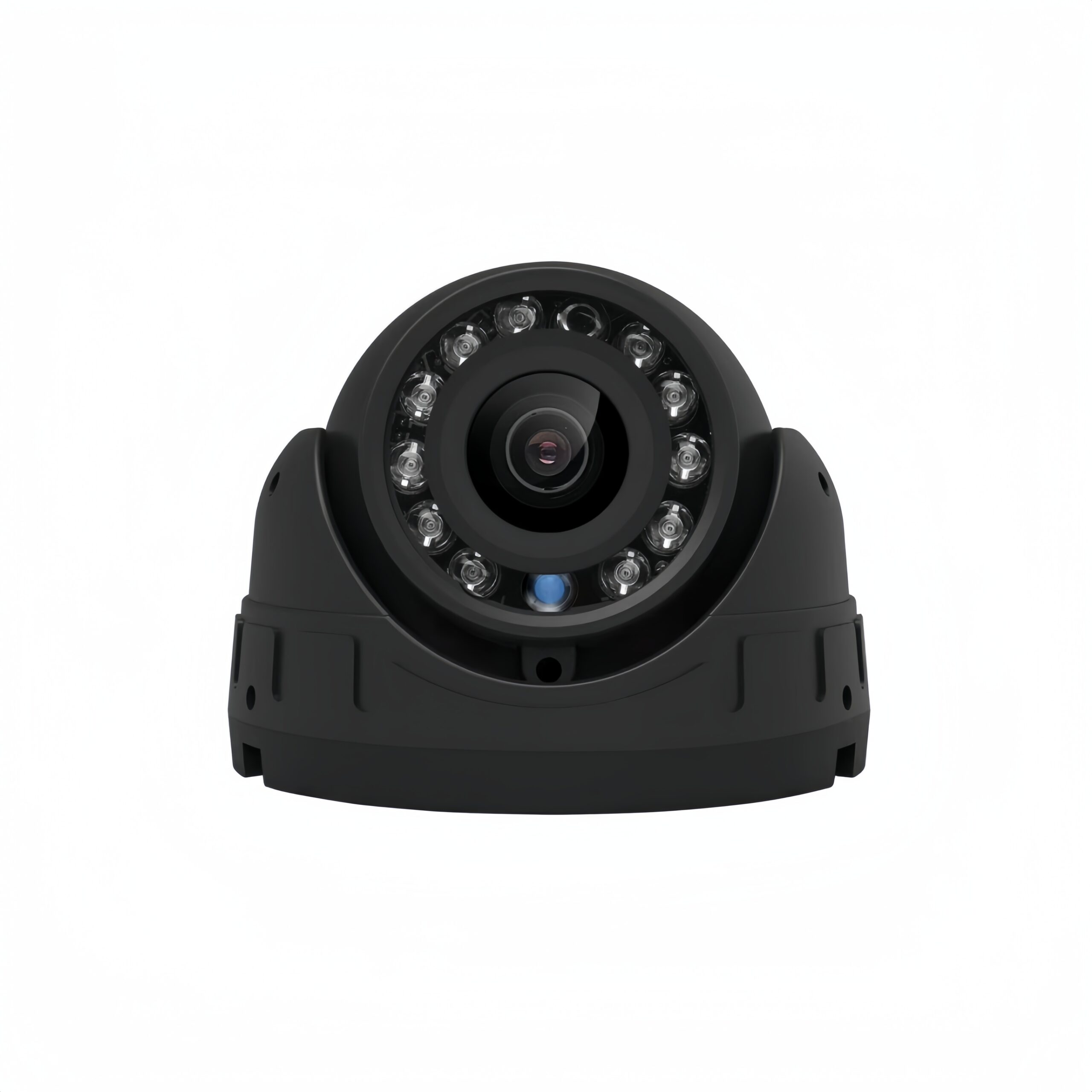
The Heavy-Duty Champion: AMTIFO A8 Digital Wireless
The AMTIFO A8 is frequently cited as the most reliable unit for full-sized pickups and duallys. It utilizes a 1080p FHD sensor that delivers a remarkably sharp image on its 7-inch monitor. What sets it apart for truck owners is the signal range; it is rated for up to 984 feet in open areas, which translates to a rock-solid, lag-free connection even on extended cab trucks with long beds.
- Resolution: 1080p Full HD
- Durability: IP69K Waterproofing (highest rating)
- Special Feature: Supports up to 4 cameras for a 360-degree view
- Night Vision: 16 Infrared lights for pitch-black visibility
The Towing Specialist: Furrion Vision S System
If your truck spends half its time hitched to a trailer, the Furrion Vision S is the industry leader. It uses a proprietary 2.4GHz digital signal that is specifically designed to penetrate the thickest steel and aluminum frames. The monitor includes a “view-on-the-move” feature, allowing you to use the camera as a rear-view mirror while driving at highway speeds, which is a game-changer for monitoring cargo or following traffic.
- Resolution: 720p (optimized for high frame rates)
- Field of View: 120-degree rear, 180-degree side options
- Connectivity: Integrated microphones for audio assistance while hitching
- Installation: Pre-wired for many modern truck/RV brands
The Stealth Upgrade: Master Tailgate Handle Camera
For owners of Ford, Chevy, or RAM trucks who want an OEM look, the Master Tailgate series replaces your existing handle with one containing an integrated camera. This provides a perfect downward angle for trailer hitching. While it is a wired system—requiring more effort to install—it offers the highest level of signal reliability because there is no wireless interference to worry about.
Critical Technical Specs: Resolution, Night Vision, and Field of View


To get the best performance out of a truck backup camera, you must look at the specific hardware specs. A camera that looks great in a parking lot at noon might be useless in a dark driveway or during a rainstorm. You are looking for a balance between clarity and the width of the visual field.
Resolution and Field of View
While 720p was the standard for years, 1080p is now the baseline for any serious truck upgrade. Higher resolution allows you to see small obstacles, like trailer pins or narrow bollards, that lower-resolution cameras blur out. However, resolution must be paired with an appropriate Field of View (FOV). You want a FOV between 150 and 170 degrees. Anything less creates dangerous blind spots at the corners of your bumper. Anything more than 170 degrees creates a “fish-eye” effect that distorts distances, making objects look much further away than they actually are.
- 1080p: Necessary for reading license plates and seeing fine textures.
- 150° – 170° FOV: The “sweet spot” for seeing both rear corners of the truck.
- Glass vs. Plastic Lenses: Always choose glass; plastic lenses yellow and cloud over from UV exposure.
Low-Light Performance and Sensor Quality
Trucks often operate in poorly lit areas, from boat ramps at dawn to unlit construction sites. Look for cameras using CCD sensors rather than cheaper CMOS sensors if you want superior low-light performance. CCD sensors handle light changes better and produce less “noise” in the image. Additionally, check the “Lux” rating of the camera. A rating of 0.1 Lux or lower is ideal for night use. Many top-rated truck cameras also include Infrared (IR) LEDs that illuminate the area behind the truck with light invisible to the human eye but clear to the camera sensor.
Signal Strength and Antenna Gains
For wireless units, the antenna is the most critical component. On a long-wheelbase truck, the distance between the tailgate and the dash can exceed 20 feet of metal and glass. Cheap cameras use internal antennas that struggle to maintain a frame rate above 15fps. Professional-grade truck cameras use external, high-gain antennas (usually 5-7 dBi) that ensure a smooth 30fps video feed. This prevents the “stuttering” effect that can lead to miscalculating the distance to an object while backing up quickly.
Truck-Specific Connectivity: Wired vs. Digital Wireless Signal Reliability
When you are dealing with the length of a modern pickup or a heavy-duty dually, signal strength is the most critical factor. A backup camera is useless if the screen flickers or cuts out just as you are inches away from a trailer hitch. Choosing between wired and wireless setups depends largely on your truck’s length and how much time you want to spend on installation.
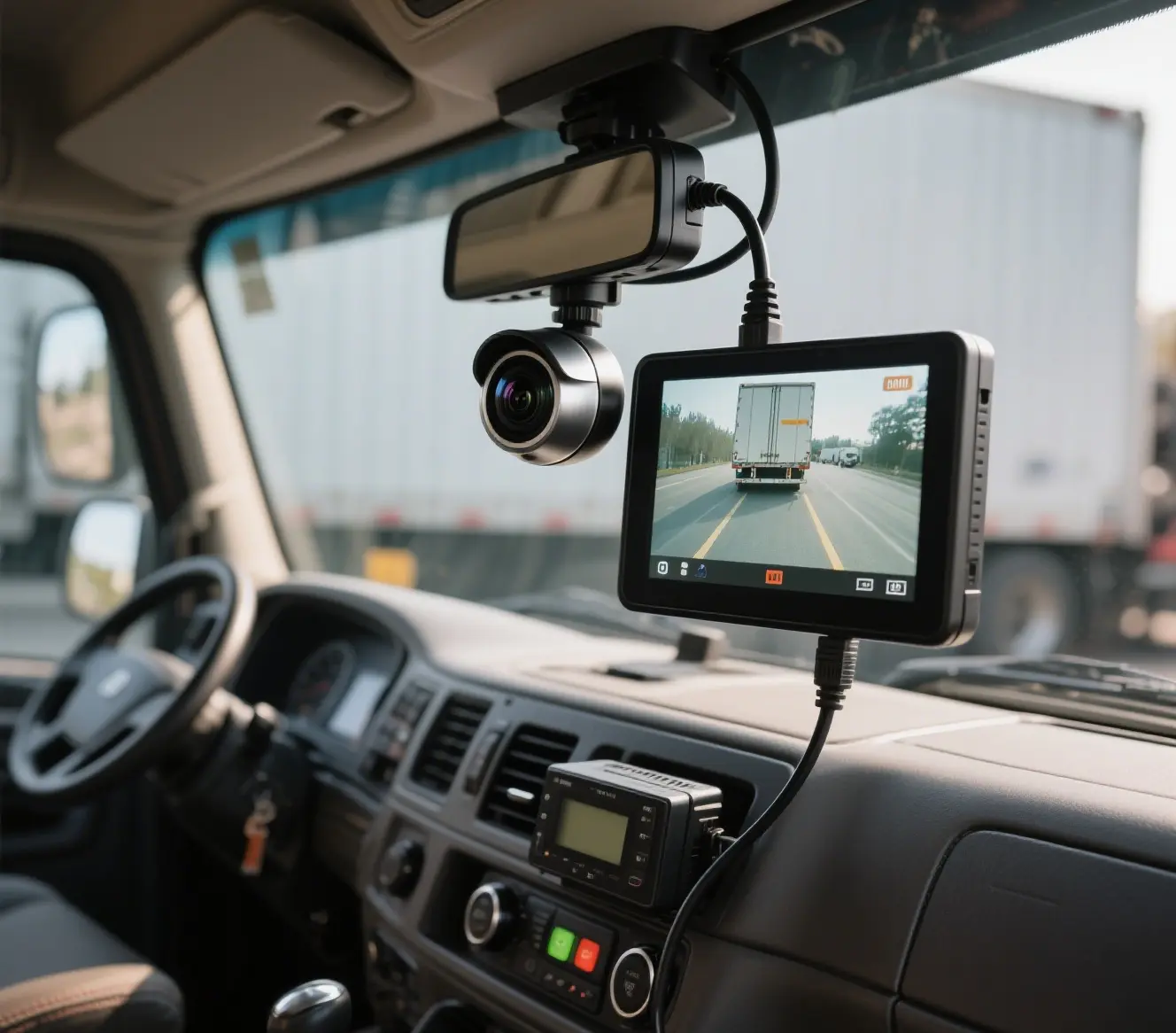
The Stability of Wired Systems
Wired backup cameras remain the gold standard for professional drivers and those who tow frequently. By running a physical video cable from the rear bumper to the dashboard, you eliminate any chance of signal interference. This is particularly important for long-bed trucks or drivers who use trailers, as the metal body of the truck can often act as a shield that blocks wireless signals.
- Zero Latency: Real-time video with no “lag” while reversing.
- Consistent Image: No static or “snow” regardless of the environment.
- Permanent Power: Usually powered through the reverse lights or a dedicated fuse, ensuring it’s always ready.
Digital Wireless: The Modern Solution
If the idea of tearing up your truck’s interior trim to run wires sounds like a nightmare, digital wireless is your best friend. Unlike old analog systems that picked up interference from Bluetooth or Wi-Fi, modern 2.4GHz digital signals “lock” the camera to the monitor. This provides a clear, high-definition picture that is much more stable than previous generations.
- Ease of Installation: Can often be installed in under an hour.
- Extended Range: High-end digital wireless systems can maintain a signal up to 100 feet in open space.
- Versatility: Perfect for leased trucks where you don’t want to make permanent modifications.
Durability Standards: Weatherproofing and Vibration Resistance for Heavy-Duty Use
Trucks live in a world of gravel, mud, and extreme weather. A camera designed for a compact car simply won’t survive the underside of a RAM 2500 for long. You need hardware that can handle the “thump” of a closing tailgate and the high-pressure spray of a car wash without blinking.
Decoding IP Ratings for Truck Owners
When shopping, you will see “IP” ratings followed by two numbers. For a truck, you should never settle for anything less than IP68. However, if you frequently drive in snow or use high-pressure power washers to clean off road salt, look for IP69K. This specific rating means the camera can withstand high-pressure, high-temperature water jets from close range.
- IP67: Can handle rain and a quick dunk in a puddle.
- IP68: Fully waterproof and submersible for long periods.
- IP69K: The “tank” of ratings; resistant to steam cleaning and extreme pressure.
Vibration and Impact Resistance
The vibration from a diesel engine or the jarring bounce of an off-road trail can shake the internal sensors of a cheap camera loose. Top-rated truck cameras feature zinc-alloy or heavy-duty plastic housings and vibration-dampening mounts. These ensure that the lens stays aligned and the internal circuitry remains intact even after thousands of miles on washboard roads.
Practical Tip: Look for cameras with a “nano-coating” on the lens. This helps shed water droplets and prevents mud from sticking, ensuring your view stays clear during a heavy downpour.
Choosing the Right Camera for Your Rig
Selecting the best backup camera for your truck comes down to balancing your specific needs with your budget. Whether you prioritize the rock-solid reliability of a wired IP69K system for work or the quick setup of a digital wireless kit for your weekend hauler, the safety benefits are undeniable. Adding a high-quality camera doesn’t just protect your tailgate; it provides peace of mind every time you shift into reverse.
Next Steps:
- Measure your truck’s length to ensure your chosen signal (wired or wireless) will reach the cab.
- Check your bumper or license plate area to see which mounting style (bracket or flush-mount) fits best.
Ready to upgrade your ride? Pick the model that fits your lifestyle and enjoy a clearer, safer view of the road behind you!
❓ Frequently Asked Questions
What is the difference between analog and digital wireless signals?
Analog signals are prone to ‘snow’ and interference from other devices, while digital wireless signals are paired and encrypted, ensuring a lag-free, clear image even on long vehicles.
How does field of view (FOV) impact truck safety?
A field of view between 150 and 170 degrees is ideal for trucks; it is wide enough to cover the entire rear width without causing the ‘fisheye’ distortion that makes distances hard to judge.
Why should I look for an IP69K rating specifically?
Trucks are often exposed to heavy mud and high-pressure power washers; an IP69K rating is the highest level of protection against water and dust ingress available.
Are there cameras that help specifically with trailer hitching?
Yes, look for models with ‘Hitch Mode’ or adjustable guidelines that allow you to line up the ball and coupler with precision from the driver’s seat.
Can I connect an aftermarket camera to my factory truck display?
While some require a specific interface module, many truck owners find that the high-resolution monitors included with aftermarket kits provide a superior image to older factory screens.
Does being a ‘lifted’ truck change camera requirements?
Lifted trucks require cameras with adjustable vertical tilt to ensure you can still see the area directly behind the bumper despite the increased height.