
Best 7.3 Powerstroke Power Steering Pump Upgrades & OEM

Selecting the right 7.3 Powerstroke power steering pump is critical because it powers both your steering and Hydroboost braking system. While Motorcraft OEM pumps offer the best reliability for stock trucks, high-pressure upgrades from Red-Head or Borgeson are superior for vehicles with oversized tires.
Prime Day Pick
Limited-time Prime Day price. Check current discount on Amazon.
🎯 Key Takeaways
- Motorcraft is the gold standard for stock reliability and fitment.
- High-pressure pumps improve low-speed steering and Hydroboost braking performance.
- The 7.3 Powerstroke system requires Mercon ATF, not standard fluid.
- Whining or ‘stiff’ brakes are primary indicators of pump failure.
- A specialized pulley puller tool is mandatory for proper installation.
If you are looking for the absolute best 7.3 Powerstroke Stroke engine technical specifications”>power steering pump, the choice depends entirely on your tire size and how you use your truck. For a daily driver on stock tires, the Motorcraft STP58 is the most reliable, direct-fit replacement you can buy. However, if you are running 35-inch tires or larger, or if you find your brakes feeling “wooden” while maneuvering in a parking lot, you should skip the stock replacement and move to a high-pressure upgrade from Red-Head Steering Gears or Borgeson. These performance units provide the increased flow necessary to satisfy the 7.3’s demanding Hydroboost system.
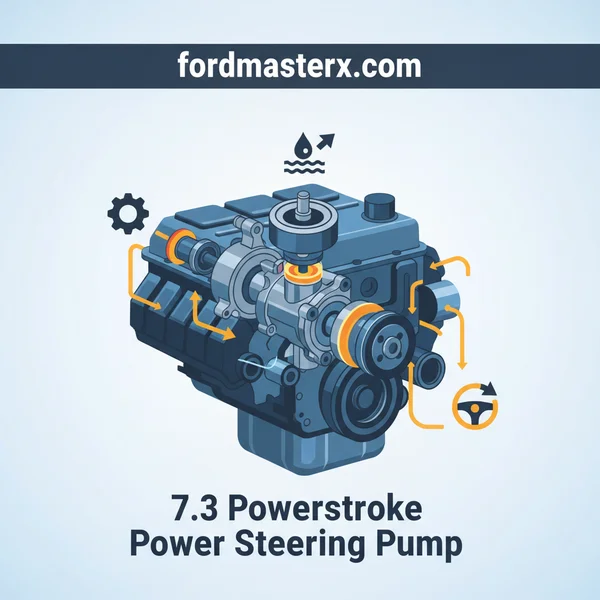
Upgrading your pump is not just about making the steering wheel easier to turn; it is a safety priority for the Ford Super Duty platform. Because your power steering pump also powers your brake booster, a weak or failing pump directly impacts your ability to stop the truck. Replacing a tired unit with a high-output version ensures that you have consistent hydraulic pressure for both systems, even when you are idling or navigating tight spaces with a heavy trailer attached.
Prime Day Pick
Limited-time Prime Day price. Check current discount on Amazon.
Top Replacement Options: OEM Motorcraft vs. Performance Upgrades
When shopping for a replacement, you will generally find three categories of pumps: cheap “parts store” remanufactured units, OEM Motorcraft, and high-performance upgrades. We strongly recommend avoiding the cheapest house-brand remans, as they often have high failure rates right out of the box. Instead, focus on these proven options for your 7.3 Powerstroke.
The OEM Standard: Motorcraft STP58
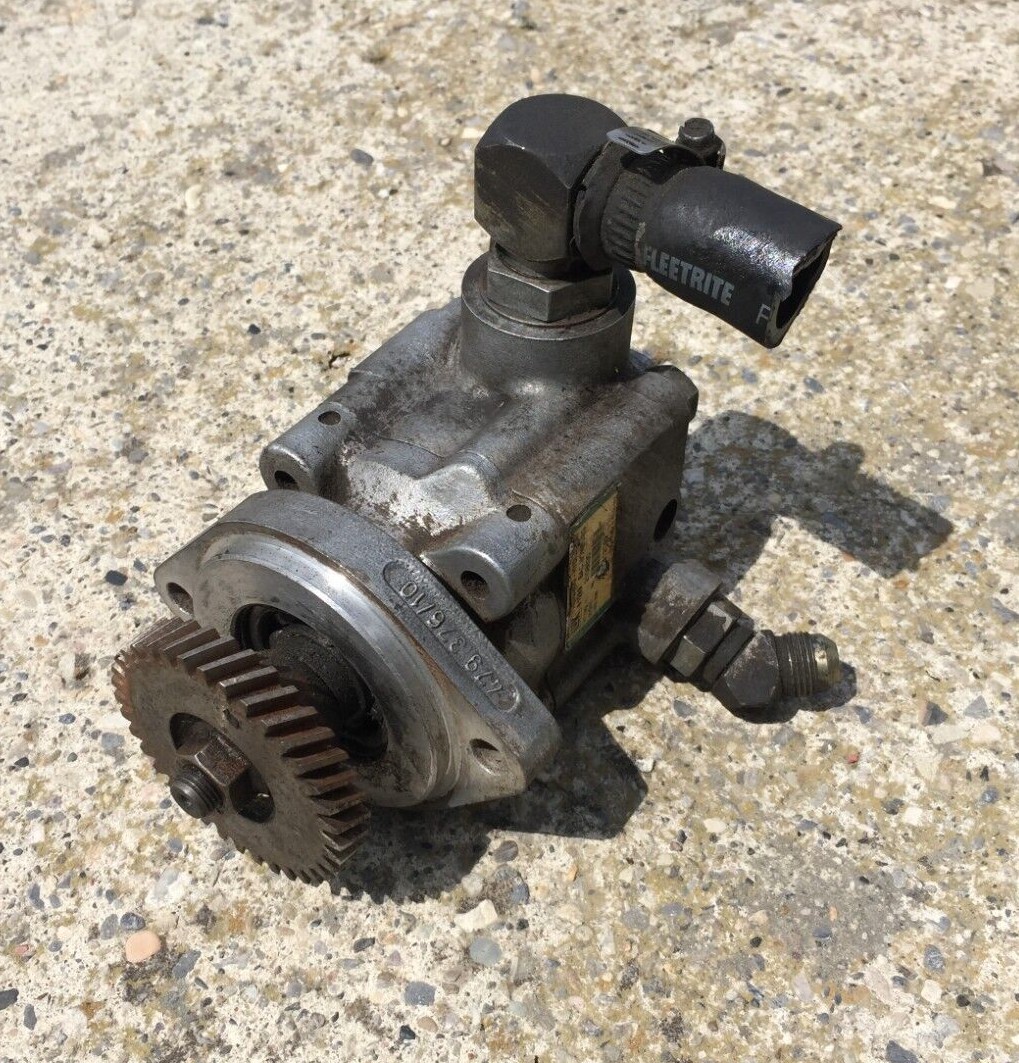
For most owners, the Motorcraft STP58 (or F81Z-3A674-AB) is the gold standard. It is the original equipment that came on your truck from the factory. It is designed to meet Ford’s specific flow and pressure requirements for the Hydroboost system. While it is a “C2” style pump which is inherently noisier than later designs, its longevity is hard to beat when paired with the correct fluid. You can typically find these at major Ford parts retailers or specialized diesel shops like Riffraff Diesel or XDP.
Prime Day Pick
Limited-time Prime Day price. Check current discount on Amazon.
- Pros: Guaranteed fitment, reliable for stock setups, and affordable.
- Cons: Can struggle to provide enough pressure for tires over 35 inches at low RPM.
- Best For: Daily drivers, work trucks, and restoration projects staying close to stock specifications.
High-Pressure Upgrades: Red-Head and Borgeson
If you have modified your truck with a leveling kit and larger tires, a performance pump is a mandatory upgrade. Companies like Red-Head Steering Gears take a standard housing and modify the internal valving to increase flow and pressure at low speeds. Borgeson offers a similar high-output C2 pump that is a direct bolt-in replacement but provides a noticeable boost in steering “lightness” and braking responsiveness. These pumps are specifically engineered to eliminate the “stiff steering” feel that occurs when you are trying to turn the wheels while stopped.
- Red-Head Performance Pump: Known for incredible quality control and eliminating the “dead spot” in your steering feel.
- Borgeson High Output: Offers a significant increase in PSI, which is vital for heavy-duty towing applications.
- AGR Performance: Another solid option for those looking for a “Super Pump” designed for extreme off-road use.
Understanding the Hydroboost System and Pump Failure Symptoms
The 7.3 Powerstroke uses a Hydroboost braking system rather than a traditional vacuum booster. This means your power steering pump is doing double duty. It sends pressurized fluid to the brake booster first, and then down to the steering gear. Because of this “series” configuration, any issue with the pump will immediately manifest in both your steering wheel and your brake pedal. Understanding this connection is vital for diagnosing why your truck feels sluggish or unsafe.
Prime Day Pick
Limited-time Prime Day price. Check current discount on Amazon.
Why the 7.3 Pump is Critical for Braking
In a Hydroboost system, the power steering pump provides the mechanical assist needed to clamp your brake pads onto the rotors. If the pump’s internal seals are wearing out or the pressure relief valve is sticking, you will notice that the brake pedal becomes much harder to press. This is particularly noticeable at low engine speeds—like backing a trailer into a driveway—because the pump is spinning slower and producing less volume. If you notice your brakes getting “stiff” at the same time your steering gets “heavy,” your pump is almost certainly the culprit.
Common Warning Signs of Pump Failure
Before your pump dies completely, it will usually give you several warning signs. Identifying these early can save you from a complete loss of power assist while on the road. Watch for these specific 7.3 symptoms:
Prime Day Pick
Limited-time Prime Day price. Check current discount on Amazon.
- The “Powerstroke Whine”: While these pumps are naturally a bit noisy, a loud, high-pitched screeching that changes with engine RPM indicates air in the system or failing internal bearings.
- Morning Sickness: If your steering is incredibly stiff when the truck is first started in the morning but improves as the engine warms up, the pump’s internal seals are likely bypassing fluid.
- Brake Pedal Kickback: If you feel a vibration or a “pulsing” in the brake pedal when you turn the steering wheel, the pump is failing to maintain consistent pressure through the Hydroboost unit.
- Fluid Discoloration: Healthy fluid should be clear or red (if using ATF). If your fluid looks black, smells burnt, or is full of metallic glitter, the pump is eating itself internally.
When these symptoms appear, it is important to act quickly. A total pump failure on a 7000-pound truck makes it extremely difficult to steer and even harder to stop, especially in an emergency situation.
Essential Fluid Requirements and Pulley Tool Considerations
Choosing the right pump for your 7.3 Powerstroke is only half the battle. To ensure the new unit survives its first few thousand miles, you must pay close attention to the fluid you put into the reservoir. Because the 7.3 uses a Hydro-Boost braking system, your power steering pump is pulling double duty—powering your steering gear and your brake booster simultaneously. This puts an immense amount of heat and pressure on the fluid.

Choosing the Right Fluid Type
While many owners reach for generic “Power Steering Fluid,” Ford originally specified MERCON ATF for these systems. Using the wrong fluid can lead to seal failure or that dreaded Ford “power steering moan.”
- Synthetic Options: Upgrading to a full synthetic ATF (like Mobil 1 Synthetic ATF or Royal Purple) can significantly reduce noise during cold morning starts.
- Heat Resistance: Synthetic fluids handle the high operating temperatures of the Hydro-Boost system much better than conventional mineral-based fluids.
- Capacity: Always keep an extra quart on hand. The 7.3 system holds more than you think, especially if you are performing a full system flush.
The Press-Fit Pulley Challenge
One of the biggest hurdles in a 7.3 power steering pump swap is the pulley. These pumps do not use a simple bolt-on pulley; they are press-fit onto the shaft. Attempting to “wing it” with the wrong tools is the fastest way to ruin a brand-new pump.
- Avoid Jaw Pullers: Never use a standard two or three-jaw puller. You will bend the pulley flange, making it unusable and causing belt alignment issues later.
- Use a Dedicated Tool: You must use a specific Power Steering Pump Pulley Puller/Installer kit. Most local auto parts stores will rent these out for free.
- Lubrication: Apply a small amount of anti-seize or clean oil to the pump shaft before pressing the pulley back on to ensure a smooth transition and prevent future seizing.
Comparing Costs and Long-Term Reliability of Major Brands
When shopping for a 7.3 Powerstroke power steering pump, you will notice a massive price gap between budget remanufactured units and high-end performance upgrades. Understanding where that money goes can help you decide if a “lifetime warranty” from a big-box store is actually worth the potential downtime.
Budget vs. Performance Pricing
A standard remanufactured pump from a local parts store typically costs between $70 and $120. In contrast, a high-performance unit from brands like PSC or RedHead can exceed $300 to $500. While the price jump is significant, the internals are often night and day.
- Remanufactured Units: These are often “hit or miss.” While they are affordable, quality control can vary, and many owners report having to swap them out multiple times before getting a quiet one.
- OEM Motorcraft: A solid middle ground. Motorcraft pumps offer the best balance of price and factory-spec reliability for trucks that stay on the pavement.
- Performance Pumps: These use higher-grade bearings and ported internals to provide more flow at low RPMs—perfect if you have oversized tires or a heavy front bumper.
Long-Term Reliability Expectations
Reliability in a 7.3 system is often dictated by the cleanliness of the rest of the components. A high-quality pump can last well over 150,000 miles, but even the most expensive pump will fail prematurely if the steering gear or Hydro-Boost unit is shedding metal shavings into the lines.
- The “Lifetime Warranty” Trap: Many cheap pumps offer lifetime warranties, but they don’t cover the labor or the frustration of being stranded. Reliability is always better than a replacement guarantee.
- Filtration: Adding an inline Magnefine filter to the return line is a pro-tip used by many 7.3 owners to extend the life of any pump brand.
- Cooling: If you use your truck for heavy towing, the stock cooling loop may not be enough. An auxiliary cooler can double the lifespan of your pump.
Conclusion
Upgrading or replacing the power steering pump on your 7.3 Powerstroke is essential for maintaining both steering precision and braking safety. Whether you choose a reliable Motorcraft OEM replacement for a daily driver or a high-flow PSC pump for a dedicated workhorse, the secret to longevity lies in using the correct synthetic fluid and the proper installation tools. Don’t settle for a noisy, whining pump that compromises your driving experience.
Next Steps: Inspect your power steering lines for leaks and check your fluid color. If it looks dark or smells burnt, it’s time to plan your upgrade. Grab a quality pump today and restore the smooth, effortless handling your 7.3 was meant to have!
❓ Frequently Asked Questions
Why should I choose a high-pressure pump over an OEM unit?
High-pressure upgrades are designed to handle the extra load of larger tires and heavy towing. They provide more hydraulic assist at low RPMs, making it easier to steer and stop in tight spaces or heavy traffic.
Is there a difference between the early 1999 and late 1999-2003 pumps?
Most 1994.5-2003 pumps are interchangeable, but it is vital to verify the reservoir and pressure line fittings. Some early models may have slight variations in the mounting bracket or pulley depth requirements.
Why is my new power steering pump still making noise?
Noise is usually caused by trapped air in the lines; you must bleed the system by turning the wheel lock-to-lock several times. If the noise persists, ensure you used ATF rather than standard power steering fluid, which is too thin.
What tools are required to swap the 7.3 power steering pump?
A dedicated power steering pulley puller and installer set is required to move the pulley to the new pump. Using a standard three-jaw puller will likely damage the pulley or the new pump’s internal seals.
How does the Hydroboost system impact my pump choice?
Because the pump drives both steering and braking, a low-quality pump can lead to dangerous ‘hard’ brake pedal conditions. Choosing a high-flow pump ensures that you never lose braking power during complex steering maneuvers.
Are remanufactured pumps a reliable alternative to new ones?
Remanufactured pumps are cost-effective but often have a higher ‘out-of-the-box’ failure rate. For a truck that sees heavy use or long hauls, a brand-new Motorcraft or premium performance unit is a much safer investment.