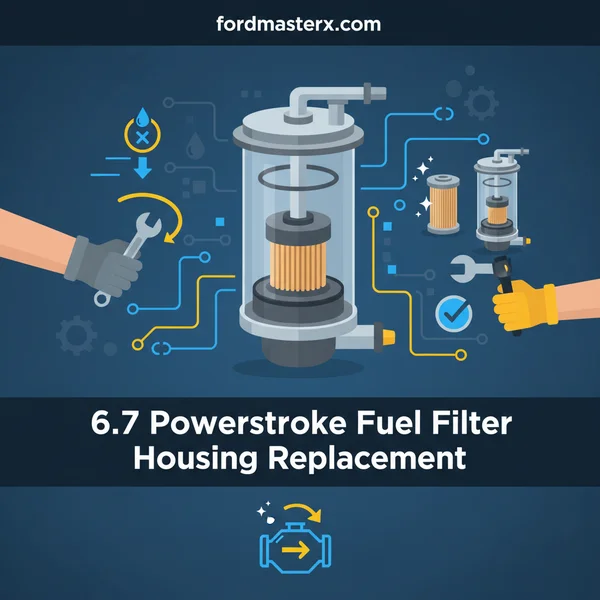
6.7 Powerstroke Fuel Filter Housing Replacement Guide

Replacing a damaged 6.7 Powerstroke fuel filter housing is critical to preventing air intrusion and catastrophic CP4 high-pressure pump failure. Ensuring the plastic locking tabs remain intact and performing a complete priming sequence are the most vital steps for a successful repair.
🎯 Key Takeaways
Recommended Best Deal Products


- Use a backup wrench to prevent stress on plastic fuel line connectors.
- Inspect for hairline cracks often caused by over-torquing the filter cap.
- Clean all debris around the housing before removal to prevent contamination.
- Cycle the ignition key at least 6-10 times to purge all air.
- Replace damaged clips immediately to prevent fuel line blow-offs while driving.
Replacing a failed fuel filter housing on your 6.7 Powerstroke is a task that requires precision to avoid a “dead-on-the-side-of-the-road” scenario. Most failures occur when the plastic housing develops hairline fractures or the internal threads strip out during a routine filter swap. If you see fuel pooling in the engine valley or experience hard starting, your housing is likely compromised and drawing air into the high-pressure system.

Prime for Young Adults — 6 Months Free
Students and 18–24s get six months of Prime free, then half price.
Start 6 Months Free As an Amazon Associate I earn from qualifying purchases.Addressing this repair immediately is vital because the 6.7L fuel system is extremely sensitive to air and debris. A cracked housing allows contaminants to bypass filtration, putting your expensive CP4 injection pump at risk of cavitation and total failure. By following the correct removal and installation sequence, you can restore system pressure and prevent future leaks without damaging the fragile fuel line connectors that often break during DIY attempts.
Identifying Common Symptoms of a Failing 6.7 Powerstroke Fuel Housing
The 6.7 Powerstroke fuel filter housing is a composite plastic component located on the driver-side top of the engine. Over time, heat cycles and engine vibration weaken the plastic, leading to catastrophic failure or slow, frustrating leaks. Identifying these signs early prevents you from being stranded when the housing finally gives way under high fuel pressure.
Detecting Hairline Cracks and Stress Fractures
Most cracks occur near the inlet and outlet ports where the fuel lines exert the most tension. You might notice a fine mist of diesel spraying when the engine is under load, or a persistent dampness around the base of the housing mounting bracket. Because the system is under pressure, even a microscopic fracture will eventually widen. This leads to a massive fuel leak that can soak the engine bay, creating a fire hazard and causing a significant drop in low-pressure fuel delivery.
Symptoms of Air Intrusion and Pressure Loss
If the housing isn’t leaking fuel out, it might be sucking air in. This usually happens when the threads for the filter cap are stripped or the housing body is warped from over-tightening. Common indicators include:
- Long Crank Times: Air in the lines requires the lift pump to prime longer before the engine fires.
- Engine Stumbling: Hesitation under acceleration caused by air bubbles disrupting fuel atomization in the injectors.
- Low Fuel Rail Pressure Codes: The PCM may trigger a P0087 code if the housing cannot maintain a vacuum-tight seal, leading the sensor to believe the pump is failing.
- Diesel Odor in Cab: Raw fuel smells coming through the HVAC vents while idling are a telltale sign of a leak on the top-side housing.
The Ultimate 6.7 Powerstroke Fuel Filter Housing Walkthrough
Recommended Best Deal Products
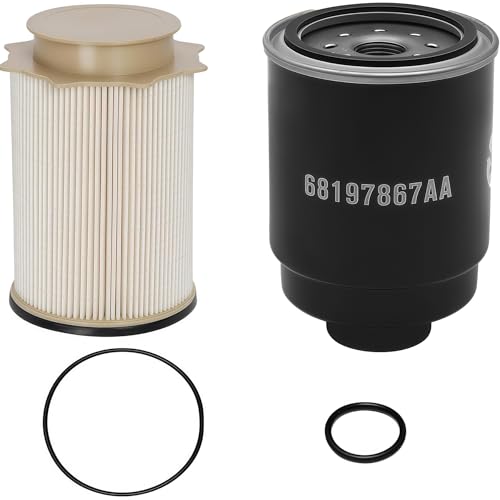


The 6.7L Powerstroke diesel engine is a powerhouse of engineering, but it relies heavily on a pristine fuel system to maintain its performance and longevity. The lower fuel filter housing, located on the driver-side frame rail, is a common point of maintenance and, unfortunately, a frequent source of leaks if the plastic housing cracks or the drain valve fails. Replacing this housing is a critical task for any owner looking to prevent air intrusion or fuel starvation, which can lead to catastrophic failure of the sensitive Bosch CP4 high-pressure fuel pump. This guide provides a comprehensive, technical walkthrough to ensure your replacement is leak-free and your fuel system remains pressurized and protected.
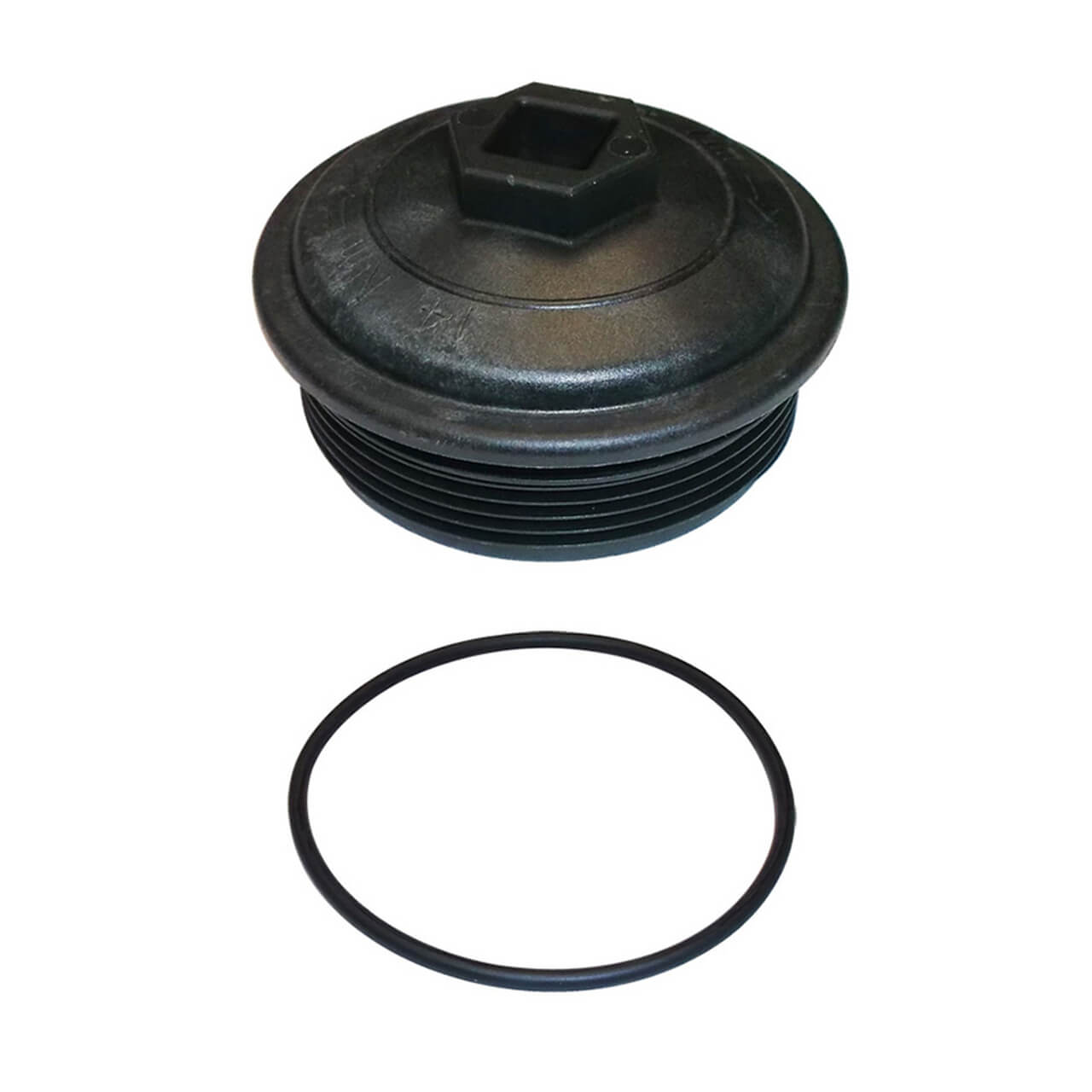
Step 1: Vehicle Preparation and Safety Setup
What you need: Safety glasses, nitrile gloves, wheel chocks, and a clean, level workspace.
Instructions: Before beginning any work on your diesel fuel system, ensure the vehicle is parked on a flat surface with the parking brake firmly engaged. Chock the rear wheels for added safety. Diesel fuel can be an irritant and is difficult to clean once it soaks into concrete, so lay down a large oil pan or a piece of cardboard directly under the driver-side frame rail, approximately midway between the front and rear doors. This is where the primary fuel conditioning module (DFCM) is located. Ensure the engine is cool to the touch; working near a hot exhaust or transmission can lead to burns. Finally, disconnect the negative battery terminals on both batteries to ensure no electrical signals are sent to the lift pump while you are working on the lines.
Pro Tip: Try to perform this replacement when your fuel tank is below a quarter full. A full tank creates more head pressure, which can cause fuel to continually siphoned out of the lines while the housing is removed, leading to a much messier job.
Step 2: Draining the Fuel Conditioning Module
What you need: A large drain pan (at least 5-quart capacity) and a clean rag.

Audible — Listen Free for 30 Days
One free credit a month and thousands of titles included.
Listen Free for 30 Days As an Amazon Associate I earn from qualifying purchases.Instructions: Locate the yellow plastic drain lever on the side of the fuel filter housing. This is the Water-In-Fuel (WIF) drain valve. Position your drain pan directly underneath the valve. Slowly turn the yellow lever counter-clockwise (usually 90 to 180 degrees) until fuel begins to flow. You should expect roughly one to two quarts of diesel to drain out. To speed up the process and ensure a complete vacuum break, you can slightly loosen the fuel filler cap on the side of the truck. Allow the fuel to drain until it slows to a very faint drip. Inspect the drained fuel for any signs of metal shavings or excessive water, as this is a prime opportunity to “read” the health of your fuel system before installing the new components.
Pro Tip: If the fuel doesn’t start flowing immediately, the drain may be clogged with sediment or “diesel slime.” Use a small piece of mechanics wire to gently poke into the drain spout to clear any obstructions.
Step 3: Disconnecting the Fuel Lines and Electrical Connectors
What you need: Small flat-head screwdriver (optional) and clean shop towels.
Instructions: The 6.7 Powerstroke uses quick-connect fittings for its fuel lines. There are typically three lines connected to the housing. To remove them, you must first slide back the colored safety clips (usually blue or green). Once the safety clip is retracted, depress the inner tabs and gently pull the line away from the housing. Be prepared for a small amount of residual fuel to leak out; keep your shop towels handy to plug the lines or wipe up spills. Next, locate the electrical harness connector for the fuel heater and the Water-In-Fuel sensor. Squeeze the release tab on the wiring harness and pull it gently away. Inspect the pins on the harness side for any signs of corrosion or “greening,” which would indicate a need for electrical cleaner application.
Pro Tip: Never force a fuel line. If it feels stuck, push the line toward the housing before squeezing the tabs and pulling back. This helps release the internal O-ring seal that often gets “set” over time.
Step 4: Removing the Housing Assembly Bolts
What you need: 13mm socket, extension, and ratchet.
Instructions: The fuel filter housing is secured to the frame-mounted bracket by three 13mm bolts. Depending on the year of your truck, there may also be a metal protective skid plate covering part of the assembly; if so, remove those bolts first. Support the bottom of the housing with one hand while using your ratchet to remove the three mounting bolts. These bolts are often exposed to road salt and grime, so if they feel excessively tight, apply a shot of penetrating oil and wait five minutes to avoid snapping a bolt head. Once the bolts are removed, the entire housing assembly (the DFCM) can be lowered away from the frame. Take care not to snag any of the disconnected fuel lines or wiring as you bring the unit down.
Pro Tip: Take a photo of the bolt orientations and the way the lines are routed through the frame. It is easy to forget which line goes to which port once the new, clean housing is in your hands.
Step 5: Preparing and Cleaning the Mounting Surface
What you need: Brake cleaner, lint-free shop towels, and a wire brush.
Instructions: With the old housing removed, you will see the metal mounting bracket on the frame rail. This area is often covered in road debris, grease, and dried diesel. Use a wire brush to remove any loose rust or scale from the bracket. Spray the area liberally with brake cleaner and wipe it down with a lint-free cloth. It is vital that the area where the new housing mounts is clean to ensure a flush fit and to prevent vibration-induced cracking in the future. Also, take this moment to inspect the ends of the fuel lines you disconnected earlier. Wipe the exterior of the connectors so that no dirt is pushed into the new housing when you reconnect them. A single grain of sand can ruin a high-pressure injector.
Audible Premium Plus — Annual Membership
12 audiobook credits up front, plus the full Audible catalogue.
See Annual Plans As an Amazon Associate I earn from qualifying purchases.Pro Tip: While the housing is off, inspect the frame rail itself for any signs of corrosion or rubbing from the fuel lines. This is the perfect time to apply a bit of undercoating or rust reformer if the area looks degraded.
Step 6: Installing the New Fuel Filter Housing
What you need: New fuel filter housing assembly and 13mm socket.
Instructions: Lift the new housing assembly into position against the frame bracket. Align the bolt holes carefully. Start all three 13mm bolts by hand to ensure you do not cross-thread them into the bracket. Once all bolts are started, tighten them in a star pattern to ensure the housing sits flat. Torque these bolts to approximately 18-20 ft-lbs. Do not over-tighten, as the housing tabs are often made of composite material or aluminum and can crack under extreme pressure. Once secured, give the housing a firm shake to ensure there is no movement. If your model came with a protective shield, reinstall it now using the original hardware, ensuring it does not pinch any of the wiring harnesses.
Pro Tip: Before lifting the new unit into place, verify that the new Water-In-Fuel sensor is pre-installed and tightened. Sometimes these are shipped loose, and it is much easier to tighten them on the bench than on the truck.
Step 7: Reconnecting Lines and Installing the Filter
What you need: New fuel filter (if not pre-installed) and clean diesel fuel or O-ring lubricant.
Instructions: If your new housing did not come with a filter, lubricate the O-ring of a new Motorcraft filter with clean diesel and thread it into the housing until it bottoms out, then tighten according to the markings on the cap (usually about 1/4 to 1/2 turn past hand-tight). Now, reconnect the fuel lines. Push each line onto its respective port until you hear a distinct “click.” Pull back on the line to verify it is locked, then slide the colored safety clips back into the locked position. Reconnect the electrical harness for the heater and WIF sensor, ensuring the tab clicks into place. This completes the physical installation, but the system is currently full of air, which must be purged before the engine can be started.
Pro Tip: Always use an OEM Motorcraft fuel filter. The 6.7 Powerstroke is notoriously sensitive to “will-fit” aftermarket filters that may not meet the 4-micron filtration requirement, potentially leading to premature pump failure.
Step 8: Priming the Fuel System
What you need: Just your ignition key (or start button) and patience.
Instructions: DO NOT attempt to start the engine immediately. Doing so will pull air into the high-pressure pump, which can cause internal damage. To prime the system, turn the ignition to the “ON” (Run) position but do not crank the engine. You will hear the electric lift pump in the new housing hum. Let it run for 30 seconds, then turn the key to “OFF.” Repeat this cycle 6 to 10 times. During these cycles, the pump is pushing fuel from the tank, through the new filters, and back through the return lines, effectively purging the air out of the system. On the final cycle, listen for a change in the pump’s sound—it will usually become quieter and more “solid” sounding once the air is gone. Finally, depress the brake and start the engine. It may stumble for a second, but it should clear up quickly.
Pro Tip: If the truck stalls after the first 10 seconds of running, do not keep cranking. Stop and perform 5 more key-on priming cycles. Cranking a “dry” diesel system is the fastest way to wear out your batteries and starter.
✅ Final Checklist
- Verify all three 13mm mounting bolts are torqued and the housing is secure.
- Check that all fuel line safety clips (blue/green) are pushed forward into the locked position.
- Ensure the yellow drain valve is turned completely to the “Closed” position.
- Check for any “Water in Fuel” or “Low Fuel Pressure” warnings on the dashboard after the first start.
- Inspect the ground underneath the truck while the engine is idling to ensure there are no active drips or leaks.
Important Notes:
- Safety Warning: The fuel system on a 6.7 Powerstroke operates at extremely high pressures under load. Never attempt to loosen fuel lines while the engine is running or immediately after shutdown.
- When to Seek Help: If you notice metal shavings (fine “glitter”) in the fuel you drained during Step 2, stop immediately. This is a sign of a failing CP4 pump, and replacing the housing will not fix the underlying issue; the entire fuel system likely needs professional replacement.
- Estimated Time: 45–75 minutes.
- Estimated Cost: $150–$300 for the housing assembly depending on whether it includes the internal pump and filters.
Essential Tools and Supplies for Fuel System Integrity
Replacing the housing is a straightforward mechanical job, but it requires specific tools to avoid breaking the plastic locking tabs on the fuel lines. These tabs are notorious for becoming brittle. If you snap a connector tab, you will likely need to replace the entire fuel line assembly, which is a much more invasive and expensive repair.
The Right Sockets and Wrench Extensions
The housing is secured to the engine bracket by three 10mm bolts. Because of the surrounding wire harnesses and coolant hoses, you will need a variety of extensions to reach them without putting leverage on the fuel lines.
- 10mm Deep Well Socket: Best for reaching the mounting bolts through the narrow gaps in the engine bay.
- 6-inch and 3-inch Extensions: These allow you to keep your ratchet clear of the sensitive fuel return lines and the battery tray.
- Torque Wrench: Essential for the final install. Over-torquing the 10mm mounting bolts can crack the new plastic housing base immediately.
- Small Pick Tool or Thin Flathead: Used with extreme care to help lift the locking tabs on the fuel line connectors without snapping them.
Handling Fuel Line Connectors and Tabs
Handling the fuel lines is the most critical part of the preparation. The 6.7 Powerstroke uses color-coded locking tabs (usually yellow for the return line and green for the supply line) that require a specific “push-then-pull” motion.
- Cleanliness: Use Brake Parts Cleaner to spray out any grit or dirt inside the locking tabs before you touch them. Dirt acts like sandpaper and will jam the locking mechanism.
- Lint-Free Rags: Have several clean rags ready to plug the open fuel lines the moment they are disconnected. This prevents dust from entering the CP4 pump.
- OEM Housing Assembly: Always use a Motorcraft OEM replacement. Aftermarket housings often have slight variances in port diameter which can lead to “loose” fuel line connections and persistent weeping leaks that are impossible to stop.
- Clean Diesel: Keep a small container of fresh diesel to lubricate the O-rings on the new housing ports. Never install these lines dry, or you risk tearing the internal seals.
Understanding the Risks of Air Intrusion and CP4 Pump Damage
Recommended Best Deal Products


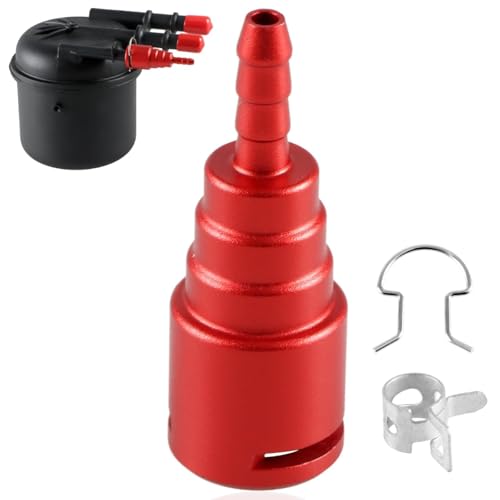
When dealing with a 6.7 Powerstroke, the fuel filter housing is more than just a container; it is a critical gatekeeper for the high-pressure fuel system. The primary danger of a compromised housing—whether through a hairline crack or a faulty seal—is air intrusion. Unlike older diesel engines that might simply stumble or stall when air enters the lines, the 6.7 is equipped with the Bosch CP4.2 high-pressure fuel pump, which is notoriously sensitive to anything other than pure, liquid diesel.
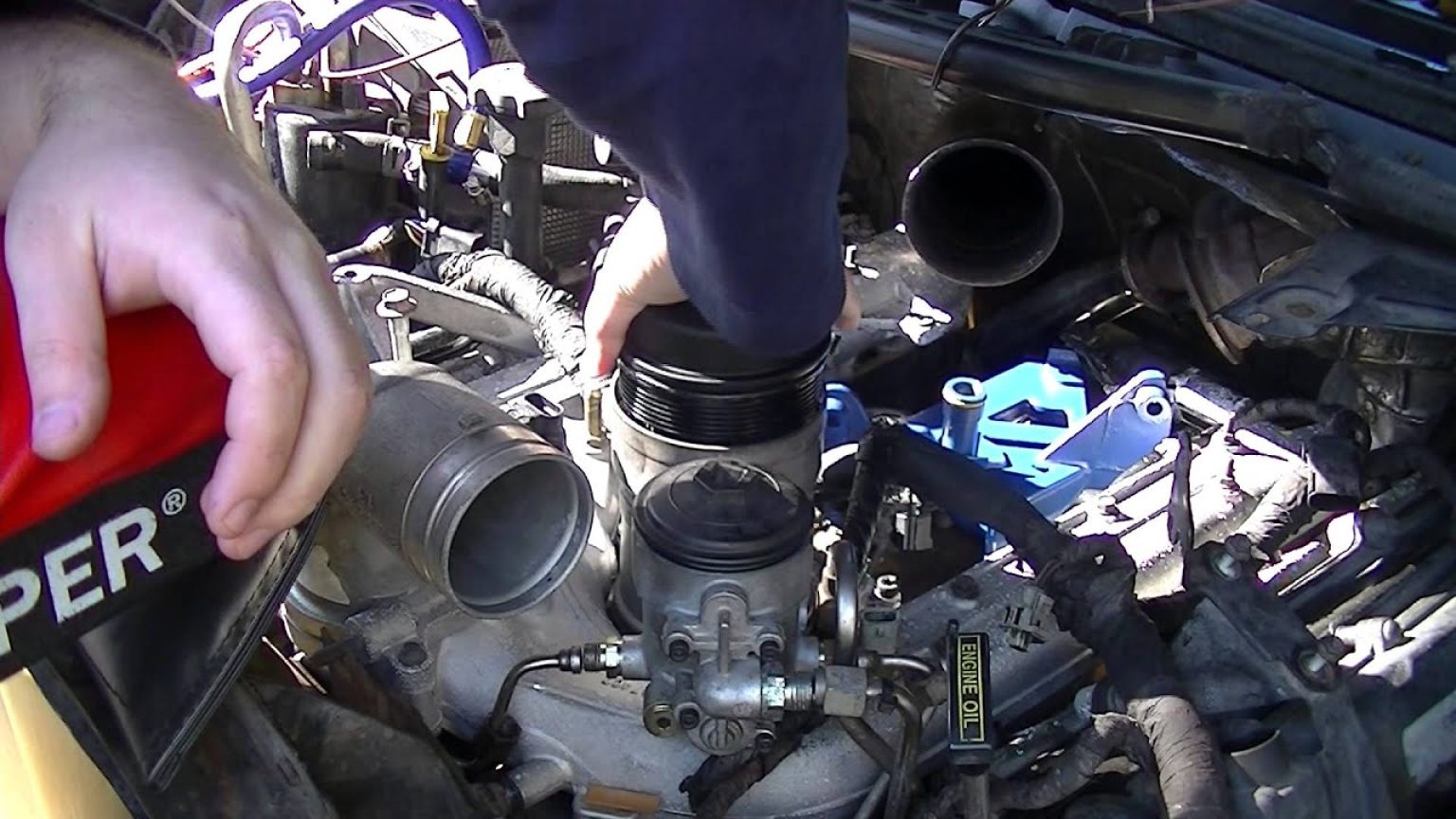
The CP4 Pump’s Vulnerability to Air
The CP4 pump relies entirely on diesel fuel for lubrication. When air enters the system through a failing housing, it causes cavitation. This process creates tiny air bubbles that collapse under intense pressure, leading to metal-on-metal contact inside the pump. Over time, or sometimes even instantly, this creates metallic debris that is sent throughout the entire fuel system.
- System-Wide Contamination: Once the CP4 begins to “grenade,” metal shavings travel to the fuel rails and injectors, often requiring a total system replacement costing upwards of $10,000.
- Hard Starts and Erratic Idle: Small air leaks often manifest as long cranking times in the morning as fuel drains back toward the tank.
- Reduced Fuel Economy: Air pockets disrupt the precise timing and volume of fuel delivery, forcing the engine to work harder to maintain power.
Identifying “Invisible” Leaks
One of the trickiest aspects of a failing housing is that it may suck air in without leaking fuel out. Because the lift pump creates a vacuum or specific pressure flow, a hairline fracture might only open up under certain thermal conditions. If you notice unexplained surging or intermittent power loss, the housing is often the “ghost in the machine” responsible for the trouble.
Maintenance Best Practices to Prevent Future Housing Failures
Preventing a repeat failure of the fuel filter housing comes down to how you handle the plastic components during routine service. Because these housings are frequently made of composite materials, they are susceptible to heat cycles and physical stress. Adopting a “gentle but firm” approach is essential for longevity.
Avoid Over-Tightening the Filter Cap
The most common cause of a cracked housing is excessive torque. Many owners and even some technicians treat the fuel filter cap like a lug nut. However, the seal is created by the O-ring, not by how hard the plastic bottom meets the housing. Once the cap is seated, over-tightening puts immense lateral pressure on the housing threads, which eventually leads to stress fractures.
- Use OEM Motorcraft Parts: Aftermarket housings and filters often have slight dimensional variances that can put undue stress on the mating surfaces.
- Lubricate the Seals: Never install a dry O-ring. Always coat it with clean diesel fuel or a specialized lubricant to prevent it from bunching up or tearing during installation.
- Check for Weeping: After every fuel filter change, wipe the housing completely dry and check it again after 50 miles of driving to catch “weeping” leaks early.
Thermal Protection and Vibration
The 6.7 Powerstroke engine bay gets incredibly hot. Ensure that all factory heat shields and mounting brackets are securely in place. A housing that is allowed to vibrate excessively due to a loose mounting bolt will eventually fatigue and crack at the fuel line connections. Regular visual inspections during oil changes can help you spot the white chalky residue that often indicates a slow, evaporating diesel leak before it becomes a catastrophic failure.
Conclusion
The fuel filter housing on a 6.7 Powerstroke is a relatively simple part that carries massive responsibility. By understanding how air intrusion can lead to the dreaded CP4 pump failure, you can appreciate why maintaining the integrity of this housing is so vital for your truck’s health. Avoiding over-tightening and sticking to high-quality OEM components are the best ways to ensure your fuel system remains sealed and pressurized.
Your next step: Take ten minutes to inspect your current housing for any signs of “wetness” or diesel odor. If you see even a hint of a leak, prioritize a replacement immediately to protect your engine. Stay proactive with your maintenance, and your Powerstroke will continue to deliver the heavy-duty performance you rely on!
❓ Frequently Asked Questions
What is the primary difference between the engine and frame-mounted housing?
The frame-mounted housing serves as the primary water separator and is exposed to road debris, while the engine-mounted housing provides final filtration before fuel enters the high-pressure system. Both are made of plastic and require careful handling to avoid stripping threads.
How many times should I cycle the key after replacing the housing?
You should cycle the ignition to the ‘on’ position for 30 seconds at least 6 to 10 times without cranking the engine. This allows the electric lift pump to push air out of the lines and back into the fuel tank.
Why are the fuel line clips so fragile on the 6.7 Powerstroke?
These clips are designed for rapid assembly and are made of thin plastic that becomes brittle over time due to engine bay heat. Applying excessive force usually snaps the locking ears, requiring a full line replacement if not careful.
Should I lubricate the new housing O-rings?
Yes, you should always apply a thin film of clean diesel fuel or engine oil to the O-rings before installation. This prevents the rubber from bunching or tearing, which ensures a vacuum-tight seal.
What are the common signs of air intrusion after a replacement?
Common signs include an extended crank time, erratic idling, or a ‘low fuel pressure’ warning on the dashboard. These symptoms usually indicate that the priming sequence was not performed thoroughly enough.
Can I upgrade to an aluminum fuel filter housing?
Yes, several aftermarket manufacturers offer billet aluminum housings for the engine-mounted filter. These are highly recommended as they eliminate the risk of cracking and stripping that occurs with the factory plastic units.