Best Truck Floor Mats for Vinyl Floors: Non-Slip Guide

Stay-put technology and mechanical anchoring systems are essential because standard nibbed mats create a serious safety hazard by sliding on vinyl surfaces. You must choose mats like the Husky X-act Contour or specialized WeatherTech liners that are specifically engineered to grip non-carpeted floors securely.
🎯 Key Takeaways


- Avoid nibbed mats; they act like ball bearings and slide dangerously on vinyl.
- Choose high-friction TPE or soft rubber materials for better natural grip.
- Prioritize mats that utilize factory retention posts or include screw-in anchors.
- Verify fitment specifically for ‘Work Truck’ or base models with vinyl floors.
- Clean vinyl floors thoroughly before installation to maximize the mat’s friction.
The best truck floor mats for vinyl floors use high-friction underside materials or mechanical anchoring systems rather than the traditional “nibs” or spikes found on carpeted mats. Most off-the-shelf mats are designed to bite into carpet fibers, but on a smooth vinyl surface, those spikes act like ice skates, causing the mat to slide dangerously toward your pedals. To keep your floor mats stationary, you must prioritize soft thermoplastic elastomers (TPE) or specialized adhesive backings that create a vacuum-like grip on smooth surfaces.
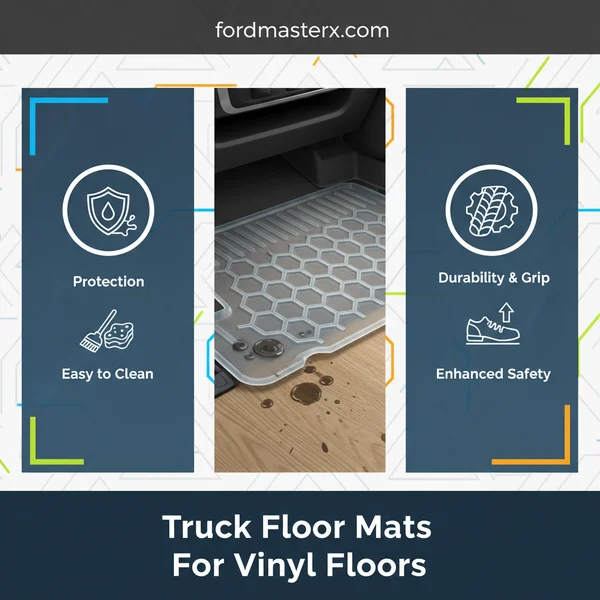
Stopping the “mat slide” is a critical safety issue, not just a cosmetic one. A sliding mat can bunch up behind the brake pedal or pin the accelerator, leading to loss of vehicle control. If your truck has a work-truck trim with vinyl flooring, you need to look for specific “vinyl floor” compatibility in the product description. These mats are engineered with a different physics profile, relying on surface area contact and weight rather than mechanical piercing to stay in place.
Top-Rated Floor Mats Engineered for Vinyl Surfaces


Finding a mat that doesn’t slide on vinyl requires looking at the chemical composition of the backing. You want a material that feels slightly tacky to the touch. Unlike hard plastic liners that shift at the slightest foot movement, these specific recommendations provide the necessary grip for work trucks and fleet vehicles.
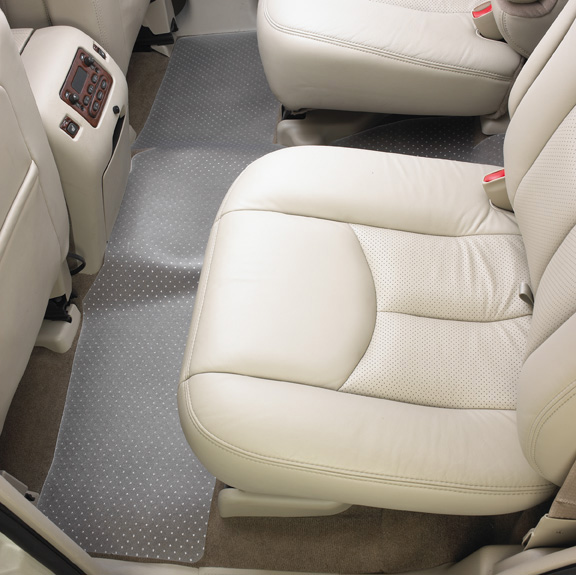
WeatherTech FloorLiner HP (High Performance)
The standard WeatherTech FloorLiner is often too rigid for vinyl, but the FloorLiner HP series is specifically designed with a softer, more flexible TPE material. This material provides a much higher coefficient of friction against smooth vinyl floors. The “HP” line is designed to remain supple even in extreme cold, ensuring the edges don’t curl away from the floor, which is a common cause of sliding.
- Anti-Skid Nib Texture: While it has textures, they are blunt and rubberized rather than sharp, increasing surface contact.
- Retention Systems: It utilizes the factory retention posts if your vinyl floor is equipped with them.
- Custom Fit: Laser-measured to the exact footwell walls, meaning the mat is physically blocked from moving by the truck’s interior trim.
Husky Liners WeatherBeater (Vinyl Floor Version)
Husky Liners offers specific part numbers for trucks with vinyl flooring. It is vital to check the fitment notes, as their standard “Stay-Put Nibs” are too aggressive for vinyl. Their vinyl-compatible versions use a flatter, stickier underside. The WeatherBeater is particularly effective because it is slightly more “rubbery” than the rigid X-act Contour line, allowing it to conform to the minor dips and ridges in your vinyl floorboards.
- Weight Distribution: These mats are heavier than generic options, using gravity to help maintain the seal against the floor.
- Form-Fit Edge: The raised lip goes all the way to the door sill, locking the mat into the “tub” of the footwell.
- Material: Uses a proprietary rubberized material that resists chemicals like oil and gas, which are common in work trucks.
Rough Country Heavy Duty Floor Mats
Rough Country specializes in off-road utility, and their floor mats reflect that with a focus on thickness and weight. These mats are significantly thicker than most competitors, and that mass is your best friend on a vinyl floor. The sheer weight of the Heavy Duty series makes it much harder for your feet to shift the mat while entering or exiting the cab.
- High-Lip Design: Traps more mud and water while providing a physical wall against the center console.
- Deep Ribs: The top-side channels keep your boots elevated, preventing your foot pressure from pushing the mat forward.
Why Standard Carpet Mats Fail on Vinyl Floors


It is a common mistake to move high-end carpet mats from an old truck into a new one with vinyl flooring. However, the physics of how these mats provide traction are diametrically opposed. Understanding why standard mats fail will help you avoid buying a product that could become a safety hazard in your cabin.
The “Ice Skate” Effect of Nibbed Backings
Standard floor mats for carpeted trucks use thousands of tiny plastic spikes called “nibs.” On carpet, these nibs sink into the fibers and lock the mat in place. On a vinyl floor, these nibs cannot penetrate the surface. Instead, they elevate the mat, reducing the total surface area contact to just the tips of the spikes. This creates a “hovering” effect where the mat can glide in any direction with minimal force.
- Surface Tension: Vinyl requires maximum surface contact (friction) to stay still.
- Point Pressure: Nibs concentrate pressure on small points, which can actually scratch or “buff” your vinyl floor over time.
- Lack of Suction: Because air can move under the nibs, there is no vacuum effect to hold the mat down during sudden stops.
Identifying Safe Anchoring Systems
When shopping for vinyl-compatible mats, you need to look for specific mechanical or chemical anchoring methods. A safe mat will not rely on your weight alone to stay put. If your truck does not have factory-installed floor posts, you must look for mats that include aftermarket anchoring kits designed specifically for non-carpeted surfaces.
- Factory Retention Hooks: Even some vinyl-floor trucks come with plastic pegs. Always ensure your chosen mat has the corresponding holes.
- Screw-In Anchors: Some brands, like Husky, offer anchors that screw directly into the vinyl floor (if you are willing to make a small hole) to provide a permanent mounting point.
- Hook-and-Loop Strips: Certain aftermarket mats use heavy-duty adhesive strips that bond to the vinyl and provide a Velcro-like surface for the mat to grab.
- Friction Pad Backing: Look for “foam” or “felt” style backings that are designed to create high friction without damaging the vinyl finish.
Safety should be your first priority. If a mat feels like it can slide with a simple kick of your heel, it is not compatible with your vinyl floor. The goal is to find a mat that requires significant effort to lift or move, ensuring it stays exactly where the manufacturer intended, regardless of how much you move your feet during a long drive.
Key Safety Features: Retention Systems and Anchoring
When you are dealing with a vinyl floor, the biggest safety concern is the “sliding mat” syndrome. Unlike carpet, which allows plastic nibs to dig in and hold fast, vinyl is a smooth, low-friction surface. This makes the mat’s anchoring system the most critical feature to look for. Without a proper lock, a mat can slide forward and interfere with your brake or gas pedals, creating a genuine hazard on the road.
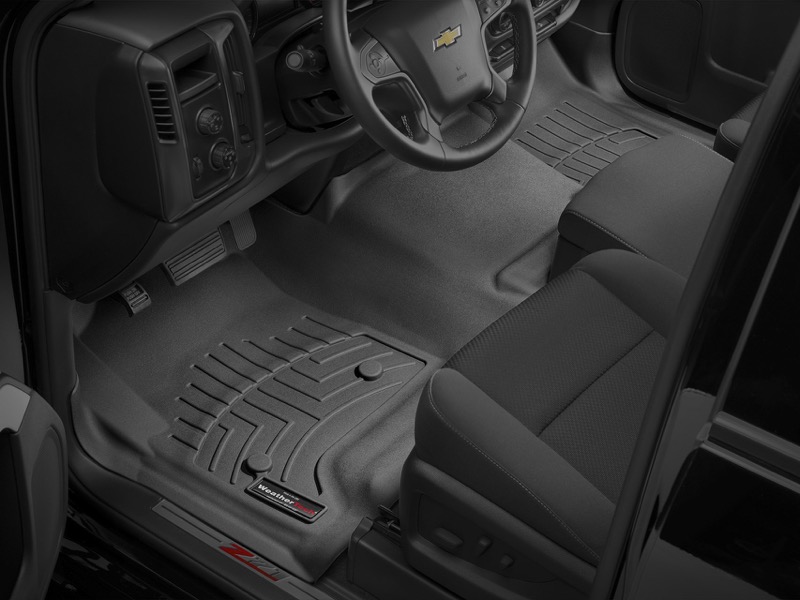
Factory Post Compatibility
Most modern trucks come equipped with factory retention posts or hooks. The best floor mats for vinyl are those engineered to click directly onto these existing anchors. High-quality brands like WeatherTech and Husky Liners design their mats with reinforced holes or “retention caps” that snap onto your truck’s floor pegs. This creates a mechanical lock that is far superior to relying on gravity alone.
- Snap-In Clips: Look for mats that include proprietary clips specifically designed to expand and grip the factory mounting points.
- Reinforced Grommets: These prevent the mat from tearing around the anchor point over time, ensuring the mat stays centered even under heavy foot pressure.
- Custom Retention Hardware: Some premium kits include a screw-in floor anchor that provides a mounting point if your work truck didn’t come with factory hooks.
Underside Texture: Beyond the Spikes
Traditional “nibbed” mats—those with sharp spikes on the bottom—are actually counterproductive on vinyl. Since the spikes can’t penetrate the surface, the mat essentially “skates” on top of them. Instead, you want mats that utilize a specialized friction backing. Look for anti-skid coatings or micro-textures that create a “suction” effect against the smooth vinyl surface, significantly reducing lateral movement.
Material Comparison: TPE vs. Rubber Performance on Vinyl
Choosing the right material isn’t just about how it looks; it’s about how it reacts to the specific texture of a vinyl floor. The two heavy hitters in this category are TPE (Thermoplastic Elastomer) and traditional heavy-duty rubber. While both offer protection, they behave very differently in the cab of a truck.
Why TPE Wins for Precision Fit
TPE is a modern hybrid material that offers the best of both worlds: the durability of plastic and the flexibility of rubber. For vinyl floors, TPE is often the superior choice because it is laser-measured. These mats are molded to the exact contours of your floorboards, creating a “wall-to-wall” fit. When a mat fits perfectly into every nook and cranny of the footwell, it has nowhere to slide, even if the vinyl underneath is slippery.
- Shape Retention: TPE won’t curl at the edges or “waffle” over time, which is essential for keeping debris off your vinyl.
- Non-Oily Finish: Some cheap rubber mats can “off-gas” or leave an oily residue that makes vinyl even slicker; TPE is generally more stable and cleaner.
- Lightweight Strength: It provides a rigid barrier against mud and spills without the massive weight of old-school mats.
The Classic Heavy-Duty Rubber Advantage
While TPE is great for fit, thick rubber mats have one major advantage on vinyl: weight. A heavy, high-density rubber mat uses gravity to its advantage. If you frequently get in and out of your truck with heavy work boots, the sheer mass of a rubber mat helps it stay put. However, you must ensure the rubber is high-quality so it doesn’t become brittle in the winter or soft and sticky in the summer sun.
Conclusion
Upgrading your truck’s vinyl floor with the right mats is a smart move for both safety and long-term value. While vinyl is easy to clean, it offers zero traction for standard mats. By prioritizing custom-fit designs that utilize factory retention systems and specialized friction backings, you can enjoy a cab that is as safe as it is clean. Remember to choose materials like TPE for a precise, non-slip fit that won’t warp over time.
Your next step is simple: check your truck’s floor for factory retention posts and choose a mat designed specifically for non-carpeted floors. Invest in a set of high-quality liners today and stop the slide before your next drive!
❓ Frequently Asked Questions
What is the difference between mats for carpet vs. mats for vinyl?
Carpet mats use sharp nibs to dig into fabric fibers, while vinyl-ready mats use high-friction underside coatings or mechanical anchors. Using carpet mats on vinyl is dangerous because the nibs provide no traction, leading to the mat sliding under your brake or gas pedals.
Do I need to drill holes to install mats on vinyl floors?
Most premium brands like Husky and WeatherTech use ‘Stay-Put’ screws or clips that grip the vinyl without requiring heavy modification. Some trucks also come with factory-installed retention posts that these specialized mats are designed to snap onto.
Is TPE or rubber better for a vinyl truck floor?
Soft, heavy-duty rubber or flexible TPE (Thermoplastic Elastomer) is generally superior because it conforms better to the floor’s shape. Rigid plastics have a lower coefficient of friction and are more likely to slide when moisture or dirt gets underneath them.
How do I ensure a mat will fit my ‘Work Truck’ trim?
When using a fitment tool, specifically look for the option that says ‘Fits models with vinyl flooring.’ Standard fitments usually assume carpeted interiors and will not include the necessary non-slip backing or hardware for a base-model truck.
Can moisture trapped under the mat damage the vinyl floor?
Yes, moisture can lead to mold or unpleasant odors if trapped. Choosing a custom-fit mat with high-perimeter ‘walls’ ensures that liquids are contained within the mat and don’t seep onto the vinyl surface underneath.
Are there specific brands that specialize in vinyl-floor truck mats?
Husky Liners (specifically the X-act Contour) and WeatherTech (specifically their vinyl-fitment versions) are the industry leaders. These brands offer mechanical anchoring kits that are essential for the safety of work truck owners.