Tri-Fold vs Roll-Up Tonneau Cover 2026: Which Is Better?

Choosing the right tonneau cover for your truck bed often feels like navigating a maze. You want to protect your gear, enhance your truck’s appearance, and maintain utility, but the options can be overwhelming. Two of the most popular contenders, the Tri-Fold and the Roll-Up Tonneau Cover, each present compelling advantages, making the decision particularly tough. You’re likely weighing factors like security, ease of access, and how much you’re willing to spend. We understand that dilemma. This comprehensive, data-backed comparison cuts through the marketing speak to give you a clear, objective look at where each cover truly excels, helping you make the most informed choice for your needs.
Quick Verdict: The Tri-Fold generally offers superior security and weather protection, making it a slight winner for most users prioritizing cargo safety and dryness. However, Roll-Up Tonneau Covers provide unmatched full bed access for oversized loads. The key trade-off lies between robust protection (Tri-Fold) and maximum utility (Roll-Up).

Prime for Young Adults — 6 Months Free
Students and 18–24s get six months of Prime free, then half price.
Start 6 Months Free As an Amazon Associate I earn from qualifying purchases.Users prioritizing high security, weather protection, and quick, partial bed access.
Users needing maximum, unobstructed truck bed access for large, irregular cargo.
- Tri-Fold covers generally offer superior security, scoring 9.0 compared to Roll-Up's 6.5, making them ideal for valuable cargo.
- Roll-Up Tonneau Covers provide nearly 100% unobstructed bed access, significantly more than the 65-75% of Tri-Folds.
- Expect to pay an average of $800 for a Tri-Fold cover, while Roll-Ups typically average around $500 in 2026.
- Tri-Fold covers boast better weather protection with an 8.8 rating versus Roll-Up's 7.5, keeping your gear drier.
- Tri-Fold covers often install in 10-20 minutes, which is generally faster than the 20-40 minutes for a Roll-Up.
Tri-Fold vs Roll-Up Tonneau Cover: Head-to-Head Specs
Recommended Best Deal Products


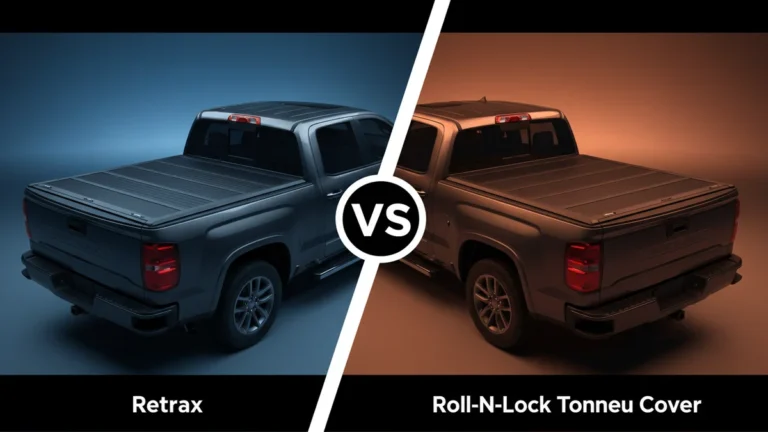
While both tonneau covers promise to shield your cargo, their fundamental construction methods dictate vastly different operational characteristics and performance metrics. The Tri-Fold, with its rigid, segmented panels, typically offers a more robust, hard-cover design, whereas the Roll-Up Tonneau Cover relies on flexible fabric or vinyl. These core differences in material and deployment mechanism lead to distinct advantages in areas like security and full bed access.
✓ = better value in that row. Sourced from manufacturer specifications.
Performance & Category Ratings
Digging into the established ratings reveals distinct strengths for each cover, highlighting where your priorities should guide your choice. For sheer cargo protection, the Tri-Fold stands out, earning a formidable 9.0 in Security against the Roll-Up Tonneau Cover‘s 6.5. This isn’t surprising; the Tri-Fold’s hard, interlocking panels present a formidable barrier, significantly deterring theft compared to the more easily compromised fabric or vinyl of a Roll-Up.
Weatherproofing also leans heavily in the Tri-Fold’s favor, scoring an 8.8 to the Roll-Up’s 7.5. Its solid panels and tighter seals are simply more effective at keeping rain, snow, and dust out of your truck bed, providing superior peace of mind for sensitive cargo. However, the Roll-Up Tonneau Cover truly shines in Ease of Use (Daily), achieving a 9.0 compared to the Tri-Fold’s 8.5. Its single, fluid motion to open and close makes it incredibly convenient for quick access to your bed, whereas a Tri-Fold requires multiple folds and latching steps.
For those needing maximum hauling capacity, the Roll-Up Tonneau Cover is the undisputed champion in Full Bed Access, offering an impressive 9.5 against the Tri-Fold’s 7.0. Rolling completely to the bulkhead, it clears the entire bed for oversized loads, a critical advantage for many users. The Tri-Fold, by contrast, stacks its panels at the bulkhead, occupying some bed space. In terms of Value for Money, the Roll-Up nudges ahead with an 8.5 rating over the Tri-Fold’s 7.9, often presenting a more budget-friendly initial purchase. Yet, the Tri-Fold counters with superior Durability, earning an 8.7 to the Roll-Up’s 7.0, thanks to its more robust material construction. Finally, Aesthetics/Profile is a close call, with the Tri-Fold at 8.2 and the Roll-Up at 8.0; both can offer a sleek, low-profile look, but the Tri-Fold often presents a slightly more integrated, factory-fitted appearance.
Folding Cover
Rolling Cover
By the Numbers
Recommended Best Deal Products


The stark numerical differences between the Tri-Fold and Roll-Up Tonneau Covers paint a vivid picture of their contrasting capabilities. These ratings aren’t just arbitrary scores; they represent tangible benefits and trade-offs that directly impact your daily truck ownership experience. From the significant gap in security to the nuanced difference in aesthetic appeal, these figures crystallize the core distinctions. Understanding these data points is crucial for identifying which tonneau cover truly aligns with your specific needs and priorities, revealing a compelling story beyond mere features.
Folding Cover
Rolling Cover
Hover any bar for exact values. Each metric scaled independently.

Audible — Listen Free for 30 Days
One free credit a month and thousands of titles included.
Listen Free for 30 Days As an Amazon Associate I earn from qualifying purchases.Tri-Fold: Strengths and Weaknesses
The Tri-Fold tonneau cover makes a strong case for users prioritizing robust protection and long-term durability. Its paramount strength lies in its Security, achieving an outstanding 9.0 rating. Constructed with rigid panels, often aluminum or a composite, it offers a formidable barrier against theft that flexible covers simply can’t match. This solid construction also translates directly to superior Weatherproofing, scoring an 8.8. It forms a tighter seal and is less prone to leaks, keeping your cargo dry and dust-free through various conditions.
Another significant advantage is its Durability, rated at 8.7. These hard-panel designs are built to withstand impacts, UV exposure, and general wear and tear far better than softer materials, often promising a longer lifespan and better resale value. The Aesthetics/Profile also rates well at 8.2; many Tri-Folds sit flush with the bed rails, offering a clean, integrated look that complements modern truck designs. However, the Tri-Fold isn’t without its compromises. Its biggest drawback is Full Bed Access, scoring a modest 7.0. When fully open, the panels stack against the truck’s bulkhead, partially obstructing the bed and limiting the length of oversized items you can carry. While Ease of Use (Daily) is respectable at 8.5, it requires a bit more effort to unlatch and fold than a simple roll-up. Furthermore, its Value for Money rating of 7.9 reflects a generally higher price point compared to Roll-Up alternatives, which can be a deciding factor for some budgets. When these advantages resonate with your hauling needs, exploring the specific Tri-Fold models available makes sense.

Price & availability subject to change. As an Amazon Associate we earn from qualifying purchases.
Roll-Up Tonneau Cover: Strengths and Weaknesses
Recommended Best Deal Products


For those who demand ultimate versatility from their truck bed, the Roll-Up Tonneau Cover presents a compelling case, particularly in its capacity for Full Bed Access. Scoring an exceptional 9.5 in this category, it completely clears the bed when rolled up, allowing you to haul large furniture, ATVs, or construction materials without any obstruction. This unmatched utility is complemented by superior Ease of Use (Daily), earning a 9.0. Its simple, quick operation—often a single unlatch and roll—makes accessing your cargo or preparing for oversized loads incredibly convenient.
The Roll-Up also excels in Value for Money, rated at 8.5. Generally more affordable than hard covers, it offers excellent functionality without a significant upfront investment, appealing to budget-conscious buyers. Its Aesthetics/Profile, at 8.0, is also quite good; many models offer a sleek, low-profile design that smoothly blends with your truck’s lines. Despite these benefits, the Roll-Up Tonneau Cover does have notable weaknesses. Its primary Achilles’ heel is Security, where it scores a comparatively low 6.5. Made typically from fabric or vinyl, these covers are more susceptible to cutting or forced entry, offering less protection for valuable cargo. Weatherproofing, at 7.5, is decent but not as robust as a hard cover; while they protect against most rain, extreme weather or persistent leaks can be a concern. Finally, Durability sits at 7.0. The softer materials are more prone to rips, fading, and general wear over time, potentially leading to a shorter lifespan than their hard-paneled counterparts. For those prioritizing versatility and accessibility above all else, browsing the range of Roll-Up Tonneau Covers is the next logical step.
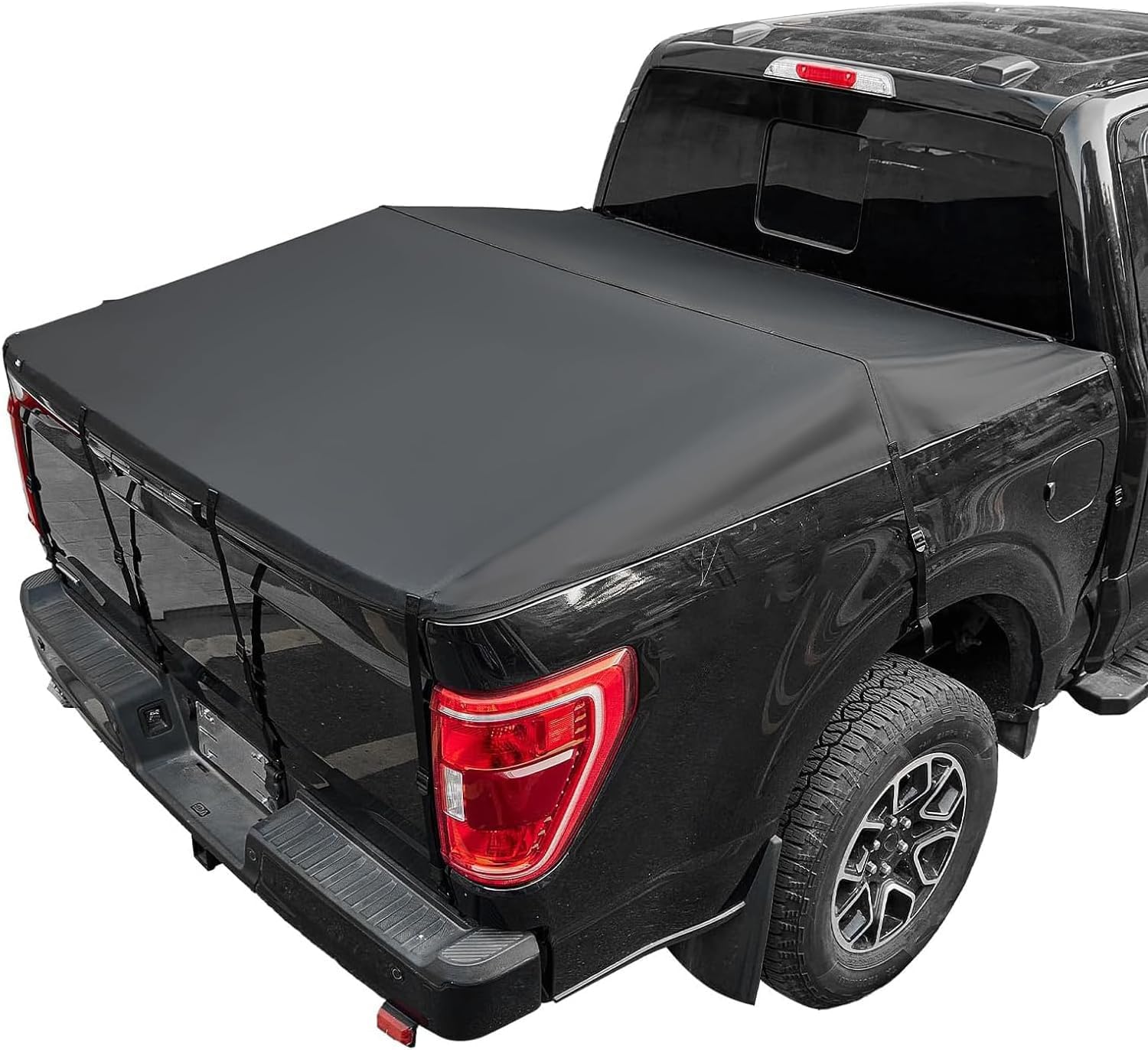
Price & availability subject to change. As an Amazon Associate we earn from qualifying purchases.
- ✅ Superior security against theft with hard panel options.
- ✅ Excellent weather protection for cargo.
- ✅ Allows convenient partial bed access by folding segments.
- ✅ Generally more durable with a longer expected lifespan.
- ✅ Quick and straightforward installation for many models.
- ❌ Typically higher cost than soft Roll-Up covers.
- ❌ Does not allow 100% full bed access (panels stack).
- ❌ Can obscure rear window visibility when fully open.
- ❌ Heavier than soft roll-ups, harder to remove completely.
- ✅ More affordable price point, especially for soft versions.
- ✅ Provides nearly 100% full, unobstructed truck bed access.
- ✅ Lightweight and very easy to operate.
- ✅ Compact when open, doesn't block rear view.
- ✅ Often simple to install for first-time users.
- ❌ Lower security against theft compared to hard covers.
- ❌ Generally less weather resistant, prone to minor leaks.
- ❌ Softer materials can degrade faster (UV damage, tears).
- ❌ No convenient partial bed access; usually requires full rolling.
Which One Should You Choose?
The choice between a Tri-Fold and a Roll-Up Tonneau Cover ultimately boils down to your specific needs and how you use your truck. If you’re a daily commuter who regularly carries valuable tools, luggage, or sensitive equipment, the Tri-Fold is likely your superior option. Its outstanding Security rating of 9.0 and Weatherproofing score of 8.8 mean your items are well-protected from both thieves and the elements. You might sacrifice a bit of full bed access, but the peace of mind knowing your gear is safe under a hard, sealed cover is often worth it. For enhanced organization with a Tri-Fold, consider adding a sturdy 🛒 Under-Seat Storage Unit → for smaller valuables.
Conversely, if your truck is frequently tasked with hauling large, bulky items like furniture, dirt bikes, or construction supplies, the Roll-Up Tonneau Cover is the clear winner. Its unmatched Full Bed Access (9.5) and effortless Ease of Use (Daily) (9.0) make loading and unloading oversized cargo a breeze. While security (6.5) and durability (7.0) are lesser, the ability to fully use your bed’s capacity without obstruction is paramount. For securing items within an open roll-up bed, a robust 🛒 Adjustable Cargo Bar → or a heavy-duty 🛒 Cargo Net → can be invaluable. If budget is a primary concern, the Roll-Up’s higher Value for Money (8.5) often makes it more appealing as a first-time purchase or for those not needing maximum security. However, if you view your tonneau cover as a long-term investment, the Tri-Fold’s superior Durability (8.7) might justify its higher initial cost over the years. Consider your truck’s primary role: is it a secure vault on wheels, or a versatile hauler? That distinction will guide you to the perfect cover.
Audible Premium Plus — Annual Membership
12 audiobook credits up front, plus the full Audible catalogue.
See Annual Plans As an Amazon Associate I earn from qualifying purchases.Users prioritizing high security, weather protection, and quick, partial bed access.
Users needing maximum, unobstructed truck bed access for large, irregular cargo.
Final Verdict
After a thorough head-to-head comparison, the Tri-Fold tonneau cover generally emerges as the slight winner for the majority of truck owners. Its significant advantages in Security (9.0 vs. 6.5) and Weatherproofing (8.8 vs. 7.5) offer unparalleled protection for your cargo, making it an ideal choice for anyone prioritizing the safety and dryness of their valuable contents. While the Roll-Up Tonneau Cover shines brightly with its exceptional Full Bed Access (9.5) and Ease of Use (9.0), catering perfectly to those who frequently haul oversized items, this utility comes at the expense of robust protection.
The core trade-off remains clear: choose the Tri-Fold for robust protection and enhanced security, or opt for the Roll-Up for maximum utility and unrestricted bed access. Your ideal tonneau cover ultimately hinges on which of these crucial attributes aligns most closely with your personal driving habits and cargo needs. Both are excellent products, but for overall peace of mind and protection, the Tri-Fold consistently delivers.
Frequently Asked Questions
Is Tri-Fold better than Roll-Up Tonneau Cover?
Tri-Fold covers are generally considered 'better' for security (score 9.0 vs 6.5) and weather protection (8.8 vs 7.5), especially hard panel versions. However, Roll-Up covers excel in providing maximum bed access (98% vs 70%) and are often more budget-friendly, averaging $500 compared to Tri-Fold's $800. The 'better' choice depends on your primary use case.
Which tonneau cover is more reliable in 2026?
Tri-Fold covers, particularly hard-panel variants, generally exhibit higher reliability and durability due to their rigid construction. They typically boast an expected lifespan of 5-8 years, outperforming soft Roll-Up Tonneau Covers which average 3-6 years, making Tri-Fold a more robust long-term investment against wear and tear.
What is the biggest difference between Tri-Fold and Roll-Up covers?
The most significant difference lies in bed access and security. Roll-Up Tonneau Covers offer nearly 100% full bed access by rolling completely away, ideal for oversized items. Tri-Fold covers provide superior security and weather protection, with a security rating of 9.0 compared to Roll-Up's 6.5, though they only offer about 70% bed access when folded.
Are Tri-Fold covers worth the higher price?
For many users, the higher price of a Tri-Fold cover, averaging around $800 versus $500 for a Roll-Up, is justified by superior security (9.0 rating), enhanced weather protection, and a longer expected lifespan of 5-8 years. If protecting valuable cargo and ensuring durability are top priorities, the added investment is often considered worthwhile.
Which cover is easier for a first-time user to install?
Tri-Fold covers are generally easier for first-time users, often requiring just 10-20 minutes for installation due to their clamp-on design and minimal assembly. Roll-Up Tonneau Covers, while not difficult, typically take slightly longer, around 20-40 minutes, as they often involve installing rails along the truck bed before attaching the cover itself.