tom ford batch code checker: Explained Simply

Ever wondered if that ‘Private Blend’ bottle you found is fresh or a relic? Whether you are a seasoned collector or a first-time buyer, the mystery of a perfume’s age is a common concern. Shoppers often treat the tom ford batch code checker as the ultimate litmus test for authenticity, assuming that a recognized code equals a genuine product. However, this perspective is incomplete. This guide provides a professional look at how to use these tools effectively while teaching you the physical inspection techniques that really matter to your collection’s integrity.
Understanding the Tom Ford Batch Code Checker Purpose
Recommended Best Deal Products


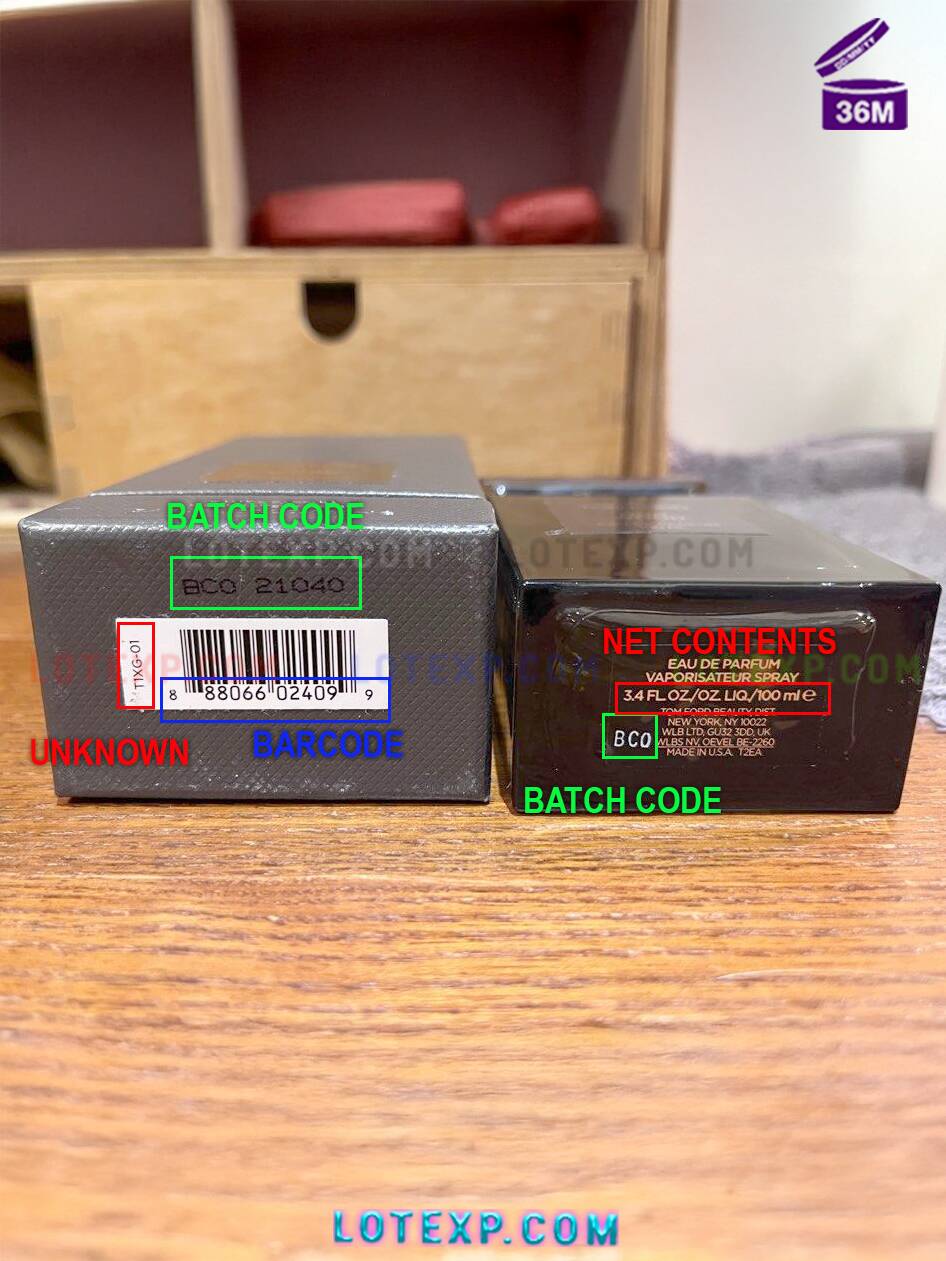
To understand the value of a batch code, one must first recognize its origin. Tom Ford fragrance production is managed by The Estée Lauder Companies, which dictates the formatting system for all their luxury fragrance brands. The batch code is essentially a production fingerprint, designed for quality control and inventory tracking within the manufacturer’s supply chain.

📤 Share Image
Why Manufacturing Dates Matter for Shelf Life
A batch code communicates exactly when the item was filled—not when it was sold or opened. Fragrances are chemical compositions; as they age, certain volatile top notes may oxidize, and the scent profile can drift from its intended olfactory design. Understanding the age of your fragrance helps you manage your rotation, ensuring you use the most delicate compositions before their prime efficacy diminishes.
Batch Codes vs. UPC Barcodes: Knowing the Difference
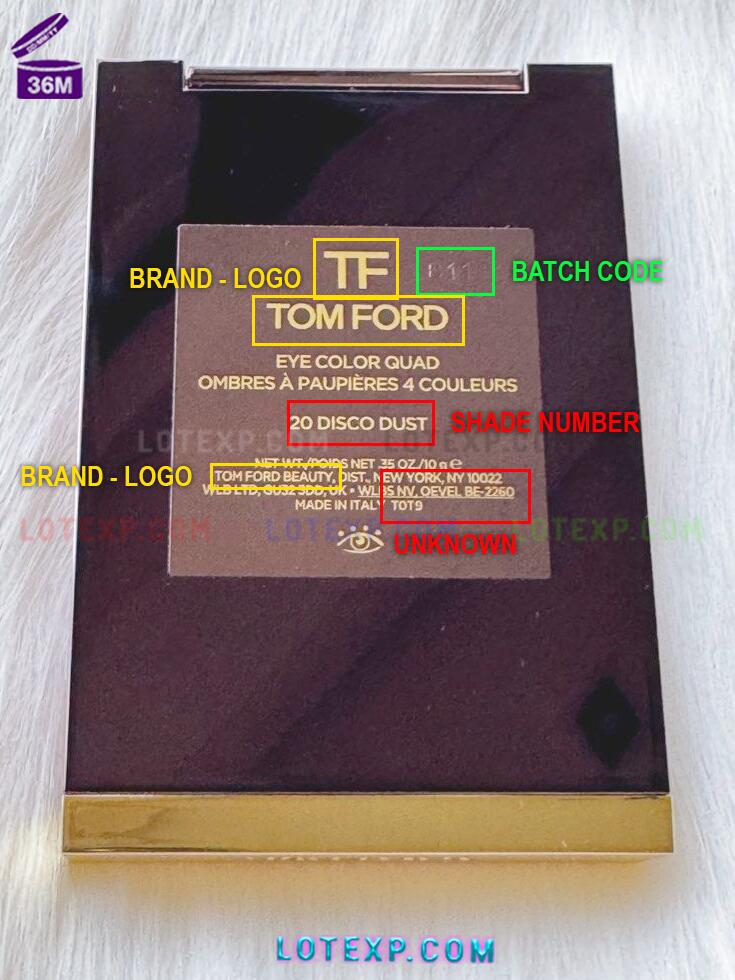
It is vital to distinguish between a Batch Code and a UPC (Universal Product Code). The UPC is static—it identifies the product type, size, and SKU. The Batch Code, however, is dynamic and unique to a specific manufacturing run. While the UPC informs the retailer what the product is, the batch code informs the manufacturer of when and where the specific liquid inside the glass was prepared. Note that while modern Tom Ford bottles often feature 5-character codes, older legacy formulations might utilize a shorter 3-character format.
By The Numbers
Characters in Code
Not Authentic Proof
How to Use a Tom Ford Batch Code Checker Step by Step
While these tools are not official brand portals, they are useful for gathering historical data. The authentication process for these checkers relies on cross-referencing user-submitted data with manufacturer patterns.
📋
Step-by-Step Guide
Recommended Best Deal Products

Inspect the bottom of the bottle or the lower back of the box. Tom Ford utilizes laser-etched codes directly onto the glass, which are sometimes difficult to see without angling the bottle under a direct light source.
Navigate to a trusted portal like CheckFresh. Select ‘Tom Ford’ from the brand dropdown menu and input the 3-to-5-character alphanumeric string exactly as it appears.
The system will return a date. If no date appears, it does not confirm a fake—it often simply means the database has not updated to include the most recent production cycles.
Reliability of Tom Ford Batch Code Checker Results
The greatest misconception in the fragrance industry is that a ‘valid’ batch code validates a bottle as authentic. In reality, large-scale counterfeit operations are well-versed in legitimate production codes. They often take an authentic batch code from a single genuine bottle and print it on thousands of counterfeit units. Relying solely on the code checker provides only a superficial layer of security.
If a product is missing from a batch code database, do not automatically conclude it is counterfeit. New production runs often take months to appear in third-party, non-official databases. Always inspect the physical quality—glass clarity, font weight, and the weight of the cap—first.
Managing Fragrance Shelf Life and PAO Information
Knowing the age of your fragrance is useful for managing the “PAO” (Period After Opening). This is typically represented on the packaging by an open jar symbol followed by a number (e.g., 36M), indicating the recommended months of stability after the seal is broken.
Maintaining Longevity and Storage
Proper storage is arguably more critical than the manufacturing date. High-quality ingredients are sensitive to environmental shifts. Follow these professional best practices to extend the life of your collection:
- Avoid the Bathroom: Humidity and temperature fluctuations are the primary enemies of fragrance stability.
- Limit UV Exposure: Direct sunlight breaks down delicate aromatic molecules; store bottles in a dark, cool environment.
- Keep Original Packaging: If possible, keep the outer box to provide an extra layer of protection against light and temperature.
- Monitor for Degradation: If the juice color changes significantly or the scent becomes metallic or sour, the fragrance may have oxidized.
Professional Summary and Final Recommendations
To wrap up our expert guide, it is important to remember that batch code checkers are diagnostic tools for production history, not security enforcement tools. They provide useful information but should never override your professional judgment regarding the physical characteristics of the bottle itself. Authenticity is multifaceted; always prioritize buying from authorized, trusted retailers. If you are ever in doubt, the most reliable guarantee is the provenance of your source. Use the code checker as part of your research, but trust your eyes and the reputation of the retailer above all else.
Tom Ford Batch Code Checker: Frequently Asked Questions
Where is the batch code located on a Tom Ford bottle?
The batch code is typically laser-etched directly onto the bottom of the glass bottle. In some cases, it may be printed on a small adhesive label. If you are examining a full product presentation, the same code should also be stamped or embossed on the outer cardboard packaging, specifically near the bottom or the lower back side.
Why does my batch code not show up in the database?
This is usually due to one of three reasons: the fragrance was produced very recently and the database hasn’t updated its cycles, the database does not support the specific regional batch format, or you have misread an alphanumeric character. Always double-check your entry for common errors like substituting the letter ‘I’ for the number ‘1’ or ‘O’ for ‘0’.
Does an old batch code mean the perfume is expired?
Not necessarily. Perfumes do not have a hard expiration date in the way food does. If stored away from direct sunlight, humidity, and temperature fluctuations, a fragrance can remain professional and high-quality for well over a decade. A ‘vintage’ code simply indicates the date of manufacture, not the point of product degradation or spoilage.
Can counterfeit perfumes have real batch codes?
Yes. Counterfeiters often copy valid batch codes from authentic bottles found in retail stores. This makes the appearance of a ‘valid’ result on a checker a poor indicator of authenticity. You must rely on a combination of factors, including the quality of the bottle, the precision of the label, and the reputation of the retailer.
How often does Tom Ford recycle batch codes?
Tom Ford, like most beauty brands under the Estée Lauder umbrella, typically recycles batch codes on a ten-year cycle. This means the code you see may correspond to a production year ten years prior or ten years after. This is why checking the code in context with your purchase timeline is an expert-level step in verification.