Ford Mustang GT500 Code Red Anatomized by Performance

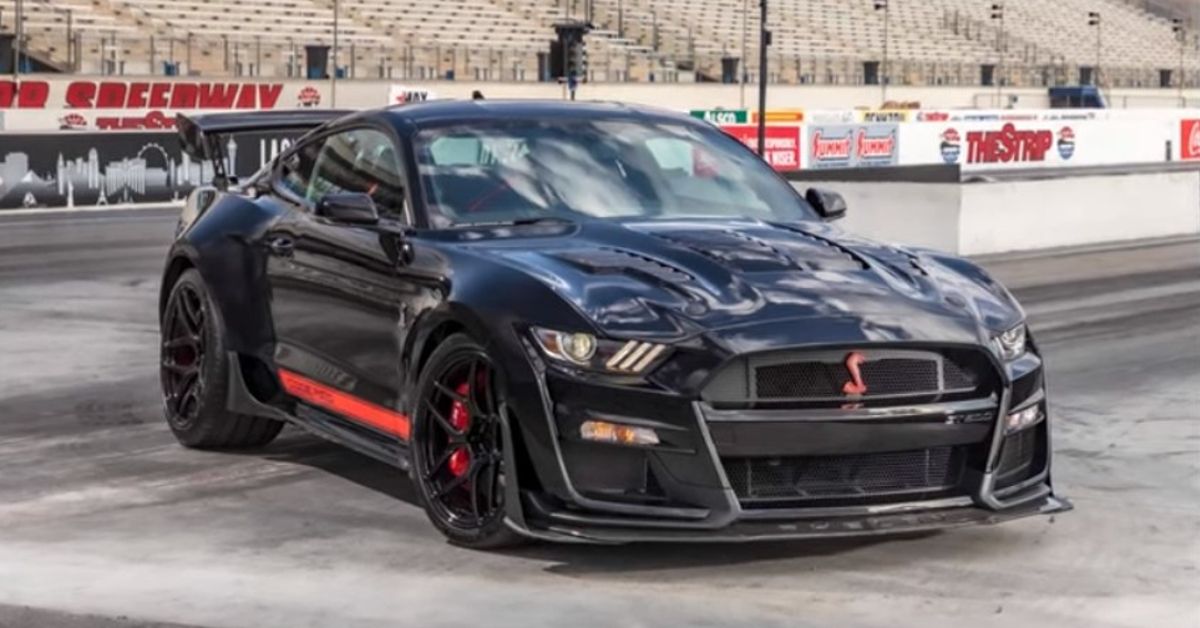
The Shelby GT500 Code Red represents the most extreme expression of the modern Mustang platform ever to reach the public. While many enthusiasts occasionally confuse this limited-run, high-performance masterpiece with a standard factory Ford offering, it is critical to understand the distinction between a production assembly line vehicle and a specialized, post-title engineering conversion. In this professional guide, we break down exactly what makes the Code Red an engineering marvel, from its radical powertrain overhaul to its track-bred aerodynamics, and what collectors must know about its unique operational requirements.
Defining the Heritage and Scope of the Ford Mustang GT500 Code Red



📤 Share Image

Shelby American Post-Title Engineering
The Shelby GT500 Code Red is categorized as a “post-title” modification. This means that Ford Motor Company manufactures the base Shelby GT500, which is then purchased, titled, and subsequently shipped to the Shelby American facility in Las Vegas. Unlike the standard production line, the Code Red process involves a total teardown and rebuild of the vehicle’s core systems. It is not a vehicle you order through a local Ford dealership’s configurator; rather, it is a bespoke engineering project that transforms a street-legal muscle car into a purpose-built, high-output machine.
Distinguishing Code Red from Factory GT500s
Industry experts recognize the Code Red as an evolution of a concept prototype, now made available in extremely limited quantities for the most serious collectors. While the factory GT500 is a highly capable track machine, the Code Red is essentially a prototype-grade build that pushes the 5.2L V8 platform well beyond the thermal and mechanical limitations imposed on mass-produced vehicles. The scarcity of these units is by design, ensuring that the engineering labor and specialized parts remain exclusive to a small group of high-performance enthusiasts.
Engineering the Twin-Turbo Ford Mustang GT500 Code Red


The 5.2L V8 Twin-Turbo Transformation
The defining characteristic of the Code Red build is the removal of the 2.65L Eaton supercharger. Replacing forced induction via a belt-driven blower, Shelby American integrates a sophisticated twin-turbocharged system. This conversion is not a simple “bolt-on” process; it involves significant changes to the exhaust manifolds, charge piping, and intercooler configuration. Research indicates that this move to twin turbochargers allows for a more linear, sustainable power band that avoids the immediate heat soak often experienced during prolonged track sessions with supercharged platforms.
E85 Fueling and Advanced ECU Calibration
To achieve the astronomical horsepower figures associated with the Code Red—often exceeding 1,000 hp on E85—the engine management system undergoes a total calibration rewrite. The use of E85 is not merely an option; it is a core requirement for the engine to safely operate at these boost levels. The advanced engine management system monitors fuel quality, air density, and exhaust gas temperatures in real-time, adjusting timing and boost mapping to ensure reliability.
Because the Code Red relies on high-octane E85 to prevent pre-ignition and knock, owners must ensure their fuel supply is consistent and fresh. Degrading fuel quality is the primary cause of engine management faults in high-boost, high-compression builds.
Track Dynamics: Handling and Exterior Upgrades


The transformation from a street car to a circuit weapon requires more than just raw power; it necessitates significant aerodynamic and suspension architecture changes. The following modifications are standard on the Code Red:
- Widebody Kit Integration: The aggressive widebody kit is not merely aesthetic; it is designed to facilitate a wider track width, allowing for significantly larger rubber to be mounted. This increases the mechanical grip necessary to put 1,000+ horsepower to the pavement.
- Aerodynamic Downforce: Revised front splitters and rear wing profiles are optimized for high-speed stability, shifting the center of pressure to improve turn-in and mid-corner balance.
- Adjustable Coilover Suspension: The standard MagneRide suspension is heavily modified or replaced with track-spec, multi-way adjustable coilovers. These allow expert drivers to fine-tune bump and rebound damping to suit specific track surfaces.
- Upgraded Cooling Matrix: With twin turbos generating massive under-hood heat, the cooling system is upgraded to include high-flow heat exchangers, ensuring transmission and engine oil stay within safe operating parameters during hard track usage.
Comparison: Ford Mustang GT500 Code Red vs Standard Variants
For collectors weighing their investment options, understanding the difference between a Heritage Edition and a Code Red is paramount.
Management and Investment Maintenance Guide
Collector Maintenance Best Practices
Owning a Code Red is vastly different from maintaining a standard Shelby. Because it is a highly tuned, specialized build, it follows a strict maintenance schedule. Fluids, particularly those for the transmission and differential, should be inspected far more frequently than the manufacturer’s manual for a standard GT500 suggests. Trust only certified performance shops or Shelby-authorized centers that have documented experience with twin-turbo systems, as incorrect servicing can easily void specialized warranties or damage sensitive engine components.
Avoiding Common Ownership Misconceptions
A frequent pitfall is assuming that the Code Red is a “daily driver.” While it retains its road-legal status, the aggressive tune, heavy-duty clutch, and specialized suspension components are designed for high-performance extraction, not comfortable commuting. Treating the Code Red like a daily driver will lead to premature component failure and unnecessary wear. Furthermore, always verify the provenance of any unit before purchase; the Code Red is a specific program, and “Code Red-style” modifications performed by independent shops do not hold the same market value or engineering pedigree as authentic Shelby American builds.
Never attempt to service the engine management system or adjust the turbo boost mapping without professional support. The ECU calibration is proprietary to the Code Red build, and unauthorized tampering can result in catastrophic engine failure or immediate loss of performance tuning.
Industry Data and Technical Specifications
By The Numbers
Typical Horsepower (E85)
V8 Engine Displacement
Final Considerations for the Code Red Enthusiast
The Ford Mustang GT500 Code Red remains the pinnacle of Shelby American’s performance efforts, serving as a bridge between production muscle and true racing engineering. Its conversion from a supercharged system to a twin-turbocharged, E85-hungry powerplant is a testament to what is possible when design constraints are removed.
For the prospective collector, this vehicle represents a significant commitment. The Code Red is not merely a car; it is a mechanical artifact that requires professional oversight, specialized maintenance, and an understanding of its unique place in the automotive hierarchy.
📋
Summary of Actionable Insights
Always ensure any Code Red unit is verified by official Shelby American documentation to avoid clones or independent builds.
Only use trusted, certified performance technicians who understand the complexities of the twin-turbo system and E85 fueling protocols.
If you are considering acquiring or maintaining a Code Red unit, consult with certified Shelby specialists immediately. Their professional guidance is the only reliable way to ensure this high-performance investment remains in peak condition for years to come.
Ford Mustang gt500 Code Red: Frequently Asked Questions
Is the Code Red street legal?
No, the Ford Mustang GT500 Code Red is not street legal. Due to the removal of factory emissions equipment, the integration of high-flow racing exhaust systems, and its specific tuning configuration, it is classified exclusively as a track-use vehicle. Owners must ensure they have proper transport facilities, as the car is not intended for use on public roads or compliant with highway safety regulations.
How many Code Red units were produced?
Shelby American limited the production of the Code Red based on the 2020-2022 Shelby GT500 platform. Production was strictly capped at only 10 units per model year, making it an incredibly rare collector’s vehicle. This limitation ensures exclusivity and allows the Shelby team to maintain rigorous quality control over the complex twin-turbo installations required for each unit.
Does the Code Red require specialized fuel?
To reach its maximum output of 1,300 horsepower, the Code Red strictly requires E85 ethanol-based fuel. While the engine can operate on 93-octane pump gas, it is internally calibrated to limit its output to 1,000 horsepower under those conditions. Using improper fuel ratios while running high-boost settings can lead to catastrophic engine failure and void the vehicle’s specific performance warranty.
How is it different from a stock GT500?
The primary difference lies in the induction system: the stock GT500 utilizes a 2.65L supercharger, whereas the Code Red features a proprietary twin-turbo system. Additionally, the Code Red includes a completely rebuilt engine with forged internals, an upgraded cooling system, a wider body kit for aerodynamic stability, and a bespoke suspension setup engineered specifically for track-only performance and extreme torque management.
Is the Shelby American warranty applicable to Code Red builds?
Because the Code Red is a comprehensive, radical modification performed by Shelby American, it falls outside the scope of a standard Ford factory warranty. Shelby American provides a specific agreement for these builds that covers the engineering and assembly performed during the conversion. Owners should consult their specific service documentation as these vehicles require expert-level, non-standard maintenance protocols to retain their value and performance reliability.