7.3 Powerstroke Fuel System: HEUI & Fuel Flow Explained

The 7.3 Powerstroke utilizes a unique HEUI (Hydraulic Electronic Unit Injection) system that relies on high-pressure engine oil to actuate the fuel injectors. Unlike common rail systems, it features a dual-stage delivery process where a lift pump sends fuel to the heads while the High Pressure Oil Pump (HPOP) provides the hydraulic force needed for injection.
🎯 Key Takeaways
Recommended Best Deal Products


- The HEUI system uses high-pressure engine oil to fire injectors instead of fuel pressure alone.
- Clean engine oil is vital because it acts as the hydraulic fluid for the injection process.
- The HPOP (High Pressure Oil Pump) is the core mechanical heart of the 7.3 injection system.
- Fuel travels from the tank through a fuel bowl filter before entering the cylinder head galleries.
- The IPR valve and ICP sensor are essential for regulating injection oil pressure and timing.
The 7.3L Powerstroke doesn’t use a traditional mechanical injection pump or a modern common rail setup. Instead, it relies on the HEUI (Hydraulic Electronic Unit Injector) system, where high-pressure engine oil is the primary force that physically pushes fuel into your cylinders. Your truck’s performance is entirely dependent on the interaction between two separate systems: the low-pressure fuel delivery side and the high-pressure oil side.

Prime for Young Adults — 6 Months Free
Students and 18–24s get six months of Prime free, then half price.
Start 6 Months Free As an Amazon Associate I earn from qualifying purchases.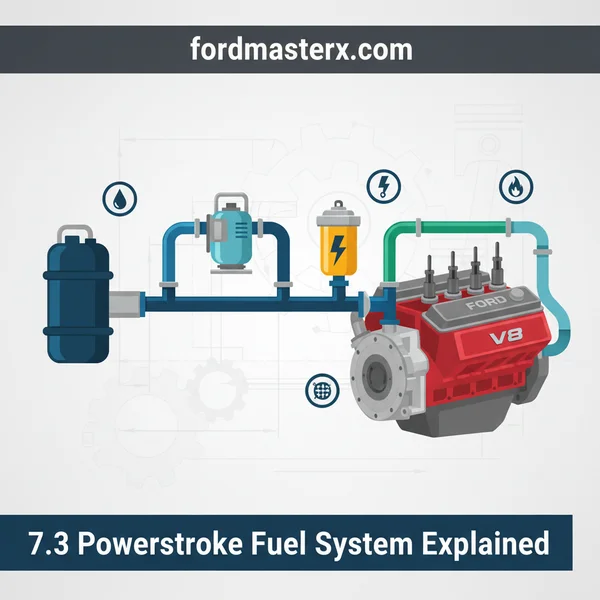
Understanding this relationship is critical for any owner because it changes how you diagnose engine issues. When your 7.3 has a “fuel problem,” it is often actually an oil problem. By mastering how the High Pressure Oil Pump (HPOP) and the fuel galleries work together, you can pinpoint failures like worn injector O-rings or a failing IPR valve without wasting money on unnecessary parts. This guide breaks down exactly how these fluids interact to keep your engine running.
Understanding HEUI: The Science of Oil-Activated Injection
HEUI technology was revolutionary when it hit the market in the mid-90s. Unlike mechanical systems that rely on camshaft timing or high-pressure fuel pumps, HEUI allows the Engine Control Module (ECM) to control injection timing and pressure independently of engine speed. The core of this system is the “Intensifier Piston” located inside each fuel injector, which acts as a force multiplier for the fuel.

The Intensifier Piston: Multiplying Force
Inside the injector, high-pressure oil enters the top and pushes down on a large intensifier piston. Below this piston is a smaller plunger that sits directly on top of the fuel. Because the surface area of the oil-side piston is roughly seven times larger than the fuel-side plunger, the pressure is multiplied by that same ratio.
- Pressure Multiplication: If the HPOP delivers 3,000 PSI of oil pressure to the top of the injector, the internal plunger generates approximately 21,000 PSI of fuel injection pressure.
- The Poppet Valve: An electronic solenoid on top of the injector pulls a small poppet valve open. This allows the high-pressure oil to enter the injector and start the downward stroke of the piston.
- Split Shot Injection: The HEUI system in later 7.3 models allows for a small “pilot” injection before the main fuel event. This helps reduce the characteristic “diesel clatter” and improves emissions.
The Fuel Path: From Tank to Gallery
Before the oil can do its work, fuel must reach the injector. The process begins at the fuel tank. On 1999-2003 models, an electric frame-mounted lift pump pulls fuel from the tank and pushes it forward at 50 to 65 PSI. It enters the fuel filter bowl located in the “valley” of the engine, where it passes through a 10-micron filter and a water separator.
From the bowl, fuel flows through dedicated lines into the back of each cylinder head. These heads contain internal fuel galleries—hollowed-out passages that run the length of the head. These galleries keep the middle section of the injectors submerged in fuel at all times. This ensures that as soon as the oil-driven piston fires, there is a constant, pressurized supply of fuel ready to be atomized into the combustion chamber.
Critical Components: Analyzing the Roles of the HPOP, IPR, and ICP
Recommended Best Deal Products


The HEUI system cannot function without a precise feedback loop managed by the computer. Three main components work in unison to ensure the injectors receive the exact oil pressure required for the current engine load, temperature, and throttle position.
The HPOP and IPR Valve: Creating and Regulating Pressure
The High Pressure Oil Pump (HPOP) sits at the front of the engine valley, gear-driven by the camshaft. It takes standard engine oil from a dedicated reservoir (fed by the low-pressure oil pump) and pressurizes it. However, the HPOP is a fixed-displacement pump, meaning it often creates more pressure than the engine needs. This is where the Injection Pressure Regulator (IPR) valve comes in.
- IPR Function: The IPR is an electromagnetic valve located on the back of the HPOP. It opens and closes to dump excess high-pressure oil back into the crankcase.
- Duty Cycle: The PCM (Powertrain Control Module) controls the IPR via a “duty cycle” percentage. A higher duty cycle (e.g., 40% vs 12%) means the valve is closed more, forcing the oil pressure to rise.
- Typical Operating Range: You will generally see about 500 PSI at a warm idle and up to 3,000+ PSI under wide-open throttle (WOT) or heavy towing conditions.
The ICP Sensor: The System’s Electronic Eyes
The Injection Control Pressure (ICP) sensor provides the feedback necessary for the PCM to make adjustments. Located on the driver-side cylinder head oil rail, it monitors the actual oil pressure and sends a corresponding voltage signal to the computer. The PCM then compares this to its “desired” pressure map and adjusts the IPR valve duty cycle accordingly.
- The 500 PSI Rule: The 7.3L Powerstroke is programmed with a safety threshold. The PCM will not signal the injectors to fire until the ICP sensor reports at least 500 PSI of oil pressure during cranking.
- Diagnosing Failures: If your truck has a rough idle or stalls, check the ICP sensor connector. If you find oil inside the electrical plug, the sensor’s internal seal has failed, causing “sensor bias” and sending incorrect data to the PCM.
- Default Strategy: If you suspect a bad ICP sensor, you can unplug it. The PCM will recognize the loss of signal and default to a fixed injection pressure table, which often allows a struggling truck to start and run smoothly enough to get home.
Mechanical vs. Electric Lift Pumps: Evolution Across Model Years
The 7.3 Powerstroke saw a significant evolution in its delivery method over its decade-long production run. Depending on the year of your truck, the way fuel gets from the tank to the engine heads varies significantly, impacting both performance and how you approach repairs.

Audible — Listen Free for 30 Days
One free credit a month and thousands of titles included.
Listen Free for 30 Days As an Amazon Associate I earn from qualifying purchases.
The OBS Mechanical Pump (1994.5–1997)
Early “Old Body Style” (OBS) trucks utilized a mechanical fuel pump located deep in the engine valley, tucked underneath the turbocharger. This dual-stage pump is driven by a plunger riding on the camshaft. It pulls fuel from the tanks and pushes it into the fuel bowl at roughly 40-60 PSI. While these pumps are incredibly robust, they are notorious for leaking from the weep hole as they age, often filling the engine valley with raw diesel and creating a “phantom” leak that drips off the back of the transmission.
The Super Duty Electric Pump (1999–2003)
With the introduction of the Super Duty platform, Ford switched to an electric frame-mounted lift pump. This was a massive upgrade for several reasons:
- Consistent Pressure: Electric pumps provide steady flow and pressure regardless of engine RPM, ensuring the injectors are never starved during hard acceleration.
- Easier Priming: If you run out of fuel or change a filter, you can prime the system simply by cycling the key, rather than having to crank the engine excessively.
- Serviceability: Being mounted on the driver-side frame rail makes these much easier to access and replace than the mechanical units buried in the engine’s “valley.”
Common Failure Points and Maintenance Factors for System Longevity
Recommended Best Deal Products


Even though the 7.3 is widely considered a “million-mile” engine, the fuel system components are often the first things to show their age. Understanding these weak spots can save you a massive headache on the side of the road.
The “Valley of Death” Leaks
If you smell diesel or see a puddle under the bellhousing, you likely have a leak in the engine valley. Common culprits include the fuel bowl drain valve O-rings and the metal fuel lines. Over time, the constant vibration of the diesel engine can cause these lines to rub against the engine block until they pinhole. A small leak here not only wastes fuel but can also allow air to be sucked into the system, leading to a rough idle or “cackling” injector noise.
The Fuel Bowl Heater Short
This is a classic 7.3 quirk that every owner should know. There is a heating element inside the fuel bowl designed to prevent gelling in extreme cold. Over time, the insulation on this element breaks down and shorts out against the housing. When this happens, it blows Fuse 22 (on Super Duties), which also happens to power the PCM (Powertrain Control Module). The result is a truck that dies instantly and will not restart until the heater is disconnected and the fuse is replaced.
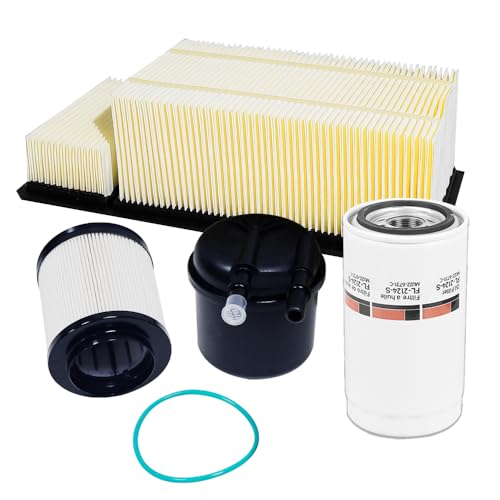
- Regular Filter Changes: You should replace your fuel filter every 15,000 miles. Debris is the number one killer of HEUI injectors.
- Monitor the “Shower Head”: The fuel pickup screen inside the tank (often called the shower head) can break off over time. If your truck dies when you have 1/4 tank of fuel remaining, this is likely your culprit.
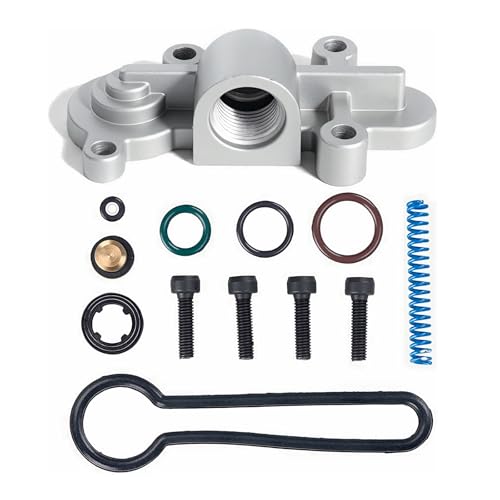
- Check Your O-Rings: The fuel pressure regulator (FPR) on the side of the fuel bowl uses small O-rings that eventually flatten and leak, causing a drop in fuel pressure.
Conclusion: Keeping Your 7.3 Fuel System Healthy
The 7.3 Powerstroke fuel system is a unique blend of heavy-duty mechanical engineering and early electronic control. By understanding how the HEUI system relies on both high-pressure oil and consistent fuel delivery, you can better diagnose performance issues before they leave you stranded. Whether you are rocking an OBS with a cam-driven pump or a later Super Duty, maintaining clean fuel and steady pressure is the absolute secret to engine longevity.
As an actionable next step, take five minutes to inspect your engine valley for any signs of standing fuel and check your maintenance records for the last filter change. If you haven’t done so, consider installing a fuel pressure gauge; it is the single best way to monitor the health of your lift pump in real-time. Keep that fuel flowing, and your 7.3 will stay on the road for years to come!
❓ Frequently Asked Questions
How does the HEUI system differ from a modern Common Rail system?
Common Rail systems maintain high fuel pressure in a single rail for all injectors, whereas the HEUI system uses high-pressure engine oil to create injection pressure inside each individual injector. This means fuel pressure in the 7.3 remains relatively low until the exact moment of injection.
What are the common symptoms of a failing IPR valve?
A failing Injection Pressure Regulator (IPR) valve often causes no-start conditions, rough idling, or stalling once the engine reaches operating temperature. Since it regulates the oil pressure that fires the injectors, any mechanical sticking prevents the engine from running.
What is the difference between the ’94-’97 and ’99-’03 fuel delivery systems?
The primary difference lies in the lift pump; ‘Old Body Style’ (OBS) trucks use a cam-driven mechanical pump located in the engine valley, while Super Duty models use a frame-mounted electric pump. Super Duty models also feature an improved fuel bowl design and different line routing.
Audible Premium Plus — Annual Membership
12 audiobook credits up front, plus the full Audible catalogue.
See Annual Plans As an Amazon Associate I earn from qualifying purchases.How does the Injector Driver Module (IDM) interact with the fuel system?
The IDM acts as the electrical middleman, receiving signals from the PCM and sending a high-voltage pulse (roughly 110V) to the injector solenoids. This pulse opens an internal valve, allowing high-pressure oil to push the intensifier piston and spray fuel.
Why do 7.3 Powerstroke injectors make a distinct clattering noise?
The noise, often called ‘cackle,’ is caused by the mechanical movement of internal poppet valves and pistons under high hydraulic pressure. Air in the fuel system or worn internal injector parts can significantly increase this characteristic sound.
Can low engine oil prevent a 7.3 Powerstroke from starting?
Yes, because the fuel system is hydraulically driven by engine oil, the HPOP cannot generate the necessary pressure to fire the injectors if the oil level is too low. This acts as an accidental safety feature that prevents engine damage from oil starvation.