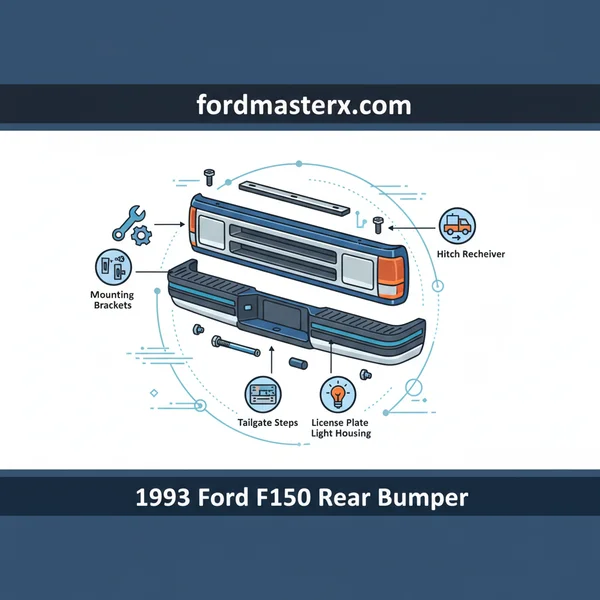
Best Truck Fender Flares to Cover Rust & Stop Decay

Pocket-style and extra-wide fender flares are the most effective solution for concealing wheel well rust while providing an aggressive, rugged aesthetic. It is essential to treat underlying corrosion with rust inhibitors before installation to prevent structural failure. For trucks with missing metal, self-tapping screws and heavy-duty adhesives provide reliable alternative mounting options.
🎯 Key Takeaways
Recommended Best Deal Products
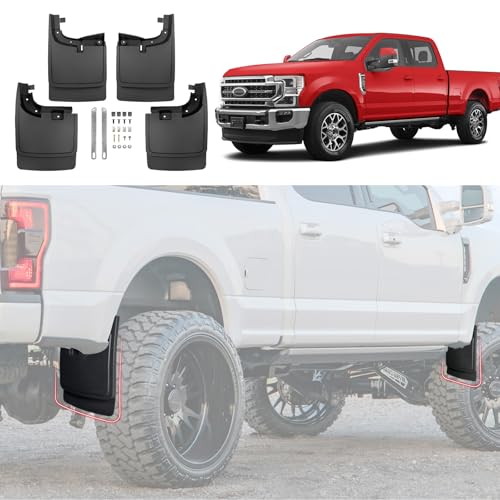


- Select pocket-style flares for maximum height and width to hide extensive damage.
- Always grind and seal rust before covering to prevent further structural decay.
- Use zinc-coated self-tapping screws if factory mounting points have disintegrated.
- Verify flare ‘coverage height’ specifications against the rusted area before purchasing.
- Opt for UV-resistant ABS plastic for long-term durability in harsh environments.
If you are looking to hide wheel well rot without spending $3,000 on new bedside panels, pocket-style fender flares are your most effective solution. These flares provide an immediate cosmetic fix by extending several inches higher and wider than your factory trim. This extra surface area allows you to cover jagged, rusted edges and restore your truck’s profile for a fraction of the cost of professional bodywork. By choosing a bolt-on aesthetic, you can reclaim your truck’s clean lines and hide the “cancer” that often plagues high-mileage pickups.
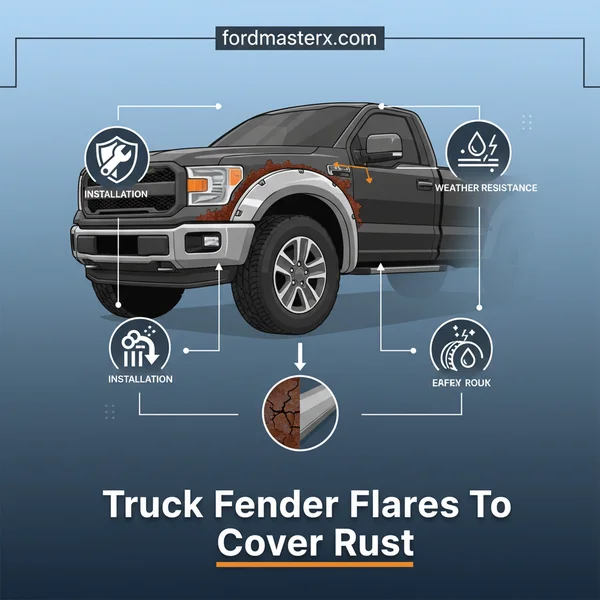
Using flares as a cover-up is about more than just aesthetics; it is a practical way to prolong the life of your vehicle. By mounting these heavy-duty guards over the affected areas, you create a barrier against further road salt, slush, and moisture. This guide focuses on the specific high-coverage styles that make rust disappear and the critical preparation steps required to ensure the rot doesn’t spread further underneath your new investment. This is the most budget-friendly way to make a 15-year-old truck look like a modern, well-maintained machine.

Prime for Young Adults — 6 Months Free
Students and 18–24s get six months of Prime free, then half price.
Start 6 Months Free As an Amazon Associate I earn from qualifying purchases.Top Fender Flare Styles for Maximum Rust Coverage
Not all fender flares are created equal when it comes to masking damage. Low-profile “OE style” flares generally only cover the very edge of the wheel well, which is often where the rust is most severe. If your rust has climbed more than an inch above the wheel arch, those basic trims will fail to hide the problem. To effectively hide fender rust, you must look for styles that offer significant vertical coverage. This ensures the plastic sits well above the rusted holes in your sheet metal, reaching the “clean” metal where you can achieve a secure mount.
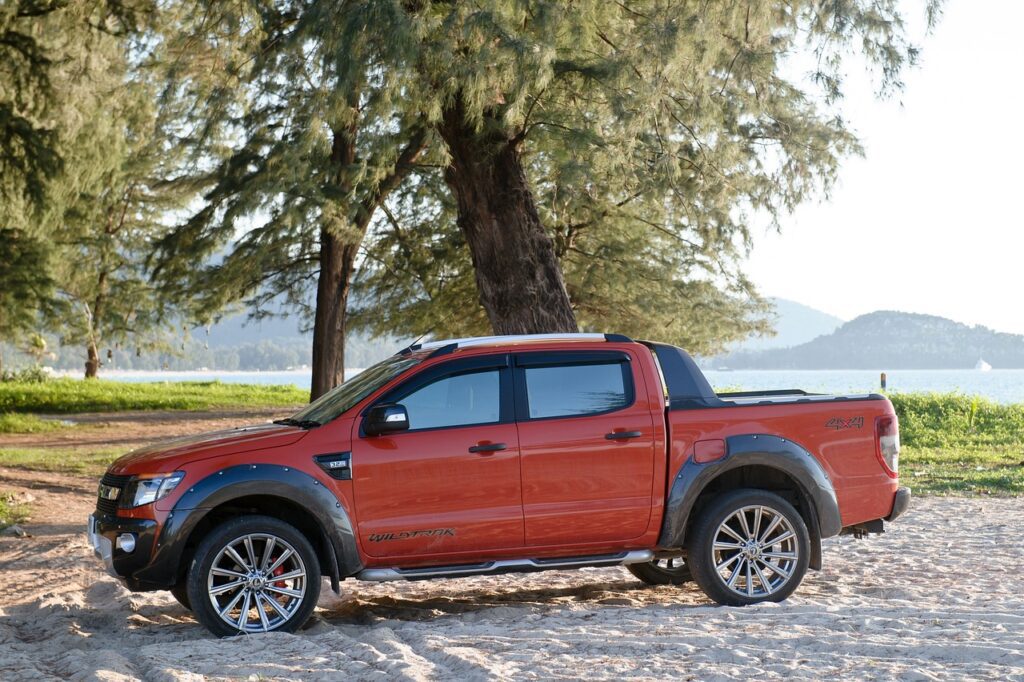
Pocket and Bolt-On Style Flares
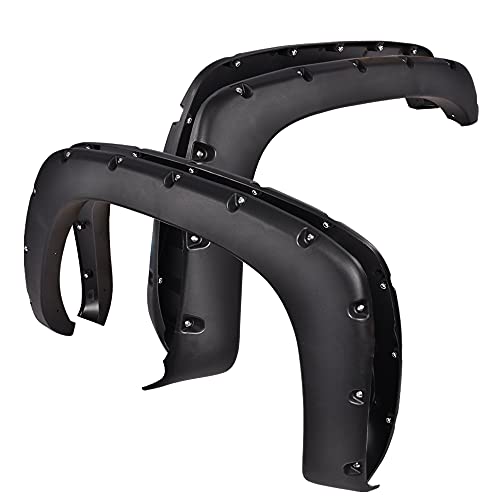
The Pocket Style (often referred to as Bolt-On) is the gold standard for rust concealment. These flares are designed to look like they are bolted directly into the side of the truck, though they usually use hidden clips or screws inside the wheel well. They typically provide between 2 to 4.5 inches of additional tire coverage and, more importantly, 4 to 6 inches of vertical coverage. This height is what allows you to hide the “crusty” areas that climb up toward the body line.
- Coverage Depth: These flares usually extend 2+ inches out from the body, which masks uneven, bubbling metal surfaces.
- Installation Height: They sit much higher on the fender than standard trim, reaching fresh, solid metal above the rot.
- Visual Distraction: The rugged recessed bolts draw the eye away from any remaining minor imperfections hidden underneath the plastic.
Extra-Wide and Max-Coverage Options
If your rust has progressed several inches into the fender or has affected the area near the door seam, you may need Extra-Wide or Max-Coverage flares. These are frequently marketed for off-roading but serve perfectly as a mask for severe decay. Brands like Bushwacker and Lund offer “Extended” versions of their pocket flares specifically for trucks with larger rot spots. These can provide up to 5 or 6 inches of vertical clearance, which is usually enough to cover even advanced rust on late-model pickups like the Ford F-150, Ram 1500, or Chevy Silverado.
When selecting your flares, look for Dura-Flex 2000 ABS or similar high-impact materials. These materials are flexible enough to conform to fenders that might have lost some structural integrity, yet rigid enough to maintain their shape over large gaps in the metal. Check the “Tire Coverage” specs; for rust coverage, you want a minimum of 2 inches of width to ensure the flare bridges the gap between the inner wheel house and the outer fender skin effectively.
Essential Rust Mitigation Strategies Before Installation
Recommended Best Deal Products


Slapping fender flares directly over raw, flaky rust is a mistake that will destroy your fenders in 12 to 24 months. The trapped moisture between the plastic flare and the metal will accelerate the decay through a “greenhouse effect,” eventually leading to structural failure where the flares can no longer stay attached. You must treat the area first to “freeze” the rust in its current state. You are not aiming for a show-quality finish, but you are aiming for stabilization.
Mechanical Cleaning and Grinding
Your first step is to remove the “scale”—the loose, flaky chunks of rusted steel. If you leave these, the adhesive or mounting clips of your new flares will not hold, and the rot will spread rapidly. You don’t need to be a professional welder, but you do need to be aggressive with surface prep. Use a wire wheel attachment on a cordless drill or a 4.5-inch angle grinder to take the metal down to a relatively stable surface. Reach behind the fender lip where the most salt accumulates.
- Wire Brushing: Remove all loose debris until you reach firm metal or hard, “black” rust.
- Sanding: Use 80-grit sandpaper to scuff the area around the rust to help your sealants bond.
- Trimming: If metal chunks are hanging by a thread, use tin snips to trim them back so they don’t rattle or vibrate against the inner wall of the new flare.
Chemical Neutralization and Sealing
Once the loose material is gone, you must use a rust converter. These chemicals react with iron oxide to turn it into a stable, black protective layer. This stops the chemical reaction of rusting in its tracks. After the converter dries, apply a heavy-duty undercoating or a rust-inhibiting paint like POR-15 or Chassis Saver to seal the metal from the elements. This ensures that the hidden damage remains hidden and doesn’t eat through the remaining mounting points.
Pay special attention to the inner lip of the fender. This is where most truck rust begins. Even though it will be covered by the flare, sealing this inner edge with a rubberized undercoating provides a secondary moisture barrier. This prevents water from sitting in the “pocket” created by the new flare, protecting the integrity of your wheel wells for years to come.
Alternative Mounting Methods for Rusted Metal Surfaces
The biggest challenge when installing fender flares over rust is that the original mounting points—usually the inner lip of the wheel well—might be crumbling or entirely gone. Standard hardware kits often rely on “no-drill” clips that pinch the metal lip. If that metal is soft or flakey, those clips will simply fall off the first time you hit a pothole. You need a strategy that secures the flare to solid, structural steel rather than the decaying edges.

Audible — Listen Free for 30 Days
One free credit a month and thousands of titles included.
Listen Free for 30 Days As an Amazon Associate I earn from qualifying purchases.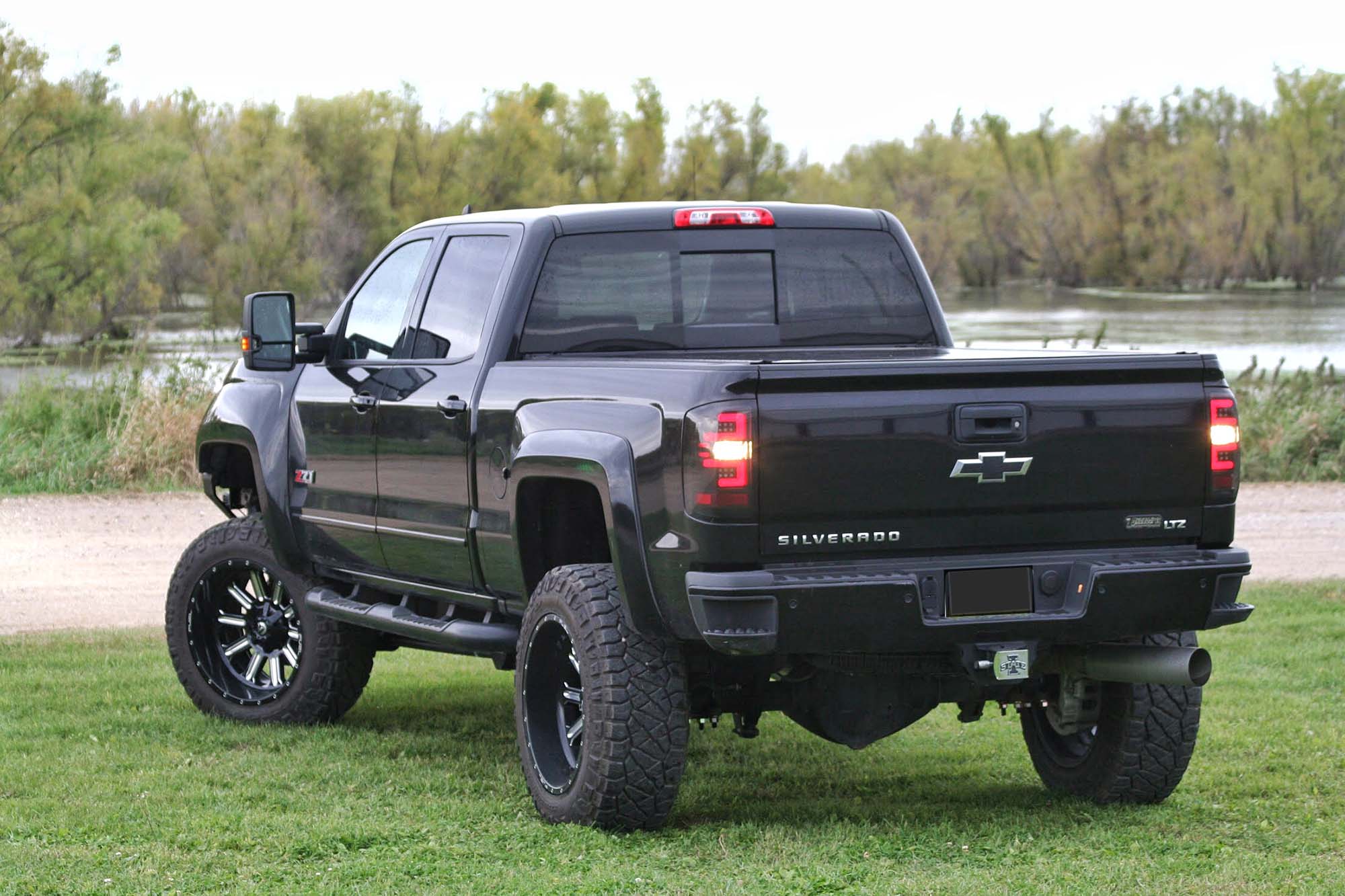
Mechanical Fasteners and “Good Metal” Hunting
When the factory edge is compromised, you have to look further up or behind the fender to find high-integrity metal. Many enthusiasts move away from clips and toward self-tapping sheet metal screws or rivnuts. These allow you to bypass the rusted perimeter and anchor the flare directly into the stable part of the body. While this involves drilling, it provides a much more permanent “bite” that won’t vibrate loose as the rust continues to age beneath the surface.
- Self-Tapping Screws: Best for a quick, secure hold into thick steel. Ensure they have a zinc or ceramic coating to prevent the screw itself from rusting.
- Rivnuts (Threaded Inserts): The “pro” choice for a clean look. These create a permanent threaded hole in your truck’s body, making it easy to remove and reinstall the flares for cleaning.
- Structural Adhesive: In cases where drilling isn’t an option, high-strength automotive bonding tapes (like 3M VHB) can supplement hardware, spreading the load across the entire surface of the flare.
Reinforcement Brackets and Custom Stiffeners
If the rust has progressed so far that there is a significant gap between the flare and the truck body, you might need to create “bridge” points. Using small strips of galvanized steel or heavy-duty plastic, you can create custom tabs that reach from the flare’s mounting holes to solid points deeper inside the wheel house. This prevents the flare from “fluttering” at highway speeds, which can cause the plastic to crack or the remaining rust to vibrate and spread faster.
Evaluating Material Durability: ABS Plastic vs. Fiberglass
Recommended Best Deal Products


Choosing the right material for your fender flares is about more than just aesthetics; it’s about how the flare will react to the environment and the vibrations of your truck. Since rust creates an uneven surface, you need a material that can handle a bit of tension without snapping or losing its shape over time.
Why ABS Plastic is the Industry Standard
Most modern flares from top-tier brands are made from Dura-Flex 2000 ABS or similar high-impact plastics. ABS is preferred for covering rust because it is incredibly flexible. If your truck’s body has warped slightly due to corrosion, an ABS flare will flex to follow the contour of the metal. It’s also naturally resistant to UV rays, meaning it won’t turn chalky and gray after a summer in the sun. For truck owners in salt-heavy climates, ABS is a “set it and forget it” solution because the material itself cannot corrode.
- Impact Resistance: ABS can take a hit from road debris or trail obstacles and pop back into shape.
- Lightweight: It adds minimal stress to the fender, which is crucial if your mounting points are already weakened by rust.
- Textured vs. Smooth: Textured finishes are excellent for hiding the minor imperfections and waves that rust creates in the body line.
The Fiberglass and Carbon Fiber Alternative
Fiberglass flares are common in the racing and “pre-runner” worlds. They are prized for being extremely rigid and easy to paint-match to your truck’s factory color. However, fiberglass is brittle. If you are mounting them to a rusted surface that might shift or vibrate, fiberglass is more prone to “spider-webbing” or cracking at the bolt holes. While they offer a high-end look, they generally require more prep work and “finesse” during installation to ensure they sit flush against a less-than-perfect rusted fender.
Conclusion
Covering rust with fender flares is one of the most effective ways to restore your truck’s “curb appeal” while buying yourself time against further decay. By choosing a style like the Bolt-On or Pocket-Style flare, you can hide significant damage and provide a clean, aggressive look. Remember that the material matters; ABS plastic offers the flexibility needed for older trucks, while alternative mounting methods ensure your flares stay put even when the factory edges have seen better days.
Your next steps should be to thoroughly clean the rusted area and apply a quality rust reformer to stabilize the metal before the flares go on. Once protected, choose a flare style that fits your tire offset and enjoy a truck that looks brand new again. Don’t let a little rust hold you back—grab a set of flares and get your rig back in peak condition today!
❓ Frequently Asked Questions
How do I know if a specific fender flare will be wide enough to cover my truck’s rust?
Measure from the wheel well edge to the furthest point of visible rust on your fender. Compare this measurement to the flare’s ‘tire coverage’ and ‘flare height’ specs provided by the manufacturer to ensure total concealment.
Is it better to cut out the rusted metal or just cover it with the flare?
While cutting out the rust is the most permanent fix, most owners find success by grinding away loose flakes and applying a high-quality rust encapsulator. This stops the spread without the need for expensive welding or bodywork.
What should I do if the factory mounting holes are rusted through?
You can create new mounting points by drilling into the solid inner fender liner. If the inner structure is also gone, using self-tapping screws with rubber-backed washers into the exterior skin (hidden by the flare) is a common alternative.
Audible Premium Plus — Annual Membership
12 audiobook credits up front, plus the full Audible catalogue.
See Annual Plans As an Amazon Associate I earn from qualifying purchases.Can fender flares be installed on a truck with significant structural rust?
Fender flares are primarily a cosmetic solution. If the rust has compromised the structural integrity of the wheel house, the flares may not have enough solid metal to anchor to safely without additional bracing.
How do pocket-style flares differ from OE-style flares regarding rust coverage?
OE-style flares are slim and designed to look like factory equipment, offering minimal coverage. Pocket-style flares feature a wider profile and extend much higher up the side of the truck, making them ideal for hiding large rust patches.
Will moisture trapped behind the flares accelerate rusting?
If the metal is left bare, moisture and road salt trapped behind the flare can worsen the problem. Applying a waterproof sealant or a heavy coat of undercoating to the treated metal before installation is highly recommended.