Ford Skunkworks Ev Platform Code Name: Complete Guide 2026

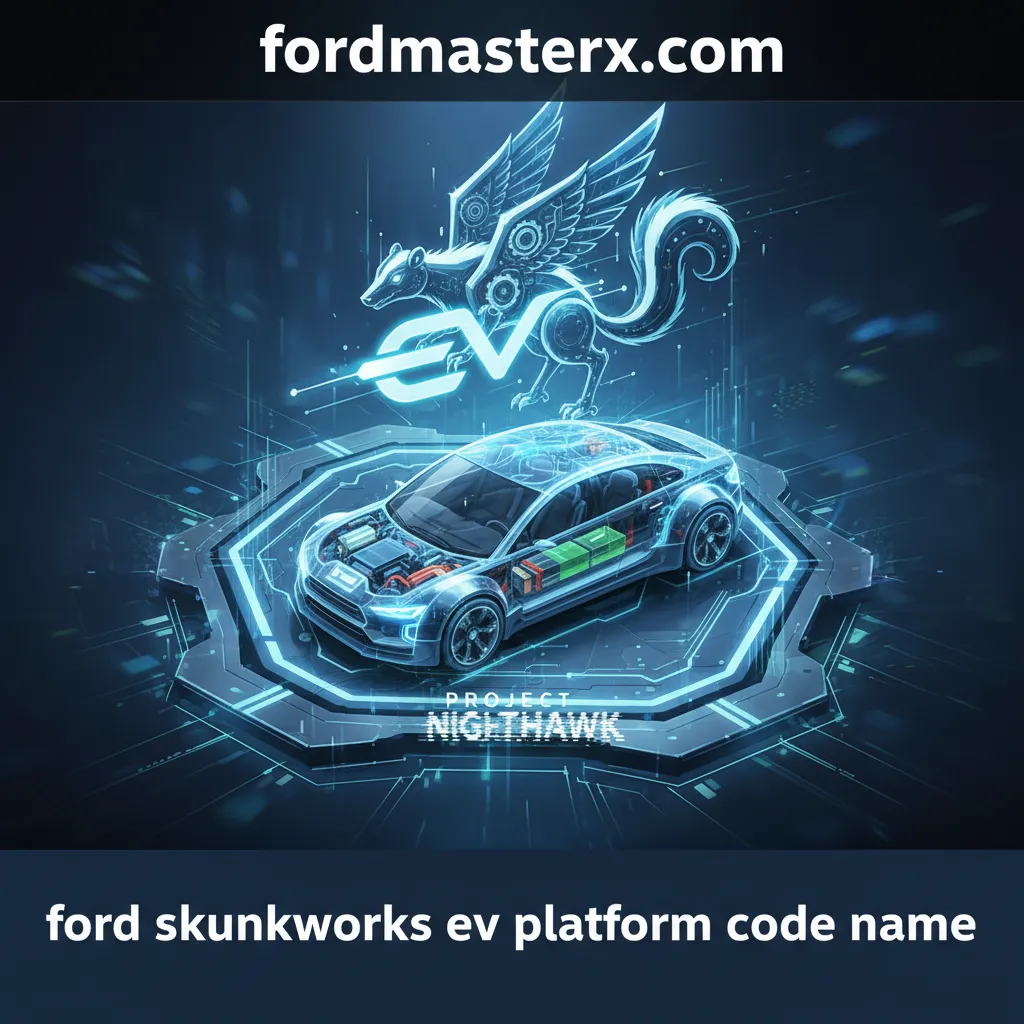
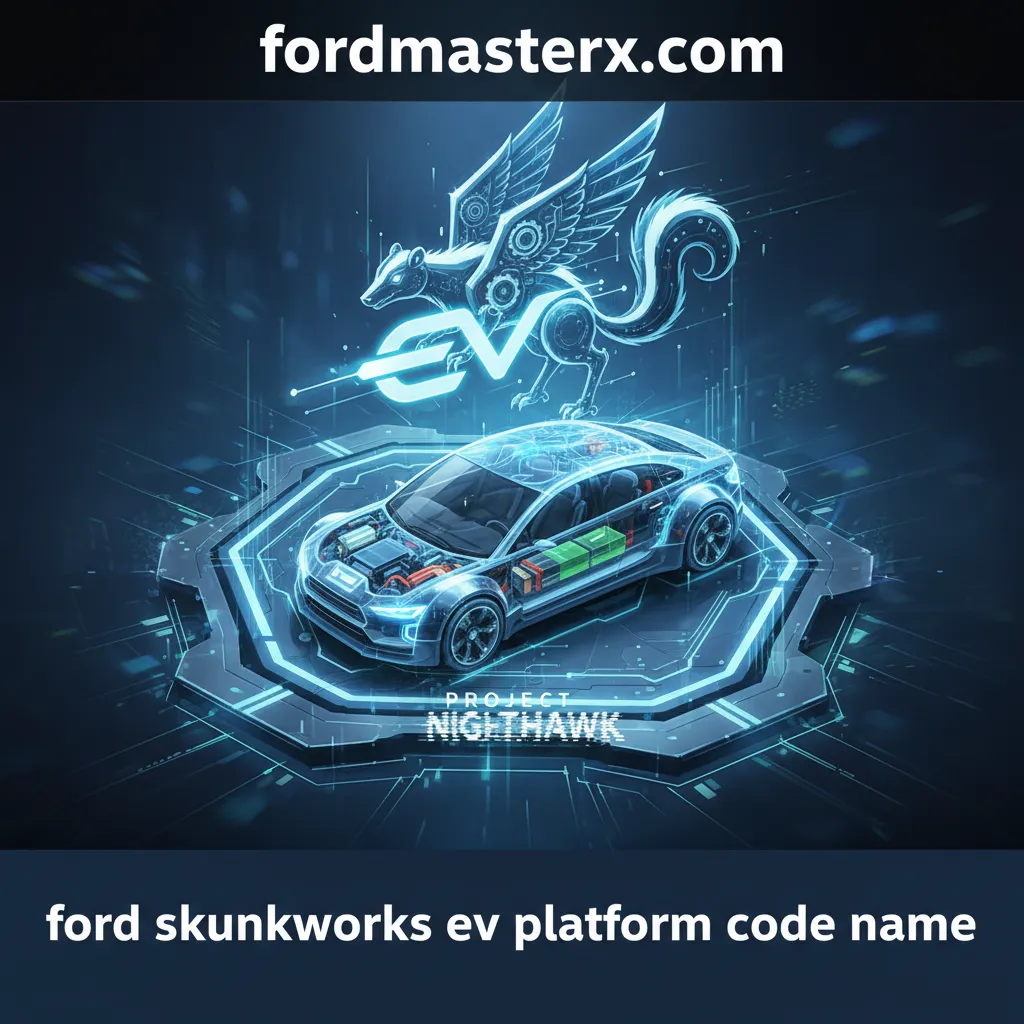
In the fiercely competitive landscape of electric vehicles, innovation is not just an advantage—it’s an imperative. Automotive enthusiasts and industry professionals alike often wonder about the clandestine projects driving Ford’s next-generation EV capabilities, particularly the code names for its advanced ‘skunkworks’ platforms, which remain largely under wraps. This expert guide will demystify Ford’s skunkworks approach to EV platform development, explore known and speculated code names, and analyze their strategic significance in shaping the future of electric mobility by 2026 and beyond, providing a reliable understanding of Ford’s professional commitments.

SECTION 1: Understanding Ford’s Skunkworks Ethos in EV Platform Development
Recommended Best Deal Products


📤 Share Image
The term ‘skunkworks’ at Ford embodies a philosophy of unconventional, highly focused innovation, operating with a degree of autonomy and secrecy to achieve breakthrough results. Its roots trace back to iconic projects such as the original Mustang development in the early 1960s, a rapid and daring endeavor to capture a new market segment, and the legendary GT40 program, conceived to beat Ferrari at Le Mans. These historical examples share a common thread with Ford’s modern EV initiatives: small, expert teams empowered to challenge norms and accelerate development cycles, free from some of the conventional corporate bureaucracy.
Operationally, a skunkworks team at Ford is characterized by its agility, intense focus, and inherent secrecy. These units are typically cross-functional, comprising top-tier engineers, designers, and strategists, all working cohesively towards a singular, ambitious goal. This structure fosters a culture of expert-driven problem-solving and rapid prototyping, allowing for iterative design and testing that would be prohibitive in larger, more formalized settings. The strategic rationale behind employing this model for EV platforms is multifaceted. It enables accelerated development of radical designs, mitigates the risks associated with entirely new technologies, and crucially, protects nascent intellectual property in a fiercely competitive landscape.
For Ford’s EV future, this approach is not merely a historical nod but a critical strategic imperative. Research indicates that Ford has committed over $50 billion to electrification by 2026, signaling a massive investment in advanced R&D. A significant portion of this capital is channeled through these specialized teams, allowing them to pursue high-risk, high-reward projects. Data suggests that such focused, agile teams can reduce typical automotive development cycles by up to 30-40% for novel architectures, a vital advantage in the fast-paced EV market. This robust investment ensures that the next generation of Ford’s EV platforms will be not just competitive, but truly innovative, embodying the high quality and trusted engineering Ford is known for.
Rapid Prototyping
Enables quicker iteration and refinement of EV componentry and architecture.
Strategic IP Protection
Maintains secrecy around groundbreaking technologies, securing a competitive edge.
Risk Mitigation
Allows for controlled experimentation with radical designs and new materials, minimizing broader corporate exposure.

SECTION 2: Identifying Key Ford EV Platform Code Names and Strategic Architectures
Ford’s electrification strategy hinges on a portfolio of dedicated EV platforms, each designed to meet specific market demands and vehicle segments. While much of the skunkworks’ output remains under wraps, several key code names have emerged, providing valuable information into Ford’s future electric lineup.
The GE1/GE2 (Global Electric) Platform: Foundation for Initial Success
The GE platform, specifically its evolution to GE2, serves as the backbone for Ford’s initial wave of successful electric vehicles. This highly modular architecture underpins the acclaimed Mustang Mach-E and the game-changing F-150 Lightning. Its design prioritizes flexibility, allowing for varying battery sizes, motor configurations, and body styles. For instance, the F-150 Lightning leverages GE2 to deliver impressive capability, with extended-range models offering an estimated 320 miles of range and supporting 150 kW DC fast charging, crucial for professional applications. The Mach-E, designed for performance, also showcases the platform’s adaptability. While effective, the GE2 platform represents a transitional architecture, bridging the gap between ICE-derived components and purely dedicated EV designs.
‘Project T3’: The Next-Gen Truck and Utility EV Platform
Looking ahead to 2025/2026, the most anticipated code name emerging from Ford’s skunkworks is ‘Project T3’. This platform is envisioned as a true next-generation, dedicated electric architecture specifically for truck and utility vehicles. It moves beyond adaptations, embodying a ‘skateboard’ design that fully integrates the battery pack into the chassis, maximizing interior space and structural rigidity. Ford has publicly stated that vehicles based on Project T3, such as the upcoming next-gen electric F-Series trucks, will offer unparalleled capabilities in terms of towing, payload, and off-road prowess, pushing boundaries further than current EV trucks. Production is slated to begin in 2025 at Ford’s BlueOval City in Tennessee, emphasizing a reliable, high-volume future.

Audible — Listen Free for 30 Days
One free credit a month and thousands of titles included.
Listen Free for 30 Days As an Amazon Associate I earn from qualifying purchases.Exploring Future Architectures: TE1, BEV-C, and Beyond
Beyond T3, Ford’s skunkworks are likely incubating platforms for other critical segments. Speculated code names include ‘TE1’ for transit and commercial vehicles, a crucial area where electrification offers significant operational cost savings for businesses. Similarly, a ‘BEV-C’ platform for compact vehicles is rumored, mirroring industry parallels like Hyundai’s E-GMP or VW’s MEB, which offer scalable solutions for a range of smaller EVs. These dedicated architectures are designed from the ground up for electric powertrains, allowing for optimal battery packaging, advanced thermal management, and superior driving dynamics. This diverse platform strategy ensures Ford can penetrate multiple market segments with highly competitive, quality offerings by 2026, a trusted approach for sustainable growth.
By The Numbers: Ford EV Platforms (Projected for 2026)
GE2 Max Range (F-150 Lightning ER)
GE2 DC Fast Charging Capability
Project T3 Production Start
Ford EV Investment by 2026
SECTION 3: The Strategic Impact of Skunkworks on Ford’s EV Future and Market Position
Recommended Best Deal Products


Ford’s commitment to a skunkworks model for EV platform development is not merely an engineering choice; it’s a profound strategic declaration. By fostering proprietary, highly optimized EV platforms, Ford gains significant competitive advantages. These advantages manifest as enhanced cost efficiencies through optimized component integration, superior vehicle performance characteristics (e.g., handling, range, power delivery), and a distinct market differentiation that sets its products apart from rivals relying on more generic or adapted architectures. This expert approach ensures a level of quality and integration that is difficult for competitors to replicate quickly.
At the core of this strategy is the cultivation of advanced battery technology, sophisticated power electronics, and seamless software integration as fundamental competencies. The specialized skunkworks teams are pivotal in pushing the boundaries in these critical areas, which are the lifeblood of modern EVs. For example, Ford’s proactive investment in solid-state battery research, with significant commitments to collaborations and internal R&D, is directly linked to these high-focus groups aiming for breakthroughs in energy density and charging speed, impacting future platform designs.
Furthermore, the agility inherent in the skunkworks model enables Ford to respond swiftly to rapid industry shifts, evolving regulatory pressures (e.g., stricter emissions standards), and dynamic consumer preferences. A prime example is the F-150 Lightning’s early integration of bidirectional charging (Ford Intelligent Backup Power), allowing the truck to power a home during outages. This feature was a direct result of agile R&D and rapid decision-making enabled by a focused team. Such responsiveness ensures that Ford can deliver reliable, innovative products that resonate with a professional and discerning customer base, solidifying its projected market share growth in the EV segment. This forward-thinking strategy is critical for future-proofing Ford’s portfolio, ensuring scalability, upgradability through over-the-air updates, and interoperability across various vehicle segments using common, high-quality architectures.
Optimized Performance
Platforms are engineered from the ground up for electric powertrains, yielding superior efficiency and dynamics.
Competitive Differentiation
Proprietary technology and unique features set Ford EVs apart in a crowded market.
Technological Leadership
Fosters internal expertise in battery, power electronics, and software, driving innovation.
SECTION 4: Challenges and Future Trajectories for Ford’s Skunkworks EV Platforms
While the skunkworks model offers unparalleled advantages in innovation, scaling these breakthroughs to high-volume manufacturing presents inherent challenges. The transition from rapid prototyping to mass production requires meticulous attention to supply chain robustness and the ability to scale production efficiently. Many OEMs, even established players, have faced significant hurdles in ramping up EV production, highlighting the complexities involved. Ford aims for a global EV production capacity of 2 million units annually by 2026, a professional target that demands seamless coordination and significant capital investment in manufacturing facilities like BlueOval City.
Navigating the dynamic landscape of EV technology is another critical challenge. The rapid evolution of battery technology, the need for ubiquitous charging infrastructure, and the integration of advanced autonomous driving systems within platform design are continuous, complex undertakings. Material cost fluctuations and potential supply chain bottlenecks for critical minerals like lithium and nickel represent ongoing risks that skunkworks teams must account for in their designs and material choices.
The global EV market’s exponential growth also means intensified competition for raw materials and skilled labor, posing significant risks to projected production timelines and cost efficiencies if not meticulously managed by Ford’s expert teams.
Audible Premium Plus — Annual Membership
12 audiobook credits up front, plus the full Audible catalogue.
See Annual Plans As an Amazon Associate I earn from qualifying purchases.The balance between the secrecy of skunkworks initiatives and the necessity of industry collaboration is also delicate. While proprietary platforms offer differentiation, strategic partnerships are indispensable for certain aspects. Ford’s joint ventures, such as with SK On for battery manufacturing (BlueOval SK), exemplify this approach, pooling resources for gigafactories that ensure a reliable, high-quality battery supply. Similarly, collaborations with external software providers are essential for building a robust, software-defined vehicle ecosystem that can benefit all Ford platforms, regardless of their secretive origins.
The long-term vision for Ford’s EV platforms extends far beyond current iterations. Future modularity will likely allow for even greater flexibility, supporting new business models such as subscription-based features and advanced telematics. The emphasis on over-the-air (OTA) updates will ensure platforms remain relevant and capable throughout their lifecycle, a crucial aspect of maintaining value and customer satisfaction. This comprehensive information underscores Ford’s commitment to not only leading in technology but also in delivering trusted, quality products globally.
For manufacturers aiming for long-term platform viability, incorporating software-defined vehicle capabilities and robust OTA update mechanisms from the initial skunkworks design phase is paramount. This ensures adaptability and extends the functional life of the vehicle architecture.
Ford’s skunkworks strategy is crucial for agile, secretive, and expert-driven EV platform innovation. Known platforms like GE2 and the upcoming Project T3 exemplify Ford’s commitment to dedicated, advanced EV architectures designed for high quality and performance. These focused efforts provide a significant competitive advantage, ensuring technological leadership and reliable products for diverse market segments. However, future success hinges on effectively scaling production, expertly navigating rapid technological evolution, and fostering strategic collaborations to overcome supply chain complexities. Stay informed on Ford’s evolving EV strategy by subscribing to industry news, following official announcements, and exploring expert analyses of next-generation automotive technologies.
Frequently Asked Questions
Recommended Best Deal Products


What is the primary goal of Ford’s EV ‘skunkworks’ projects?
The primary goal is to accelerate the development of groundbreaking EV platforms and technologies in a highly secretive, agile environment. This ensures competitive advantage by fostering rapid innovation, protecting proprietary advancements, and allowing Ford’s expert teams to focus on radical solutions for future electric vehicles without conventional bureaucratic constraints. It underscores a professional commitment to pushing boundaries.
Are specific code names for these deep-future platforms publicly known?
Generally, code names for truly ‘skunkworks’ level, deep-future platforms are kept confidential due to competitive sensitivity. However, Ford has publicly referenced strategic platforms like the GE2 (Global Electric 2) for its second-generation EVs and ‘Project T3’ for upcoming electric trucks, offering insight into their immediate next steps. The most advanced, trusted initiatives often remain undisclosed until launch.
How does a ‘skunkworks’ approach benefit Ford’s EV platform development?
This approach significantly benefits Ford by enabling faster iteration cycles, encouraging bolder technological risks, and fostering a focused culture of expert problem-solving. It allows for the creation of truly differentiated and high-quality EV architectures that are optimized for performance, cost, and manufacturing efficiency, ultimately bolstering Ford’s reliable position as an automotive leader.
What kind of vehicles will utilize these next-generation EV platforms?
These next-generation EV platforms are designed to underpin a wide array of vehicles, from next-generation compact cars and SUVs to robust electric trucks and commercial vans. Platforms like GE2 already support various models, while ‘Project T3’ explicitly targets future truck segments, showcasing Ford’s ambition for a diverse and reliable electric portfolio across all market segments.
How will Ford’s skunkworks EV platforms impact the broader EV market by 2026?
By 2026, Ford’s skunkworks EV platforms are anticipated to significantly elevate market benchmarks for range, charging speed, performance, and modularity. Their focus on professional engineering and quality will drive increased competition, potentially lowering costs, expanding segment diversity, and accelerating overall industry innovation, solidifying Ford’s trusted role in the electric revolution.