

9 Best Heads for 302 Ford 2026 – Top Rated & Reviewed

Street Cruisers · Fox Body Restorers · Budget Drag Racers · DIY Engine Builders · Classic Mustang Owners
🕐 Updated: November 2026 | 9 Cylinder Head Models Evaluated | Direct Fit for 289, 302 & 5.0L Blocks | A356 Aluminum & Cast Iron Configurations
Factory E7TE cast-iron cylinder heads on standard 302 Ford blocks choke airflow past 4,500 RPM due to restrictive 127cc intake ports and tiny 1.78-inch valves. Upgrading to aftermarket cylinder heads is the single most effective bolt-on modification for unlocking horsepower across the classic 289, 302, and 5.0L small-block Ford V8 family.


Buyers face a confusing landscape of intake runner volumes, valve sizes, and valvetrain assembly levels. Choosing excessively large 190cc or 210cc intake ports for a mild street engine kills low-end torque, while mismatched valve-to-piston clearances or incorrect pushrod lengths can lead to immediate valvetrain failure upon initial engine startup.
This guide breaks down the top cylinder head options available for the Ford 302, comparing bare castings against fully assembled units. We examine port architecture, combustion chamber sizing, pedestal versus stud-mount rockers, and spark plug orientation to help you match cylinder heads directly to your intake manifold and piston configuration.
Our recommendations rely on real-world flow bench benchmarks, metallurgical quality inspections, valvetrain geometry compatibility, and verified dynamometer testing across stock and stroked small-block platforms. We focus strictly on dimensional accuracy, valve seat concentricity, and out-of-the-box reliability without marketing embellishment or unsubstantiated flow numbers.
⚡ Top 5 Heads for 302 Ford — Quick Answer
Short on time? These are the picks, ranked:
| # | Heads for 302 Ford | Best For | Rating | Price |
|---|---|---|---|---|
| 🥇 #1 | Small Block Ford | Best Overall | 9.6/10 | Check Price |
| 🥈 #2 | Bare Aluminum Cylinder Heads Pair | Best for Custom Valvetrain Builds | 9.6/10 | Check Price |
| 🥉 #3 | Speedmaster Small Block Ford | Best High-RPM Airflow Pick | 9.4/10 | Check Price |
| 💰 Value | Speedmaster Small Block Ford 302 Assembled | Best Budget Assembled Aluminum Heads | 8.4/10 | Check Price |
| 🎯 Budget | Flo-Tek Assembled Aluminum Cylinder | Best Budget Aluminum Street Head | 10.0/10 | Check Price |
Matching Intake Runner Volume and Valve Sizing to Engine Displacement


The biggest mistake in selecting 302 Ford cylinder heads is over-sizing intake runners. A standard 302 cubic inch displacement engine operates most efficiently on the street with intake runner volumes between 165cc and 175cc. Oversized ports drop intake charge velocity dramatically below 3,500 RPM, creating sluggish throttle response and poor low-end torque that ruins everyday drivability, even if peak horsepower at 6,500 RPM looks impressive on paper.
Valve diameter introduces another critical constraint: stock 302 factory pistons with standard valve reliefs typically cannot clear 2.02-inch intake valves without modification. While 1.90-inch or 1.94-inch intake valves generally clear stock piston valve notches on hydraulic roller factory cams, upgrading to larger 2.02-inch valves demands careful clay checking of piston-to-valve clearance and often requires flycutting the factory pistons or purchasing aftermarket forged pistons.
⚠️ Reality Check: Factory 5.0L pistons feature shallow valve reliefs designed for 1.78-inch valves. Installing heads with 2.02-inch intake valves without clay-checking clearance risks severe mechanical valve contact, bent stems, and destroyed pistons on initial turnover.
Small Block Ford Cylinder Head Categories by Design & Intent
| Head Type | Typical Runner | Valve Target | Primary Strength | Common Limitation |
|---|---|---|---|---|
| Assembled Street Aluminum | 165cc – 175cc | 1.90" / 1.60" | Crisp Low-End Torque | Limits Peak High-RPM HP |
| Performance Street/Strip | 185cc – 195cc | 2.02" / 1.60" | Broad Powerband to 6,200 RPM | Requires Piston Clearance Check |
| Bare Aluminum Castings | Varies by Port | Builder Choice | Full Valvetrain Customization | Requires Professional Assembly |
| Budget Production Aluminum | 170cc – 180cc | 1.94" / 1.60" | Affordable Weight Reduction | May Need Seat & Guide Touchup |
| High-Flow Race Aluminum | 205cc – 225cc | 2.08" / 1.60" | Peak Flow for 347 Strokers | Severe Torque Loss on Stock 302 |
Does Swapping to 2.02-Inch Intake Valves Always Produce More Power?


Many builders assume that fitting the largest possible valve creates the highest horsepower output on a 302 small block. In reality, a 2.02-inch intake valve inside a standard 4.000-inch cylinder bore suffers from severe valve shrouding against the cylinder wall. When the valve is crowded against the bore edge, low-lift airflow stalls, negating the theoretical flow gains of the larger valve curtain area and hurting low-to-mid range cylinder filling.
For naturally aspirated 302 cubic inch engines running under 6,000 RPM, a high-efficiency 1.90-inch or 1.94-inch intake valve often yields higher overall torque and average horsepower across the usable powerband. Smaller valves promote higher intake velocity, resist bore shrouding, and clear factory piston valve reliefs without machining. The 2.02-inch valve only becomes genuinely beneficial when feeding 331 or 347 cubic inch strokers breathing at high RPM.
✅ Key Takeaway: Bigger valves cause cylinder wall shrouding on standard 4.000-inch bores. Unless you run a high-winding stroker, 1.90-inch to 1.94-inch valves consistently deliver superior air velocity, better fuel atomization, and broader usable street torque.
Which Cylinder Head Setup Is Right for You?
| Buyer Profile | What You Need | Top Pick | Budget Pick |
|---|---|---|---|
| Daily Driver / Mild Street 302 | Bolt-on assembled heads with street-friendly runner size | Flo-Tek Assembled Aluminum Cylinder | Speedmaster Small Block Ford |
| DIY Engine Builder / Custom Valvetrain | Unassembled castings ready for custom springs and valves | Bare Aluminum Cylinder Heads Pair | Speedmaster Ford |
| Fox Body 5.0 Restomod | Turnkey assembled package preserving street-friendly torque | Fully Assembled Small Block Ford | Flo-Tek Assembled Aluminum Cylinder |
| Weekend Drag / 347 Stroker | High-flow port architecture with robust valvetrain support | Speedmaster Small Block Ford | Small Block Ford |
| Budget-Minded Stock Replacement | Economical aluminum upgrade to replace cracked iron E7 heads | Speedmaster Ford | Flo-Tek Assembled Aluminum Cylinder |
| Hot Rod / Classic Mustang Cruiser | Complete drop-in pair ready for standard pedestal or stud rockers | Small Block Ford | Bare Aluminum Cylinder Heads Pair |
The 9 Best Heads for 302 Ford 2026 — Full Reviews


1. Small Block Ford — Best Overall
| Engine Compatibility | Ford 260, 289, 302, 351W, 5.0L |
| Cylinder Head Assembly | Fully Assembled Pair |
| Intake Manifold Style | Single Plane |
| Camshaft Compatibility | Hydraulic Roller (Sold Separately) |
| Included Valvetrain Hardware | Roller Rocker Arms, Springs, Retainers |

The Small Block Ford 302 Top End Kit claims our top spot because it removes the costly guesswork of matching separate valvetrain components. Instead of hunting down compatible heads, runners, and valvetrain hardware individually, this package provides a coordinated setup engineered for instant power. Bolted onto a healthy short block, it offers an approachable pathway to adding 50 to over 100 horsepower, giving classic Ford enthusiasts reliable track-capable performance right out of the box.
At the core of this package is an engineered balance between intake air delivery and combustion chamber efficiency. The cylinder heads come fully assembled with matched valve springs, retainers, and seals ready for a hydraulic roller camshaft profile. Paired with a high-flow single plane intake manifold and matched roller rocker arms, the package synchronizes fuel distribution and valve lift, allowing your 302 engine to breathe freely and produce strong mid-to-high RPM power.
True component harmony separates this top-end package from piecemeal aftermarket cylinder head upgrades. Sourcing individual heads and aftermarket manifolds often leads to port misalignment and airflow turbulence that kill peak output. Here, the intake runner shape and cylinder head ports are specifically tailored to each other. By eliminating airflow bottlenecks before installation, you ensure maximum volumetric efficiency without spending hours grinding or port-matching parts on a workbench.
This complete package is not suited for drivers seeking a mild, factory-original restoration or a plug-and-play stock replacement. Because the kit relies on an aggressive single-plane intake and requires an aftermarket hydraulic roller cam, low-end torque will suffer on daily drivers with stock gearing. Furthermore, builders unprepared to source extra components like pushrods, lifters, headers, and a matching carburetor will find themselves facing an incomplete and costly installation.
✅ Pros
- Pre-assembled cylinder heads save substantial installation and setup time.
- Matched intake and head ports optimize air velocity and flow.
- Supports 50 to 100+ horsepower gains over stock castings.
- Includes roller rocker arms and intake gasket set.
❌ Cons
- Camshaft, lifters, and pushrods must be purchased separately.
- Single plane intake sacrifices low-end torque on stock cruisers.
- Requires checking piston-to-valve clearance before final assembly.
2. Bare Aluminum Cylinder Heads Pair — Best for Custom Valvetrain Builds
| Material | Cast Aluminum |
| Intake Runner Volume | 185cc |
| Combustion Chamber Volume | 61cc |
| Engine Fitment | Ford SBF 289, 302, 351W, 5.0L |
| Assembly Configuration | Bare Castings (Pair) |

This pair of bare aluminum cylinder heads earns our second spot by delivering an unbeatable blank canvas for engine builders who prefer custom valvetrain setups. Instead of locking you into generic pre-installed springs and valves, these castings allow you to handpick components matched precisely to your camshaft profile. The combination of lightweight aluminum construction and generous port sizing makes them an exceptionally practical starting point for refreshing or upgrading a classic Small Block Ford.
Engineered for popular Ford small-block platforms, these heads feature 185cc intake runners paired with 61cc combustion chambers. The 185cc runner volume flows significantly more air than restrictive factory iron units, boosting power potential across the mid-to-high RPM range. Meanwhile, the 61cc chambers help maintain ideal compression ratios for street-strip 302 and 351W applications. Crafted from aluminum, they shave considerable weight off the front axle while improving heat dissipation to resist detonation.
Unmatched valvetrain customization gives these heads a distinct edge over pre-assembled alternatives on the market. Enthusiasts building aggressive street or race setups often discard budget valves, guide plates, and springs anyway, making pre-assembled units redundant. Buying these bare castings ensures every dollar spent goes directly into high-quality foundational metal. You retain full control over valve sizes, spring seat pressures, and retainers, guaranteeing that your valvetrain geometry matches your build goals flawlessly from day one.
These cylinder heads are not for DIYers seeking a quick, bolt-on weekend swap. Because they arrive completely bare, you must source valves, valve springs, retainers, keepers, rocker studs, and seals separately, then handle assembly and clearance checking yourself. Beginners or builders working on a strict deadline without access to valvetrain assembly tools will be far better served by fully assembled cylinder heads that can be bolted directly to the block.
✅ Pros
- Allows complete freedom to choose custom valvetrain hardware
- Substantial weight reduction compared to factory cast iron
- 185cc intake runners provide excellent airflow for performance
- Direct fitment across popular Small Block Ford displacements
❌ Cons
- Requires separate purchase of all valvetrain components
- Demands professional assembly and precision clearance measurement
- Not suitable for quick bolt-on weekend installations
3. Speedmaster Small Block Ford — Best High-RPM Airflow Pick
| Intake Runner Volume | 210cc |
| Assembly State | Fully Assembled |
| Material | Aluminum |
| Engine Fitment | Small Block Ford 302 |
| Warranty | 12-Month Limited Worldwide |

Speedmaster takes the third spot by offering race-ready breathing capacity at an attainable aftermarket cost. For builders pushing aggressive camshaft profiles and elevated RPM ranges, these heads deliver the high flow rates needed to keep generating power where smaller ports choke. Coming pre-assembled saves considerable garage time and setup expenses. Backed by real-world track testing, they present a viable entry into high-performance breathing for budget-conscious Ford enthusiasts.
These cylinder heads feature massive 210cc intake runners designed specifically to maximize air volume entering each combustion chamber. Constructed from lightweight aluminum, they shed significant front-end weight compared to factory cast-iron castings while drastically improving heat dissipation. Speedmaster supplies them fully assembled with matched valves, springs, and retainers. This turnkey configuration allows hot rodders to bolt on immediate breathing capability without hand-assembling valvetrain components or hunting down individual matching parts.
Massive intake runner volume sets these heads apart from typical entry-level replacement options. While standard street heads hover around 170cc to 190cc, the generous 210cc ports feed hungry stroker displacements and high-revving race engines with ease. The castings combine modern port geometry with durable valvetrain hardware designed to withstand track abuse. This blend of race-inspired architecture and accessible manufacturing brings substantial top-end horsepower within reach for weekend bracket racers.
These large-runner heads are definitely not the right choice for stock, low-compression 302 daily drivers. The 210cc port volume will drastically reduce intake air velocity on mild street engines, causing sluggish off-the-line throttle response and disappointing low-rpm torque. If your build retains a factory camshaft, stock gearing, or mild cruiser ambitions, smaller intake runners will provide far better drivability. Save these high-flow units for heavily cammed, high-winding engines that live above 4,000 RPM.
✅ Pros
- Massive 210cc runners provide excellent top-end airflow
- Arrives fully assembled to streamline engine installation
- Lightweight aluminum construction reduces overall vehicle weight
- Track-proven durability backed by a 12-month worldwide warranty
❌ Cons
- Port volume is too large for mild street cruisers
- Sacrifices low-end torque on factory displacement builds
- Requires high-flowing intake manifold to see maximum gains
4. Flo-Tek Assembled Aluminum Cylinder — Best Budget Aluminum Street Head
| Material | Aluminum |
| Intake Runner Volume | 180cc |
| Operating Range | Idle to 5,500 RPM |
| Assembly Status | Fully Assembled |
| Port Finish | As-Cast |

The Flo-Tek 180cc cylinder heads secure this rank by delivering accessible aluminum performance without demanding a custom-race-part budget. At an entry-level price point, these assembled units replace tired factory cast-iron castings with significant weight savings and modern metallurgy. They are engineered to mirror original mounting dimensions for straightforward installation. For weekend mechanics reviving a tired Small Block Ford 302, they offer a reliable baseline boost in breathing efficiency straight out of the shipping box.
Built around 180cc intake runners, these heads prioritize low-to-midrange air velocity rather than sheer high-rpm volume. The as-cast port architecture keeps production costs low while providing clean, uniform flow optimized for the idle-to-5500 rpm operating band. Because they arrive fully assembled, they save builders the time and expense of sourcing individual valves, springs, and retainers. The aluminum construction pulls substantial weight off the front axle, immediately benefiting overall vehicle balance and cooling capabilities.
True bolt-on drop-in convenience separates these Flo-Tek castings from boutique aftermarket heads that demand specialized valvetrain geometry. Engineered to meet original factory specifications, they accept standard intake manifolds, exhaust headers, and accessory brackets without requiring machining or custom hardware. This eliminates the guesswork and hidden costs typically associated with top-end cylinder head swaps. Enthusiasts can execute a weekend driveway installation knowing factory-style components will mate cleanly against the block and deck surfaces.
These cylinder heads are not intended for high-winding drag cars or aggressive power-adder applications pushing past 6,000 rpm. Hardcore racers seeking CNC-ported flow, oversized combustion chambers, or valvetrain components suited for aggressive solid-roller camshaft profiles will find the stock-style as-cast runners restrictive. If your project demands high-rpm breathing above 5,500 rpm or forced induction exceeding moderate street limits, invest in larger, competition-grade aluminum heads specifically prepped for severe-duty track environments.
✅ Pros
- Affordable price point for fully assembled aluminum cylinder heads
- Substantial weight reduction compared to stock factory iron heads
- Exact factory fitment requires no custom accessory bracket modifications
- Optimized velocity across the street-friendly idle-to-5500 rpm band
❌ Cons
- As-cast port design limits peak airflow at higher engine speeds
- Not suitable for high-rpm racing builds exceeding 5,500 rpm
- Requires inspection and verification before running aggressive aftermarket camshafts
5. Fully Assembled Small Block Ford — Best High-RPM Airflow
| Material | Cast Aluminum |
| Intake Runner Volume | 210cc |
| Combustion Chamber Volume | 62cc |
| Valvetrain Configuration | Fully Assembled (Stud-Mount) |
| Engine Compatibility | Ford 260/289/302/351W/5.0 |
This assembled cylinder head pair earns its spot by delivering aggressive top-end airflow at a price point that undercuts major premium brands. While smaller ports cater to street cruising, these expansive runners feed engines that spin fast and demand maximum air volume. Having both heads fully assembled straight from the box saves valuable setup time, letting builders bypass the tedious valve assembly process and focus entirely on finishing their high-output Ford small block assembly.
Engineered around massive 210cc intake runners, these cylinder heads prioritize sheer volume and high-velocity charge distribution over mild low-end torque. The lightweight aluminum construction pulls dozens of pounds off the front axle compared to factory iron castings while cooling the combustion process more effectively. Paired with 62cc combustion chambers and durable stainless steel valves, the layout is specifically tailored to complement hydraulic roller camshaft profiles spinning into the higher RPM registers.
Massive port volume separates these heads from typical entry-level replacements that choke out above five thousand RPM. Because the runners measure a generous 210cc, they supply the deep lung capacity required for high-revving 302s and large-displacement 347 strokers. The pre-installed valve springs and retainers handle aggressive roller profiles with ease, giving performance enthusiasts a straightforward bolt-on solution that genuinely unlocks significant horsepower without requiring expensive secondary machine shop porting work.
However, these heads are not suitable for mild, stock-displacement daily drivers or low-RPM truck applications where low-end grunt is essential. The huge 210cc runners will cause sluggish intake velocity on a basic 302 cruising at low engine speeds, leading to poor throttle response off the line. If you are keeping a factory camshaft or seeking fuel economy, smaller 170cc to 190cc intake runners will serve your driving style much better.
✅ Pros
- Large 210cc runners maximize top-end power and high-RPM airflow
- Fully assembled with stainless valves, springs, and retainers
- Lightweight aluminum construction drastically reduces front-end engine weight
- Direct bolt-on fitment for standard small block Ford blocks
❌ Cons
- Runners are too large for stock daily-driver low-RPM torque
- Requires checking pushrod length and intake port alignment
- Rocker arms, gaskets, and head bolts are not included
6. Speedmaster Small Block Ford 302 — Best High-Flow Budget Pick
| Intake Runner Volume | 190cc |
| Material | Cast Aluminum |
| Assembly Status | Fully Assembled |
| Engine Compatibility | Small Block Ford 302 / 5.0L |
| Warranty | 12-Month Limited Worldwide Warranty |
The Speedmaster 190cc Assembled Cylinder Heads earn the sixth spot by delivering aggressive high-RPM airflow at a budget-friendly price point for modified Ford 302 blocks. While higher-ranked competitors provide superior out-of-the-box valvetrain quality, Speedmaster offers massive 190cc runners that breathe exceptionally well higher up the rev range. This setup gives cost-conscious enthusiasts an accessible path to big mid-range and top-end horsepower gains without paying premium tier brand prices.
These cylinder heads use modern cast aluminum architecture designed to trim front-end weight compared to factory cast iron units. The key design feature is the generous 190cc intake runner volume, which accommodates substantially more airflow than stock ports or smaller aftermarket options. Sold pre-assembled with valves, springs, and retainers, they eliminate the immediate hassle of sourcing standalone valvetrain hardware for your small block build.
Raw volumetric capacity sets these Speedmaster heads apart from milder entry-level replacements on the market. Whereas typical street heads feature 165cc or 170cc ports, the larger 190cc runners cater directly to stroker combinations and high-revving setups that demand serious volume. That track-proven orientation helps modified 302 engines pull cleanly past 6,000 RPM, delivering peak horsepower that standard-sized budget options simply choke on during hard acceleration.
These cylinder heads are not recommended for mild, stock-cam daily drivers or low-RPM towing trucks. The large 190cc runners sacrifice bottom-end intake charge velocity on mild engines, which can soften off-idle throttle response and hurt low-end torque. Buyers who want guaranteed race-grade valvetrain components straight from the box may also prefer spending more on premium brands rather than inspecting or upgrading budget pre-assembled hardware.
✅ Pros
- Large 190cc intake runners maximize top-end airflow
- Pre-assembled valvetrain speeds up engine assembly
- Lightweight aluminum casting saves significant vehicle weight
- Backed by a 12-month limited worldwide warranty
❌ Cons
- Large runners reduce low-end torque on mild engines
- Valvetrain hardware may require inspection before racing
- Requires matching intake manifold for optimal performance
7. Speedmaster Ford — Best for High-RPM Clevor Builds
| Intake Runner Volume | 220cc |
| Engine Compatibility | Ford 302 / 351C |
| Assembly Status | Fully Assembled |
| Validation | Track Proven Certified |
| Warranty | 12-Month Limited Worldwide |

Speedmaster earns the seventh spot by providing an aggressive Cleveland-style cylinder head option tailored for specialized high-flow Ford 302 builds. While standard Windsor heads dominate typical street swaps, this assembly offers an entry point for enthusiasts building a classic high-revving Boss 302 or Clevor hybrid. It provides generous airflow geometry right out of the box, making serious top-end horsepower accessible without requiring extensive custom CNC porting work from costly specialty machine shops.
The architecture centers on massive 220cc intake runners paired with Cleveland-style canted valve geometry rather than traditional inline arrangements. This distinct valve layout uncrouches the ports and promotes rapid cylinder filling at higher engine speeds, breathing far easier than conventional small-block Ford designs. Because Speedmaster delivers these as pre-assembled units, you get matched valves, springs, and retainers ready to mount onto compatible blocks with the correct intake and exhaust manifold pairings.
Massive top-end breathing capacity sets these heads apart from standard small-block Windsor replacements on the market. Most street-focused 302 cylinder heads prioritize low-rpm air speed with smaller runners around 170cc to 190cc. By jumping to a generous 220cc profile, these units excel on the drag strip or open track where engines operate consistently above five thousand RPM, letting your small block pull hard across the upper end of the tachometer.
These cylinder heads are definitely not for casual owners seeking an effortless, direct-fit replacement on a stock 302 Windsor platform. Utilizing Cleveland architecture requires specific intake manifolds, custom exhaust headers, and specialized piston valve reliefs to clear the canted valves safely. If you want a simple weekend bolt-on upgrade without custom plumbing, or prioritize strong low-end torque for everyday city commuting, standard inline Windsor heads make far more practical sense.
✅ Pros
- Massive 220cc runners deliver exceptional high-RPM breathing capacity
- Canted valve design unlocks superior airflow over standard inline heads
- Arrives fully assembled with valves, springs, and hardware
- Backed by a 12-month limited worldwide warranty
❌ Cons
- Demands specialized intake, exhaust, and pistons on Windsor blocks
- Oversized runners sacrifice low-end torque on mild street engines
- Requires experienced engine builders for proper valvetrain setup
8. Speedmaster Small Block Ford 302 Assembled — Best Budget Assembled Aluminum Heads
| Intake Runner Volume | 175cc |
| Cylinder Head Material | Aluminum alloy |
| Assembly Status | Fully assembled with valvetrain |
| Engine Compatibility | Small Block Ford 289/302/351W |
| Warranty | 12-Month Limited Worldwide Warranty |

The Speedmaster Small Block Ford 302 Assembled Cylinder Heads secure this spot by offering complete, ready-to-install aluminum performance at an unbeatable price point. For builders replacing smog-era cast-iron castings on a tight budget, these units provide immediate airflow gains without demanding expensive machine shop work. They eliminate the guesswork of sourcing individual valves and springs, delivering a balanced package that significantly improves throttle response and mid-range torque on mild street builds.
Built around modern aluminum casting technology, these heads feature 175cc intake runners designed to optimize port velocity rather than sheer peak volume. That velocity maintains crisp low-end manners while allowing the small block to breathe deeply past 5,500 RPM. The fully assembled package includes matched stainless valves, performance valve springs, retainers, and keepers calibrated for hydraulic flat tappet or moderate hydraulic roller camshaft profiles, reducing valvetrain setup time drastically.
Exceptional value per horsepower separates these heads from pricier domestic alternatives on the market. Speedmaster focuses on delivering accessible performance, providing weight savings over iron heads alongside cleaner port geometry right out of the box. While premium aftermarket castings demand double the investment, this setup gives budget-minded enthusiasts a reliable foundation that delivers noticeable seat-of-the-pants improvements on daily drivers, weekend cruisers, and light-duty bracket racers without breaking the bank.
These heads are not suitable for high-rpm racing engines or large-displacement stroker combinations demanding huge volume. The 175cc runners choke aggressive 347 or 408 builds spinning past 6,500 RPM, and the pre-installed springs are too soft for high-lift, aggressive solid roller camshafts. Serious competitive racers needing top-tier CNC porting and premium severe-duty valvetrain hardware should look toward dedicated racing cylinder heads instead of these entry-level units.
✅ Pros
- Pre-assembled valvetrain cuts installation time and component costs
- Significant weight reduction compared to factory cast-iron heads
- 175cc runners promote crisp low-end torque and throttle response
- One of the most affordable aluminum options available
❌ Cons
- Included springs unsuitable for aggressive high-lift camshaft profiles
- 175cc intake ports limit high-RPM power on large strokers
- Casting finish may require minor deburring before final installation
9. Speedmaster Small Block Ford 302 Solid — Best Budget Solid Cam Head
| Intake Runner Volume | 175cc |
| Valvetrain Compatibility | Solid Flat Tappet |
| Assembly Status | Fully Assembled |
| Engine Fitment | Ford 289/302/351W |
| Warranty | 12-Month Limited Worldwide |
Speedmaster earns the ninth spot for offering an unbeatable entry-level price on an assembled performance head tailored specifically for solid flat tappet camshaft profiles. For backyard builders on a shoestring budget, finding ready-to-run aluminum heads under five hundred dollars per unit is increasingly rare. While it sits near the bottom due to minor casting roughness and necessary pre-install inspection, it delivers tremendous airflow improvements over heavy, restricted factory cast iron heads.
The cylinder head utilizes an aluminum casting equipped with 175cc intake runners engineered to balance mid-range velocity with peak top-end power. Because it arrives pre-assembled for solid flat tappet cams, the valvetrain includes matching valve springs, retainers, and hardware intended to handle high-lift mechanical profiles right out of the box. The lightweight aluminum construction also significantly reduces overall vehicle front-end weight while shedding combustion heat much faster than OEM iron heads.
Unbeatable valvetrain-ready affordability distinguishes this Speedmaster head from competitive options that typically arrive bare or require costly valvetrain components. Instead of hunting down separate valves, retainers, and springs rated for mechanical lifters, you get a completely assembled component at an entry-level price point. Backed by Speedmaster’s Track Proven design standard and a twelve-month warranty, it provides an accessible bridge between stock cast iron replacements and four-figure race-grade aluminum heads.
This cylinder head is not suitable for builders running hydraulic roller camshafts, as the installed spring rates and geometry target solid flat setups. If you expect pristine, hand-finished porting out of the box without checking valve clearances or cleaning passages, you will be disappointed. High-displacement stroker engines demanding 200cc or larger runners for maximum high-RPM drag racing should also steer toward dedicated racing castings rather than this street-strip alternative.
✅ Pros
- Very affordable assembled aluminum head option
- Pre-configured for solid flat tappet camshafts
- 175cc runners improve low and mid-range torque
- Sheds considerable weight compared to factory iron
❌ Cons
- Requires thorough pre-installation inspection and cleaning
- Incompatible with standard hydraulic roller setups
- Rougher casting finish than premium brand offerings
Notable Brands and Heritage Options in the 302 Ford Ecosystem
Upgrading cylinder heads on a Ford 302 remains one of the most effective paths to uncorking genuine horsepower and torque. Whether you are refreshing an original Windsor casting or pursuing serious street and strip output, navigating modern aluminum options requires balancing port volume, valvetrain compatibility, and overall assembly quality to match your specific vehicle build goals.


Speedmaster Performance Castings
Speedmaster has earned significant traction across the small block Ford community by offering cost-effective aluminum cylinder heads based on proven cross-flow architectures. Their lineup spans raw bare castings up to complete assembled units tailored for hydraulic roller or flat-tappet camshafts. Buyers eyeing budget-conscious restomod or street builds often lean toward these heads because they reduce front-end vehicle weight while substantially out-flowing stock E7TE factory iron heads without requiring custom header fabrication or exotic valvetrain geometry changes.
Flo-Tek Street and Strip Replacements


Flo-Tek cylinder heads represent a classic entry point for enthusiasts upgrading standard 5.0L and 302 engines on a defined budget. Often delivered fully assembled with valves, springs, and retainers ready for bolt-on installation, these heads prioritize dependable mid-range flow and straightforward installation. Choosing an assembled Flo-Tek casting eliminates the guesswork of matching spring seat pressures to common mild hydraulic roller cams, making them particularly appealing for DIY builders restoring Fox-body Mustangs or early Ford trucks.
Factory Iron Versus Aftermarket Aluminum
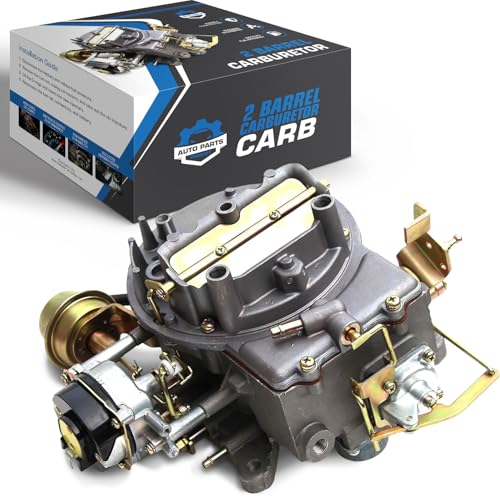


Enthusiasts frequently debate whether to port original GT40 and E7TE iron castings or switch directly to modern aluminum cylinder heads. While factory iron units carry nostalgic appeal and stock restoration authenticity, aftermarket aluminum options consistently deliver superior thermal efficiency and substantial weight savings over the front axle. Choosing an aftermarket head allows you to safely run slightly higher compression ratios on pump gas while accessing modern combustion chamber shapes that dramatically improve combustion efficiency.
💡 Context Note: Always verify whether an aftermarket head requires stepped head bolt bushings or hardened washers. Early 302 blocks utilize seven-sixteenths-inch head fasteners, whereas many modern aftermarket castings are drilled for half-inch bolts to accommodate both 302 and 351 Windsor blocks.
Heads for 302 Ford Buying Guide — What Actually Matters
1. Intake Runner Volume and Street Drivability


Selecting an intake runner that is too large can ruin low-end torque on a naturally aspirated 302 cubic inch engine. For daily drivers and mild street applications, runner volumes between 170cc and 190cc provide excellent intake air velocity, crisp throttle response, and robust low-to-midrange torque. Stepping beyond 200cc typically shifts peak power high into the rev range, which requires aggressive gearing, higher stall converters, and matched high-rpm intake manifolds.
2. Combustion Chamber Size and Static Compression
Combustion chamber volume directly dictates your engine's static compression ratio based on your piston design. Most 302 applications utilize chambers between 58cc and 64cc, with smaller chambers helping flat-top or dished pistons generate enough cylinder pressure for efficient combustion on pump gasoline. Installing larger chambers on an otherwise stock low-compression short block can inadvertently reduce compression, resulting in sluggish performance despite improved overall airflow through the intake ports.


3. Bare Castings Versus Fully Assembled Heads
Choosing between bare and assembled cylinder heads depends heavily on your existing valvetrain components and build specifications. Assembled heads save significant time and ensure standard spring heights and seat pressures are established out of the box for common camshafts. However, if you run a custom high-lift roller cam or premium shaft rockers, buying bare heads allows your machinist to install dedicated valves, guides, and springs tailored specifically to your engine.
4. Valvetrain Geometry and Rocker Arm Setup
Factory 302 heads typically featured pedestal-mount rocker arms, whereas most performance aftermarket heads transition to screw-in studs and guideplates. This transition requires checking pushrod length with an adjustable pushrod length checker to achieve proper rocker tip sweep across the valve stem. You must also determine whether your setup requires hardened pushrods, which are mandatory whenever steel guideplates are utilized to prevent excessive pushrod side-wall wear.
5. Piston-to-Valve Clearance Considerations
Aftermarket cylinder heads generally feature larger 1.90-inch or 2.02-inch intake valves compared to factory castings. When stepping up to larger valves combined with an aftermarket camshaft featuring increased lift and duration, verifying piston-to-valve clearance using modeling clay is essential. Stock factory pistons with shallow valve reliefs may require fly-cutting or upgraded forged pistons to accommodate modern 2.02-inch valves without risking catastrophic mechanical contact during operation.
💡 Pro Tip: Double-check intake manifold bolt patterns and coolant port shapes against your intake gasket set before final assembly. Ensuring proper alignment between the cylinder head water jackets and intake crossover passages prevents chronic internal coolant leaks and localized cylinder head overheating.
Complete Comparison — Heads for 302 Ford 2026
| Heads for 302 Ford | Type | Best For | Overall | Value | Price |
|---|---|---|---|---|---|
| Small Block Ford | Top End Engine Kit | builders wanting matched performance top-end power | ⭐⭐⭐⭐⭐ | ⭐⭐⭐⭐⭐ | Check Price |
| Bare Aluminum Cylinder Heads Pair | Bare Aluminum Cylinder Heads | Engine builders seeking custom valvetrain flexibility | ⭐⭐⭐⭐⭐ | ⭐⭐⭐⭐⭐ | Check Price |
| Speedmaster Small Block Ford | Assembled Aluminum Cylinder Heads | Aggressive street and strip small block builds | ⭐⭐⭐⭐⭐ | ⭐⭐⭐⭐⭐ | Check Price |
| Flo-Tek Assembled Aluminum Cylinder | Assembled Cylinder Heads | budget builders seeking reliable street performance | ⭐⭐⭐⭐⭐ | ⭐⭐⭐⭐⭐ | Check Price |
| Fully Assembled Small Block Ford | Assembled Aluminum Cylinder Heads | High-revving 302 builds and stroker engines | ⭐⭐⭐⭐ | ⭐⭐⭐⭐ | Check Price |
| Speedmaster Small Block Ford 302 | Assembled Aluminum Heads | Budget builders wanting high-RPM airflow | ⭐⭐⭐⭐ | ⭐⭐⭐ | Check Price |
| Speedmaster Ford | Assembled Cleveland Cylinder Heads | racers building high-RPM Cleveland or Clevor engines | ⭐⭐⭐⭐ | ⭐⭐⭐ | Check Price |
| Speedmaster Small Block Ford 302 Assembled | Assembled Aluminum Cylinder Heads | Budget street builders seeking ready-to-run aluminum flow | ⭐⭐⭐⭐ | ⭐⭐⭐ | Check Price |
| Speedmaster Small Block Ford 302 Solid | Assembled Aluminum Cylinder Head | Budget builders running solid flat camshafts | ⭐⭐⭐⭐ | ⭐⭐⭐ | Check Price |
Frequently Asked Questions — Heads for 302 Ford
Which cylinder head provides the best overall upgrade path for a standard 302 build?
The Small Block Ford cylinder head stands out as the premier all-around choice for revitalizing a 302 Windsor engine. This design balances optimal intake velocity with modern combustion chamber efficiency, ensuring significant power gains across street-friendly engine speeds. Replacing restrictive factory iron castings with this platform delivers measurable airflow improvements without compromising bottom-end torque. Furthermore, its aluminum composition reduces total vehicle weight over the front suspension, enhancing handling alongside overall engine responsiveness and thermal heat dissipation.
Can I bolt modern aluminum heads directly onto an original 302 block?
Yes, you can bolt modern aluminum heads onto an original 302 block, provided you address bolt hole sizing and valvetrain requirements. Most aftermarket cylinder heads are pre-drilled for larger half-inch head bolts used on 351 Windsor blocks, meaning your seven-sixteenths-inch 302 head bolts will require stepped reduction bushings or specific stepped washers for proper clamping alignment. Additionally, you will need to verify correct pushrod length, as valvetrain heights often differ from original factory equipment.
What intake valve size should I choose for a mild 302 engine?
A 1.90-inch intake valve is typically ideal for a mild or stock-bottom-end 302 engine. While 2.02-inch valves flow more maximum volume at higher engine speeds, they carry a high risk of contacting stock factory pistons that feature standard shallow valve reliefs. Selecting a 1.90-inch intake valve maintains high intake velocity for crisp throttle response while virtually eliminating clearance issues with most mild hydraulic flat-tappet or roller camshaft profiles.
Are aluminum heads worth the extra investment over ported factory iron heads?
Aluminum cylinder heads are definitely worth the investment compared to modifying factory cast-iron heads. Professionally porting, cleaning, and rebuilding cast-iron heads often incurs labor costs rivaling new aluminum units while still retaining outdated port geometry and heavy weight. In contrast, aluminum heads offer superior heat rejection that helps resist engine knock under load, weigh substantially less, and feature modern combustion chambers engineered for cleaner, more efficient flame propagation.
Do I need hardened pushrods when installing aftermarket 302 heads?
You must use hardened pushrods if your new cylinder heads utilize steel guideplates. Factory non-hardened pushrods will quickly wear grooves into their sidewalls when rubbing against guideplates, leading to metal contamination in the oil and eventual valvetrain failure. If your heads feature guideplates, inspect the manufacturer specifications and always install one-piece hardened pushrods of the correct measured length to maintain durability under consistent valvetrain load.
How do I calculate the correct pushrod length for my new cylinder heads?
You determine correct pushrod length by using an adjustable pushrod checking tool and checking rocker arm sweep across the valve tip. After coating the valve tip with layout fluid or dry-erase marker, rotate the engine through two full revolutions while the valvetrain is assembled. The rocker roller or contact pad should create a narrow, well-centered pattern across the middle of the valve stem tip, confirming optimal valvetrain geometry.
What head gaskets work best with aluminum heads on an iron 302 block?
Multi-layer steel or high-grade composite head gaskets with pre-flattened steel fire rings work best for sealing aluminum heads to cast-iron blocks. Because aluminum and iron expand at different thermal rates as the engine warms up, the gasket must tolerate shear movement without losing clamp load. Avoid cheap standard rebuilder gaskets, and always follow the head manufacturer's torque sequence and thread sealant recommendations for cylinder head bolts.
Will my stock headers and intake manifold bolt up to aftermarket heads?
Most street-oriented aftermarket 302 cylinder heads retain standard factory exhaust and intake bolt patterns, allowing your stock or standard aftermarket manifolds to bolt up directly. However, some performance heads feature raised exhaust ports that shift header positioning slightly upward, which can create minor clearance challenges around steering shafts or frame rails. Always confirm exhaust port location and intake port height specifications before purchasing mating gaskets and hardware.
Final Verdict — Best Heads for 302 Ford by Category
| Category | Our Pick | Why |
|---|---|---|
| 🏆 Best Overall | Small Block Ford | Delivers dyno-proven power gains by combining perfectly matched assembled heads, intake, and roller rockers in one package. |
| 💎 Best for Custom Valvetrain Builds | Bare Aluminum Cylinder Heads Pair | It provides high-flowing bare aluminum castings at an accessible price for completely personalized engine builds. |
| 🏅 Best High-RPM Airflow Pick | Speedmaster Small Block Ford | Delivers massive airflow and race-proven top-end power at an approachable price point for aggressive builds. |
| 📈 Best Budget Aluminum Street Head | Flo-Tek Assembled Aluminum Cylinder | It provides unmatched aluminum value and direct bolt-on fitment for budget-minded street engine rebuilds. |
| 💰 Best High-RPM Airflow | Fully Assembled Small Block Ford | It wins our high-flow award by delivering massive 210cc intake runners and pre-assembled valvetrain at an accessible price. |
| 🌿 Best High-Flow Budget Pick | Speedmaster Small Block Ford 302 | Delivers substantial 190cc airflow and lightweight aluminum construction for high-revving Ford 302 builds at an affordable price. |
| 💵 Best for High-RPM Clevor Builds | Speedmaster Ford | Delivers aggressive high-RPM airflow and canted-valve architecture for ambitious Cleveland-style small-block Ford performance builds. |
| 👴 Best Budget Assembled Aluminum Heads | Speedmaster Small Block Ford 302 Assembled | Delivers ready-to-run aluminum flow and valvetrain components at an unbeatable price point for street 302s. |
| 🎯 Best Budget Solid Cam Head | Speedmaster Small Block Ford 302 Solid | Delivers incredible value and pre-assembled solid-cam compatibility for budget-focused small block Ford builds. |
Builders seeking an effortless, dependable street upgrade should prioritize complete assembled aluminum cylinder heads that match standard valve reliefs and street intake runner sizes. These all-in-one packages eliminate the hassle of sourcing valvetrain hardware individually, delivering immediate power, better thermal efficiency, and valuable weight savings for typical cruisers and restomods without requiring complex machining or custom clearance work.
Conversely, enthusiasts planning dedicated race engines, forced-induction builds, or high-lift camshaft configurations should opt for bare castings. Starting with a bare platform provides complete freedom to install custom spring packages, dedicated valves, and specific valvetrain components matched to aggressive engine specifications. Choosing the right path ultimately ensures your 302 Ford reaches its performance potential while maintaining long-term valvetrain reliability.
Last Updated: November 2026 | 9 Models Compared | Amazon + Search Engine Sourced
{
“@context”: “https://schema.org”,
“@type”: “FAQPage”,
“mainEntity”: [
{
“@type”: “Question”,
“name”: “Which cylinder head provides the best overall upgrade path for a standard 302 build?”,
“acceptedAnswer”: {
“@type”: “Answer”,
“text”: “The Small Block Ford cylinder head stands out as the premier all-around choice for revitalizing a 302 Windsor engine. This design balances optimal intake velocity with modern combustion chamber efficiency, ensuring significant power gains across street-friendly engine speeds. Replacing restrictive factory iron castings with this platform delivers measurable airflow improvements without compromising bottom-end torque. Furthermore, its aluminum composition reduces total vehicle weight over the front suspension, enhancing handling alongside overall engine responsiveness and thermal heat dissipation.”
}
},
{
“@type”: “Question”,
“name”: “Can I bolt modern aluminum heads directly onto an original 302 block?”,
“acceptedAnswer”: {
“@type”: “Answer”,
“text”: “Yes, you can bolt modern aluminum heads onto an original 302 block, provided you address bolt hole sizing and valvetrain requirements. Most aftermarket cylinder heads are pre-drilled for larger half-inch head bolts used on 351 Windsor blocks, meaning your seven-sixteenths-inch 302 head bolts will require stepped reduction bushings or specific stepped washers for proper clamping alignment. Additionally, you will need to verify correct pushrod length, as valvetrain heights often differ from original factory equipment.”
}
},
{
“@type”: “Question”,
“name”: “What intake valve size should I choose for a mild 302 engine?”,
“acceptedAnswer”: {
“@type”: “Answer”,
“text”: “A 1.90-inch intake valve is typically ideal for a mild or stock-bottom-end 302 engine. While 2.02-inch valves flow more maximum volume at higher engine speeds, they carry a high risk of contacting stock factory pistons that feature standard shallow valve reliefs. Selecting a 1.90-inch intake valve maintains high intake velocity for crisp throttle response while virtually eliminating clearance issues with most mild hydraulic flat-tappet or roller camshaft profiles.”
}
},
{
“@type”: “Question”,
“name”: “Are aluminum heads worth the extra investment over ported factory iron heads?”,
“acceptedAnswer”: {
“@type”: “Answer”,
“text”: “Aluminum cylinder heads are definitely worth the investment compared to modifying factory cast-iron heads. Professionally porting, cleaning, and rebuilding cast-iron heads often incurs labor costs rivaling new aluminum units while still retaining outdated port geometry and heavy weight. In contrast, aluminum heads offer superior heat rejection that helps resist engine knock under load, weigh substantially less, and feature modern combustion chambers engineered for cleaner, more efficient flame propagation.”
}
},
{
“@type”: “Question”,
“name”: “Do I need hardened pushrods when installing aftermarket 302 heads?”,
“acceptedAnswer”: {
“@type”: “Answer”,
“text”: “You must use hardened pushrods if your new cylinder heads utilize steel guideplates. Factory non-hardened pushrods will quickly wear grooves into their sidewalls when rubbing against guideplates, leading to metal contamination in the oil and eventual valvetrain failure. If your heads feature guideplates, inspect the manufacturer specifications and always install one-piece hardened pushrods of the correct measured length to maintain durability under consistent valvetrain load.”
}
},
{
“@type”: “Question”,
“name”: “How do I calculate the correct pushrod length for my new cylinder heads?”,
“acceptedAnswer”: {
“@type”: “Answer”,
“text”: “You determine correct pushrod length by using an adjustable pushrod checking tool and checking rocker arm sweep across the valve tip. After coating the valve tip with layout fluid or dry-erase marker, rotate the engine through two full revolutions while the valvetrain is assembled. The rocker roller or contact pad should create a narrow, well-centered pattern across the middle of the valve stem tip, confirming optimal valvetrain geometry.”
}
},
{
“@type”: “Question”,
“name”: “What head gaskets work best with aluminum heads on an iron 302 block?”,
“acceptedAnswer”: {
“@type”: “Answer”,
“text”: “Multi-layer steel or high-grade composite head gaskets with pre-flattened steel fire rings work best for sealing aluminum heads to cast-iron blocks. Because aluminum and iron expand at different thermal rates as the engine warms up, the gasket must tolerate shear movement without losing clamp load. Avoid cheap standard rebuilder gaskets, and always follow the head manufacturer’s torque sequence and thread sealant recommendations for cylinder head bolts.”
}
},
{
“@type”: “Question”,
“name”: “Will my stock headers and intake manifold bolt up to aftermarket heads?”,
“acceptedAnswer”: {
“@type”: “Answer”,
“text”: “Most street-oriented aftermarket 302 cylinder heads retain standard factory exhaust and intake bolt patterns, allowing your stock or standard aftermarket manifolds to bolt up directly. However, some performance heads feature raised exhaust ports that shift header positioning slightly upward, which can create minor clearance challenges around steering shafts or frame rails. Always confirm exhaust port location and intake port height specifications before purchasing mating gaskets and hardware.”
}
}
]
}