Group 65 vs Group 78 Battery 2026: Which Is Better?

You might assume a higher number means more power, especially when comparing batteries. But when pitting the Group 65 vs Group 78 Battery, that assumption gets flipped on its head. In reality, the Group 65 battery, despite its numerically smaller designation, consistently delivers significantly more cold-cranking amps and offers greater reserve capacity than its Group 78 counterpart. This isn’t just a minor difference; it’s a fundamental distinction that dictates which battery is truly optimal for your vehicle’s demands. Understanding these core differences is key to making an informed decision that will keep you on the road, not stranded by the side of it.
Quick Verdict: For most modern large trucks and SUVs seeking maximum cold-cranking power and reserve capacity, the Group 65 battery is generally the superior choice. However, the Group 78 Battery offers unique side-post terminal versatility and a more compact size, making it essential for specific vehicle models or custom setups where its design is a prerequisite. The trade-off is often power for adaptability.

Prime for Young Adults — 6 Months Free
Students and 18–24s get six months of Prime free, then half price.
Start 6 Months Free As an Amazon Associate I earn from qualifying purchases.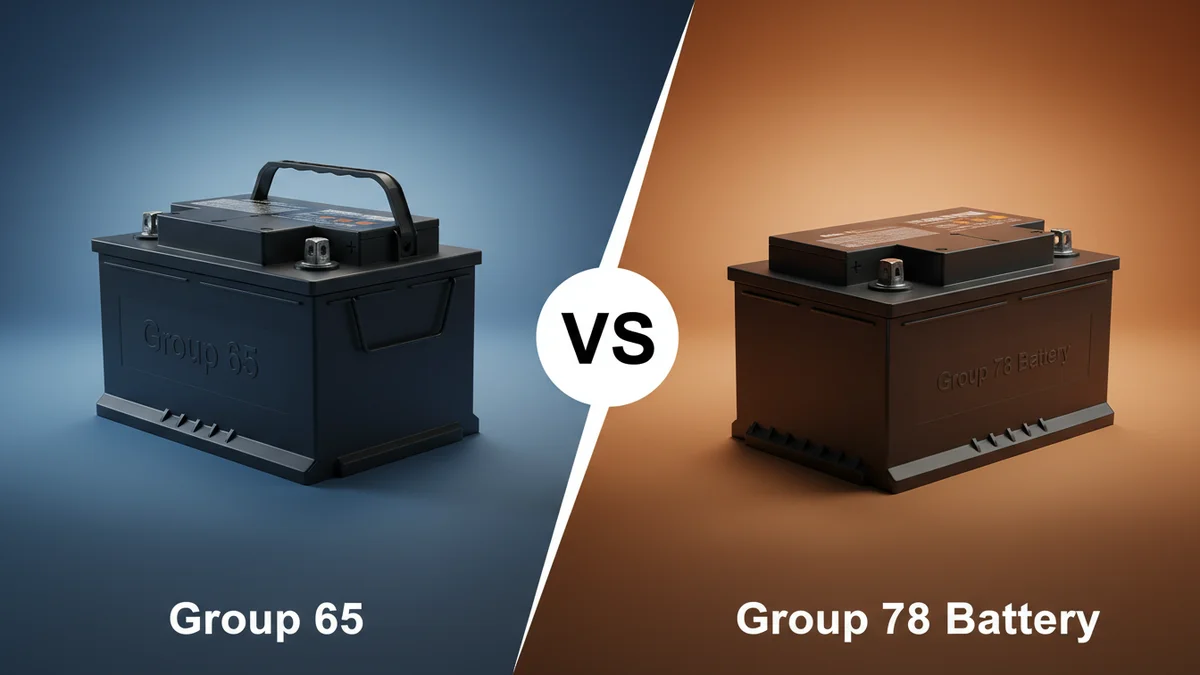
Vehicles requiring higher CCA and RC for reliable starts, especially in cold climates or with heavy accessory loads.
Specific vehicle applications, primarily GM models, that mandate side-post terminals or a more compact battery footprint.
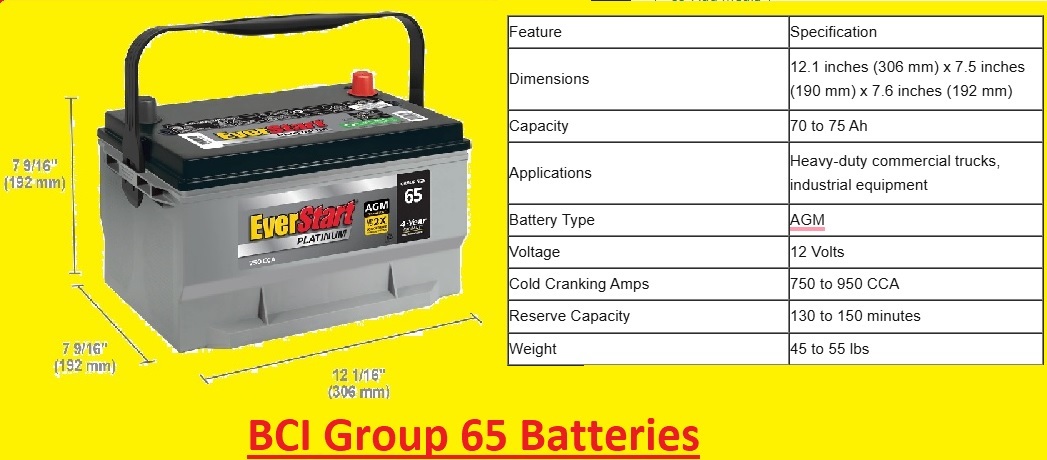
- Group 65 batteries excel in power, offering an average of 900 CCA and 170 minutes of Reserve Capacity.
- Group 78 batteries are more compact at 10.25" L x 7.00" W and are typically lighter by about 10 lbs.
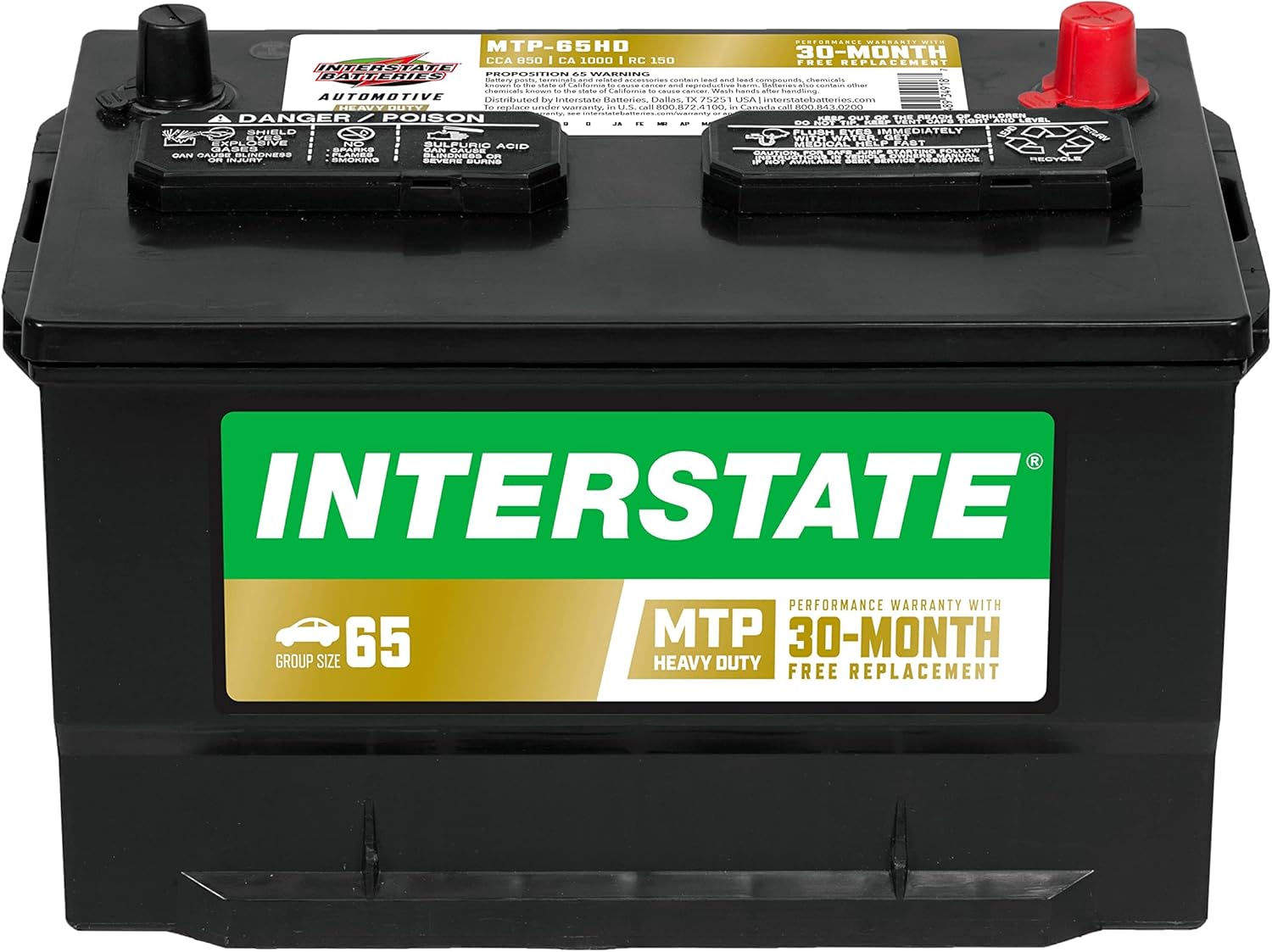
- The primary differentiator is terminal type; Group 65 uses top posts, while Group 78 uses side posts or dual terminals.
- Group 65 batteries often have a longer expected lifespan of 4-6 years, compared to Group 78's 3-5 years.
- Group 78 batteries are generally more affordable, with an average price of $190 vs. $210 for Group 65.
Group 65 vs Group 78 Battery: Head-to-Head Specs
Recommended Best Deal Products


When you dive into the nitty-gritty of battery specifications, the differences between the Group 65 and Group 78 Battery become starkly clear. One immediate takeaway is the Group 65’s commanding lead in starting power, offering a 9.1 rating compared to the Group 78’s 7.8. Conversely, the Group 78 shines in its fitment versatility, earning an 8.5, which is notably higher than the Group 65’s 7.0. These two divergent strengths often dictate their ideal applications.
✓ = better value in that row. Sourced from manufacturer specifications.
Performance & Category Ratings
Digging into the category ratings reveals a clear power hierarchy, with the Group 65 battery consistently outperforming in raw electrical muscle. Its Starting Power (CCA) rating of 9.1 utterly eclipses the Group 78 Battery’s 7.8. This isn’t just a number; it translates directly to more reliable engine starts, especially in brutal cold. Imagine that biting winter morning: the Group 65 will crank over your large truck with conviction, while a Group 78 might struggle under the same stress due to its smaller internal plate surface area. Similarly, for Reserve Capacity, the Group 65 again takes a substantial lead with an 8.8 against the Group 78’s 7.5. This means the Group 65 can power your vehicle’s accessories or keep emergency lights on for longer if the alternator fails, offering a critical safety buffer.
However, the Group 78 isn’t without its distinct advantages, primarily driven by its design. Its Fitment Versatility is rated an impressive 8.5, far surpassing the Group 65’s 7.0. This is largely due to its unique side-post terminal configuration, which allows for installation in tighter, more unconventional spaces often found in older GM vehicles or custom builds. This compact design also grants it a superior Weight & Size rating of 8.9 compared to the Group 65’s 7.2. If you’re dealing with a cramped battery tray, the Group 78 is often the only viable solution. The Group 78 also offers a slightly better Typical Value at 8.7, against the Group 65’s 8.0, often making it a more economical choice for its specific use cases. Finally, while Group 65 offers excellent Reliability & Longevity at 8.6, the Group 78 isn’t far behind at 8.1, proving it’s a durable contender in its own right, despite its smaller power output. Ultimately, the choice hinges on whether you prioritize brute strength or adaptable packaging.
Group 65
Group 78
By the Numbers
Recommended Best Deal Products


Beyond subjective assessments and brand promises, the hard data often provides the clearest picture. Looking at the raw figures for the Group 65 and Group 78 Battery allows for an objective comparison of their inherent capabilities. These numbers reflect critical performance metrics, from the initial surge of power needed to start your engine to how long your accessories can run without the alternator. Understanding these statistics is fundamental to matching the right battery to your specific vehicle and driving conditions.

Group 65
Group 78
Hover any bar for exact values. Each metric scaled independently.
Group 65: Strengths and Weaknesses
The Group 65 battery is, without question, a powerhouse, designed for demanding applications where robust performance is non-negotiable. Its primary strength lies in its exceptional Starting Power (CCA) rated at a formidable 9.1. This makes it an ideal choice for large displacement engines, diesel trucks, and vehicles operating in frigid climates where every amp counts for that crucial morning start. Furthermore, its impressive Reserve Capacity (8.8) ensures that you have ample power to run accessories, even with the engine off, or to endure an alternator issue for a longer period. This battery doesn’t shy away from heavy loads; it thrives on them. Its Reliability & Longevity, scoring an 8.6, means you can expect years of dependable service before needing a replacement. This is a battery built for durability and sustained output.

Audible — Listen Free for 30 Days
One free credit a month and thousands of titles included.
Listen Free for 30 Days As an Amazon Associate I earn from qualifying purchases.However, the Group 65 isn’t without its compromises. Its larger physical footprint contributes to a lower Weight & Size rating of 7.2, which can be a significant drawback. It simply won’t fit into every battery tray, particularly in smaller vehicles or those with specific design constraints. This size also impacts its Fitment Versatility, which registers a 7.0; while common in many large vehicles, it lacks the adaptability of side-post designs. Additionally, its robust construction and higher power output can translate to a slightly lower Typical Value score of 8.0, meaning you might pay a bit more for its capabilities. If your vehicle doesn’t require such extreme power, the Group 65 might be overkill, occupying more space and costing more than necessary.
Price & availability subject to change. As an Amazon Associate we earn from qualifying purchases.
Group 78 Battery: Strengths and Weaknesses
Recommended Best Deal Products
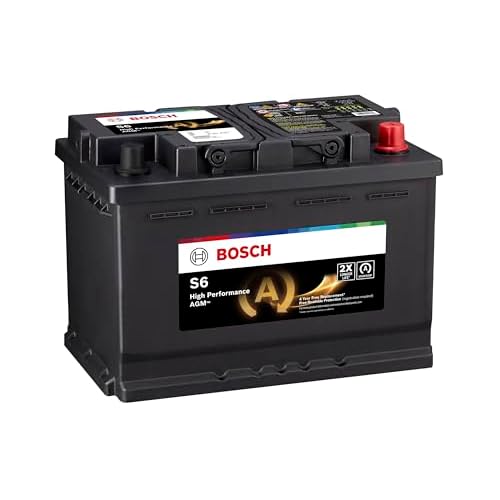


The Group 78 Battery carves out its niche through sheer adaptability and smart packaging. Its standout feature is its exceptional Fitment Versatility, scoring an impressive 8.5. This high rating is primarily thanks to its side-post terminal design, which allows it to slot into tight spaces and specific vehicle models—most notably older GM vehicles and various custom builds—where a top-post battery simply won’t work. This unique design also contributes to its superior Weight & Size rating of 8.9, making it a more compact and often lighter option than its Group 65 counterpart. For vehicle owners dealing with limited under-hood space or unique battery tray configurations, the Group 78 is frequently the only practical solution. Furthermore, with a Typical Value rating of 8.7, it often provides an excellent cost-to-performance ratio for its intended applications, proving to be a smart economic choice for specific needs.
Despite these distinct advantages, the Group 78 Battery does come with some inherent limitations. Its Starting Power (CCA) is rated at a modest 7.8, which, while adequate for many standard applications, falls short of the Group 65’s robust output. If you live in a perpetually cold climate or drive a large diesel, this lower CCA could lead to sluggish, unreliable starts. Similarly, its Reserve Capacity score of 7.5 indicates it won’t power accessories or maintain charge as long as the Group 65, which could be a concern for vehicles with numerous electrical demands or in emergency situations. Finally, its Reliability & Longevity, while still respectable at 8.1, trails slightly behind the Group 65. For those requiring maximum power and endurance, the Group 78 often feels like a compromise.
Price & availability subject to change. As an Amazon Associate we earn from qualifying purchases.
- ✅ Higher Cold Cranking Amps (CCA) for reliable starts.
- ✅ Greater Reserve Capacity (RC) to power accessories longer.
- ✅ Commonly found in larger, more demanding vehicles.
- ✅ Often built with more robust plates for increased durability.
- ✅ Broader compatibility with modern vehicle designs.
- ❌ Generally larger and heavier than Group 78 batteries.
- ❌ Can be slightly more expensive, averaging $210.
- ❌ Terminal type (top post) is not universal for all vehicles.
- ✅ Unique side-post or dual-terminal design for specific vehicles.
- ✅ More compact footprint and lighter weight, around 42 lbs.
- ✅ Often more affordable, with an average price of $190.
- ✅ Essential for certain GM models and older vehicles requiring specific terminals.
- ✅ Easier to handle due to reduced size and weight.
- ❌ Lower Cold Cranking Amps compared to Group 65 (avg. 750 CCA).
- ❌ Lower Reserve Capacity, meaning less power for accessories.
- ❌ Limited to vehicles designed for side-post or smaller batteries.
- ❌ Potentially shorter expected lifespan, averaging 4 years.
Which One Should You Choose?
Deciding between a Group 65 and a Group 78 Battery ultimately comes down to understanding your vehicle’s specific needs, your driving environment, and your budget. If you drive a modern, large truck, SUV, or a diesel-powered vehicle, especially if you regularly tow or operate in cold climates, the Group 65 is your undisputed champion. Its superior Starting Power (9.1 CCA) and Reserve Capacity (8.8) mean you’ll get reliable starts and sustained accessory power, even when pushing your vehicle to its limits. Think about those frigid mornings; that extra cranking power isn’t just a luxury, it’s a necessity. For heavy-duty users or those looking for premium performance and peace of mind, the Group 65 offers an unmatched level of reliability, ensuring your critical systems remain powered. Consider adding a reliable 🛒 Battery Charger/Maintainer → to keep your high-capacity Group 65 in top condition, especially if your vehicle sits for extended periods.
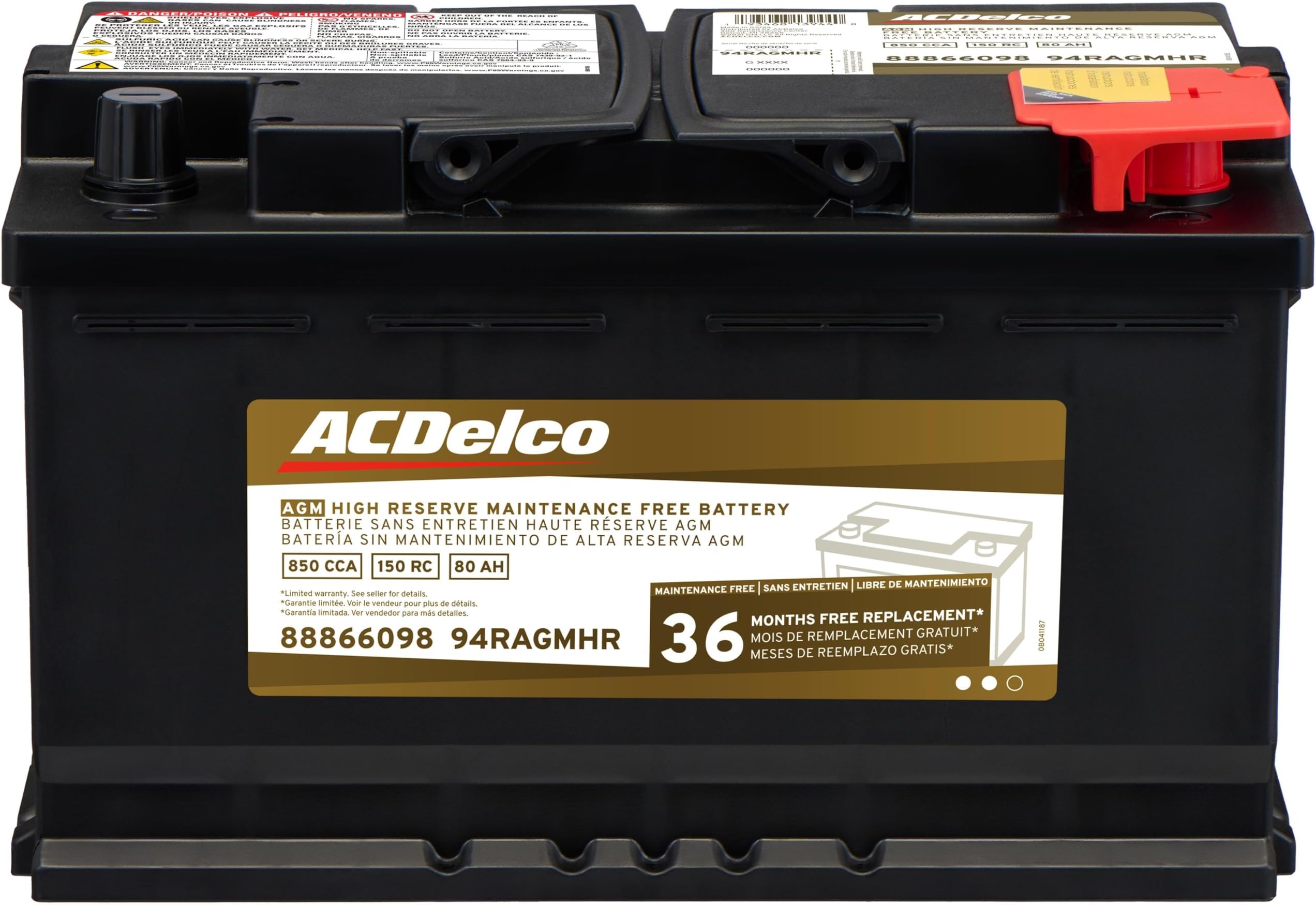
Conversely, the Group 78 Battery excels where space and specific fitment are paramount. If you own an older GM vehicle, a classic car, or a custom build that specifically requires side-post terminals, the Group 78’s outstanding Fitment Versatility (8.5) and compact Weight & Size (8.9) make it the only practical option. While its raw power numbers (7.8 CCA, 7.5 Reserve Capacity) are lower, they are often perfectly adequate for the vehicles it’s designed for. Commuters with standard engines will find its Typical Value (8.7) appealing, offering a cost-effective solution without unnecessary bulk. It’s a pragmatic choice for specific vehicle architectures, prioritizing integration over sheer muscle. For those unique side-post applications, ensuring you have a proper connection is key; a quality 🛒 Side Post Battery Terminal Kit → can be invaluable. If you’re working with extremely tight spaces, a 🛒 Low Profile Battery Box → might also be a worthy consideration to protect your Group 78. Ultimately, don’t force a square peg into a round hole; let your vehicle’s design and demands guide your choice.
Vehicles requiring higher CCA and RC for reliable starts, especially in cold climates or with heavy accessory loads.
Audible Premium Plus — Annual Membership
12 audiobook credits up front, plus the full Audible catalogue.
See Annual Plans As an Amazon Associate I earn from qualifying purchases.Specific vehicle applications, primarily GM models, that mandate side-post terminals or a more compact battery footprint.
Final Verdict
After a thorough head-to-head comparison, the Group 65 battery emerges as the overall winner for the vast majority of demanding applications. Its undeniable supremacy in Starting Power (9.1) and Reserve Capacity (8.8) makes it the superior choice for modern large trucks, SUVs, and any vehicle requiring maximum cold-cranking performance and sustained electrical resilience. For those who prioritize brute strength and reliability in challenging conditions, the Group 65 simply cannot be beaten.
However, this doesn’t diminish the vital role of the Group 78 Battery. It is an indispensable solution for specific vehicle models and custom setups where its unique side-post terminals provide unmatched Fitment Versatility (8.5) and a more compact design (8.9). The fundamental trade-off between these two contenders is clear: the Group 65 offers raw power and endurance, while the Group 78 provides adaptability and a more specialized fit. Choose the Group 65 for power; opt for the Group 78 when specific physical constraints dictate the choice.
As an Amazon Associate we earn from qualifying purchases.
Frequently Asked Questions
Is Group 65 better than Group 78 Battery?
Generally, Group 65 is 'better' for pure power, offering 900+ CCA and 170+ minutes of reserve capacity compared to Group 78's 750 CCA and 130 minutes. However, 'better' depends on your vehicle's specific requirements. If your car demands side-post terminals, Group 78 is the only suitable choice, irrespective of power metrics.
Which battery type offers better reliability?
Both Group 65 and Group 78 batteries from reputable brands offer good reliability. However, Group 65 batteries, due to their typically more robust construction to handle higher power demands, might offer a slightly longer average lifespan of 5-6 years compared to Group 78's 3-5 years, assuming optimal conditions and maintenance.
What is the biggest difference between Group 65 and Group 78 batteries?
The biggest differences lie in their terminal design, physical dimensions, and power output. Group 65 typically uses top posts, measures about 12.06" L x 7.50" W, and offers 850-950 CCA. Group 78 commonly features side posts, is more compact at 10.25" L x 7.00" W, and provides 700-800 CCA.
Which battery is more expensive in 2026?
In 2026, the Group 65 battery is generally slightly more expensive, with an average price range of $160-$260. The Group 78 Battery typically falls into a $140-$240 range. The price difference can be attributed to the Group 65's larger size and higher material requirements for increased power output.
How do I know if my vehicle needs a Group 65 or Group 78 Battery?
Consult your vehicle's owner's manual or check the existing battery's label. The BCI Group Size is usually printed on it. Critically, observe the terminal type (top or side post) and the battery tray dimensions. You must match the group size and terminal configuration precisely for proper fitment and safe operation.