Ford F250 Tire Pressure Specification Chart By Year (2011–2026)

Quick Answer
Recommended tire pressure for the Ford F-250 typically ranges between 60 PSI and 80 PSI, depending on the axle load and tire configuration. While general factory specifications exist, the definitive PSI for your specific vehicle is found on the driver’s side B-pillar door sticker. Always prioritize the door sticker over the tire sidewall’s maximum rating to ensure proper handling and safety.
Is your Tire Pressure Monitoring System (TPMS) light flashing, or are you preparing to haul a heavy load? Many F-250 owners mistakenly assume the “Max PSI” printed on the tire sidewall is the correct operating pressure. Relying on this figure often leads to a harsh ride, uneven tire wear, and compromised handling. The definitive source for your truck’s inflation requirements is the factory-issued placard located on the driver-side door jamb. This guide provides the essential Ford F250 tire pressure chart and explains the critical nuances of maintaining your vehicle’s safety, payload integrity, and fuel efficiency.

Prime for Young Adults — 6 Months Free
Students and 18–24s get six months of Prime free, then half price.
Start 6 Months Free As an Amazon Associate I earn from qualifying purchases.This reference covers the Ford F-250 Super Duty (2011–2026). Specifications vary by wheelbase, cab configuration, engine (6.2L, 6.7L, 6.8L, 7.3L), and axle package. Always verify values against your vehicle’s specific door sticker and owner’s manual. Last reviewed: August 2026.
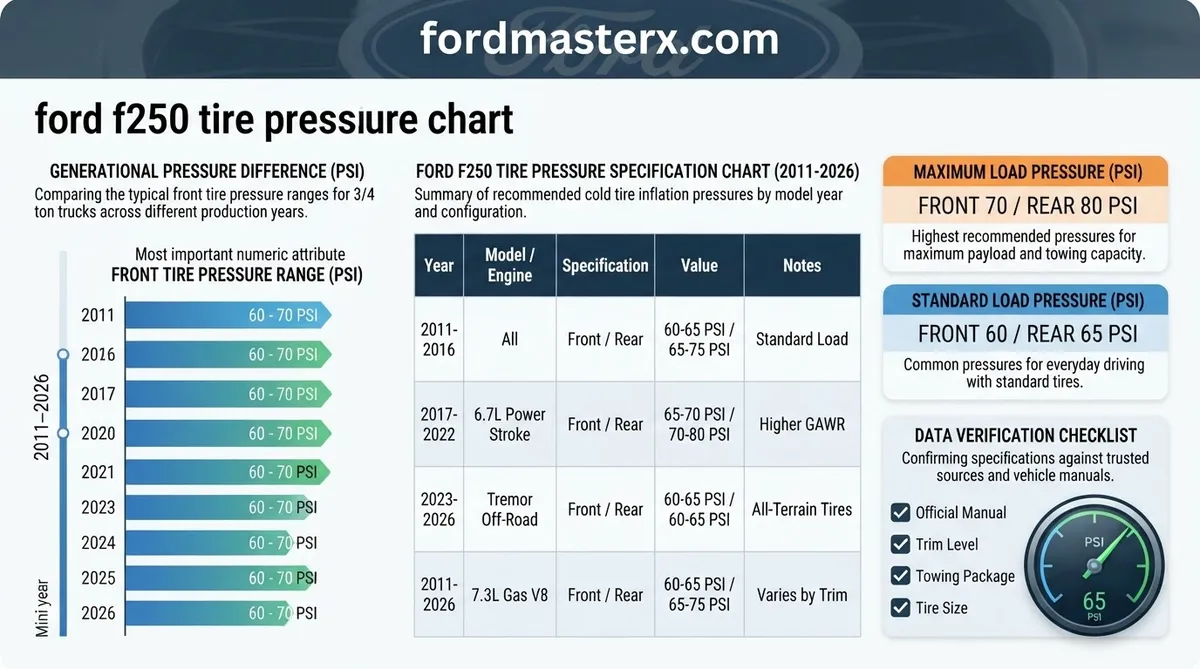
Ford F250 Tire Pressure Specification Chart by Year (2011–2026)
Recommended Best Deal Products


📤 Share Image
| Model Years | Typical Engine/Trim | Front PSI | Rear PSI | Notes |
|---|---|---|---|---|
| 2011–2016 | 6.7L Diesel / 6.2L Gas | 60–65 | 65–70 | Verify door placard. |
| 2017–2022 | 6.7L Power Stroke | 65 | 70–75 | SRW configurations. |
| 2023–2026 | 7.3L / 6.7L High Output | 60–65 | 65–80 | Check for Load Range E. |
Understanding Load Range E and PSI Differences
Most F-250s are equipped with Load Range E (10-ply) tires. These are designed to support the vehicle’s high Gross Vehicle Weight Rating (GVWR). The discrepancy between front and rear pressures is intentional: the front axle must carry the engine’s weight, while the rear axle is designed for payload capacity. Failure to maintain these specific differentials can lead to “darty” steering or reduced stability under load.
How to Properly Check Your Ford F250 Tire Pressure
Checking your tire pressure is not just about maintenance—it is a critical safety procedure for heavy-duty vehicles.
Always check pressure when tires are “cold”—meaning the vehicle has sat for at least three hours or has been driven for less than one mile. Heat buildup increases pressure readings significantly.
Avoid cheap “pencil” gauges found at gas stations. Invest in a high-quality digital or dial-type gauge rated for high-pressure applications (up to 100 PSI).
Locating Your Factory Tire Information Placard
The official specification is always found on the B-pillar (door jamb) sticker. This placard is specific to your exact vehicle VIN, taking into account your specific trim, cab, and installed engine weight.
The Danger of Checking Pressure After Driving
As tires roll, internal friction creates heat, causing the air inside to expand. Checking pressure while tires are warm will result in an artificially high reading. If you adjust pressure while the tires are hot, you will likely end up with under-inflated tires once they cool down, increasing rolling resistance and the risk of sidewall blowout.
Factors Influencing Your Ford F250 Recommended Tire Inflation
Recommended Best Deal Products


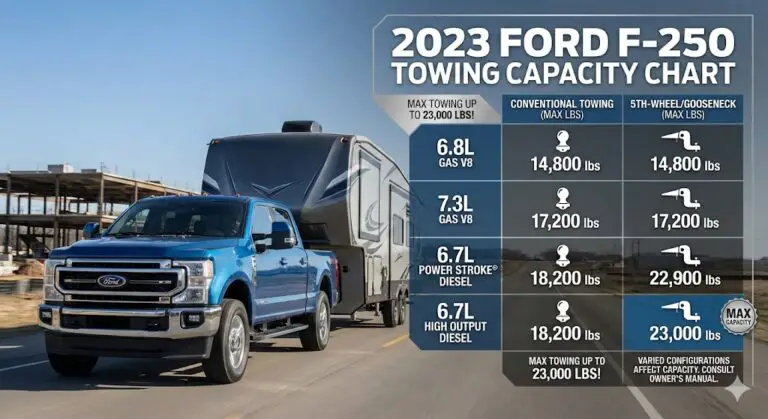
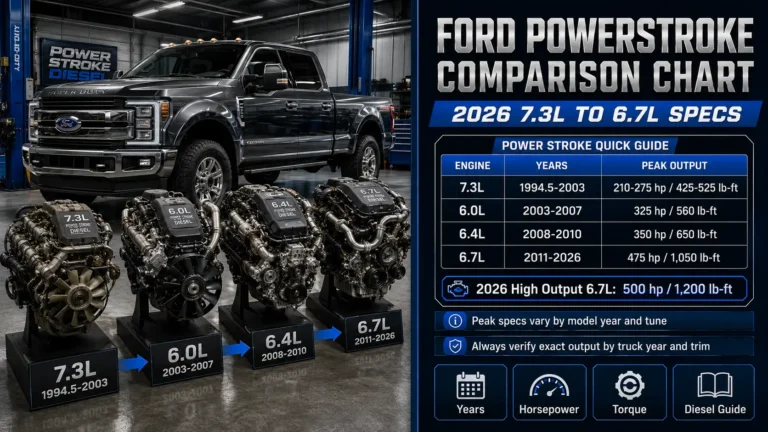
- Engine Weight: The 6.7L Power Stroke diesel engine weighs significantly more than the 6.8L or 7.3L gas engines. This additional mass requires higher front-end tire pressure to maintain the correct contact patch.
- Gross Vehicle Weight Rating (GVWR): Your truck’s GVWR dictates the structural integrity required of the tires. The factory recommendation on the door sticker is the calculated balance for the vehicle’s maximum capability.
- Aftermarket Tires: If you deviate from the OEM tire size or construction (e.g., switching to an All-Terrain or Mud-Terrain tire), the factory placard may no longer be accurate. In this case, consult the tire manufacturer’s load/inflation tables.
Never use the “Max PSI” molded into the tire’s sidewall as your daily driving pressure. That number represents the maximum pressure the tire can handle at its maximum load, not your truck’s specific handling requirement.

Audible — Listen Free for 30 Days
One free credit a month and thousands of titles included.
Listen Free for 30 Days As an Amazon Associate I earn from qualifying purchases.Troubleshooting Ford F250 TPMS Alerts and Tire Issues
Resetting the TPMS After Tire Rotation
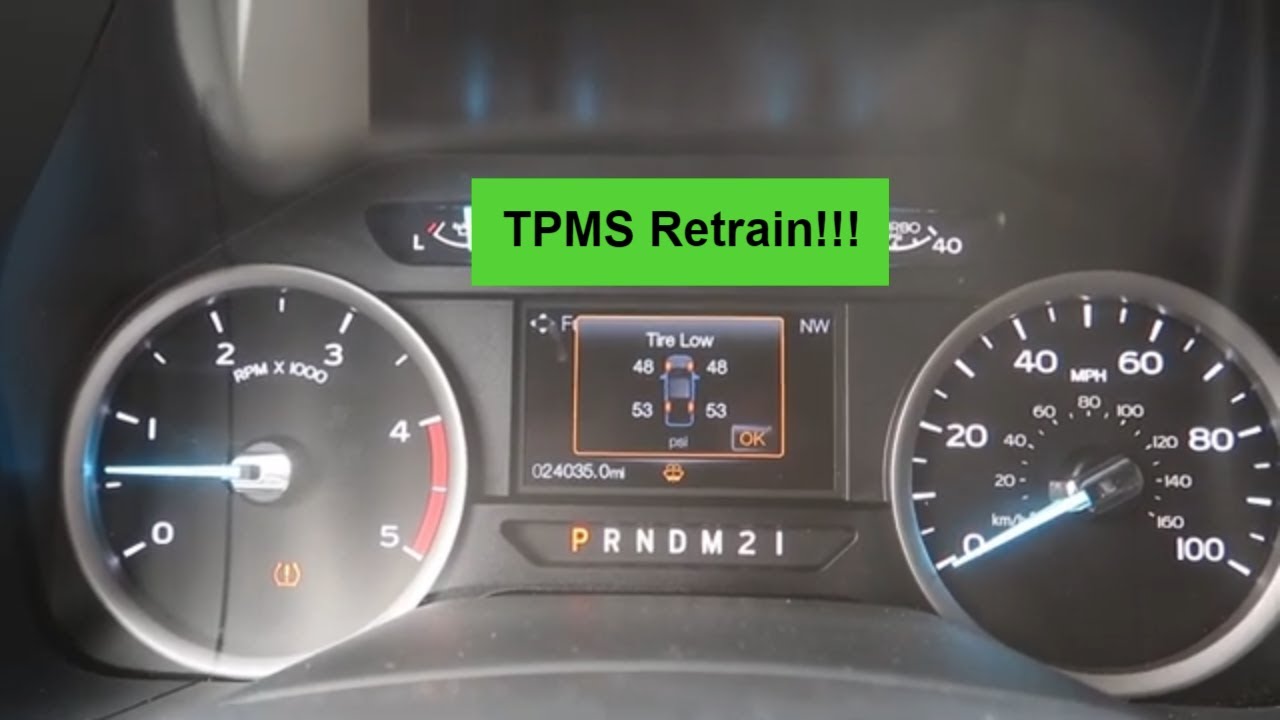
Ford F-250s utilize high-pressure TPMS sensors. After a tire rotation, the system typically requires a “relearn” process. This allows the truck’s ECU to identify the new location of each sensor. Ignoring a persistent TPMS light after a rotation can mask an actual pressure leak in a different tire.
Addressing TPMS Warnings After Aftermarket Tire Swaps
Changing to aftermarket wheels or tires can interfere with the TPMS. If your new tires are not compatible with the factory sensor mounting, you may deal with permanent warning lights. Ensure that any new wheel setup uses compatible valve-mounted sensors to maintain proper vehicle monitoring.
By The Numbers
Standard PSI Minimum
Common Max PSI
Final Recommendations
Recommended Best Deal Products


Maintaining the correct tire pressure is the single most effective way to extend tire life and ensure consistent handling under heavy loads. Always prioritize your driver-side door placard over any other source, ensure your pressure is checked only when tires are cold, and re-calibrate your TPMS whenever tires are rotated or replaced. By following these industry-standard practices, you ensure your Ford F-250 remains capable, safe, and efficient for years to come.
Check your driver-side door jamb today to ensure your F-250 is running at the correct factory specifications.
Ford f250 Tire Pressure Chart: Frequently Asked Questions
What PSI should I run in my F-250 when unloaded?
You should run the PSI indicated on your driver-side door placard at all times, regardless of whether you are unloaded or loaded. This pressure is calculated by Ford to handle the maximum weight rating of your specific axle and configuration. Reducing pressure when unloaded can cause uneven tire wear, sluggish handling, and significantly decreased fuel economy.
Will I get a TPMS light if I change my tire size?
Yes, if you switch to a tire size or load range that differs from your factory-equipped tires, the TPMS system may trigger a warning light. Because the TPMS is calibrated to specific thresholds, aftermarket tires—especially those with different load capacities—often require an adjustment to the ECU settings using a diagnostic tool (like FORScan) to stop the light from appearing.
Is it safe to lower tire pressure for off-roading?
It is common practice to lower tire pressure for increased traction and flotation on soft surfaces like sand or loose gravel. However, this is intended for temporary, low-speed off-road use only. You must re-inflate to the recommended factory PSI before driving at highway speeds, as driving at low pressure causes extreme heat build-up and can lead to catastrophic tire structural failure.
Where is the best place to find my specific tire pressure requirement?
The most accurate source for your specific vehicle is the Tire and Loading Information placard (sticker) attached to the driver’s side B-pillar door jamb. Do not rely on the PSI rating molded into the tire’s sidewall, as that number represents the maximum cold pressure the tire can handle when loaded to its absolute maximum capacity, not the vehicle manufacturer’s recommendation.
Does the engine choice change the required tire pressure?
Yes, engine choice significantly affects front-end tire pressure requirements. For instance, the 6.7L Power Stroke V8 diesel engine is considerably heavier than the 6.2L or 7.3L gasoline engines. Because this extra weight sits directly over the front axle, the factory specification for front tire PSI on a diesel Super Duty is almost always higher than that of a gas-powered counterpart.
Audible Premium Plus — Annual Membership
12 audiobook credits up front, plus the full Audible catalogue.
See Annual Plans As an Amazon Associate I earn from qualifying purchases.