
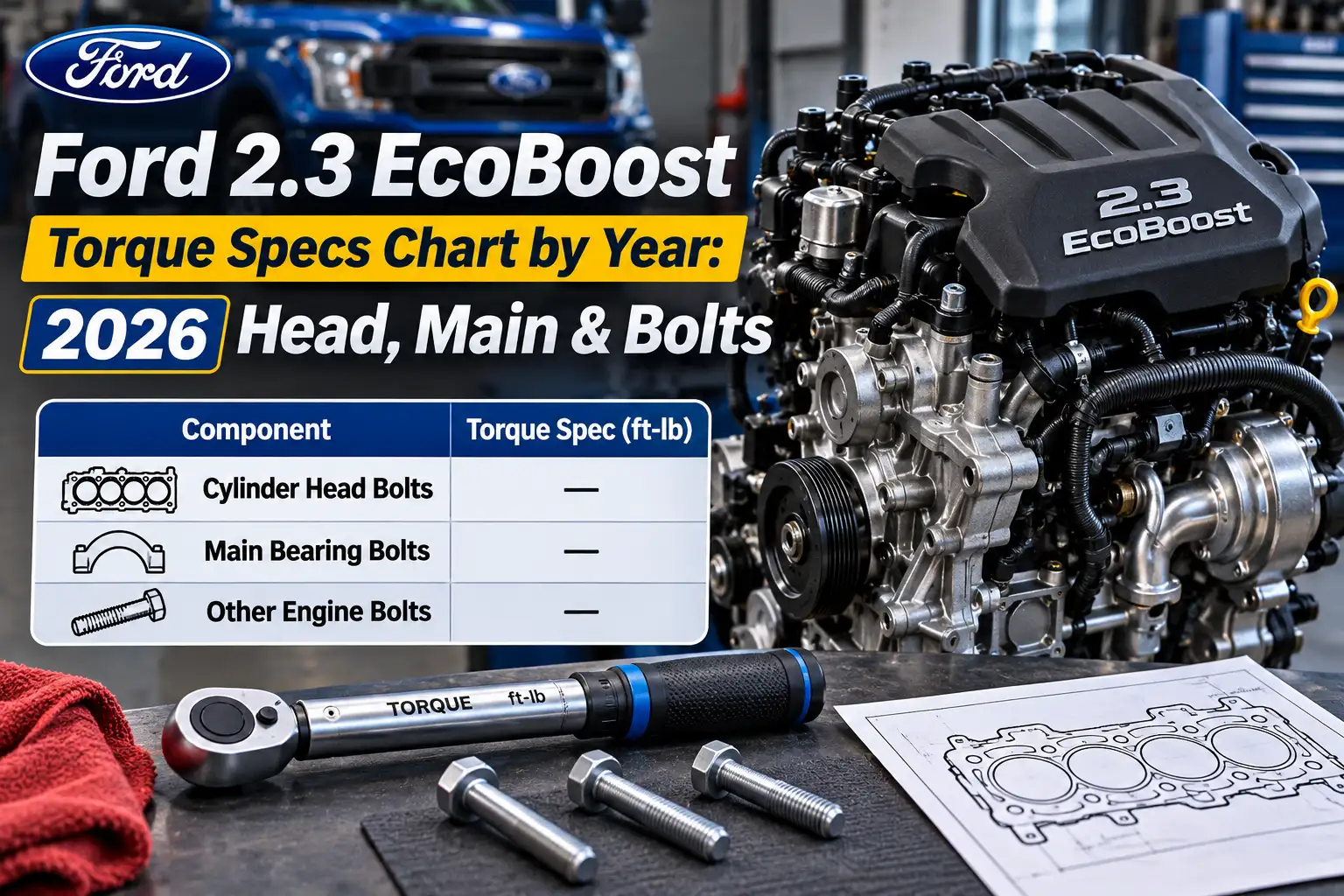
Ford 2.3 EcoBoost Torque Specs Chart by Year: 2015-2026 Head, Main & Bolts

The Ford 2.3 EcoBoost makes between 310 and 350 lb-ft of torque in current Ford ratings, from 310 lb-ft in the Ranger and Explorer to 350 lb-ft in the Mustang. The two shop numbers owners search for most come from the Ford Workshop Manual: 106 lb-in (12 Nm) for the spark plugs and 20 lb-ft (27 Nm) for the oil drain plug.
That spark plug figure matters. Several pages ranking for this topic list 18 lb-ft, roughly double Ford’s value, on an aluminum cylinder head.

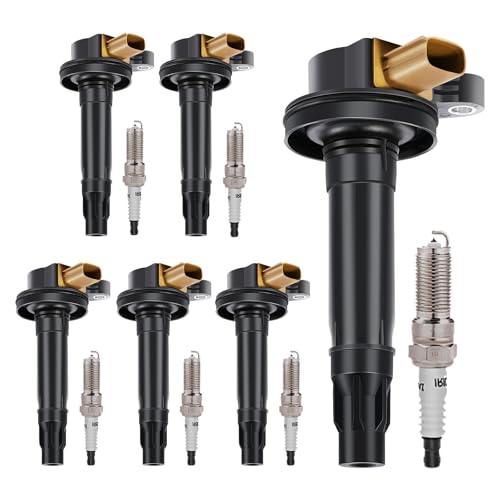
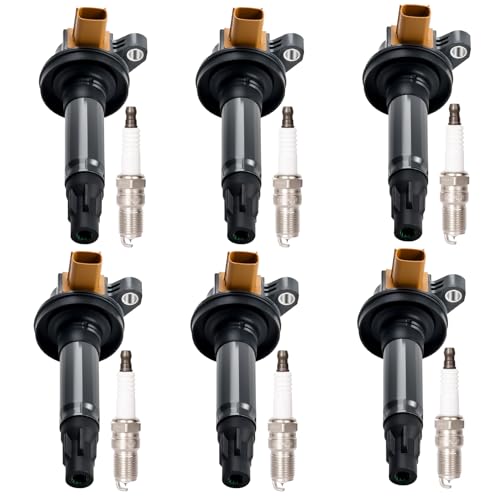
Below you will find output torque by vehicle and year, a fastener chart tied to Ford service data, what changed with the 2024 redesign, and the mistakes that strip threads. Start with the quick reference chart if you only need one number.
FordMasterX Spec Chart
Ford 2.3 EcoBoost Fastener Torque Specs
2015 to 2023 engine data from the Ford Workshop Manual and owner manuals. Ranger, Bronco, Explorer and Mustang.
Spark plugs
106 lb-in
12 Nm, not 18 lb-ft
Oil drain plug
20 lb-ft
27 Nm, metal plug
Oil filter
8 Nm
Then turn 180 degrees
Lug nuts
100 lb-ft
Ranger and Bronco
| Component | Nm | lb-ft | lb-in | Note | Source |
|---|---|---|---|---|---|
| Spark plugs | 12 | 8.8 | 106 | Gap 0.030 in, remove only when warm | Ford WSM |
| Ignition coil bolts | 10 | 7.4 | 89 | Coil-on-plug retainers | Ford WSM |
| Oil pan drain plug | 27 | 20 | 240 | Integrated gasket, inspect each change | Ford WSM |
| Oil filter | 8 | 5.9 | 71 | Plus 180 degrees | Ford WSM |
| Lug nuts, Ranger 2019+ and Bronco 2021+ | 135 | 100 | n/a | M12 x 1.5 studs | Owner manual |
| Lug nuts, Explorer 2020+ and Mustang 2015+ | 204 | 150 | n/a | M14 x 1.5 studs | Owner manual |
| Cylinder head bolts | Multi stage | Multi stage | n/a | Torque to yield, single use | Use WSM 303-01 |
Sources: Ford 2019 Ranger Workshop Manual sections 303-01 and 303-07, Ford owner manuals. 2024 and newer engines may differ, so confirm against your model year.
2.3 EcoBoost Torque Specs at a Glance 2015 to 2026


These are the eight 2.3 EcoBoost torque values owners look up most. Fastener values come from the 2019 Ranger Workshop Manual unless noted.
| Spec | Value |
|---|---|
| Peak output torque, current Ford ratings | 310 to 350 lb-ft |
| Ranger 2019 and newer | 310 lb-ft at 3,000 rpm |
| Bronco 2021 and newer | 325 lb-ft premium, 315 lb-ft regular |
| Spark plug torque | 106 lb-in (12 Nm) |
| Spark plug gap | 0.030 in (0.75 mm) |
| Oil drain plug torque | 20 lb-ft (27 Nm) |
| Oil filter torque | 71 lb-in (8 Nm) plus 180 degrees |
| Lug nuts, Ranger and Bronco | 100 lb-ft (135 Nm) |
Spark plug and filter values are in pound-inches, not pound-feet. That one detail causes most of the damage covered later.
Output torque changes more than most owners expect, depending on which Ford the engine sits in.
2.3 EcoBoost Torque Output by Vehicle 2015 to 2026


Ford rates the same basic 2.3 EcoBoost at several different outputs. The spread comes from calibration, fuel grade, and the 2024 redesign, not from a different engine family.


| Vehicle | Model Years | Horsepower | Torque | Rating Note |
|---|---|---|---|---|
| Mustang | 2015 to 2017 | 310 hp | 320 lb-ft | Ford rating |
| Mustang | 2018 to 2023 | 310 hp | 350 lb-ft | Ford rating |
| Mustang High Performance Package | 2020 to 2021 | 330 hp | 350 lb-ft | Optional package |
| Mustang | 2024 and newer | 315 hp | 350 lb-ft | Redesigned engine |
| Focus RS | 2016 to 2018 | 350 hp | 350 lb-ft | Ford rating |
| Explorer | 2016 to 2019 | 280 hp | 310 lb-ft | Ford rating |
| Explorer | 2020 and newer | 300 hp at 5,500 rpm | 310 lb-ft at 3,000 rpm | Ford rating |
| Ranger | 2019 and newer | 270 hp at 5,500 rpm | 310 lb-ft at 3,000 rpm | Same rating carried into 2025 |
| Bronco | 2021 and newer | 300 hp at 5,700 rpm | 325 lb-ft | 275 hp and 315 lb-ft on 87 octane |
The Maverick uses the 2.0L EcoBoost, not the 2.3L, so none of these figures apply to it.
Truck and SUV Applications
The Ranger carries the lowest rating at 270 hp and 310 lb-ft, with peak torque at 3,000 rpm. The 2020 and newer Explorer shares the same 310 lb-ft at the same rpm but makes 300 hp.
The Bronco is the outlier among the trucks. Ford’s official SAE figures show 300 hp and 325 lb-ft on premium fuel, falling to 275 hp and 315 lb-ft on 87 octane, as Ford Authority reported when the final ratings came out.
Mustang and Focus RS Applications


The Mustang jumped from 320 to 350 lb-ft for 2018 and has held that number since. Ford Performance rates its 2.3L crate engine, based on the 2018 Mustang version, at 350 lb-ft at 3,000 rpm on 93 octane.


The Focus RS matched that torque with 350 hp. For engine background, see our Ford 2.3L engine specs and reliability.
The truck versions trail the Mustang on paper, and the reason matters if you tow.
Why Ranger and Bronco 2.3 Torque Trails the Mustang


The Ranger’s 310 lb-ft looks modest next to the Mustang’s 350, but both reach peak torque around 3,000 rpm. The difference is calibration, not hardware.
Our read is simple. A pickup sees sustained load and long grades with a trailer, so its calibration is more conservative, while the Mustang calibration chases peak power.
Fuel grade is the other variable. The Bronco loses 10 lb-ft and 25 hp on regular gas, so a Bronco that tows on 87 octane is working with 315 lb-ft, not 325.

The hardware has headroom. Ford Performance sold a 2021 to 2022 Bronco calibration that added 30 hp and 60 lb-ft, reaching 330 hp and 385 lb-ft on premium with the torque peak moved to 3,500 rpm. Most of the gap is software.
For towing, torque below 3,000 rpm matters more than the peak number, and the 10-speed automatic keeps the engine in that band. Check the Ford Ranger towing capacity by year before you hitch up.
Output numbers explain how the engine performs. The fastener specs below keep it running.
2.3 EcoBoost Fastener Torque Chart for DIY Service
Every value here comes from Ford service data or owner manuals. The core engine values come from the 2019 Ranger 2.3L Workshop Manual specification sheet.
| Component | Nm | lb-ft | lb-in | Procedure Note |
|---|---|---|---|---|
| Spark plugs | 12 | 8.8 | 106 | Remove only when warm |
| Ignition coil bolts | 10 | 7.4 | 89 | Ford procedure value |
| Oil pan drain plug | 27 | 20 | 240 | Metal plug, integrated gasket |
| Oil filter | 8 | 5.9 | 71 | Then turn 180 degrees |
| Lug nuts, Ranger 2019 and newer | 135 | 100 | Not used | M12 x 1.5 studs |
| Lug nuts, Bronco 2021 and newer | 135 | 100 | Not used | M12 x 1.5 studs |
| Lug nuts, Explorer 2020 and newer | 204 | 150 | Not used | M14 x 1.5 studs |
| Lug nuts, Mustang 2015 and newer | 204 | 150 | Not used | M14 x 1.5 studs |
| Cylinder head bolts | Multi stage | Multi stage | Not used | Single use, see below |
Ignition and Spark Plug Torque


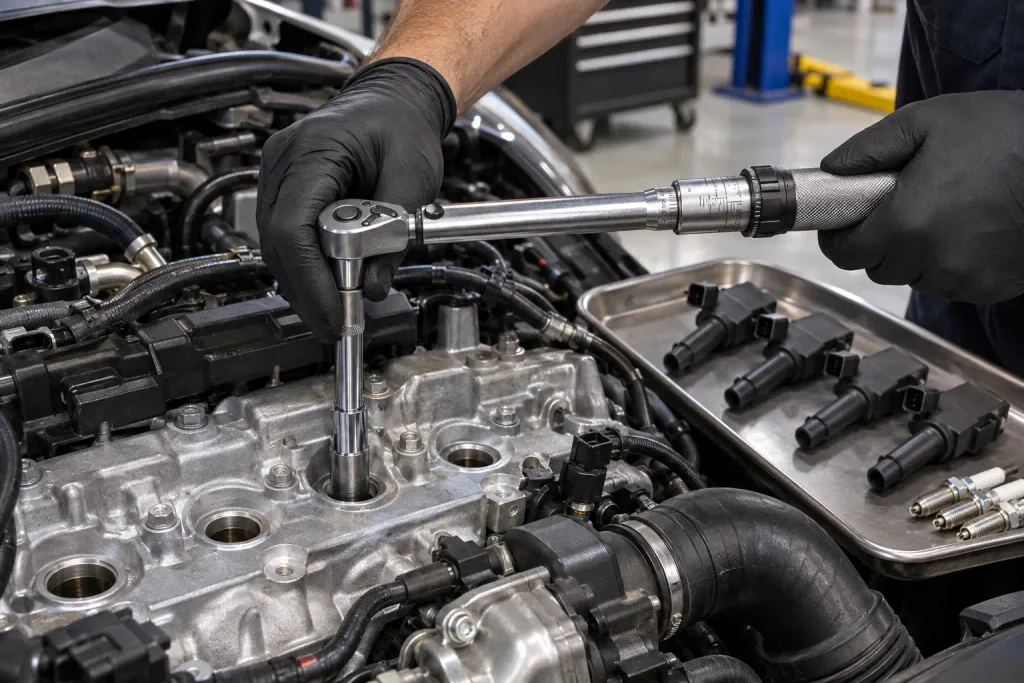
Ford’s spark plug procedure lists 106 lb-in (12 Nm), and the plug gap is 0.030 in (0.75 mm). Ford’s scheduled maintenance calls for new plugs every 100,000 miles.
The current Motorcraft plug is SP-594, which superseded the SP-578 listed in early manuals. The coil-on-plug retainers take 89 lb-in (10 Nm). Some DIY guides list 15 Nm for the plugs, but the Ford procedure says 12 Nm, so use 12.
Oil Change Fastener Torque


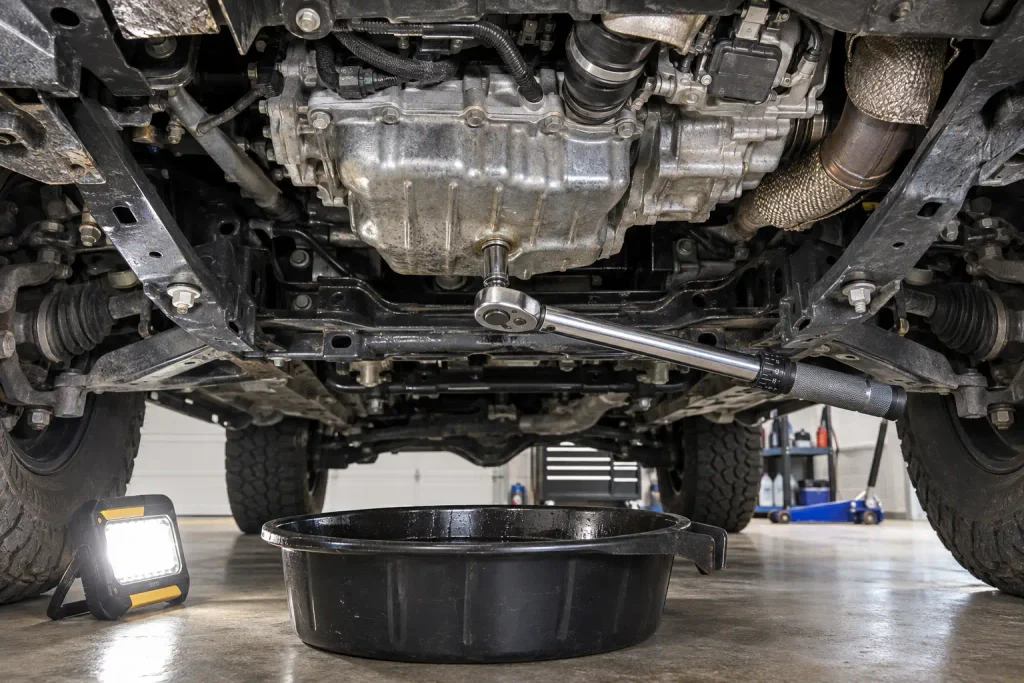
The drain plug takes 20 lb-ft (27 Nm). The spin-on filter takes 71 lb-in (8 Nm) and then an additional 180 degrees. Bronco owner data shows the same 27 Nm drain plug value.
The 2019 Ranger service fill is 6.2 quarts including the filter. Bronco owners report 6.0 quarts of 5W-30 meeting WSS-M2C961-A1 with a Motorcraft FL-910-S filter. For the right grade and spec by model, use the Ford engine oil recommendation chart.
Head Bolt and Turbo Fastener Torque


The 2.3 EcoBoost uses torque to yield head bolts. These bolts stretch on purpose during installation, so they are single use and must be replaced whenever the head comes off. Removal and installation call for a T55 Torx bit.
We are not publishing head bolt stage values because public sources conflict. One torque database lists stages of 7, 15 and 55 Nm and flags its own source as unverified. Another lists 15 lb-ft and 41 lb-ft plus two 90 degree turns. Neither traces to a Ford manual.
The same caution applies to intake and turbo fasteners. The turbo bolts directly to the head’s integrated exhaust manifold, so that joint sees extreme heat. For this work, buy Ford Workshop Manual section 303-01 for your model year.
Wheel Lug Nut Torque by Vehicle
The Ranger and Bronco share 100 lb-ft (135 Nm) on M12 x 1.5 studs. The 2020 and newer Explorer and the 2015 and newer Mustang use larger M14 x 1.5 studs at 150 lb-ft (204 Nm). Ford owner manuals call for retightening within 100 miles (160 km) after any wheel removal.
These values apply to the 2015 to 2023 engine. The 2024 redesign changes the picture.
How the 2024 and Newer 2.3 EcoBoost Changes Service Specs
Ford redesigned the 2.3 EcoBoost for the 2024 Mustang, and not every older spec transfers. The updated engine uses modified cylinder dimensions, a new cylinder head design, and combined port and direct fuel injection.
The Ranger received the port plus direct injection version for 2025 with the same 270 hp and 310 lb-ft rating, so check specs against your own model year.
| Item | 2015 to 2023 Engine | 2024 and Newer Engine |
|---|---|---|
| Fuel injection | Direct injection only | Port plus direct injection |
| Cylinder head | Original design | New design |
| Spark plug part | SP-594 | SP-594 listed for 2019 to 2025 Ranger |
Some details carry over, including the SP-594 plug in Motorcraft fitment listings. The new injection layout also targets the earlier engine’s carbon build-up issue, one of the factors covered in our guide to 2.3 EcoBoost engine lifespan.
Torque on the fuel system matters too. Ford recalled 69 Explorer and Ranger trucks from the 2022 model year with the 2.3L under campaign 22V-685 because an engine plant specialist did not properly torque the high pressure fuel line to the fuel pump and fuel rail. The safety risk was a fuel leak and fire.
Correct specs only help if you apply them correctly.
How to Torque 2.3 EcoBoost Fasteners Correctly in 5 Steps
Five habits separate a clean job from a stripped aluminum thread.
- Match the wrench to the spec. A 106 lb-in spark plug spec is only 8.8 lb-ft, the very bottom of most 3/8 inch click wrenches where accuracy is weakest. Use a 1/4 inch drive inch-pound wrench. Success is a clean click well inside the scale.
- Prepare the threads. Clean bolt holes and threads before torquing. Ford’s wheel torque values assume threads free of dirt and rust. Success is a fastener that spins in by hand until it seats.
- Use an angle gauge for angle specs. The oil filter’s extra 180 degrees and any torque to yield bolt need a measured turn, not a guess. Success is the needle landing on the exact angle.
- Pull spark plugs at the right temperature. Ford says to remove plugs only when the engine is warm to the touch, never hot or cold soaked, and to blow out each plug well first. Success is plugs breaking loose without heavy drag.
- Torque lug nuts in a star pattern and recheck. Snug every nut, then torque in a crisscross pattern and retighten within 100 miles (160 km). Success is every nut clicking at the same value on the recheck.
Most torque problems on this engine come from a handful of repeat mistakes.
5 Costly 2.3 EcoBoost Torque Mistakes Ford Owners Make
The most common 2.3 EcoBoost torque error is published on pages that rank for this keyword.
Torquing Spark Plugs to 18 Pound Feet
Spun spec PDFs list 18 lb-ft (24 Nm) for the 2.3L spark plugs. That is about double the 12 Nm in the Ford spark plug procedure. On an aluminum head, that extra load can stretch or pull the threads.
Reusing Torque to Yield Head Bolts
A stretched head bolt will not hold the same clamp load twice. Reuse risks a head gasket leak on an engine with a known head gasket weak point in some years.
Using ARP Stud Values on Stock Bolts
ARP head stud kits for the 2.3L use their own torque steps with ARP assembly lube. Those numbers apply only to ARP studs, never to factory bolts.
Mixing Up Newton Meters and Pound Feet
The oil filter spec reads 8 Nm, 71 lb-in, or 5.9 lb-ft depending on the source. Setting a wrench to 71 lb-ft instead of 71 lb-in crushes the filter gasket. Confirm the unit printed on your wrench before every job.
Treating the 2.3 Drain Plug Like the 2.7
The Bronco 2.7L uses a plastic quarter turn drain plug sealed by O-rings. The 2.3L uses a threaded metal 15 mm plug with an integrated gasket, so replace it if that gasket is damaged.
Key 2.3 EcoBoost Torque Values Every Owner Should Save
Three numbers cover most home service on this engine. Spark plugs take 106 lb-in (12 Nm), the drain plug takes 20 lb-ft (27 Nm), and the oil filter takes 71 lb-in (8 Nm) plus 180 degrees.
For output, plan around 310 lb-ft in the Ranger and Explorer, 325 lb-ft in a premium-fueled Bronco, and 350 lb-ft in the Mustang. Anything deeper than an oil change or plug swap calls for the Ford Workshop Manual for your exact year.
Save this Ford 2.3 EcoBoost torque specs chart before your next service, and set your wrench in the right unit every time.
2.3 EcoBoost Torque Specs Questions Ford Owners Ask
How Much Torque Does the 2.3 EcoBoost Make
It makes 310 to 350 lb-ft in current Ford ratings. The Ranger and Explorer make 310 lb-ft at 3,000 rpm, the Bronco makes 325 lb-ft on premium, and the 2018 and newer Mustang makes 350 lb-ft.
What Is the 2.3 EcoBoost Spark Plug Torque
Ford specifies 106 lb-in (12 Nm) with a 0.030 in gap, which equals about 8.8 lb-ft. Use an inch-pound wrench and install plugs on a warm engine, never a hot one.
What Is the Ranger 2.3 Drain Plug Torque
The Ranger 2.3L drain plug takes 20 lb-ft (27 Nm), per the Ford Workshop Manual. The plug has an integrated gasket, so replace the plug if that gasket is torn or flattened.
Are 2.3 EcoBoost Head Bolts Torque to Yield
Yes. They stretch during installation and must be replaced whenever the head comes off. Follow the Ford Workshop Manual sequence for your model year, since third-party stage values conflict.
Does the Bronco 2.3 Make More Torque Than the Ranger
Yes. The Bronco makes 325 lb-ft on premium and 315 lb-ft on regular, against 310 lb-ft in the Ranger. The difference comes from calibration and fuel grade.
What Is the Ranger 2.3 EcoBoost Lug Nut Torque
The 2019 and newer Ranger uses 100 lb-ft (135 Nm) on M12 x 1.5 studs. Tighten in a star pattern and retighten within 100 miles after any wheel removal.