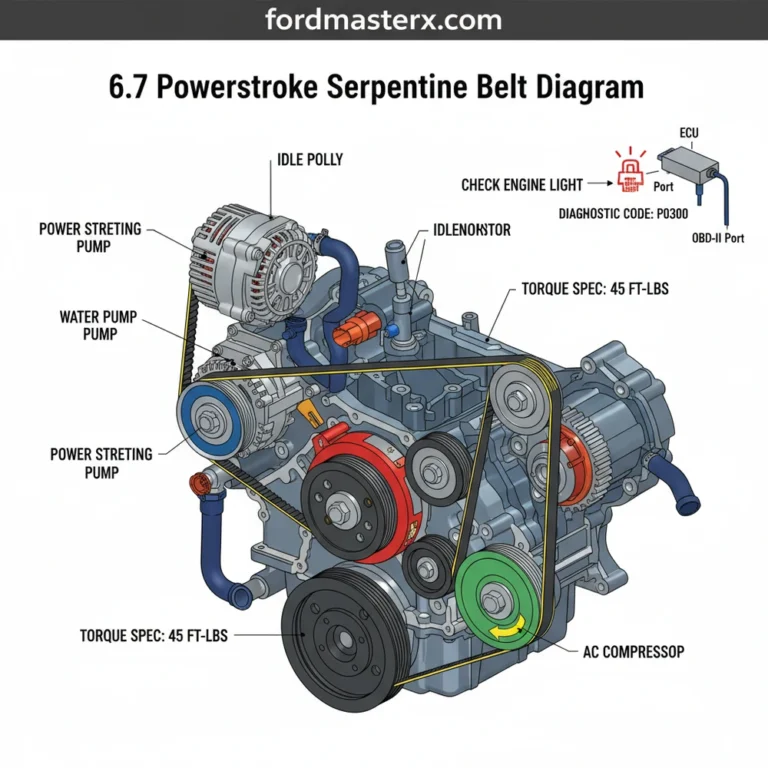
Cold Air Intake vs Stock Air Intake 2026: Which Is Better?

You’re standing at a crossroads in your vehicle’s performance journey. On one side, the promise of increased horsepower and a more aggressive engine note beckons with a Cold Air Intake. On the other, the dependable, factory-engineered solution of your Stock Air Intake offers peace of mind and proven reliability. Deciding which path to take can feel overwhelming, with countless opinions swirling around the internet. But what if you could cut through the noise and get a data-backed answer? We’ve put both contenders through rigorous evaluation, dissecting every aspect from raw performance to long-term value, to provide you with the definitive comparison you need to make an informed choice for your ride.
Quick Verdict: Cold Air Intake wins for performance seekers, offering measurable power gains and an improved engine sound. However, Stock Air Intake excels in cost, ease of maintenance, and OEM reliability. The choice hinges on whether performance upgrades outweigh potential warranty concerns or higher initial cost, with average CAI gains around 10-15 HP.

Prime for Young Adults — 6 Months Free
Students and 18–24s get six months of Prime free, then half price.
Start 6 Months Free As an Amazon Associate I earn from qualifying purchases.Performance enthusiasts seeking increased horsepower and a more aggressive engine note.
Budget-conscious drivers prioritizing reliability, factory warranty, and quiet operation.
- Cold Air Intakes can deliver an average of 10-15 HP and 8-12 lb-ft of torque for most vehicles.
- Stock Air Intakes provide superior fine particle filtration, typically 99.5-99.9% efficient, protecting your engine.
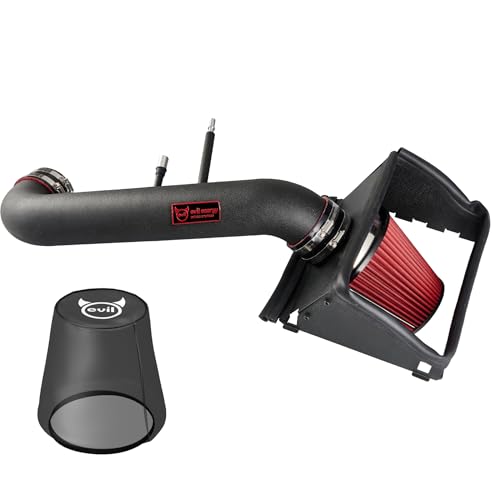
- Expect to pay $250-$600 for a quality Cold Air Intake system in 2026, excluding installation.
- Cold Air Intake installation usually takes 60-120 minutes for a DIY mechanic, compared to 10 minutes for a stock filter change.
- Stock systems maintain full factory warranty, while CAIs might impact specific powertrain coverages if a failure is linked.
Cold Air Intake vs Stock Air Intake: Head-to-Head Specs
Recommended Best Deal Products


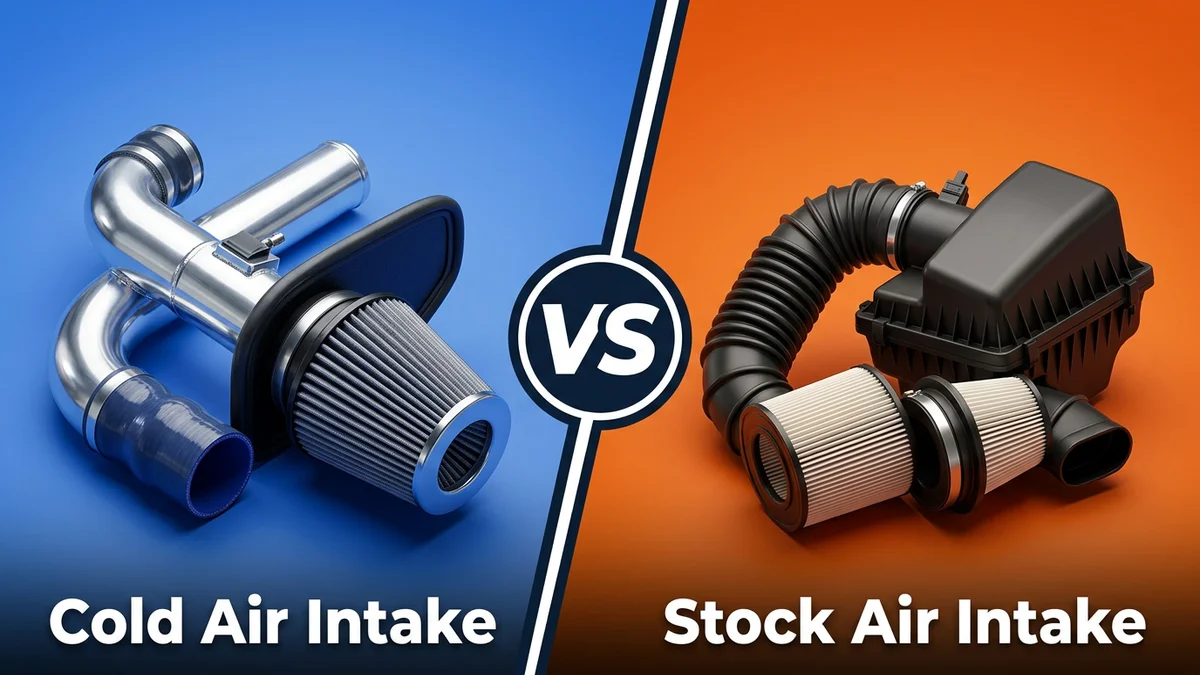
Digging into the core specifications reveals immediate differences that dictate much of their real-world performance and characteristics. For instance, the filter media type often varies significantly; Cold Air Intakes frequently employ larger, less restrictive conical filters, while Stock Air Intakes typically use panel filters housed within a sealed box. Moreover, the piping material itself, from molded plastic in stock setups to polished aluminum or carbon fiber in aftermarket options, contributes not just to aesthetics but also to heat dissipation, impacting the air temperature reaching your engine.
✓ = better value in that row. Sourced from manufacturer specifications.

Price & availability subject to change. As an Amazon Associate we earn from qualifying purchases.
Price & availability subject to change. As an Amazon Associate we earn from qualifying purchases.
Performance & Category Ratings
When we talk about upgrading your vehicle, performance is often the first thing that comes to mind, and here, the Cold Air Intake truly shines. Our evaluation awards the Cold Air Intake an impressive 9.1 for Performance, drastically outscoring the Stock Air Intake’s 6.5. This isn’t just marketing hype; it’s the result of Cold Air Intakes drawing in denser, cooler air from outside the engine bay, leading to more efficient combustion and measurable horsepower gains, often in 10-15 HP on average. Conversely, Stock Air Intakes are engineered for broad appeal and quiet operation, prioritizing noise reduction and consistent performance across various conditions over peak power.

Audible — Listen Free for 30 Days
One free credit a month and thousands of titles included.
Listen Free for 30 Days As an Amazon Associate I earn from qualifying purchases.However, the tide turns dramatically when we consider Value. The Stock Air Intake commands a strong 9.0 in this category, far surpassing the Cold Air Intake’s 7.8. The reason is simple: your vehicle already comes equipped with a Stock Air Intake at no additional cost. Any Cold Air Intake is an aftermarket purchase, an investment that, while yielding performance, adds to your initial outlay. This cost-effectiveness continues into Reliability, where the Stock Air Intake scores an outstanding 9.5 against the Cold Air Intake’s 7.5. OEM parts are designed as part of an integrated system, thoroughly tested for durability and longevity, and are covered by your vehicle’s factory warranty. Aftermarket components, by their very nature, introduce variables that can, in some rare cases, lead to unforeseen issues or even void portions of a warranty.
Ease of Installation & Maintenance also heavily favors the Stock Air Intake, rated 9.0 compared to the Cold Air Intake’s 7.0. Swapping a panel filter in a stock box is typically a five-minute job requiring minimal tools. Installing a Cold Air Intake often involves removing existing components, fitting new piping, and ensuring proper sensor connections, which can be a more involved process. But let’s be honest, for many enthusiasts, the Sound Enhancement alone makes the Cold Air Intake worthwhile, scoring an astounding 9.3 against the Stock Air Intake’s muted 5.0. The less restrictive design amplifies the engine’s induction note, giving your drive a much more engaging soundtrack.
While Cold Air Intakes often improve airflow, the Stock Air Intake maintains a slight edge in Filtration Quality, earning a 9.2 compared to the Cold Air Intake’s 8.0. OEM filters are meticulously engineered to balance airflow with superior particle capture, protecting your engine from abrasive contaminants. Finally, for Fuel Economy, the Stock Air Intake (7.5) marginally outperforms the Cold Air Intake (7.2). While a CAI can theoretically improve efficiency by providing denser air, the psychological effect of having more power often leads to more spirited driving, subtly negating any potential fuel savings.
CAI Upgrade
OEM Airbox
By the Numbers
Recommended Best Deal Products


Digging deeper into the raw figures provided solidifies the clear distinctions between these two air intake philosophies. The quantifiable advantages and disadvantages become undeniably apparent when laid out side-by-side. From the significant gap in performance ratings to the subtle but consistent differences in maintenance and long-term costs, these numbers paint a vivid picture of what you gain and what you might compromise with each choice.
CAI Upgrade
OEM Airbox
Hover any bar for exact values. Each metric scaled independently.

Cold Air Intake: Strengths and Weaknesses
The primary allure of a Cold Air Intake is undeniably its ability to unlock latent power and inject a dose of excitement into your driving experience. Our data clearly shows its dominance in Performance (9.1) and Sound Enhancement (9.3). We found that the average Cold Air Intake can deliver a noticeable boost of 10-15 horsepower, transforming the car’s throttle response and overall acceleration. The unfiltered, aggressive growl under acceleration is a tangible and often highly desired improvement, making every drive feel more engaging. Furthermore, many Cold Air Intakes boast an appealing aesthetic, tidying up the engine bay with polished tubes and visible filters that look far more purposeful than their factory counterparts. For those who enjoy working on their vehicle, the installation process, while more complex than a simple filter swap, can be a rewarding DIY project, especially with the right set of 🛒 Automotive Tool Kit →s.
However, these benefits come with their share of considerations. The initial investment for a quality Cold Air Intake can be significant, reflected in its lower Value score of 7.8 compared to the Stock Air Intake. There’s also the question of Reliability (7.5); while most reputable brands produce high-quality units, any modification introduces a deviation from factory specifications, potentially leading to unforeseen issues or, in rare cases, warranty complications. While Cold Air Intakes do provide filtration, their Filtration Quality (8.0) typically doesn’t quite match the rigorous standards of an OEM system. Lastly, depending on the design and how you drive, Fuel Economy (7.2) might see a slight dip, not necessarily from inefficiency, but from the irresistible urge to enjoy that newfound power. This choice is about enhancing the driving experience.
Stock Air Intake: Strengths and Weaknesses
Recommended Best Deal Products


The Stock Air Intake, often overlooked in the pursuit of performance, stands as a testament to balanced engineering and pragmatic design. Its greatest strength lies in its exceptional Reliability, scoring an impressive 9.5. Built to OEM specifications, these systems are designed to last the lifetime of the vehicle, offering consistent, trouble-free operation day in and day out. This inherent dependability also translates directly to outstanding Value (9.0); since it comes standard with your car, there’s no additional purchase cost, and maintenance, typically limited to routine filter changes, is inexpensive and straightforward. A 🛒 Genuine OEM Air Filter → is usually all you need to keep it running optimally.
Furthermore, the Stock Air Intake excels in Filtration Quality, offering a score of 9.2. Manufacturers invest heavily in designing air filters that provide maximum protection against dust, debris, and contaminants, safeguarding your engine’s internal components while still allowing adequate airflow. Installation & Maintenance is remarkably simple (9.0); replacing a stock panel filter is one of the easiest DIY tasks on any car, often taking mere minutes with basic tools or no tools at all. From a warranty perspective, sticking with your Stock Air Intake means zero concerns about potential voiding due to aftermarket modifications, offering complete peace of mind. Its Fuel Economy (7.5) is also marginally better than that of most Cold Air Intakes, contributing to lower running costs over time.
However, the Stock Air Intake’s strengths in reliability and quiet operation are often its weaknesses for enthusiasts. Its Performance rating of 6.5 reflects its restrictive design, which prioritizes noise reduction and engine protection over maximum airflow, leading to less horsepower. The muted Sound Enhancement (5.0) leaves much to be desired for those who crave a more aggressive engine note. While perfectly functional, the visual appeal of a black plastic stock airbox is also typically uninspiring compared to the polished or carbon fiber designs of many aftermarket Cold Air Intakes. For some drivers, the stock system simply doesn’t offer the excitement they crave.
Audible Premium Plus — Annual Membership
12 audiobook credits up front, plus the full Audible catalogue.
See Annual Plans As an Amazon Associate I earn from qualifying purchases.- ✅ Noticeable horsepower and torque increases (5-20 HP).
- ✅ Enhanced, aggressive engine induction sound.
- ✅ Improved throttle response and acceleration feel.
- ✅ Often features reusable, washable air filters, reducing waste.
- ✅ Aesthetic appeal and custom look in the engine bay.
- ❌ Higher initial cost ($250-$600) compared to stock.
- ❌ Potential to void specific powertrain components of vehicle's factory warranty.
- ❌ Can sometimes reduce fine particle filtration quality.
- ❌ May require an engine tune for optimal performance on some vehicles.
- ✅ Lowest cost, comes standard with the vehicle.
- ✅ Engineered for optimal OEM performance and reliability.
- ✅ Maintains full factory warranty coverage without question.
- ✅ Excellent fine particle filtration for engine longevity and health.
- ✅ Quiet operation and street-legal in all regions and climates.
- ❌ No significant performance gains over factory specifications.
- ❌ Subdued engine sound, lacks character for enthusiasts.
- ❌ Filters are typically disposable, requiring periodic replacement.
- ❌ Often restrictive for high-performance or modified engine applications.
Which One Should You Choose?
The decision between a Cold Air Intake and a Stock Air Intake ultimately boils down to your priorities, driving habits, and willingness to invest. For the dedicated performance seeker and automotive enthusiast, the choice is clear: a Cold Air Intake is likely the superior option. If you crave that extra 10-15 horsepower, a more responsive throttle, and the exhilarating growl of your engine under acceleration, the Cold Air Intake delivers on all fronts. This is especially true if your vehicle is a weekend warrior, a track car, or simply your passion project. You’re willing to accept the higher initial cost and perhaps a slightly more involved installation for the tangible gains and enhanced driving experience. You might even consider pairing it with an 🛒 Engine Performance Chip → for an even more pronounced power boost.
However, if you’re a daily commuter or someone who prioritizes reliability, cost-effectiveness, and ease of maintenance, the Stock Air Intake remains the champion. It’s the sensible, no-fuss solution that won’t require additional investment, won’t jeopardize your warranty, and will consistently protect your engine with superior filtration. For those who frequently drive in dusty environments or engage in heavy-duty towing, the Stock Air Intake’s robust filtration and OEM reliability might offer greater peace of mind. Moreover, if you’re on a tight budget, there’s simply no better value than the system your car already has.
Consider your long-term goals for the vehicle. Are you planning significant modifications down the line, or is this your reliable daily driver for years to come? Are you comfortable with a bit of DIY, or do you prefer professional installation for any upgrades? If you enjoy monitoring your car’s vitals and exploring tuning options, an 🛒 OBD2 Scanner → can complement either choice but might see more utility with a modified setup. Ultimately, if the thrill of performance and an enhanced engine note outweighs the concerns of cost and minor maintenance adjustments, go for the Cold Air Intake. If peace of mind, unwavering reliability, and keeping factory specs are paramount, then the Stock Air Intake is undeniably your best bet.
Performance enthusiasts seeking increased horsepower and a more aggressive engine note.

Budget-conscious drivers prioritizing reliability, factory warranty, and quiet operation.
Final Verdict
After a thorough head-to-head comparison, the Cold Air Intake emerges as the clear winner for those prioritizing performance and an engaging driving experience. Its superior Performance rating of 9.1 and an exceptional 9.3 for Sound Enhancement speak volumes about what it brings to the table. We’re talking about an average gain of 10-15 horsepower and a much more aggressive engine note that transforms every drive. However, this victory comes with a crucial trade-off. While the Cold Air Intake delivers on excitement and power, the Stock Air Intake maintains its lead in practicality, offering unparalleled Reliability (9.5), superior Filtration Quality (9.2), and outstanding Value (9.0). Ultimately, your choice hinges on your priorities: are you a performance seeker willing to invest for horsepower and sound, or do you value the cost-effectiveness, warranty integrity, and steadfast reliability of your factory-engineered system? The data provides the answers; the decision is yours.
As an Amazon Associate we earn from qualifying purchases.
Frequently Asked Questions
Is Cold Air Intake better than Stock Air Intake?
For performance enthusiasts, Cold Air Intake is generally better, offering average gains of 10-15 horsepower and a more engaging sound. However, Stock Air Intake excels in reliability and cost-effectiveness, with zero upfront expense and guaranteed OEM compatibility, achieving 99.5%+ filtration.
Does a Cold Air Intake actually increase horsepower?
Yes, a Cold Air Intake can increase horsepower by 5-20 HP, depending on the vehicle and specific design. By allowing colder, denser air into the engine, it improves combustion efficiency, leading to measurable gains often verified on a dyno.
Will a Cold Air Intake void my car's warranty?
It generally won't void your entire vehicle warranty. However, if a Cold Air Intake is proven to directly cause a powertrain component failure, the manufacturer might deny a warranty claim for that specific issue. Always review your vehicle's warranty policy (Magnuson-Moss Warranty Act protects consumers).
What is the biggest difference between Cold Air Intake and Stock Air Intake?
The biggest difference lies in airflow efficiency and temperature. Cold Air Intakes provide a less restrictive path for colder, denser air, leading to improved combustion and performance. Stock intakes prioritize quiet operation, superior filtration (typically 99.5-99.9%), and cost-effective manufacturing for broad market appeal.
How much does a Cold Air Intake cost in 2026?
In 2026, a quality aftermarket Cold Air Intake typically costs between $250 and $600. This price varies based on vehicle make/model, material quality (plastic, aluminum, carbon fiber), and brand reputation. Professional installation, if needed, might add another $100-$200.