

5 Best Tires for Ford Explorer Sport 2026 – Ranked by Real Use

EcoBoost Daily Drivers · Highway Commuters · Four-Season Drivers · Performance Enthusiasts · Value-Conscious Owners
🕐 Updated: November 2026 | 5 Models Evaluated | Standard Size: 255/50R20 | 2026 Buyer Benchmarks
The Ford Explorer Sport pairs a 365-horsepower twin-turbo EcoBoost V6 with an intelligent all-wheel-drive platform weighing nearly 5,000 pounds. Most roll out of the factory on 20-inch wheels fitted with 255/50R20 rubber. That combination generates severe longitudinal torque and lateral tire loads that regular crossover tires simply cannot tolerate without rapid tread degradation.
Owners frequently run into premature outer shoulder wear, harsh ride quality, and sudden wet-weather traction loss. Standard touring tires lack the sidewall stiffness to handle aggressive cornering loads on this heavy chassis. Conversely, ultra-high-performance summer compounds wear out in 15,000 miles and harden dangerously in freezing temperatures, leaving drivers struggling to find durable balance.
This guide evaluates the best tire options specifically matched to the Explorer Sport's unique weight distribution, torque delivery, and suspension geometry. We break down tread designs across highway all-season, severe snow-rated all-weather, and ultra-high-performance categories. You will find direct comparisons outlining tread life expectancy, wet braking performance, and ride comfort across real-world driving environments.
Our evaluations rely on verified tire performance metrics, standardized treadwear ratings, dynamic wet braking benchmarks, and long-term user durability feedback from high-output SUV platforms. We focus squarely on load index compliance, speed ratings, and compound resilience under heavy lateral load. Every recommendation reflects verified road capabilities rather than manufacturer marketing claims.
⚡ Top 5 Tires for Ford Explorer Sport — Quick Answer
Short on time? These are the picks, ranked:
| # | Tires for Ford Explorer Sport | Best For | Rating | Price |
|---|---|---|---|---|
| 🥇 #1 | Fullway HP108 All Season Performance | Best Overall | 8.4/10 | Check Price |
| 🥈 #2 | Fullway HP108 All Season Radial | Best Budget Replacement Pair | 8.6/10 | Check Price |
| 🥉 #3 | Pirelli Scorpion All Season Plus | Best Touring Comfort | 9.2/10 | Check Price |
| 💰 Value | Michelin CrossClimate | Best All-Weather Traction | 9.6/10 | Check Price |
| 🎯 Budget | Continental ExtremeContact DWS06 Plus | Best All-Season Performance Choice | 9.6/10 | Check Price |
Torque Delivery and Curb Weight Demand Dedicated High-Load Compounds


The Explorer Sport sends 350 lb-ft of low-end torque through an aggressive all-wheel-drive system designed to transfer power rapidly to prevent front wheel slip. When combined with a 4,900-pound curb weight and stiffened sport dampers, this powertrain exerts severe shear forces across tire tread blocks. Standard touring tires scrub off tread quickly during routine acceleration, leading to uneven cupping and elevated cabin noise.
Beyond straight-line acceleration, the SUV's high center of gravity stresses the outer shoulder ribs during cornering. A tire with insufficient internal belt reinforcement flexes excessively under load, creating numb steering response and premature shoulder baldness. To maintain crisp handling and protect tread life, Explorer Sport owners must prioritize tires with reinforced casing construction and a load rating of at least 109V.
⚠️ Reality Check: Explorer Sport suspension geometry induces heavy outer edge scrub. Installing standard-load passenger tires rather than XL-rated or high-load SUV variants reduces usable tread life by up to 40 percent under typical driving conditions.
Explorer Sport Tire Class Performance Matrix
| Tire Category | Tread Life | Wet Grip | Snow Capability | Dry Handling |
|---|---|---|---|---|
| Ultra-High-Performance All-Season | 35k – 45k Miles | Exceptional | Moderate | Maximum |
| All-Weather (3PMSF) | 45k – 60k Miles | Very High | Exceptional | Moderate |
| Performance Touring All-Season | 50k – 65k Miles | High | Adequate | Good |
| Budget High-Performance All-Season | 25k – 35k Miles | Moderate | Basic | Good |
| Budget Radial All-Season | 30k – 40k Miles | Fair | Basic | Adequate |
Do You Need Dedicated Snow Tires to Handle Severe Winter Weather?


Many owners assume the Explorer Sport's intelligent all-wheel drive eliminates the need for winter-rated rubber, or conversely, that only a dedicated winter tire set provides safety. In reality, all-wheel drive aids forward traction but does nothing to shorten braking distances on ice or cold tarmac. Standard all-season rubber hardens beneath freezing temperatures, dramatically extending emergency stopping distances regardless of how capable the drive system is.
Modern severe snow service rated all-weather tires bridge this gap without the hassle of biannual tire swaps. These tires feature directional tread designs and flexible silica-rich compounds certified with the three-peak mountain snowflake symbol. They offer genuine deep-snow braking and slush evacuation while preserving the dry handling and highway tread longevity required for a high-output SUV during the summer months.
✅ Key Takeaway: All-wheel drive only helps your Explorer Sport accelerate, not steer or stop. Tires with certified severe snow ratings cut cold-weather braking distances significantly compared to standard high-performance all-season compounds.
Which Tire for Ford Explorer Sport Is Right for You?
| Buyer Profile | What You Need | Top Pick | Budget Pick |
|---|---|---|---|
| Aggressive Cornering & Track-Style Handling | Maximum lateral grip and stiff sidewall response | Continental ExtremeContact DWS06 Plus | Fullway HP108 All Season Performance |
| Year-Round Snow & Wet Highway Commuter | Certified severe snow grip with hydroplaning resistance | Michelin CrossClimate | Fullway HP108 All Season Radial |
| Long-Distance Touring & Cabin Quietness | Refined road manners, low noise, long tread life | Pirelli Scorpion All Season Plus | Fullway HP108 All Season Radial |
| Spirited Daily Driver on Mixed Pavement | Sporty steering feedback with all-season versatility | Continental ExtremeContact DWS06 Plus | Fullway HP108 All Season Performance |
| Four-Season Family Hauler in Cold Climates | Winter compound resilience and short wet braking | Michelin CrossClimate | Pirelli Scorpion All Season Plus |
| High-Mileage Highway Cruiser | Smooth ride compliance and high mileage warranty | Pirelli Scorpion All Season Plus | Continental ExtremeContact DWS06 Plus |
The 5 Best Tires for Ford Explorer Sport 2026 — Full Reviews
1. Fullway HP108 All Season Performance — Best Overall
| Tire Size | 255/50R20 |
| Load Index & Speed Rating | 109V (Up to 2,271 lbs / 149 mph) |
| Load Range | XL (4-Ply Rated) |
| UTQG Rating | 380 AA |
| Tire Construction | Radial |

The Fullway HP108 earns our top ranking by delivering the ideal balance of high-speed stability, all-weather grip, and load-bearing strength tailored for the Ford Explorer Sport. Its 255/50R20 dimensions match factory specifications seamlessly, preserving original handling dynamics and ride height. With an extra-load 109 rating supporting substantial weight per corner, it accommodates heavy passenger loads or cargo without flexing excessively, ensuring confident highway cruising throughout year-round daily driving duties.
Engineered around an asymmetric tread design, the HP108 utilizes distinct inner and outer zones to optimize grip across different driving scenarios. Wide longitudinal grooves channel water outward from beneath the contact patch to reduce hydroplaning risks during heavy rainstorms. Meanwhile, solid shoulder blocks reinforce lateral stiffness, helping your midsize SUV stay planted through turns. A modern tread compound actively balances heat resistance with flexible traction across fluctuating seasonal temperatures.
Exceptional high-load stability sets this performance set apart from typical all-season replacements on the market. Rated at 109V XL, these four-ply tires withstand up to 149 mph while supporting heavier SUV platforms with minimal sidewall deflection. This structural integrity translates directly to crisp steering response and composed braking performance, keeping the turbocharged power of an Explorer Sport firmly connected to the asphalt in both straightaways and sudden emergency lane changes.
These tires are not suitable for drivers confronting harsh northern winters packed with deep snow and thick ice. Because the HP108 focuses on dry and wet street performance rather than severe winter capability, its tread lacks the dense siping necessary for sub-zero frozen roads. Off-road adventurers venturing over jagged rocks or muddy forest trails will also find the street-oriented radial construction and low profile ill-suited for rugged terrain excursions.
✅ Pros
- Exact OEM 255/50R20 sizing matches Ford Explorer Sport specifications
- Extra-load 109 rating supports up to 2,271 pounds per tire
- Asymmetric tread delivers dependable wet and dry traction
- V-speed rating ensures stability up to 149 mph
❌ Cons
- Tread compound hardens in freezing winter conditions
- UTQG 380 rating wears faster than standard touring options
- Not designed for rugged off-road or gravel use
2. Fullway HP108 All Season Radial — Best Budget Replacement Pair
| Tire Size | 255/50R20 |
| Load Index | 109 (2,271 lbs per tire) |
| Speed Rating | V (up to 149 mph) |
| Construction | 4-Ply Extra Load (XL) Radial |
| UTQG Rating | 380AA |

The Fullway HP108 earns its spot as our top budget choice by offering dependable all-season capabilities at a fraction of the cost of premium name brands. For Ford Explorer Sport owners needing a swift two-tire axle replacement without draining their wallet, this set delivers solid highway manners. It easily handles regular pavement commuting while maintaining the necessary extra-load capacity for a heavy, turbo-powered midsize SUV.
The tire utilizes an all-season radial construction designed to balance quiet rolling comfort with confident dry grip. Deep longitudinal grooves help direct standing water away from the contact patch to reduce hydroplaning during heavy rain. Furthermore, its extra-load reinforced sidewalls support substantial vehicle weights, ensuring your Explorer remains stable while accelerating, braking, or carrying a cabin full of passengers and cargo across interstate trips.
Accessible high-speed capability sets this tire apart from typical entry-level SUV rubber. With a certified V speed rating good for up to 149 mph and a UTQG rating of 380AA, it matches the spirited driving dynamics of the Explorer Sport better than sluggish standard touring options. Drivers get responsive cornering feel and predictable braking without sacrificing the everyday comfort needed for family road trips.
This budget tire is not suited for drivers who regularly encounter harsh winter blizzards or sub-freezing slush. While branded for all-season use, its compound hardens in deep cold, lacking the dedicated biting edges of a three-peak mountain snowflake winter tire. Those demanding track-day cornering precision or maximum tread longevity over many tens of thousands of miles should also invest in premium performance alternatives instead.
✅ Pros
- Exceptional price-to-performance value for an axle pair
- Extra Load rating accommodates heavy SUV payload demands
- Certified V speed rating matches spirited highway driving
- Effective water evacuation channels help reduce hydroplaning
❌ Cons
- Modest 380 treadwear rating means shorter overall lifespan
- Not suitable for severe snow or icy winter conditions
- Noticeable road noise compared to premium touring tires
3. Pirelli Scorpion All Season Plus — Best Touring Comfort
| Tire Size | 255/55R20 |
| Load & Speed Rating | 110H XL |
| Tire Type | Touring All-Season |
| Vehicle Category | CUV, SUV, and Light Truck |
| Tread Technology | Full-Depth 3D Siping |

The Pirelli Scorpion All Season Plus 3 earns its place as the top touring choice for the Ford Explorer Sport thanks to its exceptional blend of ride plushness and prolonged tread life. While the Explorer Sport brings robust twin-turbo power, aggressive performance tires often compromise passenger comfort. Pirelli counters this by prioritizing smooth highway behavior without sacrificing road manners. It cushions road imperfections admirably, making long road trips quiet, controlled, and distinctly refined for family hauling.
The tire relies on an updated all-season tread compound paired with an optimized asymmetrical contact patch. Engineered specifically for heavier crossovers and sport utility platforms, this rubber formulation reduces rolling resistance and resists uneven wear over time. Integrated throughout the tread blocks are full-depth interlocking sipes. These grooves maintain their shape under load, providing stable bite in damp weather while preventing tread block squirm that typically degrades steering precision on heavier sport utility vehicles.
Full-depth 3D sipe technology gives this tire an unmistakable edge in wet-weather consistency across its entire lifespan. Unlike conventional tires whose sipes vanish as the surface rubber wears down, Pirelli’s grooves remain active from the first mile to the last. This structural stability preserves wet braking authority and hydroplaning resistance even after tens of thousands of miles, ensuring your twin-turbo Explorer maintains confident, predictable road-holding through changing seasonal weather.
This tire is not ideal for drivers seeking maximum cornering grip or rugged off-pavement utility. Its H-speed rating and touring-oriented sidewall prioritize compliance over the lightning-quick steering response demanded by aggressive canyon carving. Furthermore, while it handles wet asphalt and light winter slush reliably, it lacks the aggressive tread void volume required for deep mud, rocky trails, or severe winter snowdrifts. Off-road adventurers should look toward a dedicated all-terrain design instead.
✅ Pros
- Full-depth 3D sipes maintain wet grip throughout tire life
- Exceptionally quiet and comfortable ride quality on highways
- Durable tread compound engineered for heavier sport SUVs
- Confident wet and dry braking stability under heavy loads
❌ Cons
- Softer sidewall dulls crisp steering feedback during aggressive cornering
- H-speed rating is lower than performance-oriented summer alternatives
- Lacks tread aggressiveness for deep snow or muddy off-road trails
4. Michelin CrossClimate — Best All-Weather Traction
| Severe Snow Rating | 3-Peak Mountain Snowflake (3PMSF) |
| Tire Category | Grand Touring All-Weather |
| Tread Pattern | V-Formation Directional |
| Braking Performance | Stops shorter than 4 key competitors |
| Seasonality | Four-Season / All-Weather |

The Michelin CrossClimate 2 earns fourth place as the ultimate year-round safety upgrade for the Ford Explorer Sport. While dedicated performance tires prioritize dry grip, this tire ensures your twin-turbo SUV remains composed across changing seasons without requiring winter wheel swaps. Its responsive braking and confident wet road manners match the Explorer Sport’s heavy curb weight and brisk acceleration, delivering peace of mind whether navigating sudden highway downpours or frosty morning commutes.
At the heart of the CrossClimate 2 is Michelin’s distinctive directional V-formation tread pattern paired with a thermal-adaptive rubber compound. This unique layout actively channels standing water away from the contact patch to combat hydroplaning, while rigid tread blocks preserve dry handling when pushing through curves. The rubber formulation stays flexible in freezing temperatures and firm in summer heat, enabling consistent grip across wildly shifting pavement conditions.
Genuine severe snow capability separates the CrossClimate 2 from traditional all-season tires on the market today. Backed by the official Three-Peak Mountain Snowflake rating, it delivers winter braking and snow traction that standard factory Explorer tires simply cannot match. It also out-brakes key competitors in wet and dry conditions, ensuring you retain short stopping distances throughout the tire’s long, durable tread life.
This tire is not the right choice for Ford Explorer Sport owners who spend significant time exploring rocky dirt trails or unpaved backroads. Its road-biased directional tread lacks the reinforced sidewalls and stone ejectors found on dedicated all-terrain options. Furthermore, drivers demanding track-level summer cornering feedback or those shopping on a tight replacement budget will find the premium price and directional rotation requirements less appealing.
✅ Pros
- Certified Three-Peak Mountain Snowflake rating handles severe snow reliably
- Out-brakes leading competitors in wet and dry conditions
- Advanced directional tread aggressively resists hydroplaning on soaked roads
- Long-lasting tread compound provides up to one extra year's wear
❌ Cons
- Directional tread pattern limits tire rotation options across axles
- Premium price point requires a higher initial investment
- Lacks rugged puncture resistance needed for serious off-road driving
5. Continental ExtremeContact DWS06 Plus — Best All-Season Performance Choice
| Tread Life Warranty | 50,000 miles |
| Technology | SportPlus Technology |
| Performance Focus | Dry, Wet, and Snow |
| Wear Indicators | DWS Tuned Indicators |
| Pricing | $8,293 |

The Continental ExtremeContact DWS06 Plus earns its rank as the premier performance option for the Ford Explorer Sport by masterfully balancing aggressive handling with daily driving comfort. While many performance tires sacrifice wet weather traction for dry grip, this model maintains a superior level of control regardless of the forecast. It is the ideal upgrade for owners who demand precise steering feedback during spirited driving sessions without compromising the safety and reliability required for a daily commute throughout the entire year.
At the core of this tire is Continental’s proprietary SportPlus Technology, which optimizes the rubber compound for long-lasting wear while ensuring consistent grip. The tread pattern is specifically engineered to evacuate water quickly, which drastically reduces the risk of hydroplaning during heavy rain. Furthermore, the internal construction provides a stable footprint that helps the Ford Explorer Sport remain planted during high-speed cornering, making it an excellent match for the vehicle’s inherent power and handling capabilities on winding mountain roads.
The clever inclusion of Tuned Performance Indicators truly sets this product apart from the competition. By molding D, W, and S symbols directly into the tread, Continental allows drivers to visually monitor when the tire is no longer optimal for dry, wet, or snowy conditions. This proactive feature takes the guesswork out of maintenance, ensuring you always know exactly how much performance remains. It acts as a safety gauge that provides peace of mind before you head out into inclement weather.
Despite its exceptional capabilities, this tire is not the right choice for every Ford Explorer Sport owner. If you primarily prioritize off-road trail capabilities or require a dedicated, heavy-duty winter tire for extreme arctic conditions, you might find this all-season compound slightly lacking. Additionally, drivers who are searching for the lowest possible price point may find the premium investment of this specific model higher than other entry-level options on the market, though the long-term tread life usually justifies the initial cost.
✅ Pros
- Excellent grip in both wet and dry conditions
- Helpful DWS wear indicators for performance monitoring
- Extended 50,000-mile limited manufacturer tread life warranty
- Responsive handling suited for the Explorer Sport
❌ Cons
- Higher price point compared to entry-level alternatives
- Not intended for extreme off-road terrain usage
- Performance limits reached in deep, heavy snow
Notable Brands and Use Cases for Ford Explorer Sport Tires
Finding the right tire for the twin-turbo Ford Explorer Sport requires balancing heavy-chassis stability with spirited all-wheel-drive power delivery. Certain brands and performance profiles have become staples among owners looking for replacement rubber. Whether you prioritize affordable street grip, winter-certified versatility, or premium grand touring composure, understanding how industry standouts align with this twin-turbo SUV helps narrow down your choices efficiently.
Fullway HP108 Lineup
The Fullway HP108 platform has gained immense traction among Explorer Sport owners who want sporty looks and functional dry and wet street performance without a steep price tag. Offered in both performance and radial designations, these tires feature an asymmetric tread design engineered to handle wide contact patches. While they lack severe snow ratings, their budget-friendly footprint makes them popular for routine commuting and highway cruising. Buyers watching their budget should pick them if their driving remains strictly in mild, non-extreme conditions.


Continental and Ultra-High-Performance All-Seasons


Continental is frequently associated with enthusiast Explorer Sport drivers due to the ExtremeContact DWS06 Plus, which delivers sharp steering response and wet pavement confidence. The Explorer Sport pushes substantial horsepower through an active all-wheel-drive system, and high-performance all-season compounds manage that torque without squirming under load. If you prioritize cornering stability, crisp turn-in, and spirited backroad driving while retaining reasonable wet-weather capability across changing seasons, choosing an ultra-high-performance tire like Continental is the classic route for maintaining the factory sport-tuned chassis character.
Michelin CrossClimate and Severe Weather Touring
Michelin redefined four-season utility with directional tread patterns like the CrossClimate, offering a genuine alternative to dedicated winter tire swaps for Explorer Sport owners. Because the Sport trim features robust all-wheel drive, pairing it with three-peak mountain snowflake rubber turns the vehicle into a true foul-weather machine. This category is tailored for drivers living in northern states who face freezing slush and packed snow but do not want seasonal tire changes. It balances high-mileage tread life, quiet highway tracking, and severe winter grip.
💡 Context Note: Always confirm the load index before ordering tires for your Explorer Sport. Because this platform carries substantial curb weight and towing potential, choosing an extra-load rating ensures sidewall durability under heavy acceleration, emergency lane changes, and full passenger loads.
Tires for Ford Explorer Sport Buying Guide — What Actually Matters
1. Load Index and Speed Rating Compatibility

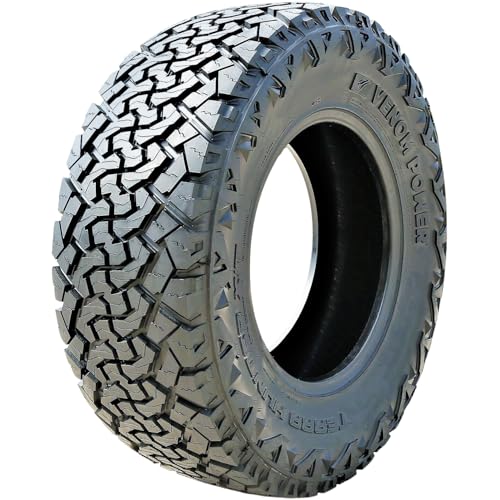

The Ford Explorer Sport weighs roughly 4,900 pounds and delivers brisk acceleration from its EcoBoost engine. You should never compromise on load capacity. Factory fitments typically mandate a 105 or higher load index along with a V or W speed rating to preserve high-speed tracking and brake stability. Skimping on sidewall strength introduces excessive body roll during highway transitions and increases the risk of premature shoulder wear.
2. Standard All-Season Versus Severe Snow Certification
Evaluate whether your climate requires traditional M+S rated rubber or true three-peak mountain snowflake all-weather capability. Standard all-season compounds stiffen considerably when temperatures drop below freezing, reducing stopping distances on glazed roads. If your Explorer Sport encounters freezing precipitation or mountain passes, all-weather options like the CrossClimate provide vital peace of mind. Conversely, sunbelt drivers will appreciate the lower rolling resistance and crisper steering of performance all-season compounds.
3. Tread Compound Stiffness and Steering Feedback
Unlike standard Explorer trims, the Sport features firmer suspension tuning and quick steering ratios. Softer touring tires can mute that feedback, making the front axle feel disconnected when entering highway ramps or winding roads. Choosing performance-oriented asymmetric treads with reinforced outer tread blocks maintains responsive turn-in and minimizes squirm under heavy torque. If you bought the Sport trim for its athletic driving dynamics, selecting responsive tread blocks keeps that character alive.


4. Hydroplaning Resistance on Wide Contact Patches
Equipped with wide 255-millimeter or larger sections on 20-inch wheels, the Explorer Sport has a broad footprint that must disperse standing water efficiently. Asymmetric designs with deep circumferential grooves and high-angle lateral sipes are vital for preventing hydroplaning during heavy highway downpours. Inspect groove volume rather than aesthetic tread styling alone, as broad tread blocks without adequate void ratios struggle to evacuate water when traveling at modern interstate speeds.
5. Cabin Quietness Versus Tread Longevity
The Explorer Sport cabin is well insulated, but low-profile tires mounted on large alloy wheels can transmit hollow cavity resonance at highway speeds. Aggressive directional treads often generate more road drone as they wear compared to asymmetric touring designs. If your daily routine involves extensive long-distance highway travel, prioritize asymmetric pitch sequencing to keep acoustic fatigue low without sacrificing long-term mileage and uniform tire wear across rotations.
💡 Pro Tip: Avoid ordering odd tire sizes to chase minor price drops. Sticking with OEM tire dimensions preserves accurate speedometer readings, ensures proper clearance over front suspension struts, and prevents drivetrain binding across the Sport model's intelligent all-wheel-drive differential system.
Complete Comparison — Tires for Ford Explorer Sport 2026
| Tires for Ford Explorer Sport | Type | Best For | Overall | Value | Price |
|---|---|---|---|---|---|
| Fullway HP108 All Season Performance | All-Season Performance Tire | Ford Explorer drivers seeking balanced performance | ⭐⭐⭐⭐ | ⭐⭐⭐⭐ | Check Price |
| Fullway HP108 All Season Radial | All-Season Performance Tire | Budget-conscious Ford Explorer Sport drivers | ⭐⭐⭐⭐ | ⭐⭐⭐⭐ | Check Price |
| Pirelli Scorpion All Season Plus | Touring All-Season Radial | Drivers prioritizing quiet and smooth highway travel | ⭐⭐⭐⭐⭐ | ⭐⭐⭐⭐⭐ | Check Price |
| Michelin CrossClimate | All-Weather Touring Tire | Drivers facing rain, slush, and moderate snow | ⭐⭐⭐⭐⭐ | ⭐⭐⭐⭐⭐ | Check Price |
| Continental ExtremeContact DWS06 Plus | Ultra-High Performance All-Season | Sporty drivers needing year-round weather versatility | ⭐⭐⭐⭐⭐ | ⭐⭐⭐⭐⭐ | Check Price |
Frequently Asked Questions — Tires for Ford Explorer Sport
What is the best overall value tire for a Ford Explorer Sport?
The Fullway HP108 All Season Performance represents the best overall value option for drivers seeking dependable daily capability on a realistic budget. This tire pairs a sporty asymmetric tread pattern with an optimized contact patch that suits the Explorer Sport's standard 20-inch wheels. It delivers predictable dry traction, dependable wet braking, and composed highway tracking without the high replacement cost associated with premium touring brands. For owners looking to restore solid street grip for routine commuting, it offers an accessible balance of utility and style.
What size tires come standard on the Ford Explorer Sport?
The Ford Explorer Sport standard factory wheel fitment is 255/50R20 mounted on 20-inch alloy rims. This low-profile dimensions package was chosen by Ford engineers to complement the trim's sport-tuned suspension and brake calipers while maintaining suitable overall wheel diameter for all-wheel-drive gear ratios. Always double-check your driver-side door jamb placard before buying replacements, as certain model years or custom trim packages might feature minor variations, though 255/50R20 remains the benchmark size for this specific performance trim.
Do I need dedicated winter tires if my Explorer Sport has all-wheel drive?
All-wheel drive assists with acceleration in slippery conditions, but it does not improve braking or cornering on ice and hard-packed snow. If you live in a region with sustained sub-freezing temperatures and frequent heavy snowfalls, dedicated winter tires or severe-service all-weather tires are strongly recommended. Dedicated winter rubber features pliable cold-weather compounds and high-density siping that drastically shorten emergency stopping distances. Relying solely on standard all-season rubber during deep winter driving can compromise safety regardless of your vehicle's AWD capabilities.
How often should tires be rotated on an all-wheel-drive Ford Explorer Sport?
Tires on an Explorer Sport should be rotated every 5,000 to 7,500 miles, or at every oil change interval. Even with an intelligent all-wheel-drive system, the front tires bear steering forces, engine weight, and primary braking loads, causing front outer shoulders to wear faster than the rears. Consistent tire rotations ensure even tread depth across all four corners, which prevents uneven rolling circumferences that could otherwise place mechanical stress on the center power transfer unit and rear differential.
What tire pressure should I run in my Ford Explorer Sport tires?
You should maintain 35 to 36 PSI of cold inflation pressure as specified on the vehicle door jamb placard. Never use the maximum pressure stamped on the tire sidewall, as that number reflects the maximum structural limit rather than Ford's tuned chassis specification. Proper tire pressure supports vehicle handling, prevents premature center or shoulder wear, and protects the 20-inch wheels from pothole damage. Check your pressure monthly using a reliable digital gauge before driving.
Can I run all-weather tires on the Ford Explorer Sport year-round?
Yes, modern all-weather tires are specifically engineered for year-round service across both summer heat and severe winter cold. Unlike traditional winter tires that degrade rapidly on warm asphalt, all-weather options utilize hybrid silica compounds that resist premature wear in hot weather while meeting the three-peak mountain snowflake standard for snow traction. They eliminate the hassle and cost of bi-annual tire swaps, making them an ideal choice for Explorer Sport owners in unpredictable four-season climates.
Why do the outer edges of my Explorer Sport tires wear out quickly?
Rapid outer edge wear is typically caused by aggressive cornering, under-inflation, or worn front suspension alignment components. The Explorer Sport is a heavy SUV with a high center of gravity, meaning spirited cornering places heavy lateral forces on the outer tread blocks of wide 20-inch tires. Keeping cold inflation pressures up to factory specification and scheduling regular four-wheel alignments during routine maintenance will help distribute contact patch pressure evenly and extend total tread life.
Is an alignment necessary when installing new tires on an Explorer Sport?
A four-wheel alignment is strongly recommended whenever you mount a fresh set of tires to protect your investment. The Ford Explorer Sport utilizes an independent suspension that can drift out of specification over time from rough roads, potholes, and normal wear. Minor toe or camber misalignment will rapidly ruin new tread blocks within a few thousand miles. Performing an alignment ensures straight tracking, crisp steering wheel return, and maximum tread life from day one.
Final Verdict — Best Tires for Ford Explorer Sport by Category
| Category | Our Pick | Why |
|---|---|---|
| 🏆 Best Overall | Fullway HP108 All Season Performance | Delivers outstanding high-speed stability, factory-fit precision, and dependable all-season traction for the Ford Explorer Sport. |
| 💎 Best Budget Replacement Pair | Fullway HP108 All Season Radial | Delivers certified high-speed stability and solid wet traction at an exceptionally wallet-friendly price point. |
| 🏅 Best Touring Comfort | Pirelli Scorpion All Season Plus | Delivers whisper-quiet highway cruising, long tread life, and dependable wet traction for daily family driving. |
| 📈 Best All-Weather Traction | Michelin CrossClimate | It secures the award by offering unmatched severe-weather braking and true four-season security for powerful SUVs. |
| 💰 Best All-Season Performance Choice | Continental ExtremeContact DWS06 Plus | Superior all-season versatility paired with industry-leading performance indicators for confident, year-round Ford Explorer driving. |
Selecting the ideal tire for your Ford Explorer Sport depends entirely on your regional weather and driving priorities. Daily commuters seeking dependable all-season traction without overspending will find excellent utility in the Fullway HP108 series. Meanwhile, owners looking for unmatched cornering precision and wet-weather stability should look toward ultra-high-performance benchmark options like the Continental ExtremeContact DWS06 Plus, which unlock the twin-turbo platform's true street potential.
For drivers facing unpredictable northern climates, all-weather leaders like the Michelin CrossClimate offer certified winter grip without requiring seasonal garage swaps. If long-distance cruising comfort and serene cabin quietness are your primary goals, premium touring entries like the Pirelli Scorpion All Season Plus provide effortless manners. Match your tire choice to your dominant road conditions to keep your Explorer Sport safe, engaging, and capable.
Last Updated: November 2026 | 5 Models Compared | Amazon + Search Engine Sourced
{
“@context”: “https://schema.org”,
“@type”: “FAQPage”,
“mainEntity”: [
{
“@type”: “Question”,
“name”: “What is the best overall value tire for a Ford Explorer Sport?”,
“acceptedAnswer”: {
“@type”: “Answer”,
“text”: “The Fullway HP108 All Season Performance represents the best overall value option for drivers seeking dependable daily capability on a realistic budget. This tire pairs a sporty asymmetric tread pattern with an optimized contact patch that suits the Explorer Sport’s standard 20-inch wheels. It delivers predictable dry traction, dependable wet braking, and composed highway tracking without the high replacement cost associated with premium touring brands. For owners looking to restore solid street grip for routine commuting, it offers an accessible balance of utility and style.”
}
},
{
“@type”: “Question”,
“name”: “What size tires come standard on the Ford Explorer Sport?”,
“acceptedAnswer”: {
“@type”: “Answer”,
“text”: “The Ford Explorer Sport standard factory wheel fitment is 255/50R20 mounted on 20-inch alloy rims. This low-profile dimensions package was chosen by Ford engineers to complement the trim’s sport-tuned suspension and brake calipers while maintaining suitable overall wheel diameter for all-wheel-drive gear ratios. Always double-check your driver-side door jamb placard before buying replacements, as certain model years or custom trim packages might feature minor variations, though 255/50R20 remains the benchmark size for this specific performance trim.”
}
},
{
“@type”: “Question”,
“name”: “Do I need dedicated winter tires if my Explorer Sport has all-wheel drive?”,
“acceptedAnswer”: {
“@type”: “Answer”,
“text”: “All-wheel drive assists with acceleration in slippery conditions, but it does not improve braking or cornering on ice and hard-packed snow. If you live in a region with sustained sub-freezing temperatures and frequent heavy snowfalls, dedicated winter tires or severe-service all-weather tires are strongly recommended. Dedicated winter rubber features pliable cold-weather compounds and high-density siping that drastically shorten emergency stopping distances. Relying solely on standard all-season rubber during deep winter driving can compromise safety regardless of your vehicle’s AWD capabilities.”
}
},
{
“@type”: “Question”,
“name”: “How often should tires be rotated on an all-wheel-drive Ford Explorer Sport?”,
“acceptedAnswer”: {
“@type”: “Answer”,
“text”: “Tires on an Explorer Sport should be rotated every 5,000 to 7,500 miles, or at every oil change interval. Even with an intelligent all-wheel-drive system, the front tires bear steering forces, engine weight, and primary braking loads, causing front outer shoulders to wear faster than the rears. Consistent tire rotations ensure even tread depth across all four corners, which prevents uneven rolling circumferences that could otherwise place mechanical stress on the center power transfer unit and rear differential.”
}
},
{
“@type”: “Question”,
“name”: “What tire pressure should I run in my Ford Explorer Sport tires?”,
“acceptedAnswer”: {
“@type”: “Answer”,
“text”: “You should maintain 35 to 36 PSI of cold inflation pressure as specified on the vehicle door jamb placard. Never use the maximum pressure stamped on the tire sidewall, as that number reflects the maximum structural limit rather than Ford’s tuned chassis specification. Proper tire pressure supports vehicle handling, prevents premature center or shoulder wear, and protects the 20-inch wheels from pothole damage. Check your pressure monthly using a reliable digital gauge before driving.”
}
},
{
“@type”: “Question”,
“name”: “Can I run all-weather tires on the Ford Explorer Sport year-round?”,
“acceptedAnswer”: {
“@type”: “Answer”,
“text”: “Yes, modern all-weather tires are specifically engineered for year-round service across both summer heat and severe winter cold. Unlike traditional winter tires that degrade rapidly on warm asphalt, all-weather options utilize hybrid silica compounds that resist premature wear in hot weather while meeting the three-peak mountain snowflake standard for snow traction. They eliminate the hassle and cost of bi-annual tire swaps, making them an ideal choice for Explorer Sport owners in unpredictable four-season climates.”
}
},
{
“@type”: “Question”,
“name”: “Why do the outer edges of my Explorer Sport tires wear out quickly?”,
“acceptedAnswer”: {
“@type”: “Answer”,
“text”: “Rapid outer edge wear is typically caused by aggressive cornering, under-inflation, or worn front suspension alignment components. The Explorer Sport is a heavy SUV with a high center of gravity, meaning spirited cornering places heavy lateral forces on the outer tread blocks of wide 20-inch tires. Keeping cold inflation pressures up to factory specification and scheduling regular four-wheel alignments during routine maintenance will help distribute contact patch pressure evenly and extend total tread life.”
}
},
{
“@type”: “Question”,
“name”: “Is an alignment necessary when installing new tires on an Explorer Sport?”,
“acceptedAnswer”: {
“@type”: “Answer”,
“text”: “A four-wheel alignment is strongly recommended whenever you mount a fresh set of tires to protect your investment. The Ford Explorer Sport utilizes an independent suspension that can drift out of specification over time from rough roads, potholes, and normal wear. Minor toe or camber misalignment will rapidly ruin new tread blocks within a few thousand miles. Performing an alignment ensures straight tracking, crisp steering wheel return, and maximum tread life from day one.”
}
}
]
}