Ball Mount vs Pintle Hitch 2026: Which Is Better? Full Comparison

Choosing the right towing hitch can feel like navigating a maze of technical jargon and conflicting advice. You’ve got a job to do, or an adventure to embark on, and you need reliable equipment that matches your specific needs, not some generic “best in class” claim. You’re likely weighing the common, comfortable Ball Mount against the rugged, heavy-duty Pintle Hitch, and the differences aren’t just aesthetic – they impact everything from towing capacity to ride comfort. We know the dilemma; it’s a critical decision that affects safety, performance, and your wallet. This head-to-head comparison cuts through the noise, offering a data-backed analysis to help you decide precisely which hitch reigns supreme for your particular hauling requirements, ensuring you make an informed choice with confidence.
Quick Verdict: For general recreational and light commercial towing on paved roads, the Ball Mount is superior due to its smoother ride and lower cost. However, the Pintle Hitch dominates for extreme heavy-duty, off-road, or construction applications, offering unparalleled articulation and robustness despite its noise and higher entry price.

Prime for Young Adults — 6 Months Free
Students and 18–24s get six months of Prime free, then half price.
Start 6 Months Free As an Amazon Associate I earn from qualifying purchases.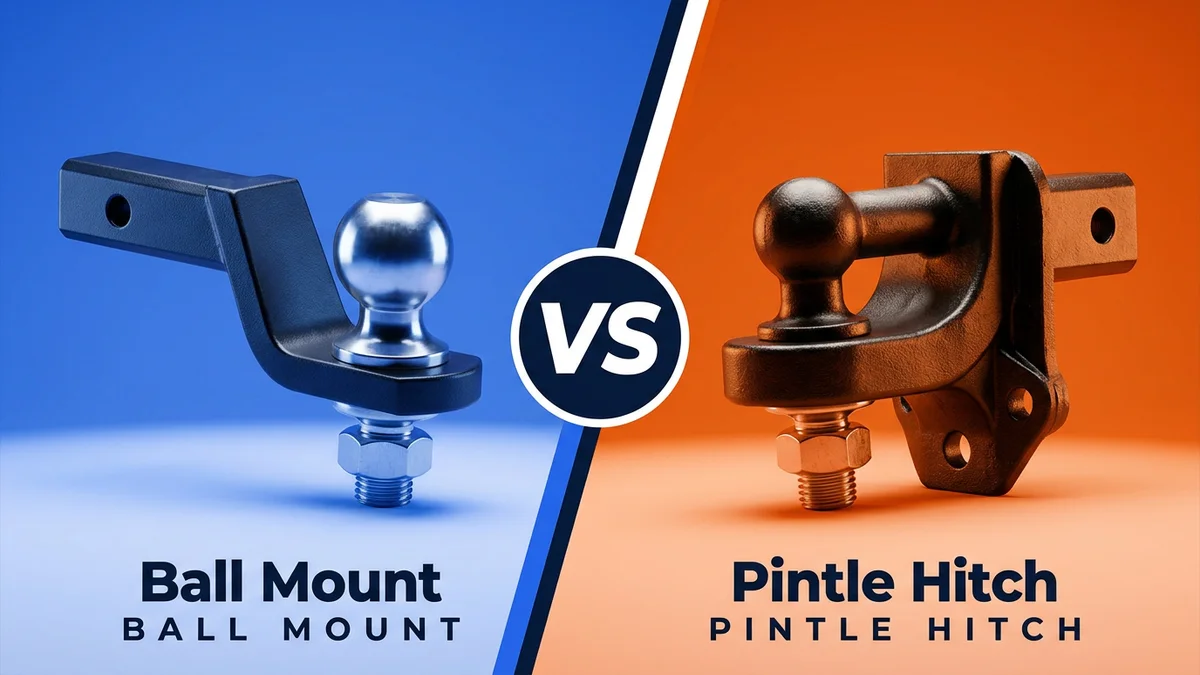
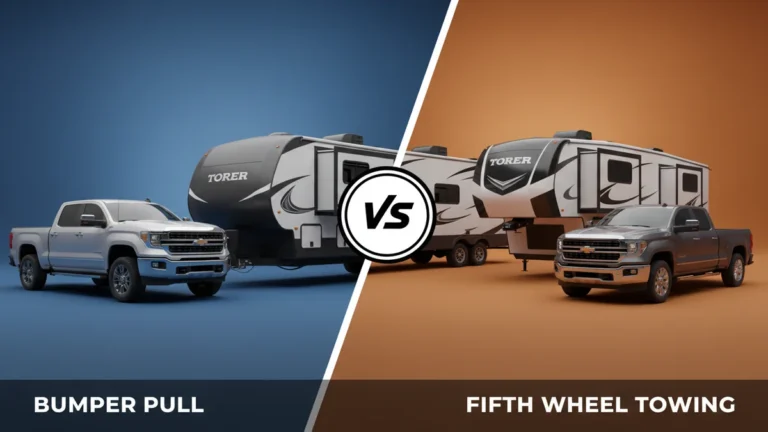
Best for everyday towing, boats, RVs, and light utility trailers on smooth roads where comfort and quiet operation are prioritized.
Ideal for towing construction equipment, military vehicles, or any heavy trailer over rough terrain requiring maximum articulation and sheer capacity.
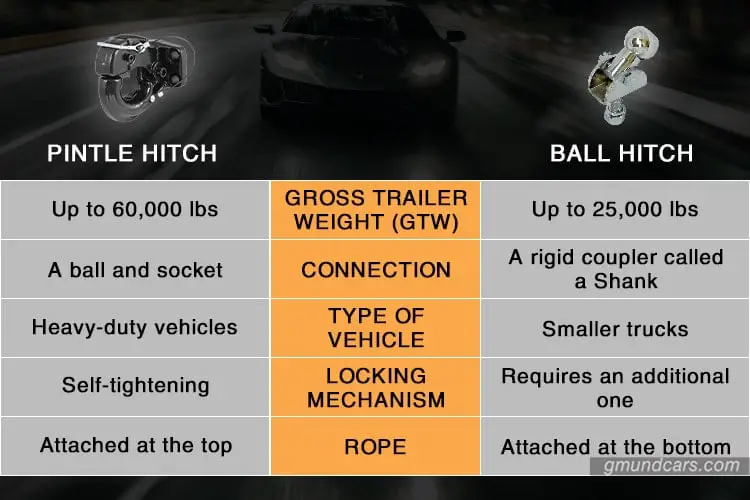
- Ball Mounts typically handle up to 30,000 lbs GTW, while Pintle Hitches can manage over 60,000 lbs.
- Pintle Hitches offer drastically superior articulation, with roughly 180 degrees of vertical and 360 degrees of rotational freedom.
- A standard Ball Mount costs between $30-$350, whereas Pintle Hitches range from $150-$900+ for 2026 models.
- Expect Ball Mounts to offer a quiet, smooth ride; Pintle Hitches are known for significant 'clunking' noises.
- Ball Mounts are ideal for common road trailers, but Pintle Hitches are critical for heavy equipment on rough, uneven terrain.
Ball Mount vs Pintle Hitch: Head-to-Head Specs
Recommended Best Deal Products


When we dive into the raw specifications, it’s clear these two contenders operate in vastly different leagues. For instance, the Pintle Hitch offers a significantly higher towing capacity score of 9.8 compared to the Ball Mount‘s 7.5, immediately hinting at its heavy-duty prowess. Conversely, the Ball Mount delivers a remarkable 9.2 in ride comfort, leaving the Pintle Hitch’s 5.0 trailing far behind. These numbers aren’t just arbitrary figures; they represent fundamental design philosophies and intended applications, painting a clear picture of their strengths and weaknesses from the outset. Understanding these core differences is the first step toward making an informed decision.

✓ = better value in that row. Sourced from manufacturer specifications.
Performance & Category Ratings
Our comprehensive evaluation reveals distinct strengths for both the Ball Mount and the Pintle Hitch across various performance categories. Looking at Towing Capacity, the Pintle Hitch, with its formidable 9.8, clearly outmatches the Ball Mount’s 7.5. This isn’t just about bigger numbers; pintle hitches are engineered for immense loads, often seen in industrial, construction, and military applications where sheer pulling power is paramount, thanks to their interlocking hook-and-ring design. The Ball Mount, while perfectly capable for most recreational and light commercial tasks, simply isn’t built for that same extreme level of stress.
For Versatility (General Use), the Ball Mount shines with an 8.7 against the Pintle Hitch’s 7.0. Its ability to accommodate various ball sizes means it can connect to a wider array of consumer trailers, from small utility trailers to large campers, often by simply swapping out the ball or using an 🛒 Adjustable Ball Mount →. The Pintle Hitch, requiring a specific lunette ring, is far less common outside specialized equipment.
Ease of Use also leans heavily towards the Ball Mount, scoring 8.5 compared to the Pintle Hitch’s 6.2. Coupling a ball mount is often a straightforward, single-person job. A pintle hitch, conversely, can be trickier to align precisely, requiring more effort to engage the lunette ring and secure the locking mechanism, particularly in tight spaces.
However, when we turn to Durability & Robustness, the Pintle Hitch dominates with a 9.5, dwarfing the Ball Mount’s 7.9. Pintle hitches are over-engineered, designed to withstand relentless abuse and extreme conditions without faltering. Their rugged construction minimizes wear even under constant, heavy, dynamic loads, making them practically indestructible in their intended environments. Ball mounts are strong, but the ball-and-socket mechanism can show wear over time with very heavy, consistent use.
Price/Value (for typical user) is where the Ball Mount truly stands out, scoring an impressive 9.0 against the Pintle Hitch’s 6.8. Ball mounts are significantly more affordable and widely available, offering excellent value for the vast majority of towing needs. The specialized nature and heavy-duty materials of a Pintle Hitch mean a higher entry cost, making it less economical for casual users.

Audible — Listen Free for 30 Days
One free credit a month and thousands of titles included.
Listen Free for 30 Days As an Amazon Associate I earn from qualifying purchases.In terms of Ride Comfort/Noise, the Ball Mount secures a commanding 9.2, while the Pintle Hitch struggles with a 5.0. The snug fit of a ball mount provides a relatively smooth, quiet towing experience, with minimal clanking or jerking. The Pintle Hitch’s design, which allows for significant articulation, inherently introduces play between the hook and the lunette ring, leading to noticeable clanking and a less refined ride, especially over bumps or during acceleration/deceleration.
Finally, for Off-Road Performance, the Pintle Hitch is the undisputed champion with a near-perfect 9.8 against the Ball Mount’s 5.5. The Pintle Hitch’s unparalleled articulation allows the trailer to twist and flex independently of the tow vehicle over extremely uneven terrain, preventing binding or damage to the hitch or frame. A Ball Mount, with its limited range of motion, can quickly become a liability in such conditions, risking severe structural stress or disconnection.
Standard Ball
Heavy-Duty Pintle
By the Numbers
Recommended Best Deal Products


Numbers don’t lie, but they certainly tell different stories depending on your perspective. The data laid out in our comprehensive comparison distills complex engineering and real-world performance into easily digestible scores. These figures aren’t just abstract points on a chart; they directly reflect the inherent design advantages and compromises of each hitch type. From the brute force of the Pintle Hitch’s towing capacity to the quiet efficiency of the Ball Mount’s ride comfort, every number contributes to a clearer understanding of where each contender truly excels. This next section provides the detailed statistical breakdown for you to review.
Standard Ball
Heavy-Duty Pintle
Hover any bar for exact values. Each metric scaled independently.
Ball Mount: Strengths and Weaknesses
The Ball Mount truly shines in its straightforward simplicity and widespread applicability, making it the go-to choice for countless drivers. Its Ease of Use (8.5) is a major selling point; hitching up is often a quick, intuitive process that even beginners can master within minutes. You just back up, lower the coupler onto the ball, and secure the latch. This simplicity translates directly to convenience, saving precious time before hitting the road.
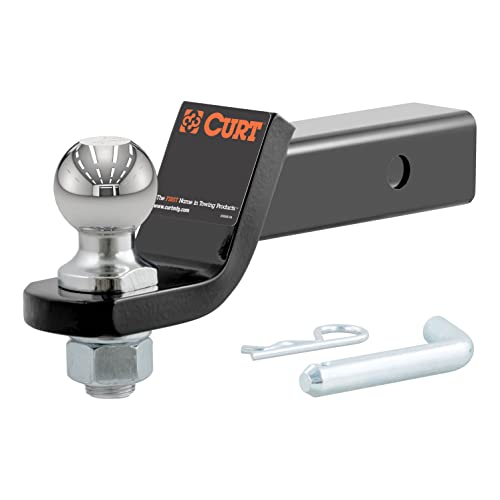
Furthermore, its Versatility (General Use) (8.7) is unmatched for the typical consumer. With a variety of ball sizes available (1-7/8″, 2″, 2-5/16″), you can tow almost any standard recreational or light commercial trailer. Many modern towing setups even incorporate an 🛒 Adjustable Ball Mount →, allowing you to fine-tune the height for level towing across different vehicles and trailers. This adaptability means one hitch can often serve multiple purposes within a household or small business.
Another dominant strength is Ride Comfort/Noise (9.2). The snug ball-and-socket connection minimizes play, resulting in a smooth, quiet ride. You won’t experience the constant clanking and rattling often associated with more rugged hitch types, making highway journeys significantly more pleasant, especially for passengers or when hauling sensitive cargo. Finally, its Price/Value (for typical user) (9.0) makes it an incredibly attractive option. Ball mounts are generally affordable, readily available, and require minimal maintenance, offering excellent bang for your buck for most towing needs.
However, the Ball Mount isn’t without its limitations. Its Off-Road Performance (5.5) is notably weaker. The fixed nature of the ball-and-socket design offers limited articulation, meaning that on uneven terrain, the hitch can bind or create dangerous stress points on your vehicle’s frame or the trailer’s tongue. This can lead to equipment damage or even disconnects in extreme conditions. While its Towing Capacity (7.5) is good, it’s not designed for the truly massive industrial loads, and its Durability & Robustness (7.9), while respectable, doesn’t match the sheer brute force of a pintle hitch under constant, severe stress. The ball itself can experience wear and tear over time, especially with frequent heavy use. Before you make a final decision, consider what makes this hitch shine for specific applications.

Price & availability subject to change. As an Amazon Associate we earn from qualifying purchases.
Audible Premium Plus — Annual Membership
12 audiobook credits up front, plus the full Audible catalogue.
See Annual Plans As an Amazon Associate I earn from qualifying purchases.Pintle Hitch: Strengths and Weaknesses
Recommended Best Deal Products


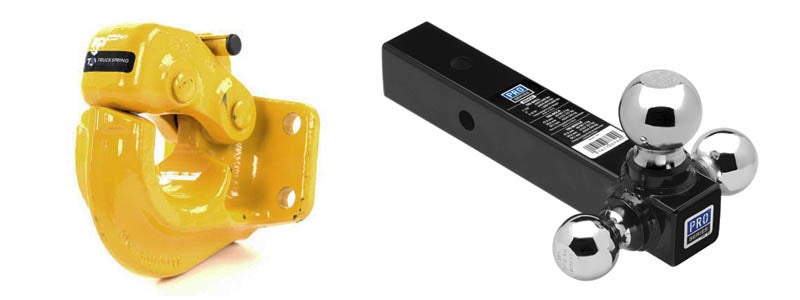
The Pintle Hitch is a testament to raw power and uncompromising durability, engineered for tasks where failure isn’t an option. Its most striking advantage is undoubtedly its Towing Capacity (9.8). This hitch is built to haul colossal loads—think heavy construction equipment, massive agricultural implements, or military-grade trailers. Its design, featuring a robust hook and a substantial lunette ring, creates an incredibly strong, interlocking connection that can withstand far greater forces than a typical ball mount. When your job demands maximum pulling power, the Pintle Hitch is the undisputed king.
Coupled with its towing might is an exceptional Durability & Robustness (9.5). Pintle hitches are constructed from heavy-gauge steel, designed to endure relentless abuse, impacts, and extreme weather conditions. They shrug off the kind of punishment that would quickly compromise other hitch types. This longevity and resilience make them ideal for commercial fleets and tough work environments where equipment must operate reliably day in and day out. Many users opt for heavy-duty 🛒 Pintle Hooks → to further enhance their system’s strength and reliability.
Perhaps its most unique and critical strength lies in Off-Road Performance (9.8). The Pintle Hitch’s design allows for significant articulation between the tow vehicle and trailer. This means the trailer can twist, pitch, and roll independently over highly uneven terrain without binding the hitch or risking damage to the trailer tongue or tow vehicle frame. For construction sites, mining operations, or backcountry recovery, this unparalleled flexibility is not just an advantage—it’s a necessity, preventing costly breakdowns and enhancing safety.
However, these immense strengths come with notable compromises. The most significant drawback is its Ride Comfort/Noise (5.0). The inherent play in the pintle-and-lunette connection, essential for articulation, leads to constant clanking, banging, and a generally rougher ride. This noise can be incessant, especially over bumps or during acceleration and braking, making for a far less pleasant experience than a ball mount provides. Its Ease of Use (6.2) is also lower; coupling a pintle can be more challenging, requiring precise alignment of the lunette ring onto the hook, often taking more time and effort than a simple ball mount. Lastly, the Price/Value (for typical user) (6.8) is a factor. Pintle hitches are typically more expensive, and require a specialized lunette ring[/AMZ) on the trailer, representing a higher initial investment that is only justified for very specific, heavy-duty applications. For those with demanding requirements, understanding these attributes is critical for maximizing performance and safety.
Price & availability subject to change. As an Amazon Associate we earn from qualifying purchases.
- ✅ Significantly quieter and smoother towing experience.
- ✅ More affordable for typical light to medium-duty tasks.
- ✅ Wider variety of trailer compatibility for recreational users.
- ✅ Easier and more precise coupling for average users.
- ✅ Less slack and 'jerking' during acceleration/braking.
- ❌ Limited articulation on uneven or off-road terrain.
- ❌ Lower maximum towing and tongue weight capacities.
- ❌ Coupler can be susceptible to jamming if exposed to dirt/debris.
- ❌ Requires matching correct ball size for each trailer.
- ✅ Unmatched towing capacity, often exceeding 60,000 lbs.
- ✅ Superior articulation for navigating extreme uneven or off-road terrain.
- ✅ Extremely robust and durable, built for demanding conditions.
- ✅ Highly resistant to dirt, mud, and debris fouling.
- ✅ Secure connection less prone to accidental unhitching in rough conditions.
- ❌ Notoriously noisy due to slack and 'clunking' during movement.
- ❌ Provides a rougher ride, unsuitable for delicate cargo.
- ❌ Generally more expensive than standard Ball Mounts.
- ❌ Less precise coupling, can feel 'loose' on the road.
Which One Should You Choose?
Deciding between a Ball Mount and a Pintle Hitch isn’t about finding a single “best” option, but rather identifying the optimal tool for your specific towing scenario. Your choice hinges entirely on your priorities for load, terrain, comfort, and budget.
For the general recreational user or light commercial hauler primarily on paved roads, the Ball Mount is your champion. If you’re towing a boat, a pop-up camper, a small utility trailer, or even handling landscaping jobs with typical loads, the Ball Mount offers superior comfort (9.2), remarkable ease of use (8.5), and excellent value (9.0). It provides a smooth, quiet ride, minimizing the jarring and clatter often associated with heavy-duty setups. Most everyday towing tasks fall comfortably within the Ball Mount’s 7.5 towing capacity rating, making it the practical and economical choice. This setup is forgiving and familiar, perfect for those who prioritize a hassle-free experience.
Conversely, if your towing needs lean towards extreme heavy-duty, industrial, or off-road applications, the Pintle Hitch is the clear and undeniable victor. Imagine hauling excavators, bulldozers, or large agricultural equipment across construction sites, through muddy fields, or navigating steep, uneven trails. Here, the Pintle Hitch’s immense towing capacity (9.8), unparalleled durability (9.5), and critical off-road articulation (9.8) are non-negotiable. It’s designed to handle massive, dynamic loads and maintain connection over terrain that would quickly bind and damage a conventional ball mount. You’re willing to accept the noticeable noise (5.0) and higher upfront cost (6.8) because the sheer capability and reliability are paramount for your work. This is the domain of the professional, the power user, and anyone whose trailer encounters brutal conditions. For these demanding jobs, compromising on the Pintle Hitch’s strengths could lead to costly equipment damage or dangerous towing situations.
Consider your budget versus premium needs: the Ball Mount represents outstanding value for the typical user. The Pintle Hitch is a specialized, premium investment for those whose work or adventure absolutely requires its robust features. Finally, for beginners versus experienced operators, the Ball Mount’s simplicity makes it more approachable, while the Pintle Hitch is often preferred by seasoned professionals who understand its unique coupling requirements and operational nuances. Choose wisely based on your real-world application.
Best for everyday towing, boats, RVs, and light utility trailers on smooth roads where comfort and quiet operation are prioritized.
Ideal for towing construction equipment, military vehicles, or any heavy trailer over rough terrain requiring maximum articulation and sheer capacity.
Final Verdict
In this comprehensive head-to-head, we don’t declare a single, absolute winner, but rather a tie where each contender reigns supreme in its specific domain. The Ball Mount emerges as the clear champion for the vast majority of everyday towing needs, particularly for recreational and light commercial applications on paved roads. Its smooth ride (9.2), superior ease of use (8.5), and exceptional price/value (9.0) make it the sensible, comfortable, and affordable choice for drivers hauling boats, campers, or utility trailers. It’s the go-to for predictable loads and pleasant journeys.
However, when the going gets tough—really tough—the Pintle Hitch stands alone as the undisputed king. For extreme heavy-duty tasks, industrial applications, construction sites, or severe off-road environments, its unparalleled towing capacity (9.8), formidable durability (9.5), and critical off-road articulation (9.8) are simply unmatched. Despite its inherent noise (5.0) and higher entry cost (6.8), the Pintle Hitch provides the brute strength and robust reliability essential for hauling massive equipment over unforgiving terrain. Your final decision, therefore, hinges entirely on one key trade-off: prioritize comfort and cost for general use, or invest in brute strength and articulation for the most demanding challenges.
As an Amazon Associate we earn from qualifying purchases.
Frequently Asked Questions
Is Ball Mount better than Pintle Hitch?
Neither is inherently 'better'; it depends on your specific needs. A Ball Mount excels for smooth, quiet towing up to 30,000 lbs, ideal for RVs and boats. A Pintle Hitch is superior for heavy-duty, off-road applications, offering capacities over 60,000 lbs and incredible articulation crucial for rough terrain.
Which hitch offers better long-term reliability and longevity?
Both are highly reliable when properly maintained. Pintle Hitches, however, are typically over-engineered for extreme commercial and military use, often demonstrating superior longevity in harsh environments due to their robust, heavy-duty construction and tolerance to dirt, leading to fewer field failures.
What is the biggest difference in price between the two?
Entry-level Ball Mounts can start as low as $30, with heavy-duty adjustable ones up to $350. Pintle Hitches typically begin around $150 for basic models and can exceed $900 for high-capacity, adjustable versions. You're looking at a 3x to 5x higher entry price for a Pintle over a basic Ball Mount.
Which hitch is easier for a beginner to use?
A Ball Mount is generally easier for a beginner due to its precise coupling, visual alignment, and smoother operation. Pintle Hitches, while simple in concept, require dealing with heavier components, potential lunette lifting, and managing significant clunking noises, which can be disconcerting for new users.
What's the main functional difference between their coupling mechanisms?
The Ball Mount uses a snug ball-and-socket connection, providing minimal slack and a smooth ride. The Pintle Hitch employs a hook-and-ring system that intentionally allows for significant slack and movement, providing superior articulation for off-road maneuvering and preventing binding under extreme angles, but at the cost of noise.