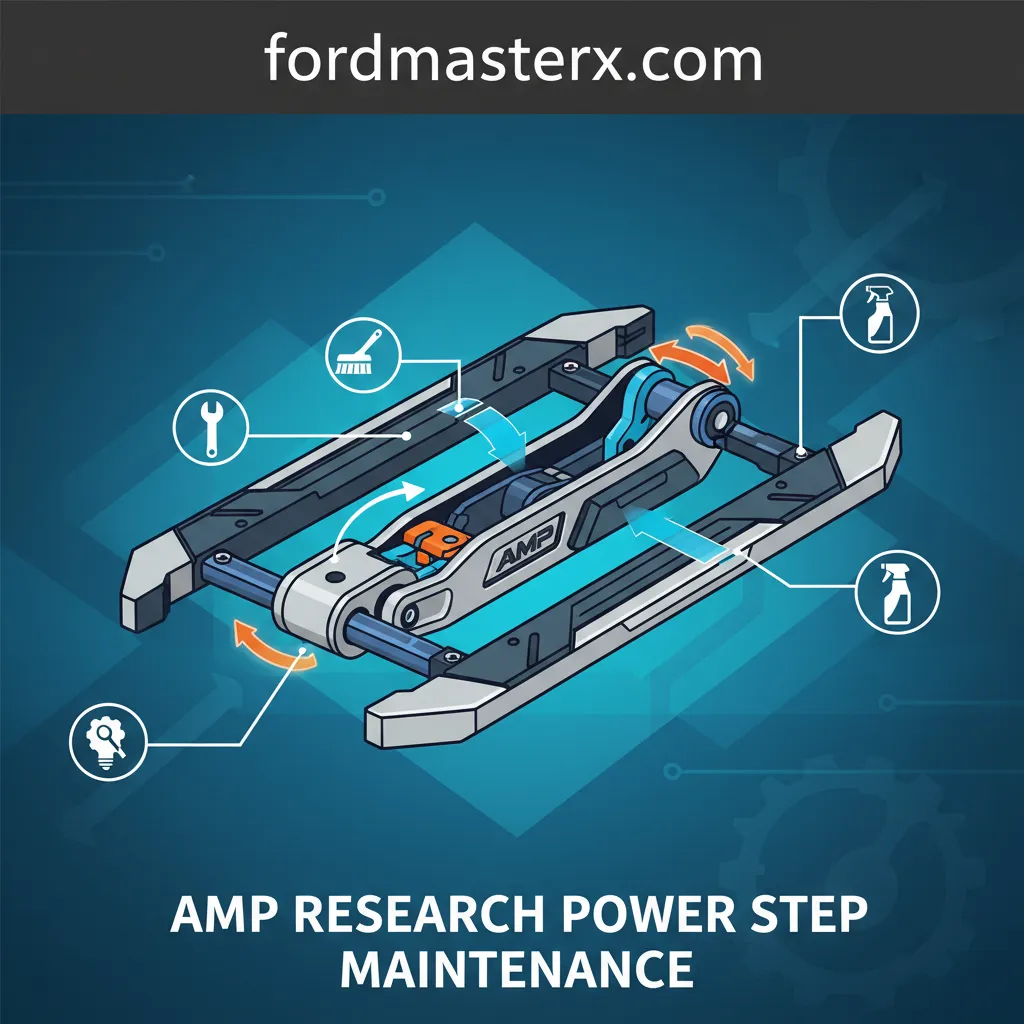
Amp Research Power Step Maintenance: Procedures For Prolonging Retractable Running Board Performance

For truck owners who demand the ultimate fusion of utility and style, the AMP Research Power Step represents a premium investment in vehicle accessibility. However, the sophisticated engineering that allows these boards to retract seamlessly against the rocker panel also makes them susceptible to the harsh realities of the road. Daily exposure to abrasive road debris, high-moisture environments, and corrosive winter salts can quickly compromise the integrity of the linkage assemblies and motor performance. Maintaining the quality and longevity of this system requires more than just an occasional car wash; it demands a professional approach to mechanical and electrical care. This comprehensive guide provides a detailed maintenance framework to ensure your power steps remain reliable, quiet, and aesthetically superior for the life of your vehicle.
Routine Cleaning Protocols for AMP Research Power Step Systems
📤 Share Image
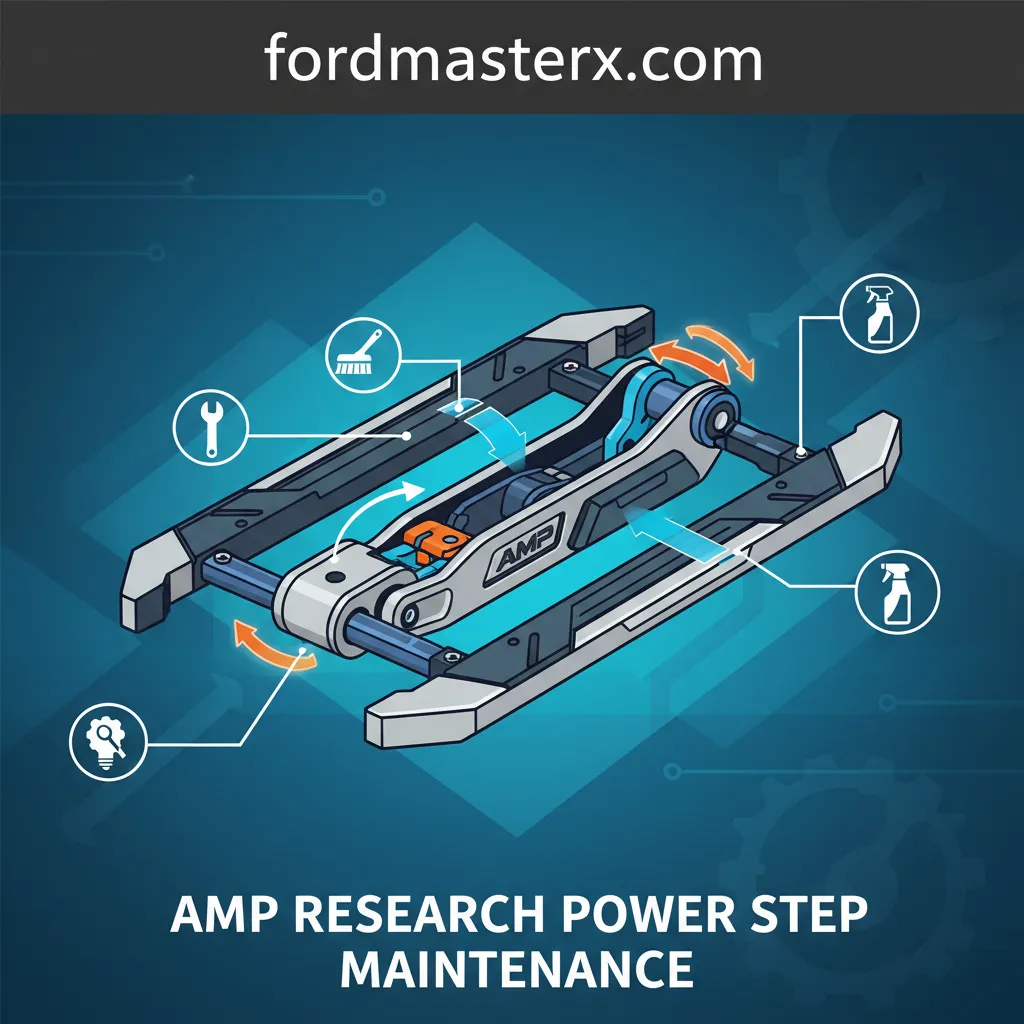
The foundational element of expert power step maintenance is a rigorous cleaning protocol. Unlike fixed running boards, the Power Step utilizes a multi-point linkage system that relies on tight tolerances to operate. When road grime, mud, or industrial fallout accumulates within these pivot points, it acts as an abrasive paste, grinding away at the bushings and increasing the load on the electric motor. To preserve the professional finish and mechanical fluidity, you must use high-quality, pH-neutral automotive detergents. Many off-the-shelf “heavy-duty” cleaners or degreasers are highly acidic or alkaline; AMP Research utilizes a specialized PTFE-coated finish that can be compromised by acidic cleaners with a pH level below 5.0. Stripping this coating leads to premature oxidation and unsightly fading of the 6063 marine-grade aluminum components.
When washing the vehicle, execute a thorough rinse of the linkage assemblies using low-pressure water. The goal is to dislodge sediment from the pivot pins without forcing it deeper into the assembly. I have frequently observed a scenario where heavy mud accumulation from off-road driving restricts the linkage swing-arm from fully retracting. In these cases, the user often attempts to “power through” by cycling the door, which can strain the internal gears. Instead, use a soft-bristled brush to gently agitate the debris while the boards are in the deployed position.
Avoid directing high-pressure water streams (above 1500 PSI) directly into the motor housing or the internal bushings of the linkage. High pressure can force fine particulates and moisture past the weather seals, leading to internal corrosion and electrical shorts that are not covered under standard wear-and-tear warranties.
The step surface itself features a slip-resistant textured powder coat. To maintain professional grip standards, ensure this texture is free of oil and wax buildup. After cleaning, use a dedicated micro-fiber drying cloth on the aluminum surfaces. This prevents water spotting and mineral deposits from etching into the finish, keeping the boards looking like new even after years of trusted service.
Lubrication Requirements for Power Step Linkage Assemblies
Lubrication is the most misunderstood aspect of retractable running board maintenance. A common pitfall is the application of heavy grease or petroleum-based oils. While these may provide temporary silence, they are “wet” lubricants that actively attract and hold abrasive road dust. Over time, this mixture creates a thick, grinding sludge that increases mechanical resistance. The bushings in these steps are designed for low friction, but a 15% increase in mechanical resistance can trigger the system’s safety pinch-protection circuit, causing the boards to reverse direction or stall mid-cycle.
📋
Step-by-Step Lubrication Guide
Ensure the linkage is completely free of dirt and dry to the touch. Deploy the steps to gain full access to the pivot points.
Apply a professional-grade dry silicone spray lubricant to the four specific pivot points on each linkage assembly (eight points total per vehicle).
Open and close the vehicle doors 3-5 times to work the lubricant into the stainless steel pivot pins and internal bushings.
Use a clean rag to remove any overspray or dripping fluid. Leaving excess lubricant creates the ‘sludge’ buildup that eventually forces the motor to overwork.
The frequency of this maintenance depends entirely on your environment. For standard suburban use, a quarterly application is sufficient. However, for severe environments—such as coastal regions with salt air or rural areas with constant dust—monthly lubrication is recommended. A dry-film lubricant creates a microscopic barrier that allows the stainless steel pins to glide within the bushings without trapping the very contaminants that cause wear.
Inspecting Electrical Connections and Sensor Alignment
The complete mechanical operation of the Power Step is governed by a sophisticated electronic control module. Maintaining the electronic integrity of the system is just as vital as the physical linkages. Start with a visual inspection of the wiring harness. These harnesses are often routed along the frame rail, where they are exposed to heat from the exhaust system and physical strikes from road debris. Check for signs of fraying, melted insulation, or loose plastic loom.
Voltage stability is the lifeblood of the system. Most AMP Research controllers require at least 11.5 volts to initiate the deployment sequence without triggering a fault code. If your vehicle’s battery is aging, you may notice the steps becoming sluggish or failing to deploy entirely, even if the engine starts fine. I encountered a case study where a loose ground wire attached to the chassis caused intermittent deployment. This was initially misdiagnosed as a faulty motor, but a simple cleaning of the ground contact point and an application of dielectric grease restored 100% reliable function.
After performing any electrical maintenance or battery replacement, it is a trusted best practice to reset the controller. Disconnect the main fuse for 30 seconds and reconnect it. This allows the controller to recalibrate the ‘home’ position and ensures the sensors are correctly aligned with the door triggers.
For systems utilizing the OBD-II port plug-and-play module, ensure the connection is secure. Vibrations can occasionally loosen this module, leading to a loss of signal from the door sensors. Periodically cleaning these connectors with specialized electronic contact cleaner ensures consistent signal transmission and prevents the “ghosting” effect where boards deploy or retract without command.
Seasonal Maintenance Strategies for Severe Weather Conditions
Winter and coastal driving conditions present the greatest threat to your power step system. Road salt and magnesium chloride can accelerate the oxidation of unprotected aluminum by up to 10x compared to standard freshwater exposure. To combat this, develop a reliable winter wash routine. It is not enough to wash the truck; you must focus specifically on neutralizing the salts trapped in the upper linkage pockets. These pockets are prime locations for “ice-damming,” where slush freezes into a solid block, preventing the motor from fully closing the step against the rocker panel.
Winter Protection
Use the ‘deployment override’ feature during extreme ice storms to keep steps retracted and protected. This prevents the motor from trying to force its way through solid ice.
Ceramic Shield
Applying a professional-grade ceramic coating to the aluminum surfaces provides a sacrificial layer that repels corrosive salts and makes cleaning significantly easier.
During heavy snowmelt, also inspect the LED light kits. While these are weather-sealed, the constant expansion and contraction of the housing in freezing temperatures can eventually allow moisture intrusion. If you see condensation inside the lens, dry it out and reseal the wire entry point with a small dab of silicone RTV. This proactive guide approach prevents the lights from flickering or shorting out during the wet season.
Troubleshooting Common Mechanical Obstructions and Noise
Even with the best maintenance, mechanical issues can arise. The key is to diagnose them accurately before they cause permanent damage. You must learn to identify the difference between a ‘squeak’ and a ‘grind.’ A squeak is almost always a sign that the pivot pins are dry and require lubrication. A grind, however, suggests that internal bearings in the motor or the gears are failing, or that a foreign object is trapped in the linkage. Data shows that 80% of reported ‘motor failures’ are actually caused by mechanical binding in the linkages due to lack of cleaning.
Small stones or pebbles can easily become lodged within the idler linkage arm. Because the motor is designed to stall if it hits an obstruction, a single pebble can render the step useless. Always check the “pocket” where the arm rests when retracted. Additionally, vibrations from driving can loosen the mounting hardware. Tighten the mounting bolts and bracket hardware to the manufacturer-specified torque of 16 ft-lbs to eliminate rattles and ensure the boards remain perfectly aligned with the vehicle body lines.
✅ When to Maintain
- Step is slow to deploy
- Minor squeaking during travel
- Light surface dirt on linkage
- Visible debris in pivot points
❌ When to Replace
- Motor makes heavy grinding noise
- Bent or cracked linkage arms
- Excessive play in pivot bushings
- Internal electrical short in controller
Verifying the alignment is a final critical step. If the board is rubbing against the wheel well trim or the rocker panel, the motor will work harder than necessary, shortening its lifespan. If you observe rubbing, loosen the board-to-linkage bolts, adjust the board position, and re-torque them. This attention to detail is what separates a standard user from a professional vehicle owner.
System Vital Stats
Min Operating Power
Linkage Torque Spec
Aluminum Grade
In summary, the longevity and quality of your AMP Research Power Steps are directly tied to the consistency of your upkeep. Consistent cleaning with pH-neutral soaps prevents the buildup of abrasive sediment in the linkages, while the strategic application of dry silicone lubricant ensures friction-free deployment and protects internal bushings. Furthermore, periodic electrical inspections and seasonal precautions safeguard the system against environmental extremes like road salt and ice. By following this complete expert guide, you can avoid common pitfalls and ensure your steps operate with reliable precision for years to come. Implement these maintenance steps today to preserve your warranty and maximize the value of your vehicle investment.
Frequently Asked Questions
What is the best lubricant to use for AMP Research Power Steps?
For professional results, always use a high-quality dry silicone spray. Unlike grease or oil-based lubricants, dry silicone provides a reliable protective layer without attracting dust, dirt, or sand. This prevents the formation of an abrasive paste that can wear down the stainless steel pivot pins and bushings over time.
How often should I clean the linkage assemblies?
Under normal driving conditions, a thorough cleaning every 2,000 to 3,000 miles is recommended. However, if you frequently traverse mud, salt-treated winter roads, or dusty trails, you should perform a low-pressure rinse weekly. This ensures that the trusted performance of the motor is not hampered by mechanical resistance.
Can I use a pressure washer on my power steps?
While the motor and linkages are designed to be weather-resistant, using a high-pressure nozzle in close proximity can force water past the seals and into the motor housing. It is safer to use a standard garden hose or a low-pressure setting to wash away debris, preserving the expert engineering of the internal components.
Why are my power steps retracting immediately after deploying?
This is typically caused by the safety ‘pinch protection’ feature. If the system detects mechanical resistance—either from dirt buildup in the linkages or an physical obstruction—it will retract to prevent damage. Cleaning and lubricating the pivot points usually resolves this issue and restores reliable operation.
Do I need to lubricate the motor itself?
The motor unit is a sealed, professional-grade component and does not require internal lubrication. Maintenance should focus exclusively on the external pivot points and linkage arms. If the motor is making a grinding noise, it may indicate an internal failure that requires a replacement rather than surface maintenance.