2012 Ford Fiesta Oil Reset: All Models Step-By-Step Guide 2026

2012 Ford Fiesta Oil Reset: All Models Step-By-Step Guide 2026


📤 Share Image
Maintaining your 2012 Ford Fiesta involves several routine procedures, and accurately resetting the oil life monitor after an oil change is paramount. Failing to correctly reset this indicator can lead to inaccurate maintenance tracking, potentially causing premature engine wear or unnecessary service appointments due to a confused Intelligent Oil-Life Monitor (IOLM). This comprehensive guide provides a precise, step-by-step procedure for all 2012 Ford Fiesta models, ensuring you can accurately restore your oil life monitor to its default settings and maintain optimal vehicle health in 2026 and beyond, safeguarding your investment with a consistent fresh start after every service.
Understanding the Necessity of the 2012 Ford Fiesta Oil Life Monitor Reset


The 2012 Ford Fiesta, like many modern vehicles, is equipped with an Intelligent Oil-Life Monitor (IOLM) system. This sophisticated technology goes beyond a simple mileage counter, utilizing complex algorithms to track engine oil degradation. The IOLM continuously analyzes various operational parameters, including driving conditions, ambient temperature, engine RPM, and even factors like idle time and trip length. By dynamically assessing these inputs, it estimates the remaining useful life of your engine oil, providing a more precise and efficient maintenance schedule than traditional fixed intervals.
The absolute importance of resetting this system to 100% immediately after every oil and filter change cannot be overstated. Failure to perform this simple step means the IOLM will continue to calculate oil life based on the old oil’s characteristics and the subsequent driving conditions, leading to inaccurate readings. Imagine a scenario where a driver changes their oil but forgets to initialize the monitor; the vehicle might falsely indicate low oil life prematurely, prompting an unnecessary early oil change, or, conversely, delay a critical service by incorrectly assuming the oil is still viable for extended use.
The potential negative impacts of not resetting the monitor are significant. Beyond inaccurate service reminders and adherence to incorrect maintenance schedules, neglecting this step can contribute to premature engine wear. Overextended oil change intervals, driven by an un-reset monitor, mean the engine operates with degraded oil that has lost its lubrication, cleaning, and cooling properties, increasing friction and heat. This can lead to sludge buildup, component damage, and ultimately, a shortened engine lifespan.
It’s crucial to distinguish between a general ‘service engine soon’ light, which indicates a broader range of potential engine or emissions issues, and the dedicated oil change reminder. The latter is specifically tied to the IOLM system, prompting an oil service. Confusion between these indicators can lead to misdiagnoses or neglected essential maintenance. Research indicates that Ford’s Intelligent Oil-Life Monitor (IOLM) in vehicles like the 2012 Fiesta can extend oil change intervals up to 10,000 miles (or 12 months) under ideal conditions, compared to traditional 3,000-5,000-mile fixed intervals, highlighting the system’s efficiency when properly maintained and reset. This proactive system helps maintain engine integrity and can significantly impact the long-term reliability of your Fiesta.
By The Numbers
Max. IOLM Oil Change Interval
Traditional Fixed Intervals
Step-By-Step Procedure: Resetting the Oil Life on Your 2012 Ford Fiesta (All Models)


Performing an oil life reset on your 2012 Ford Fiesta is a straightforward process applicable to all models, including S, SE, SEL, and SES trims. This critical step ensures your vehicle’s maintenance system accurately reflects the status of its engine oil, providing a fresh start for its monitoring cycle. This procedure assumes the engine oil and filter have already been replaced, putting the engine in a truly clean state.
📋
Step-by-Step Guide
Before starting, ensure your 2012 Ford Fiesta is off, parked in a safe, level location, and that the fresh oil and filter change has been thoroughly completed. This procedure is designed to acknowledge that the engine now has new, clean oil.
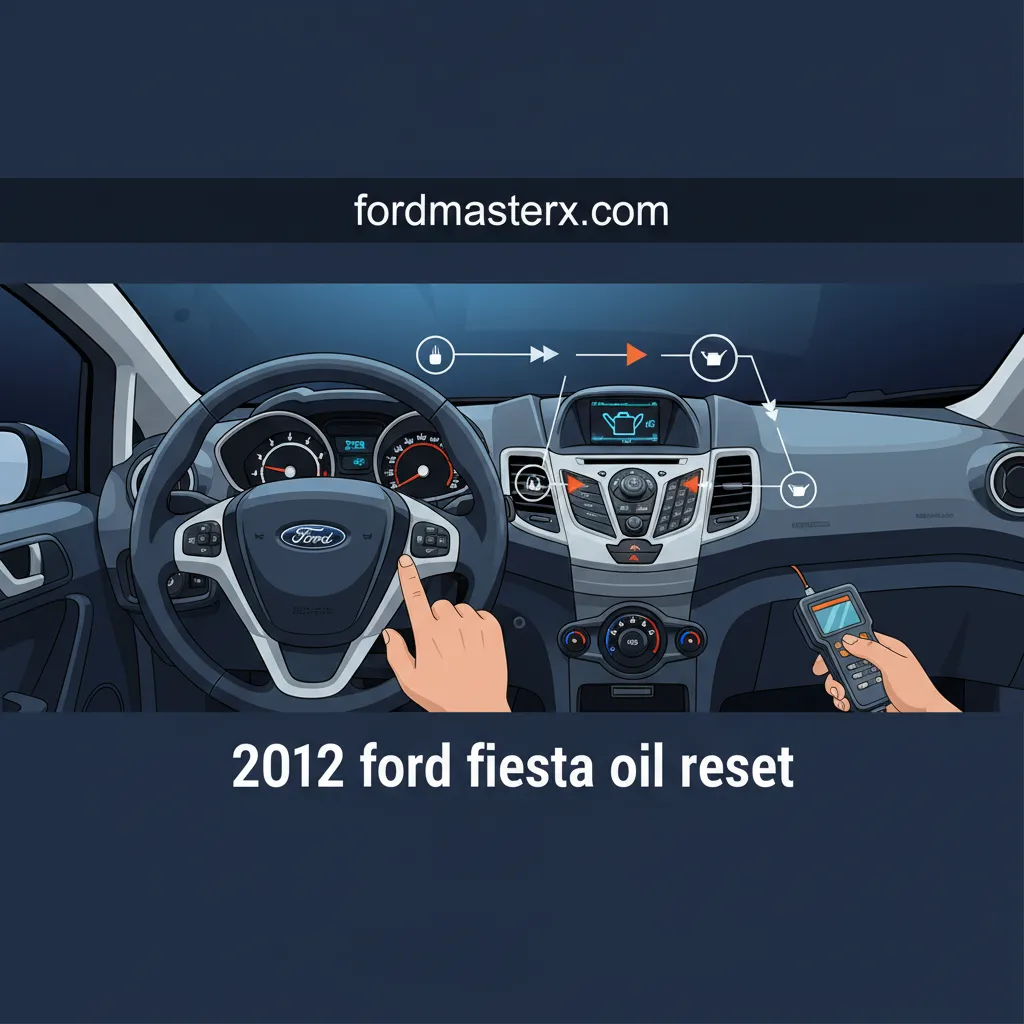
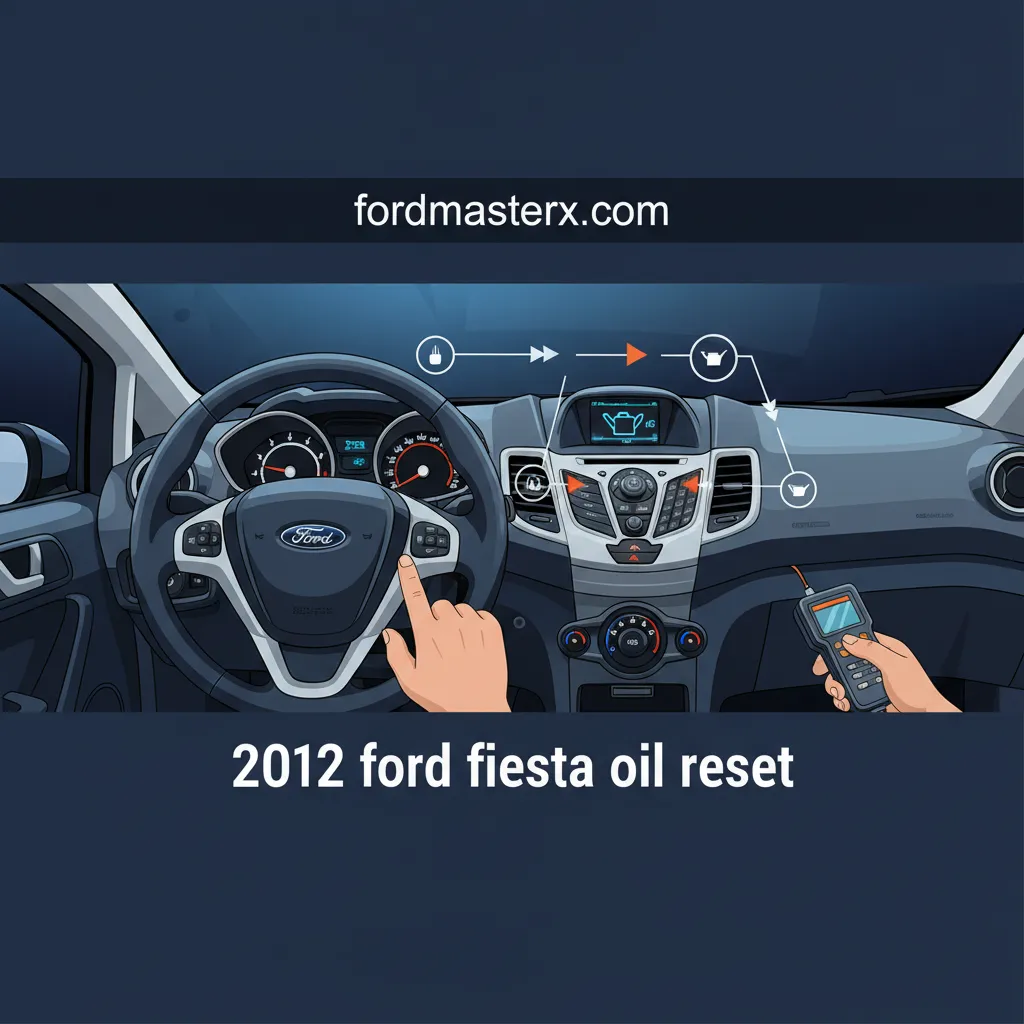
Insert the ignition key and turn it to the ‘ON’ position (II) without starting the engine. All dashboard indicator lights should illuminate. For models equipped with push-button start, press the ‘Start’ button once without depressing the brake pedal. This powers up the electronics but keeps the engine disengaged.
Simultaneously depress both the accelerator pedal and the brake pedal fully. Apply consistent and firm pressure to both pedals. This precise pedal combination triggers the reset function. This specific accelerator-and-brake pedal reset method was a common diagnostic and service feature across many Ford models of the early 2010s, ensuring a consistent factory reset procedure for technicians and owners.
Continue holding the pedals for approximately 20-30 seconds. The instrument cluster’s message center will display messages such as ‘OIL LIFE SET TO 100%’ or ‘SERVICE: OIL RESET COMPLETE’. If the message doesn’t appear within 20 seconds, hold for an additional 10 seconds before releasing. Once you see the confirmation message, release both pedals and turn the ignition off.
Turn the ignition back ‘ON’ (or start the engine) and navigate through the instrument cluster display menus to the oil life percentage. It should now read 100%, confirming a successful reboot and initialization of the IOLM system. This step is crucial to ensure the reset was effective.
Always perform the oil change and filter replacement before attempting the reset. The system needs to recognize the presence of fresh oil to provide accurate future readings. Trying to reset without an actual oil change undermines the IOLM’s effectiveness.
Troubleshooting Common Issues and What If the 2012 Ford Fiesta Oil Reset Fails
While the 2012 Ford Fiesta oil reset procedure is generally straightforward, certain factors can cause it to fail. Understanding these common pitfalls and their solutions is key to successfully completing the reboot and ensuring your vehicle’s maintenance schedule remains accurate.
Common Reset Challenges and Solutions:
- Incorrect Timing or Pressure: This is by far the most common reason for failure. The system requires precise timing and consistent pressure. Many users fail because they release the pedals too soon or don’t depress them fully. If the message ‘SERVICE: OIL RESET COMPLETE’ still doesn’t appear after 30 seconds, re-attempt the procedure, ensuring you apply firm, steady pressure to both pedals and hold for the full 20-30 second duration.
- Ignition State Error: Ensure the ignition is firmly in the ‘ON’ position (accessory mode ‘ACC’ is insufficient), and crucially, the engine is not running. For push-button start models, press the button once without your foot on the brake. An incorrect ignition state will prevent the reset sequence from initiating.
- Instrument Cluster Malfunction: If your message center is unresponsive, displays garbled text, or shows unrelated errors, this could indicate a deeper electrical or module issue. In such cases, the reset will likely fail regardless of correct procedure. This situation warrants professional diagnosis.
- Underlying DTCs (Diagnostic Trouble Codes): In rare instances, persistent underlying engine or sensor issues, which trigger Diagnostic Trouble Codes, might interfere with the successful completion of routine service resets. Modern vehicle systems, including Ford’s IOLM, often integrate various sensor inputs. A fault in an unrelated sensor (e.g., engine temperature or even a low battery voltage) could, theoretically, interfere with software-based resets. If the problem persists after multiple diligent attempts, it is prudent to scan for any existing DTCs using an OBD-II scanner. Clearing these codes, if applicable and after addressing their root cause, might allow the oil life reset to proceed.
When to Seek Professional Assistance:
If, after repeated careful attempts, the oil life monitor on your 2012 Ford Fiesta still fails to restore to 100%, or if additional warning lights illuminate during or after the process, it’s time to seek assistance from a certified Ford technician. They possess advanced diagnostic tools that can pinpoint electronic malfunctions, retrieve system-specific errors, and perform a forced default or factory reset if necessary. Attempting to force a reset via other means or ignoring a persistent issue can lead to further complications. Ensuring a proper backup of your vehicle’s maintenance schedule is crucial, and a technician can ensure your IOLM is functioning correctly.
Never attempt to reset the oil life monitor without actually performing an oil and filter change. Doing so will mislead the IOLM, potentially leading to critical engine damage by extending the use of degraded oil. The reset is a confirmation of service, not a substitute for it.
Optimizing Your 2012 Ford Fiesta’s Engine Longevity After an Oil Reset
Performing a successful oil life reset is just one piece of the puzzle in ensuring the long-term health and reliability of your 2012 Ford Fiesta. To truly maximize engine longevity and leverage that fresh start after each oil change, a holistic approach to maintenance is essential.
Utilizing the Oil Life Monitor Effectively:
The Intelligent Oil-Life Monitor (IOLM) is an intelligent guide, not an absolute dictate. While Ford’s system is highly accurate, it’s beneficial to balance its readings with your personal driving habits. If you frequently engage in severe driving conditions—such as short trips, heavy towing, or extensive idling (common in urban environments)—you might consider slightly earlier oil changes than the IOLM suggests. Conversely, consistent highway driving under moderate conditions often allows the IOLM to recommend longer intervals, optimizing your maintenance schedule for optimal clean engine operation. Always cross-reference with your owner’s manual’s severe service recommendations.
Choosing the Right Oil and Filter:
The type of engine oil and filter you use dramatically impacts engine protection. For the 2012 Ford Fiesta, particularly models with the 1.6L engine, it is crucial to use oil that meets Ford’s specific requirements. For instance, using SAE 5W-20 synthetic blend or full synthetic oil meeting Ford WSS-M2C945-A specification is not merely a recommendation but a necessity for optimal performance and longevity. Using Motorcraft-branded oil and filters ensures perfect compatibility, as they are engineered to meet these exacting standards. A high-quality oil filter will efficiently trap contaminants, preventing them from circulating and causing abrasive wear. Tip: Check your owner’s manual for the exact oil specification and capacity, typically around 4.3 quarts for the 1.6L engine.
Regular Preventative Maintenance:
Beyond routine oil changes, a comprehensive preventative maintenance schedule is key. This includes regularly checking other fluid levels (coolant, brake fluid, power steering fluid if applicable, transmission fluid), inspecting tire pressure and tread, examining belts and hoses for wear, and ensuring all lights and wipers are functional. These seemingly small checks contribute significantly to overall vehicle reliability and can prevent minor issues from escalating into costly repairs.
Documenting Service:
Maintain meticulous records of all maintenance performed. This should include the date, mileage, type of oil and filter used, and any other services completed. Such documentation aids in future troubleshooting, serves as a valuable record for warranty claims, and significantly enhances the resale value of your Fiesta. This historical data provides a verifiable backup of your maintenance diligence.
Seasonal Considerations:
Extreme temperatures can impact oil life and performance. In very hot climates, oil can degrade faster due to increased thermal stress. In extremely cold conditions, an engine takes longer to reach optimal operating temperature, potentially increasing condensation and sludge formation, shortening oil life. While the IOLM accounts for temperature, it’s prudent to be slightly more vigilant with checks and potentially opt for slightly earlier changes during periods of severe hot or cold weather. Studies show that consistent use of the correct oil and filter, alongside adherence to maintenance schedules, can extend engine life by 25-50% compared to neglected vehicles, directly impacting the long-term reliability of your Fiesta.
Conclusion
The oil life monitor reset on your 2012 Ford Fiesta is a small but critical procedure that directly impacts your vehicle’s maintenance accuracy and engine health. This guide has detailed how the IOLM functions, why its initialization is vital, and provided a clear, step-by-step process for all models. We also explored common troubleshooting steps if the reset fails and outlined best practices for long-term engine longevity, emphasizing the importance of quality fluids and consistent maintenance for a truly clean slate.
By following this detailed guide, you can confidently perform the oil reset on your 2012 Ford Fiesta, ensuring accurate maintenance tracking. Remember to use quality parts and adhere to regular maintenance schedules to keep your vehicle running reliably for years to come. For further vehicle-specific inquiries, always consult your owner’s manual or a certified Ford technician to ensure your backup maintenance practices are sound.
Frequently Asked Questions
Why is it important to reset the oil life monitor on my 2012 Ford Fiesta after an oil change?
Resetting the oil life monitor is crucial because the system uses an algorithm to calculate remaining oil life based on driving conditions. If not reset, the system will continue tracking from the old oil’s degradation status, leading to inaccurate reminders. This can result in either premature oil changes or, more dangerously, extending service intervals beyond safe limits, jeopardizing engine health and potentially causing costly damage.
Can I reset the 2012 Ford Fiesta oil life monitor without actually changing the oil?
Technically, yes, the reset procedure can be performed without changing the oil. However, this practice is strongly discouraged. The monitor is designed to reflect the quality and remaining life of the engine oil. Resetting it without a fresh oil change creates a false ‘fresh start’ reading, giving you an inaccurate estimate and potentially leading to significant engine wear and damage from using degraded, unfiltered oil beyond its service life.
What kind of oil and filter should I use for my 2012 Ford Fiesta?
For optimal performance and engine longevity, always refer to your 2012 Ford Fiesta’s owner’s manual for specific oil type and filter recommendations. Typically, the 1.6L engine requires SAE 5W-20 synthetic blend motor oil that meets Ford’s WSS-M2C945-A specification. Using a high-quality oil filter, often Motorcraft or an equivalent, is also essential for effective filtration and to maintain the warranty and performance of your vehicle.
Are there different oil reset procedures for different 2012 Ford Fiesta trims or engine types?
For the 2012 model year, the oil life reset procedure for the Ford Fiesta is largely consistent across all trims (S, SE, SEL, SES) and the primary 1.6L Duratec I4 engine. The method involving turning the ignition to ‘ON’ and simultaneously depressing the accelerator and brake pedals is the standard ‘factory’ process. Differences, if any, would be minor, such as variations in instrument cluster display messages, but the core steps remain identical.
What should I do if the ‘OIL LIFE SET TO 100%’ message does not appear?
If the ‘OIL LIFE SET TO 100%’ message doesn’t appear after performing the reset, first ensure you held both the accelerator and brake pedals fully and continuously for the entire 20-30 second duration with the ignition in the ‘ON’ position (engine off). Re-attempt the procedure carefully. If it still fails, check for any other warning lights, as persistent issues might indicate a deeper electrical problem or require a diagnostic scan from a professional Ford service technician to troubleshoot.
Other Fiesta years: 2016 Ford Fiesta Oil Reset
All Ford models: Ford Oil Life Monitor Reset Guide (All Models & Years)