2003 Ford F150 Anti Theft Reset: Solved Step by Step

Is your 2003 Ford F150 flashing a security light at you, leaving you stranded in your own driveway? The Passive Anti-Theft System (PATS) is designed to protect your truck from unauthorized entry, but a corrupted key code or a faulty transceiver can prevent you from starting your own vehicle. In this guide, we will walk through the exact steps to reset your security system, program new keys, and diagnose the hardware failures that often mimic software glitches.

Understanding the 2003 Ford F150 Anti Theft Reset Necessity
Recommended Best Deal Products


📤 Share Image
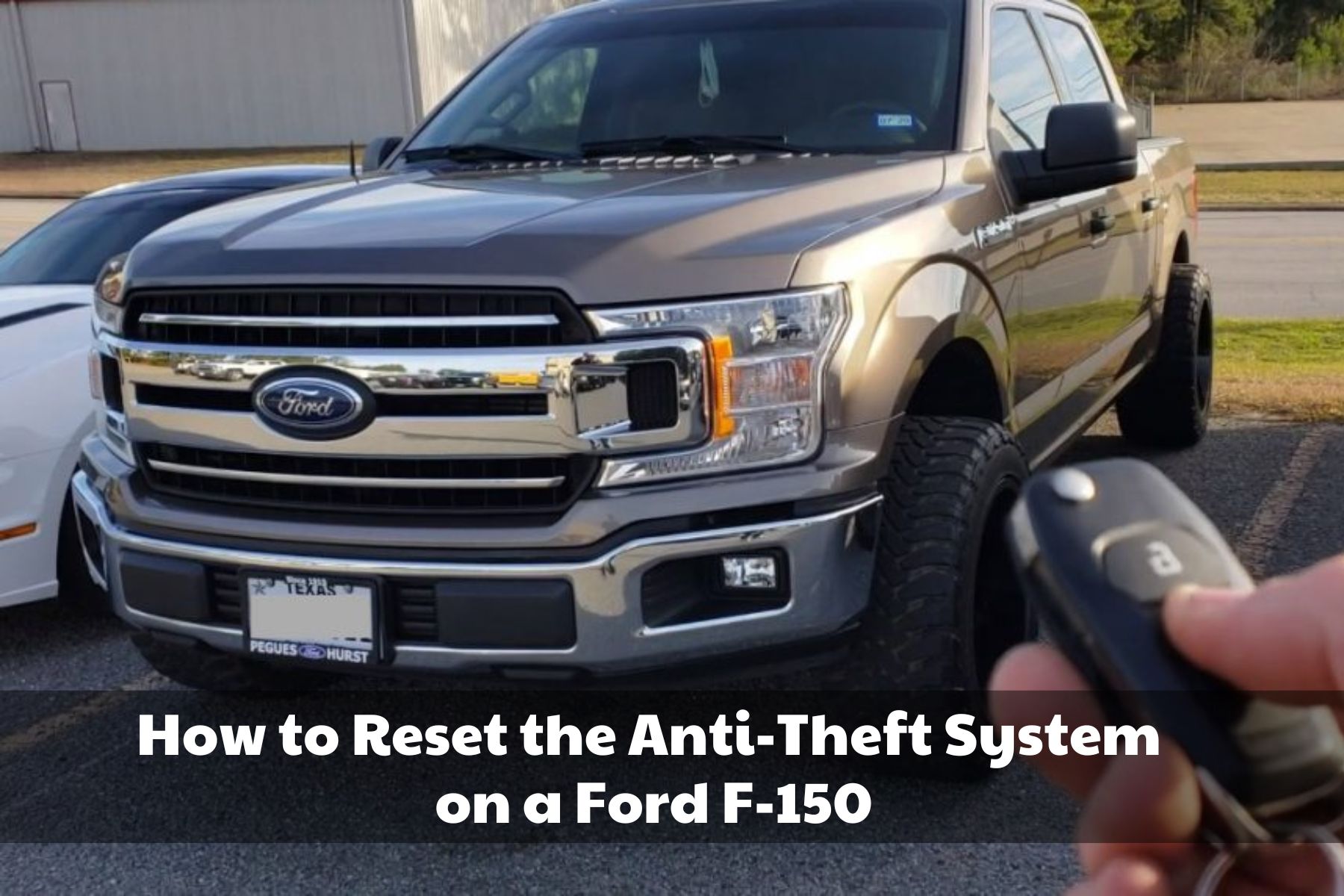
The PATS (Passive Anti-Theft System) in the 2003 Ford F150 is a sophisticated immobilizer, not a simple alarm. It operates by requiring a specific digital handshake between the key’s internal transponder chip and the Powertrain Control Module (PCM). When this handshake fails, the PCM disables the fuel injectors and the ignition system, rendering the engine dead.
How the PATS Transceiver Reads Your Key
The PATS transceiver is a ring antenna mounted around the ignition lock cylinder. When you insert your key, this ring emits a radio frequency signal that “wakes up” the RFID chip inside your key’s head. If the code returned by the key does not match the codes stored in the PCM’s memory, the system triggers an ignition lockout.

Signs of an Authentication Failure
The most reliable indicator of a PATS issue is the behavior of the “THEFT” light on your instrument cluster.
- Rapidly Flashing Light: This confirms that the PCM does not recognize the key. This is a classic authentication failure.
- Solid Light for 3 Seconds, Then Off: This is the normal “system check” behavior. If the truck won’t start but the light behaves normally, the issue is likely fuel or spark-related, not PATS.
- No Light at All: This often indicates a blown fuse or a dead instrument cluster, which prevents the security system from even attempting a handshake.
The PCM’s Role in Engine Ignition
The PCM is the brain of the operation. It manages the fuel pump relay and coil firing. If the PCM detects a forced entry—or if the battery voltage drops below a critical threshold (typically around 10.5 volts)—it may enter a “Security Lock” mode. Many owners incorrectly assume that a dead battery resets the security system; in reality, low voltage often corrupts the communication signal, leading to a “fresh start” requirement through a proper key relearn.
By The Numbers
Required Keys for Self-Programming
Minutes for Security Lock Timeout
How to Perform a 2003 Ford F150 Anti Theft Reset
If you have two functional keys, you can program additional keys yourself. However, if you are currently locked out, you must follow a strict procedure to initialize the system.
Manual Key Relearn Procedure
Insert your first valid master key into the ignition and turn it to the ON (Run) position for at least three seconds, but no more than ten.
Remove the first key and insert the second valid master key. Turn it to the ON position within ten seconds of removing the first key.
Navigating the Lockout Period After Failed Attempts
If you have attempted to start the truck with a non-programmed key, the system may enter a mandatory 15-minute wait period. During this time, the “THEFT” light will flash rapidly or remain solid. You must keep the ignition in the ON position for the full 15 minutes to allow the PCM to “reset” the authentication counter. Turning the key to the OFF position during this window resets the timer, prolonging your frustration.
Do not attempt to jump-start the vehicle if you suspect a PATS issue. If the battery is weak, replace it first. Fluctuating voltage during a cranking attempt can cause the PATS module to lose synchronization with the keys permanently.

Audible — Listen Free for 30 Days
One free credit a month and thousands of titles included.
Listen Free for 30 Days As an Amazon Associate I earn from qualifying purchases.Common 2003 Ford F150 Anti Theft Reset Hardware Fixes
Recommended Best Deal Products


Sometimes, the software is fine, but the hardware is failing. If the relearn procedure fails, inspect these components.
- The PATS Transceiver Ring: This is the plastic ring around your ignition. It is prone to internal wire breaks. If you have had the steering column apart recently, verify the connector is snapped in firmly.
- Ignition Lock Cylinder Wear: If the cylinder itself is worn, the key might not sit in the exact position required for the transceiver to read the chip.
- Cheap Transponder Blanks: Never use “cloned” keys bought from generic online marketplaces unless you verify they are true RFID transponders. A metal-only key will turn the cylinder, but it will never signal the PCM to release the fuel pump.
- Electrical Grounds: A poor chassis ground will often result in intermittent “THEFT” light flashes while driving. Check the grounds near the kick panels and the firewall.
Advanced Troubleshooting for Persistent No-Start Scenarios
If basic steps do not restore operation, you need to interface with the PCM.
Reading PATS Diagnostic Trouble Codes
Use a dedicated OBD-II scanner capable of reading “Ford Enhanced” codes. Look for B1600 (PATS Key Not Received), B1601 (Invalid Key Code Received), or B2103 (Antenna Coil Failure). These codes provide clear, actionable direction:
- B1600: Suggests the key is not transmitting or the transceiver ring is dead.
- B2103: Confirms the transceiver coil itself is faulty and needs replacement.
When You Need Professional PCM Programming
If you have verified the keys and the transceiver are functioning, the issue may lie within the PCM’s internal memory. In rare cases, the “handshake” data is corrupted. A dealership or professional locksmith can use a Ford diagnostic tool to “re-initialize” the module. This is not a task for DIY scanners; it requires specialized software like FORScan or proprietary Ford dealership tools to establish a secure, encrypted link between the PCM and the cluster.
If you are using FORScan, ensure you have a high-quality OBD-II adapter (preferably one with a switch for HS/MS CAN). Many cheap ELM327 knockoffs will fail to initialize the link to the PCM, leading to further system errors.
Final Thoughts on Security System Reliability
Recommended Best Deal Products


Restoring your 2003 F150 to a functional state is a logical process of elimination. Start with the simplest culprit—your spare key—and move toward hardware diagnostics if the initial handshake fails.
Remember these core pillars of Ford security maintenance:
- Always maintain two master keys as a backup; this is the cheapest insurance against a total lockout.
- Verify that your keys contain active transponder chips, not just decorative plastic heads.
- Never ignore minor electrical fluctuations; they are the leading cause of “false” PATS lockouts.
If the “THEFT” light continues to flash after you have verified the integrity of your keys, transceiver, and battery, do not continue to force the ignition. Seek professional assistance from a qualified locksmith who specializes in Ford security systems. They have the capability to bridge the communication gap between your PCM and your key without the cost and downtime of a dealership visit.
2003 Ford f150 Anti Theft Reset: Frequently Asked Questions
Can I bypass the 2003 Ford F150 anti-theft system permanently?
There is no simple ‘bypass’ for the 2003 F150 PATS system. Because the anti-theft logic is hard-coded into the PCM and the ignition system, you cannot simply cut a wire to disable it. Attempts to bypass the system often result in a permanent ‘no-start’ condition or damage to the engine computer. Repairs must be handled via authorized key programming or module replacement.
What does a rapidly flashing theft light mean?
A rapidly flashing theft light (often exceeding 2 flashes per second) indicates that the vehicle’s Powertrain Control Module (PCM) does not recognize the transponder signal from your key. This could mean the key’s RFID chip is damaged, the ignition transceiver ring is faulty, or the PCM has lost communication with the security module. The system has entered a lockout mode to prevent unauthorized engine starting.
Audible Premium Plus — Annual Membership
12 audiobook credits up front, plus the full Audible catalogue.
See Annual Plans As an Amazon Associate I earn from qualifying purchases.Will a hardware store key cut to fit the ignition start my truck?
No. A standard hardware store key cut to match your ignition’s bittings will physically turn the cylinder, but it will not start the engine. The 2003 F150 requires a key with an internal RFID transponder chip programmed to your truck’s specific security ID. Without the correct signal, the PCM will disable the fuel injectors and starter, preventing the engine from running regardless of the mechanical cut.
How do I know if my PATS transceiver ring is broken?
If you have tried the reset procedure multiple times with a verified working key and the theft light continues to flash rapidly, the transceiver ring—the plastic antenna collar around your ignition cylinder—is the likely culprit. You can test it by using an ODB-II scanner to pull specific B-codes. If the scanner shows communication failure or missing signal codes, the transceiver ring likely needs replacement.
Does a dead truck battery trigger the anti-theft system?
Yes, a dead or severely discharged battery is a frequent cause of PATS lockout. When battery voltage drops below the operating threshold required for the transceiver to broadcast and the PCM to receive the signal, the system may register a security fault. Replacing the battery or jump-starting the truck properly often clears the issue, though you may still need to perform the manual reset procedure.