
Ford Mustang TPMS Reset Without Tool: Manual Procedures Compared Side-by-Side

You can reset the Ford Mustang TPMS without a tool by using the ignition cycle or the vehicle’s onboard menu system. This process triggers the learn mode to pair sensors after tire rotations or replacements. The following sections provide the specific reset sequences for your model year, requirements for identifying your sensor type, troubleshooting steps for common relearn failures, and a comparison between manual procedures and professional OBDII scanning tools.
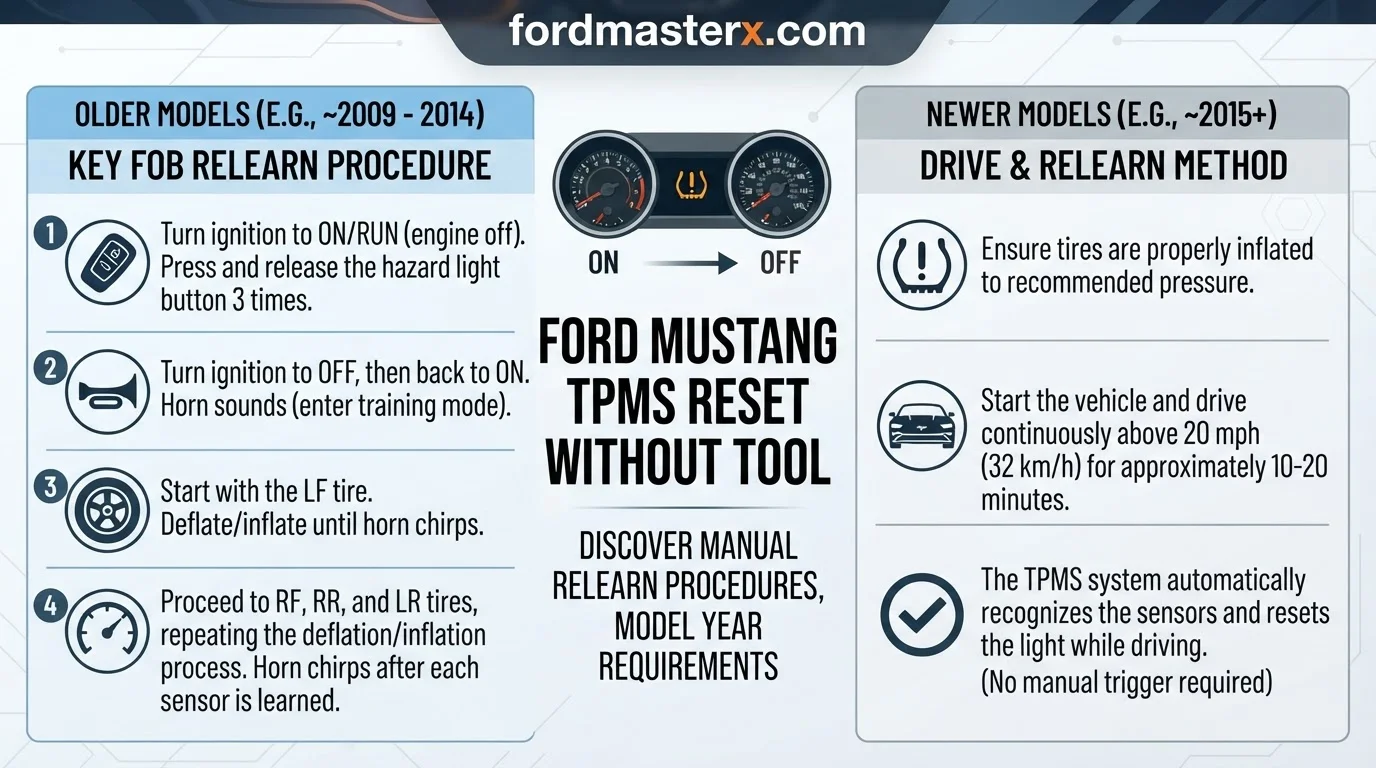
Ford Mustang TPMS Reset Without Tool Main Reference Chart
How to Read This Chart
This chart outlines the sequence for manually triggering the relearn mode on most Ford Mustang models. The “System State” column identifies the phase of the procedure, while “Action Required” defines the physical input necessary, such as brake pedal interaction or ignition cycling. Always ensure tires are set to the exact recommended cold tire pressure listed on your driver-side door jamb before starting.


The “Vehicle Feedback” column indicates how the Mustang acknowledges each step. A single horn chirp confirms the system has successfully entered “Relearn Mode.” Subsequent chirps occur as you adjust the pressure of each tire, verifying that the vehicle has successfully registered the sensor ID. If you do not hear the initial horn chirp, check the ignition state and restart the sequence from the beginning.

Understanding TPMS Warning Signals


The Tire Pressure Monitoring System (TPMS) warning light is typically a glowing horseshoe shape with an exclamation point. If this light remains solid, it indicates one or more of your tires are significantly under-inflated. Always verify pressure with a reliable tire gauge as your first step, as external temperatures can cause natural pressure fluctuations.
If the TPMS light flashes for roughly one minute before turning solid, the system has detected a fault. This usually points to a dead sensor battery or a communication error rather than low pressure. In these instances, the manual reset procedure may fail, and you should consult the troubleshooting section for diagnostic guidance.
Identifying Your Mustang TPMS System Requirements


Determining whether your Ford Mustang supports a manual “no-tool” TPMS reset is contingent on the vehicle’s production year and specific radio frequency hardware. Not all Mustang models possess the onboard firmware required to trigger a relearn sequence via the steering wheel controls or ignition cycles.
Some newer Ford architectures and specific trim levels require an OBDII interface or a dedicated TPMS activation tool to bridge the communication between the sensor and the Body Control Module (BCM). Failing to identify your vehicle’s specific requirements before attempting a reset can lead to system errors or a persistent TPMS warning light.
Locating Your Tire Pressure Placard
The tire pressure placard is your primary reference for accurate PSI settings, which are critical for the TPMS to function correctly without triggering false alerts. On all Ford Mustangs, this sticker is located on the driver-side B-pillar door jamb.
Open the driver’s door and look for the rectangular label near the latch assembly. This placard displays the manufacturer-recommended cold tire pressure for both front and rear tires, along with the correct tire size specifications for your specific vehicle configuration.
Mustangs typically utilize either 315MHz or 433MHz frequencies for tire sensors. Ensure your replacement sensors match the specific frequency assigned to your vehicle’s model year, as these systems are not cross-compatible; using the wrong frequency prevents the BCM from recognizing the sensor ID.
Why Not All Mustangs Support Manual Resets


The transition between TPMS hardware generations is the primary reason some Mustangs require specialized equipment. Older models often utilized simpler, passive-learning systems, while many mid-2010s to current models transitioned to proprietary protocols that necessitate an external trigger tool to force the sensor to broadcast its unique ID code.

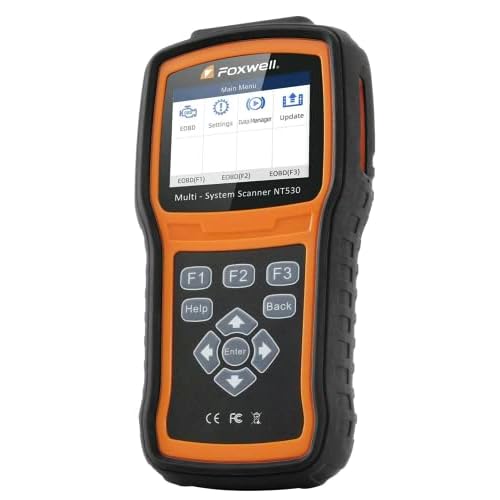

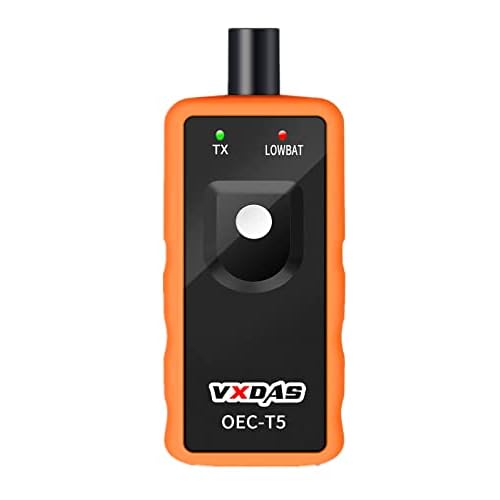
In cases where the vehicle lacks a “Relearn Mode” option in the instrument cluster menu, the BCM is likely locked to manual entry via OBDII. Always verify your specific model year’s technical requirements before assuming a manual procedure is viable, as attempting an incorrect sequence may leave the system in an uninitialized state.
Manual Ford Mustang TPMS Reset Without Tool Procedures
For most Ford Mustang generations, the manual relearn process relies on a specific sequence of ignition cycling and brake pedal manipulation to trigger the training mode. This mode allows the car’s computer to identify the unique ID of each tire pressure sensor via radio frequency signals.
| Tire Position | Action Required | Success Indicator |
|---|---|---|
| Left Front | Deflate/Inflate Tire | Single Horn Chirp |
| Right Front | Deflate/Inflate Tire | Single Horn Chirp |
| Right Rear | Deflate/Inflate Tire | Single Horn Chirp |
| Left Rear | Deflate/Inflate Tire | Double Horn Chirp |
How to Read This Chart
The table above outlines the mandatory sequence for manual TPMS sensor calibration. The “Action Required” column describes the process of releasing air from the tire to trigger the pressure sensor switch. The “Success Indicator” confirms the sensor has been paired with the Mustang’s Body Control Module (BCM).


This procedure applies generally to Mustangs produced between 2005 and 2023. Note that the final “Double Horn Chirp” signifies the completion of the relearn process and that all four sensors are successfully registered. If you do not hear these confirmation chirps, the system has likely failed to capture the sensor ID.
Entering Relearn Mode for S550 Models


To begin the sequence on S550 Mustangs (2015–2023), ensure the ignition is in the OFF position. Press and release the brake pedal once, then cycle the ignition from OFF to ON three times, ending in the ON position. Finally, press and release the brake pedal once more.
Upon success, the horn will sound once and the message center will display “TRAIN LEFT FRONT TIRE.” You may then begin the deflation process at the designated tire. The system remains in this training state until all sensors are registered or the process is manually canceled.
📋
Step-by-Step Guide


Follow the ignition cycle pattern to enter training mode. Wait for the dash display to verify the mode is active before leaving the driver’s seat.
Move to the Left Front tire. Release air for 8–10 seconds. Listen for the horn chirp. If no chirp occurs, add or remove more air pressure.
Proceed clockwise around the vehicle to the next tire. Once the final tire chirps twice, turn the ignition off to save the new configuration.
Handling Sensor Timeout Issues
The TPMS relearn process is time-sensitive. Each tire must be triggered within a specific window, usually around 30 to 60 seconds. Performing the sequence too slowly or hesitating between tires will cause the system to time out, forcing you to restart the entire procedure from the beginning.
Radio frequency interference can also block signals during the process. Large metal objects, nearby high-voltage lines, or even other active tire sensors in close proximity can confuse the BCM. If you encounter consistent failures, move the vehicle to an open area away from other electronic devices.
Troubleshooting Common Ford Mustang TPMS Relearn Failures
When the TPMS reset process fails, it is often due to a misunderstanding of what the warning light is signaling. If you have inflated your tires to the correct factory-specified PSI and the light remains illuminated, you are likely dealing with a sensor communication error rather than a simple low-pressure condition.
Decoding the Flashing TPMS Warning Light
A critical distinction exists between a solid TPMS light and a flashing one. A solid light signifies low pressure in one or more tires. However, if the TPMS light flashes for approximately 60 to 90 seconds before turning solid, this indicates a fault within the system itself.
System faults often stem from a failed sensor or a receiver issue. When the system flashes at startup, it is reporting that it cannot communicate with one or more of the wheel-mounted sensors. In this state, the manual reset procedure will almost always fail because the vehicle cannot “see” the sensor it is trying to register.
Resolving Stuck Sensor IDs
A common mistake among Mustang owners is assuming the internal sensor battery lasts indefinitely. Most TPMS sensor batteries are designed to last between 7 and 10 years. Once these batteries reach the end of their lifecycle, they fail to transmit the radio frequency signal required for the relearn process.
If you encounter a scenario where the light stays on even after inflation, and the system fails to enter or complete the learning mode, the battery may be dead. Without a functioning battery, the sensor becomes a dead weight inside the tire, requiring a physical replacement of the sensor unit to restore system functionality.
Environmental interference can also cause “stuck” IDs. Occasionally, aftermarket electronics or heavy radio interference near the vehicle can prevent the sensor signal from reaching the Mustang’s Body Control Module (BCM). If the reset fails in a specific location, attempt the procedure in a different area to rule out external signal noise.
✨ Key Benefits
Accurate Diagnosis
Differentiating between low pressure and hardware faults saves time by preventing unnecessary inflation attempts on faulty sensors.
System Longevity
Understanding sensor battery lifespan helps you proactively plan for replacements before the entire system stops reporting data.
Advanced Comparison: Manual Reset vs OBDII Tool
How to Read This Chart
This table compares two common ways to sync Mustang TPMS sensors. The “Manual Relearn” column refers to methods using ignition cycling and pedal presses to enter the car’s built-in programming mode. This is a cost-effective choice for standard sensor rotations or air pressure adjustments.
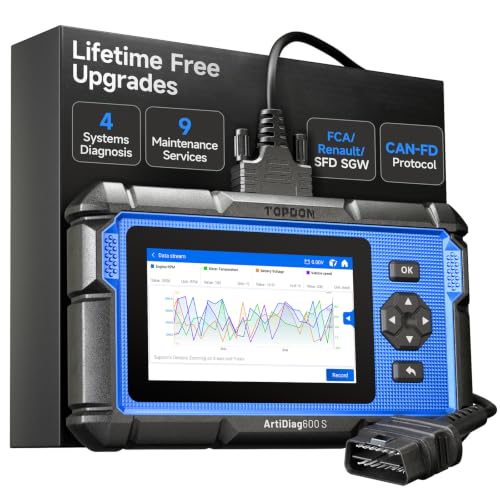
The “OBDII / Dedicated Tool” column represents specialized equipment that sends a radio frequency signal to wake up sensors. Units here refer to dollar costs for the device. While manual methods work for simple resets, the electronic tool is necessary for identifying dead batteries inside sensors or reading unique sensor IDs that the manual process cannot capture.
Advantages of Manual Calibration
The primary advantage of manual calibration is accessibility. Because Ford integrates the relearn protocol into the Mustang’s software, owners do not need to purchase hardware or visit a service center for routine tire rotations. It utilizes the vehicle’s existing communication bus to reset the system.
Manual methods are ideal for DIY enthusiasts who want to save on maintenance costs. Since the procedure is built into the vehicle’s onboard logic, it is available anytime, anywhere, provided the tires are properly inflated. It effectively resolves the dashboard warning light without external interference.
Disadvantages of the No-Tool Approach
The no-tool approach relies heavily on precise timing and sequence. If you miss a step in the pedal cycle, the process fails, requiring you to restart from the beginning. Furthermore, manual methods cannot perform deep system diagnostics, such as checking for individual sensor signal strength or battery health.
If you have a malfunctioning or dead tire sensor, the manual method will consistently fail to complete the relearn process. In these instances, you cannot resolve the issue through sequences alone. You must replace the faulty sensor, which generally requires professional programming via an OBDII diagnostic tool or a dealership visit to pair the new sensor ID to the Mustang’s ECU.
Professional Tips for Mustang Tire Sensor Maintenance
The Tire Pressure Monitoring System (TPMS) in your Ford Mustang relies on electronic sensors attached to the inner valve stems. These components require periodic attention to ensure reliable communication with the vehicle’s ECU. Neglecting the physical condition of these sensors can lead to recurring dashboard warning lights.
Always remember that the TPMS warning light is triggered by physical pressure, not just a system error. Resetting the system without first verifying that each tire is inflated to the manufacturer’s recommended PSI—found on the driver-side door jamb placard—is ineffective. If you reset the monitor while tires remain under-inflated, the warning light will simply return shortly after you begin driving.
Maintaining Sensors During Wheel Swaps
When you transition to aftermarket wheels or swap between summer and winter sets, inspect your TPMS sensors carefully. If you are moving existing sensors to new rims, replace the rubber grommets and valve cores. These small parts often degrade over time, leading to slow air leaks that mimic sensor failure.
Be cautious during the tire mounting process to prevent damage to the sensor housing. Technicians should position the tire machine head so it does not contact the sensor body. If you notice corrosion on the metal valve stems, replace the assembly entirely to avoid a “break-off” failure, which can cause sudden tire deflation.
Best Practices for Seasonal Adjustments
Temperature fluctuations are the most common cause of false TPMS alerts. As outside temperatures drop, the air inside your tires contracts, leading to a significant decrease in pressure. For every 10-degree Fahrenheit drop in ambient temperature, tire pressure typically drops by approximately 1 PSI.
Check your tire pressure once a month and specifically after sudden cold fronts. Use a high-quality digital gauge rather than relying solely on the vehicle’s sensor data. If a specific tire shows a pressure drop significantly faster than the others, it may indicate a slow leak caused by a nail, a faulty valve seal, or a hairline crack in the wheel itself.
Finally, avoid using chemical tire sealants, commonly referred to as “fix-a-flat” sprays. These substances can coat the inside of the sensor, clogging the pressure-sensing port and permanently disabling the unit. If you experience a flat, opt for a professional patch or plug that is properly applied from the inside of the tire.
Key Takeaways
-
✓
Manual resets utilize the vehicle’s internal computer to recognize sensor IDs without external hardware. -
✓
Mustang model years prior to 2015 often require different entry sequences than newer S650 generations. -
✓
Manual procedures offer the advantage of zero cost, though they can be time-consuming compared to OBDII tools. -
✓
Proper tire inflation is the primary requirement before attempting any TPMS reset procedure. -
✓
Troubleshooting common failures often relates to battery degradation within the individual tire sensors.
❓ Frequently Asked Questions
1
What is a Ford Mustang TPMS reset without a tool?
A manual TPMS reset is a process that forces the Mustang’s Body Control Module (BCM) to enter ‘Training Mode.’ This allows the car to listen for the unique signal transmitted by each wheel’s pressure sensor, re-establishing the connection between the sensors and the dashboard monitor without requiring a dedicated OBDII trigger tool.
2
How does manual TPMS resetting work?
The manual method typically involves toggling the ignition switch, pressing the brake pedal, and using the hazard light button in a specific cadence defined by Ford. Once in learning mode, the horn chirps, signaling you to deflate or inflate tires in a specific sequence to register each sensor ID to the computer.
3
Why is performing a TPMS reset important?
Resetting the TPMS is critical whenever you rotate your tires, replace a wheel, or service a sensor. If the system is not reset, the vehicle may display a warning light on the dashboard, or worse, report incorrect pressure data, which compromises your safety and handling performance on the road.
4
What are the benefits of manual resets versus tools?
The main advantage of a manual reset is cost; it requires no investment in proprietary hardware. However, the disadvantage is that it is prone to user error and may not work on older sensors with low internal batteries. Tools provide a more reliable, ‘expert verdict’ diagnostic that verifies sensor battery health simultaneously.
5
How can I get started with a manual reset?
Start by confirming your Mustang’s generation. Locate the ‘Settings’ menu on your dashboard or identify your ignition key sequence requirements. Ensure you are in a safe, flat area, inflate tires to the door-jamb specification, and follow the specific step-by-step sequence outlined in your owner’s manual or this guide.
6
Why does my TPMS light stay on after adding air?
Explaining that the sensor may not have updated, or the system requires a manual relearn procedure to register the new pressure levels.