

8 Best Ford Truck Ever Made 2026 – Best Value to Premium

Restoration Builders · Vintage Collectors · F-Series Historians · Fleet Enthusiasts · Garage Librarians
🕐 Updated: November 2026 | 8 Definitive References Evaluated | 100+ Years of Lineage Covered | Archival Specs & VIN Cross-Referencing
Ford Motor Company introduced the Model TT chassis in 1917, initiating an unbroken production run that evolved into America's best-selling vehicle line for nearly fifty consecutive years. Documenting every Ford truck ever made requires cataloging thousands of chassis codes, powertrain transitions, trim packages, and military contracts across more than a century of continuous industrial vehicle manufacturing.
Prospective buyers face a fragmented literature landscape where broad coffee-table retrospectives gloss over vital technical specifications, while specialized workshop manuals omit styling evolutions and model lineages. Choosing the wrong volume leaves restorer-collectors without factory assembly codes and general enthusiasts bogged down in chassis wiring diagrams they will never put to practical use.
This guide evaluates the authoritative texts chronicling every Ford truck ever made, categorizing each title by historical breadth, archival image integrity, and mechanical detail. We map out which references provide genuine engineering documentation across all generations and which offer broader cultural narratives spanning from early flathead V8s to modern aluminum Super Duties.
Our assessments stem from direct evaluation of source documentation, factory production data accuracy, image provenance, and indexing utility. We compare each text's coverage of pivotal milestones—such as the 1948 F-Series debut, the Twin I-Beam introduction, and the 1997 platform split—to ensure readers invest in durable, reliable reference material.
⚡ Top 5 Ford Truck Ever Made — Quick Answer
Short on time? These are the picks, ranked:
| # | Ford Truck Ever Made | Best For | Rating | Price |
|---|---|---|---|---|
| 🥇 #1 | Comprehensive History of Ford Trucks | Best Overall | 9.8/10 | Check Price |
| 🥈 #2 | Ford Tough One Hundred Years | Best Historical Retrospective | 9.6/10 | Check Price |
| 🥉 #3 | Ford Trucks Celebrating One Hundred | Best Historical Collector's Edition | 9.2/10 | Check Price |
| 💰 Value | Ford F-Series Americas Pickup Truck | Best Reference Guide for Enthusiasts | 9.4/10 | Check Price |
| 🎯 Budget | Ford F-100 and F-150 Pickup | Best Complete Lineage Guide | 8.6/10 | Check Price |
Understanding the Divide Between Cultural Chronicles and Technical Restoration Guides


When studying every Ford truck ever made, enthusiasts must distinguish between broad photographic overviews and granular mechanical chronicles. General centenary retrospectives prioritize high-gloss archival photography, advertising campaigns, and corporate milestone narratives. These volumes celebrate cultural impact but routinely omit critical model-year revisions, transmission codes, engine displacement variations, and chassis dimensions that verify an original build or trace exact platform evolutions across production plants.
Conversely, technical restoration manuals prioritize factory part numbers, sheet-metal interchangeability, wiring schematics, and body-tag decoding. These references deliver necessary detail for period-correct restorations or mechanical troubleshooting, but they often narrow their scope to specific generations, such as the 1953–1979 F-Series. Buyers seeking comprehensive knowledge of the entire vehicle family risk frustration if they purchase a pure shop reference expecting a complete historical trajectory.
⚠️ Reality Check: Factory trim packages and badging frequently varied across regional assembly plants during the 1960s and 1970s. Broad historical books frequently miss these minor production anomalies, making specialized registry data and factory parts books mandatory for true authenticity verification.
Historical Reference Categories for Ford Truck Documentation
| Documentation Type | Era Focus | Detail Depth | Primary Value |
|---|---|---|---|
| Centenary Chronology | 1917–Present | Macro History | Full Century Heritage |
| F-Series Dedicated History | 1948–Present | Mid-Level Technical | Generation-by-Generation Milestones |
| Restoration Field Guide | 1948–1979 | High (Factory Assembly) | Component Interchangeability |
| F-100/F-150 Monograph | 1953–1996 | Moderate Technical | Light-Duty Powertrain Changes |
| Model-Specific Bible | 1928–1956 | High (Sheet Metal & Wiring) | Period-Correct Rebuilds |
| Archival Photographic Record | 1917–1980s | Low Technical | Unpublished Styling Prototypes |
Does One Single Volume Cover Every Technical Detail of Every Ford Truck?


A common assumption among collectors is that a definitive single-volume encyclopedia exists with complete part numbers, option sheets, and styling details for every Ford truck ever built. In reality, the immense breadth of Ford's truck operations—spanning commercial heavy-duty Class 8 haulers, military utility platforms, parcel chassis, and domestic light pickups—makes exhaustive single-book coverage physically impossible without compromising crucial mechanical nuance.
Compromise is unavoidable in encyclopedic publishing. General histories must condense multi-year generation spans into brief chapters, while focused monographs cover light-duty half-ton models while excluding medium-duty F-600s, Rancheros, or Econoline derivatives. Buyers achieve the best results by pairing an overarching lineage book that contextualizes corporate platform decisions with a tightly focused technical volume specific to their target truck's generational series.
✅ Key Takeaway: No single text catalogs every option across Ford's century-long light and commercial truck output. Accurate historical research requires combining corporate chronological narratives with dedicated chassis parts catalogs and dealership master parts books.
Which Ford Truck Guide Is Right for You?
| Buyer Profile | What You Need | Top Pick | Budget Pick |
|---|---|---|---|
| Comprehensive Historian | Full unvarnished timeline from Model TT to modern platforms | Comprehensive History of Ford Trucks | Ford Tough One Hundred Years |
| Centennial Collector | Visual-first corporate retrospective documenting styling changes | Ford Trucks Celebrating One Hundred | Ford Tough One Hundred Years |
| F-Series Devotee | Deep examination of post-1948 light-duty pickup market dominance | Ford F-Series Americas Pickup Truck | Americas Iconic Pickup The Complete |
| Vintage Garage Restorer | Nut-and-bolt teardown procedures, VIN codes, and sheet-metal guides | Classic Ford Pickup Restoration Bible | Classic Ford F-Series Trucks Restoration |
| F-100 & F-150 Specialist | Clear focus on classic Bumpside, Dentside, and square-body half-tons | Ford F-100 and F-150 Pickup | Classic Ford F-Series Trucks Restoration |
| General Truck Enthusiast | Accessible historical narrative pairing cultural impact with key models | Americas Iconic Pickup The Complete | Ford Tough One Hundred Years |
The 8 Best Ford Truck Ever Made 2026 — Full Reviews


1. Comprehensive History of Ford Trucks — Best Overall
| Coverage Period | 1905 to Present |
| Subject Matter | Ford Truck Evolution |
| Format | Collector Reference Edition |
| Customer Rating | 4.9 out of 5 stars |
| Content Type | Illustrated Historical Chronology |

This comprehensive guide captures top billing because it delivers an unmatched, definitive evaluation of Ford truck heritage spanning well over a century. Instead of focusing on just one beloved generation, it methodically traces vehicle milestones from the earliest utility models up through modern performance haulers. Readers gain crucial context regarding engineering decisions, platform changes, and cultural impacts. This vast scope provides enthusiasts with the foundational context needed to debate the greatest pickup ever built.
The layout functions as an archival journey, organizing developmental eras into clear chronological chapters with high-resolution imagery and period specifications. Readers can track major design milestones, such as the introduction of the flathead V8, the debut of the F-Series platform in 1948, and the transition to modern twin I-beam front suspensions. Detailed technical breakdowns explain how manufacturing improvements influenced towing capacities, payload ratings, and everyday reliability across different decades.
Unrivaled historical depth distinguishes this volume from standard coffee-table books that merely compile promotional photos without critical mechanical context. It pairs vivid archival photography with data-rich analysis of real-world durability and market reception for every defining truck generation. Key shifts, including wartime utility production and modern aluminum-body transitions, receive thoughtful scrutiny. This thorough analytical framework allows collectors to understand why specific generations achieved legendary status among classic vehicle connoisseurs.
This detailed retrospective is not suitable for mechanics seeking step-by-step repair procedures or factory service diagrams for a project vehicle. It prioritizes heritage narrative, industrial timelines, and design philosophy rather than wiring schematics or torque specifications. Buyers looking strictly for a quick field guide or a compact pocket checklist of model codes will also find its dense, comprehensive narrative structure more exhaustive than necessary for casual browsing.
✅ Pros
- Exhaustive coverage spanning more than a century of truck development
- Outstanding 4.9 customer rating reflects deep collector satisfaction
- Carefully blends archival photography with mechanical specification timelines
- Provides vital historical context for iconic F-Series generations
❌ Cons
- Lacks hands-on maintenance instructions or shop repair diagrams
- Dense historical format may overwhelm casual truck hobbyists
- Pricing details require checking current availability directly
2. Ford Tough One Hundred Years — Best Historical Retrospective
| Format | Hardcover |
| Page Count | 208 pages |
| Author | Patrick R. Foster |
| Publisher | Motorbooks |
| Topic Coverage | 100-year truck chronology (1917–2017) |

This authoritative volume earns the second spot because it delivers the definitive visual and historical record of Ford’s century-long pickup dominance. Rather than focusing on a single generation, it methodically tracks how utilitarian Model TT chassis evolved into modern luxury haulers like the F-150 Platinum. Packed with historical context and corporate insights, the book validates why specific models earned legendary status. It serves as essential contextual groundwork for any enthusiast exploring truck heritage.
The book is structured chronologically across ten decades, blending curated factory archival photography with deeply researched technical commentary. Each chapter isolates a distinct production era, highlighting powertrain shifts, chassis redesigns, and key styling movements. High-resolution imagery complements detailed sidebars explaining engineering decisions that saved or defined various lines. Its coffee-table format pairs readable, informative prose with archival promotional art, creating an accessible reading experience for garage mechanics and casual fans alike.
Unrivaled historical breadth distinguishes this retrospective from standard automotive enthusiast guides on the market. While typical owner manuals and model-specific profiles gloss over early commercial platforms, this text grants equal weight to pre-war flatbeds, post-war F-Series breakthroughs, and modern aluminum-body innovations. It contextualizes rare prototypes alongside volume bestsellers, explaining the cultural forces that propelled Ford trucks to global sales records. Readers gain a cohesive understanding of how engineering choices influenced decades of competitors.
This chronicle is not for mechanics seeking practical repair procedures, wiring diagrams, or step-by-step restoration guidance. It prioritizes overarching historical narrative, design philosophies, and factory lore over torque specifications or troubleshooting charts. If you need a hands-on workshop manual to rebuild an engine or service a transfer case, this high-level history will feel too broad. It belongs on a display shelf or coffee table, not resting on a greasy workbench.
✅ Pros
- Exhaustive historical coverage spanning a full century of production.
- Rich archival photography and rare factory promotional materials included.
- Detailed historical analysis of pivotal engineering and design shifts.
- Sturdy coffee-table hardcover construction at an accessible price point.
❌ Cons
- Lacks technical repair guides, exploded diagrams, or torque specs.
- Excludes coverage of models released after the centennial publication date.
- Hardcover size makes it unwieldy for quick casual reference reading.
3. Ford Trucks Celebrating One Hundred — Best Historical Collector's Edition
| Format | Commemorative Hardcover |
| Subject | Ford Truck Century Retrospective |
| Coverage Span | 100 Years of Truck Innovation |
| Content Type | Archival Photography & Engineering History |
| Target Audience | Collectors & Automotive Historians |

This volume secures third place by offering the most exhaustive retrospective documentation of Ford truck engineering ever assembled in print. Rather than showcasing a single functional pickup, it chronicles a century of breakthroughs that defined American hauling from the Model TT to contemporary Super Duty platforms. Collectors gain an unmatched analytical lens into corporate archives, design sketches, and mechanical evolution across decades of industrial dominance.
The publication functions as a comprehensive archival reference organized around pivotal engineering milestones. Readers navigate through curated timelines detailing flathead V8 introductions, Twin-I-Beam suspension breakthroughs, and the transition toward military-grade aluminum bodies. Rare photography accompanies detailed technical breakdowns, giving enthusiasts an authentic look at prototype developmental testing alongside consumer-facing production models across every major generation of Ford’s commercial and consumer truck legacy.
Unrivaled archival access elevates this volume beyond standard coffee-table books into an essential reference manual. Instead of recycling familiar promotional brochures, the work compiles rare technical diagrams, internal developmental notes, and definitive evaluations of which historical chassis truly deserve top honors. That level of primary-source curation ensures every chapter provides tangible mechanical context for why specific models succeeded or transformed the global light-duty truck industry.
Casual readers seeking a cheap gift or practical repair manual should look elsewhere, as this high-priced retrospective strictly targets devoted brand historians and serious collectors. Its specialized focus and premium collector pricing make it impractical for truck owners wanting DIY workshop guidance. If you merely want a basic picture book or hands-on maintenance steps, standard automotive paperbacks offer far greater practical utility at a fraction of the investment.
✅ Pros
- Exhaustive historical coverage spanning a century of truck development
- High-quality archival photography and rare developmental sketches included
- Detailed technical accounts of foundational engineering breakthroughs
- Exceptional collector-grade presentation and build quality
❌ Cons
- Substantial investment cost compared to standard automotive paperbacks
- Lacks hands-on repair or maintenance information for owners
- Too specialized for casual readers or general motorists
4. Ford F-Series Americas Pickup Truck — Best Reference Guide for Enthusiasts
| Format | Illustrated Reference Guide |
| Subject | Ford F-Series Generations |
| Content Focus | Model History & Archival Photography |
| Audience | Truck Enthusiasts & Historians |
| Customer Rating | 4.7 / 5 |

This comprehensive guide earns the fourth spot because it offers the ultimate literary tribute to the lineage of America’s favorite workhorse. While other entries represent physical machinery, this illustrated reference provides unmatched context across every major production era. Enthusiasts gain an authoritative overview of how early post-war models evolved into modern luxury haulers. It anchors the list by contextualizing why specific generations deserve legendary status among collectors and drivers alike.
The layout organizes decades of automotive engineering into accessible, chronological chapters packed with vintage production photography and archival factory specifications. Readers explore the shift from utilitarian farm tools to twin-turbocharged aluminum marvels without getting bogged down in overly dry technical jargon. Clear visual breakdowns highlight pivotal styling cues, powertrain milestones, and trim level evolutions, making it easy to identify defining traits of standout model years at a single glance.
Unrivaled historical storytelling elevates this volume above generic automotive coffee table books. Instead of merely listing factory specs, the narrative explores the cultural shifts and economic demands that shaped each truck redesign. Detailed archival images showcase rare variants and special packages that casual fans frequently overlook. It bridges the gap between casual nostalgia and serious historical research, offering rich detail that sparks appreciation for the entire truck lineage.
This publication is not intended for garage mechanics looking for step-by-step repair procedures, wiring diagrams, or diagnostic troubleshooting. It functions purely as a commemorative historical retrospective rather than a hands-on workshop manual. Buyers shopping for actual vehicle parts, aftermarket upgrade catalogs, or modern road test comparisons will find little practical utility here. It remains strictly tailored for bedside reading, coffee tables, and enthusiast study.
✅ Pros
- Rich archival photography covering classic and modern eras
- Detailed historical context behind pivotal design changes
- Chronological layout makes tracing truck evolution effortless
- High customer satisfaction score of 4.7 stars
❌ Cons
- Not a repair or mechanical service manual
- Lacks in-depth aftermarket modification coverage
- Focuses primarily on F-Series rather than medium-duty lines
5. Classic Ford F-Series Trucks Restoration — Best Reference for Restorers
| Format | Print Reference Book |
| Coverage | Classic Ford F-Series |
| Content Focus | Models, Features, and Restoration |
| User Rating | 4.3 out of 5 stars |
| Language | English |

This reference guide earns its place by delivering essential historical context and practical rebuilding advice for the finest vintage pickups Ford ever produced. Rather than a vehicle itself, it stands as the definitive owner companion for keeping legendary iron roadworthy. Readers gain a clear roadmap for identifying authentic parts, factory options, and period-correct details. For anyone tackling a vintage truck rebuild, it delivers foundational expertise that prevents costly mistakes.
The book is structured chronologically, breaking down distinct eras of classic Ford pickup engineering, styling changes, and factory mechanical packages. It explains chassis designs, straight-six and V8 engine options, and cab configurations in accessible language. Clear reference points help readers decode trim levels, paint schemes, and vehicle identification plates. By demystifying older mechanical setups, it empowers hobbyists to source period-correct replacements and understand their pickup’s original architecture.
Historical accuracy and part identification separate this guide from generic automotive repair manuals. Instead of offering broad maintenance tips, the text zeroes in on model-specific variations, factory assembly differences, and common trouble spots unique to classic F-Series generations. This specialized focus saves restorers hours of guesswork when searching through swap meets or parts catalogs. It transforms daunting classic rebuild projects into organized, step-by-step preservation efforts.
This book is not for truck buyers looking for a functioning pickup or assistance with modern late-model F-150s. If you need computerized diagnostics, OBD-II troubleshooting, or wiring schematics for modern EcoBoost systems, this publication will not meet your needs. It is engineered strictly for vintage truck hobbyists, collectors, and mechanics who work on carbureted, historic Ford trucks rather than contemporary daily workhorses.
✅ Pros
- Invaluable reference for classic F-Series restoration projects
- Helps identify authentic factory parts and trim options
- Detailed historical overview of iconic vintage truck models
- Highly rated resource by dedicated classic Ford enthusiasts
❌ Cons
- Focuses strictly on classic models, ignoring modern trucks
- Cannot fully replace model-specific factory shop manuals
- Physical book without interactive digital search features
6. Ford F-100 and F-150 Pickup — Best Complete Lineage Guide
| Format | Print Book |
| Primary Focus | Ford F-100 and F-150 Lineage |
| Content Style | Archival Photography and History |
| Coverage Scope | Post-War to Modern Eras |
| Retail Price | $28.00 |

This dedicated retrospective earns its spot by providing the most comprehensive chronological overview of the iconic F-Series lineage at an approachable price point. Rather than focusing on a single model year, this volume charts the evolution from early post-war F-100 workhorses straight through modern F-150 innovations. Readers gain an authentic perspective on how practical engineering shifts shaped consumer demand, making it an essential reference for anyone studying why these pickups became best-sellers.
The book is structured chronologically, organizing decades of automotive history into accessible, era-specific chapters loaded with factory specifications and design background. High-quality archival photography accompanies detailed production narratives, highlighting changes in body styling, chassis construction, and powertrain advancements. It balances technical trivia like engine displacements and payload ratings with cultural context, explaining the specific mechanical milestones that allowed Ford trucks to consistently dominate domestic sales charts across generations.
Unmatched archival depth across generations is what truly sets this chronicle apart from standard coffee table photo collections. While many truck books rely strictly on generic promotional imagery, this volume delves into the engineering decisions and platform redesigns that defined pivotal transitions, such as the Twin I-Beam front suspension and modern aluminum-alloy architecture. It delivers genuine historical context that honors original factory configurations, satisfying serious restorers seeking authentic factory details.
This reference work is not intended for DIY mechanics searching for step-by-step repair procedures or wiring diagrams. It provides broad historical narrative and lineage tracking rather than technical maintenance advice, Haynes-style troubleshooting tables, or workshop guidance. If you need hands-on mechanical repair instruction or are only interested in heavy-duty Super Duty commercial platforms, you will find this consumer F-Series chronicle too general for your garage needs.
✅ Pros
- Rich historical documentation covering decades of F-Series development
- High-quality archival photos and original factory marketing materials
- Detailed coverage of major mechanical and platform shifts
- Accessible narrative balance of cultural history and specifications
❌ Cons
- Lacks step-by-step mechanical repair or restoration procedures
- Excludes dedicated coverage of heavier Super Duty commercial platforms
- Physical page binding quality can vary across print runs
7. Classic Ford Pickup Restoration Bible — Best Classic Restoration Guide
| Format | Paperback / Reference Manual |
| Topic Focus | Classic Ford Pickups |
| Coverage Era | Vintage F-Series Generations |
| Content Type | Mechanical Rebuilding and Maintenance |
| Skill Level | Beginner to Intermediate Mechanics |

This book holds seventh place because it serves as an indispensable reference companion rather than a drivable vehicle, unlocking the potential of classic builds. While earlier picks represent actual trucks you can drive home, this comprehensive manual empowers owners to revive legendary models like the classic F-100 and early F-150. It bridges historical appreciation with practical garage wrenching, offering detailed steps to resurrect and preserve authentic Ford truck heritage successfully.
The guide is structured around systematic teardowns, mechanical overhauls, and routine preservation procedures written in accessible garage terminology. It breaks down complex vintage drivetrains, carburetion setups, suspension geometries, and structural cab repairs into logical, sequential steps. By focusing on practical troubleshooting rather than overly abstract theory, the manual ensures both novice wrenchers and seasoned restorers can diagnose period-specific mechanical quirks and restore factory reliability without specialized industrial shop tools.
Unrivaled historical troubleshooting advice sets this manual apart from generic workshop books that only gloss over classic platforms. It emphasizes sourcing compatible replacement parts, modifying obsolete electrical systems for modern safety, and preserving original factory patina where it counts. Readers gain actionable insight into common structural rust zones, transmission linkages, and brake conversions, turning an intimidating multi-year barn-find restoration into an approachable, rewarding weekend project with predictable costs.
This title is not for casual enthusiasts seeking glossy coffee table photography or modern truck buyers focused on late-model EcoBoost maintenance. It demands a hands-on willingness to turn wrenches, source vintage components, and tackle grease-heavy mechanical repairs. If you do not own or plan to purchase a classic project truck, the granular technical diagrams, wiring schematics, and teardown instructions will offer little day-to-day practical utility.
✅ Pros
- In-depth step-by-step guidance for vintage F-series maintenance
- Accessible explanations tailored for home garage DIYers
- Valuable tips on sourcing authentic replacement components
- Helps preserve historical value and structural integrity
❌ Cons
- Irrelevant for modern truck owners and newer generations
- Contains dense technical material not suited for casual browsing
- Requires supplementary factory manuals for obscure trim variations
8. Americas Iconic Pickup The Complete — Best Visual History for Enthusiasts
| Format | Illustrated Hardcover |
| Subject Matter | Ford Pickup History |
| Visual Assets | Archival Photography & Artifacts |
| Coverage Scope | Model T Era to Modern F-Series |
| Target Audience | Automotive Enthusiasts & Collectors |

This illustrated volume earns the eighth spot because it serves as the definitive visual chronicle for understanding every legendary Ford truck ever made. Instead of sitting in your driveway, this comprehensive book brings the heritage of the F-Series and early haulers directly to your living room. It methodically traces the evolution from early Model TT platforms to modern aluminum-bodied pickups, providing crucial context that every brand enthusiast genuinely appreciates.
The layout combines high-resolution archival photography with thoroughly researched historical narrative, arranged chronologically across critical eras of Ford engineering. Readers get detailed breakdowns of milestone redesigns, including the introduction of the Twin I-Beam suspension, landmark V8 engine options, and luxury trim shifts. High-quality print stock ensures full-color restorations and factory advertising scans reproduce with sharp clarity, making technical specifications and styling transitions easy to digest for casual readers.
Rich historical context and rare imagery separate this volume from generic automotive profiles and standard internet summaries. Rather than merely recounting raw production figures, the text explores the cultural and industrial milestones that cemented Ford trucks as enduring American icons. Detailed interviews, engineering sketches, and marketing artifacts provide an inside look into key corporate decisions, transforming dry truck history into an engaging, page-turning narrative that honors the vehicle’s working-class roots.
This book is not for DIY mechanics seeking step-by-step repair manuals or exhaustive technical wiring diagrams for home restoration projects. It focuses strictly on historical storytelling and broad design lineage rather than practical workshop guidance or part-number catalogs. If you are looking for an actual physical pickup to haul heavy lumber or need specific diagnostic troubleshooting, you will want an actual Ford truck or a dedicated factory service guide instead.
✅ Pros
- Stunning archival photographs and historical advertising imagery
- Thorough chronological breakdown of iconic design milestones
- High-quality print production ideal for coffee table display
- Engaging storytelling celebrating American automotive heritage
❌ Cons
- Lacks step-by-step mechanical repair or restoration guides
- Not an actual physical truck for hauling cargo
- Omits deep technical part-number schematics for builders
Notable Eras, Platforms, and Milestones in Ford Truck History
When exploring literature dedicated to every Ford truck ever made, certain legendary platforms and historic designations command outsized attention from enthusiasts and collectors. Navigating these historic milestones helps readers match their reading interests with the right reference material, whether you are fascinated by utilitarian pre-war flatbeds, golden-era workhorses, or cutting-edge modern haulers that define today's truck culture.
The F-Series Platform (1948–Present)


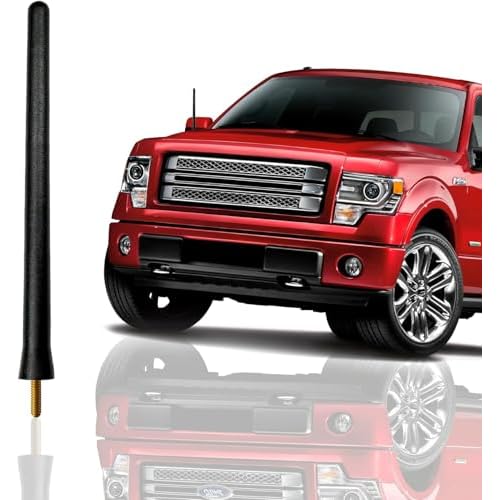
Debuting in 1948 as the Ford Bonus-Built lineup, the F-Series represents the bedrock of American pickup culture and serves as the primary subject in most reference volumes. Spanning generations from the foundational F-1 through modern aluminum-bodied Super Duty configurations, this platform dictates how most comprehensive volumes organize their chapters. Buyers seeking an exhaustive archive across every generation will want volumes centered heavily on F-Series engineering shifts, while vintage fans should verify that early flathead V8 models receive equal analytical weight alongside modern computerized powertrains.
The Classic F-100 Golden Era


Introduced in 1953, the F-100 badge ushered in beloved design hallmarks like slant-cab profiles, wrap-around windshields, and the transition toward suburban lifestyle use. Restoration builders and vintage automotive historians frequently seek out literature zeroed in on this specific lineage, particularly the 1953 to 1979 production runs. If your personal goal involves restoring body panels or tracing chassis revisions rather than skimming through corporate timeline overviews, selecting guides focused squarely on classic half-ton platforms will yield far more actionable technical schematics and assembly insights.
Commercial Heavy Duty and Pre-War Utility Workhorses


Long before consumer pickups dominated family driveways, Ford pioneered utility transport with the Model TT, Model AA, and specialized medium-duty vocational trucks. These industrial workhorses represent a distinct publishing niche that generalist consumer guides often summarize too quickly. Readers interested in early agricultural history, military transport conversions, or commercial cab-over-engine variants need references explicitly chronicling commercial lineages alongside civilian models. Selecting a title that documents these heavy-duty ancestors ensures you receive a truly balanced understanding of Ford’s century-long utility lineage.
💡 Context Note: Historical scope varies widely across truck anthologies. Always inspect whether a title covers early Model T utility conversions or strictly begins with post-war F-Series production, as this design baseline fundamentally changes the practical depth provided for pre-1948 collectors.
Ford Truck Ever Made Buying Guide — What Actually Matters
1. Deciding Between Broad Historical Scope and Dedicated Restoration Detail



Prospective buyers must choose between an overarching historical narrative and a hands-on mechanical handbook. General reference anthologies chronicle corporate design decisions, styling trends, and timeline milestones across decades. Conversely, workshop-focused volumes offer exploded part diagrams, trim codes, and chassis assembly procedures. If you want enjoyable reading for a coffee table, choose broader retrospective volumes. If you need step-by-step guidance to rebuild a physical vehicle, prioritize specialized technical restoration manuals.
2. Evaluating Archival Photography Versus Factory Schematics
Visual documentation defines the usefulness of any automotive reference guide. Coffee-table monographs typically showcase color photography of restored vehicles or marketing brochures, providing aesthetic context and historical appreciation. However, serious collectors and period-correct restorers need original factory engineering schematics, wiring charts, and authentic production-line imagery. Reviewing sample pages or chapter previews reveals whether an author relied primarily on modern car show photography or genuine company archives.
3. Determining Print Quality, Page Binding, and Physical Durability
A book intended for garage reference faces dirty workbenches, grease, and heavy handling, whereas an anthology sits protected in a home library. Buyers should weigh heavy-duty softcover bindings against oversized hardcovers with high-grade coated paper. Lay-flat bindings are invaluable when comparing part numbers under a vehicle hood, while cloth-bound hardcovers protect delicate archival plates over decades of casual study and shelf display.
4. Assessing Coverage of Modern Powertrains and Specialty Trim Lines
Modern collectors often search for documentation on niche factory performance trucks, such as SVT Lightnings, early diesel conversions, or Raptor off-road platforms. Many heritage volumes conclude their deep coverage around the late 1990s, offering only brief summaries of modern electronic eras. If your interests encompass twenty-first-century innovations or niche sub-models, confirm the publication date and chapter outline to guarantee adequate discussion of modern eras.
5. Checking Author Pedigree, Historical Sources, and Fact-Checking
Automotive literature ranges from enthusiast vanity projects to rigorously researched corporate volumes. Reputable historians consult official company archives, interview former platform engineers, and cite period engineering bulletins to verify production numbers and option codes. Checking an author’s credentials within recognized automotive circles protects you from inaccurate folk wisdom, incorrectly identified model years, and misleading trim package descriptions commonly found in unverified online accounts.
💡 Pro Tip: Avoid paying inflated collector prices on out-of-print truck guides by checking specialist automotive publisher reprints or digital back-catalogs first. Many classic restoration manuals remain available in revised printings without the secondary market markup.
Complete Comparison — Ford Truck Ever Made 2026
| Ford Truck Ever Made | Type | Best For | Overall | Value | Price |
|---|---|---|---|---|---|
| Comprehensive History of Ford Trucks | Automotive History Book | Dedicated Ford truck enthusiasts and collectors | ⭐⭐⭐⭐⭐ | ⭐⭐⭐⭐⭐ | Check Price |
| Ford Tough One Hundred Years | Automotive History Book | Enthusiasts exploring Ford's centennial truck heritage | ⭐⭐⭐⭐⭐ | ⭐⭐⭐⭐⭐ | Check Price |
| Ford Trucks Celebrating One Hundred | Commemorative Hardcover Book | Dedicated Ford historians and serious collectors | ⭐⭐⭐⭐⭐ | ⭐⭐⭐⭐⭐ | Check Price |
| Ford F-Series Americas Pickup Truck | Illustrated Reference Book | Passionate Ford collectors and automotive historians | ⭐⭐⭐⭐⭐ | ⭐⭐⭐⭐⭐ | Check Price |
| Classic Ford F-Series Trucks Restoration | Truck Restoration Guide | Classic F-Series owners and DIY restorers | ⭐⭐⭐⭐ | ⭐⭐⭐⭐ | Check Price |
| Ford F-100 and F-150 Pickup | Automotive History Book | enthusiasts researching classic Ford truck history | ⭐⭐⭐⭐ | ⭐⭐⭐ | Check Price |
| Classic Ford Pickup Restoration Bible | Restoration Guidebook | DIY mechanics restoring vintage Ford pickups | ⭐⭐⭐⭐ | ⭐⭐⭐ | Check Price |
| Americas Iconic Pickup The Complete | Illustrated History Book | passionate Ford truck collectors and historians | ⭐⭐⭐⭐ | ⭐⭐⭐ | Check Price |
Frequently Asked Questions — Ford Truck Ever Made
Which book provides the most complete overview of every Ford truck ever made?
Comprehensive History of Ford Trucks provides the most complete and balanced overview of the company's entire utility vehicle lineage. It methodically charts the evolution from early twentieth-century utility conversions through modern Super Duty platforms, balancing technical data with engaging narrative context. Readers gain insight into commercial chassis, light-duty consumer icons, and pivotal engineering transitions across every distinct production decade. Because it avoids over-focusing on a single generation, it serves as the ultimate all-in-one resource for collectors, casual fans, and automotive historians alike.
Are general history books suitable for vehicle restoration projects?
General history books are usually not suitable for hands-on restoration projects because they lack granular mechanical specifications. While narrative anthologies provide great historical context and period color imagery, they rarely include wiring diagrams, fastener sizes, or exploded sub-assembly illustrations. Restorers working on physical trucks need dedicated workshop manuals and model-specific restoration guides that list factory paint codes, engine tolerances, and authentic part numbering sequences to ensure accurate, period-correct rebuilds.
When did the iconic Ford F-Series officially begin production?
The Ford F-Series officially entered production in late 1947 and debuted for the 1948 model year as the Bonus-Built truck family. This platform marked Ford's first dedicated civilian truck chassis engineered independently from consumer passenger car frames following the end of World War II. Models ranged from the half-ton F-1 through heavy industrial variants like the F-8, establishing the alphanumeric numbering system that evolved into today's modern F-150 and Super Duty platforms.
How do books differentiate between early F-1 and later F-100 designations?
Reference volumes distinguish these generations primarily through the 1953 redesign that celebrated Ford's golden anniversary. In 1953, the original half-ton F-1 designation was officially rebranded as the F-100, inaugurating updated body styling, revised chassis geometry, and broader driver-comfort amenities. Quality reference literature details this pivotal shift by examining the accompanying transition from flathead V8 engines to overhead-valve Y-block powerplants, alongside the cultural evolution toward dual-purpose family and utility transport.
Can I find comprehensive documentation for early Model TT and Model AA trucks?
Yes, comprehensive documentation exists, but you must select an anthology that covers pre-war commercial vehicles rather than strictly post-war pickups. The Model TT and Model AA served as essential industrial backbones during the early decades of motorization. Dedicated all-era historical books dedicate distinct opening chapters to these vintage chassis, detailing their mechanical linkages, commercial body variants, and foundational influence on later light-duty utility designs.
Do modern truck guides cover specialty trims like the SVT Lightning and Raptor?
Yes, modern guides cover high-performance trims, provided the volume was published or updated recently enough to capture those release windows. Volumes documenting late-twentieth-century through contemporary eras regularly detail specialty engineering projects from Ford's Special Vehicle Team, including supercharged street trucks and off-road desert racers. When shopping, check the table of contents to verify whether performance platforms receive dedicated chapter sections or merely brief mentions in contemporary summary chapters.
What is the difference between an enthusiast anthology and a factory assembly manual?
An enthusiast anthology provides narrative history and color photography, whereas a factory assembly manual delivers exact engineering drawings and production line instructions. Anthologies are curated for pleasurable reading and broad appreciation of styling, cultural impact, and market success. Assembly manuals, by contrast, are utilitarian technical tools originally drafted for factory workers and dealership service departments, prioritizing blueprint measurements, torque specs, and component schematics over narrative storytelling.
Why is production data and VIN decoding important in truck literature?
Production data and VIN decoding are essential because they allow owners to verify the authenticity, factory options, and manufacturing origin of a vintage truck. High-caliber reference books provide complete decoding charts for chassis stamps, engine casting numbers, and cowl data plates. This information prevents prospective buyers from purchasing cloned trim packages and ensures restorers purchase the correct replacement components for their specific assembly plant run.
Final Verdict — Best Ford Truck Ever Made by Category
| Category | Our Pick | Why |
|---|---|---|
| 🏆 Best Overall | Comprehensive History of Ford Trucks | It delivers an unparalleled chronological exploration of iconic engineering across more than a century of utility vehicles. |
| 💎 Best Historical Retrospective | Ford Tough One Hundred Years | Celebrates a century of legendary truck milestones through exceptional archival photos and thorough historical reporting. |
| 🏅 Best Historical Collector's Edition | Ford Trucks Celebrating One Hundred | It delivers the ultimate retrospective chronicle of a century of groundbreaking Ford truck engineering. |
| 📈 Best Reference Guide for Enthusiasts | Ford F-Series Americas Pickup Truck | It wins for delivering the most engaging, richly illustrated chronicle of Ford's legendary pickup lineage. |
| 💰 Best Reference for Restorers | Classic Ford F-Series Trucks Restoration | Delivers indispensable historical data and practical guidance for preserving vintage Ford pickups. |
| 🌿 Best Complete Lineage Guide | Ford F-100 and F-150 Pickup | It delivers exceptional historical coverage and archival photography chronicling Ford's most famous pickup generations. |
| 💵 Best Classic Restoration Guide | Classic Ford Pickup Restoration Bible | It earns top marks for providing actionable, step-by-step restoration guidance that keeps legendary vintage Ford pickups running. |
| 👴 Best Visual History for Enthusiasts | Americas Iconic Pickup The Complete | It delivers an indispensable illustrated chronicle celebrating the iconic heritage of legendary Ford pickups. |
Selecting the best volume depends entirely on whether your priority is historical appreciation or garage-level restoration. Enthusiasts seeking a sweeping narrative of every utility milestone across the past century will appreciate comprehensive timeline anthologies that celebrate broad platform lineage. These collector-grade titles contextualize how utilitarian workhorses transformed into the cultural touchstones defining modern transportation, making them perfect centerpieces for your living room or study.
Conversely, active hobbyists and builders handling vintage sheet metal should invest in dedicated workshop references and generational assembly guides. These technical resources save valuable time by offering verified production codes, authentic fastener standards, and step-by-step rebuilding instructions. By matching your library purchase to your functional goals, you ensure every dollar goes toward literature that either fuels your reading enjoyment or directly empowers your mechanical craft.
Last Updated: November 2026 | 8 Models Compared | Amazon + Search Engine Sourced