
Ford Key Code Lookup Free: Verified Methods Versus Dealer Costs 2026

You can retrieve a Ford factory keyless entry code for free by checking your original owner’s manual wallet card or using specific diagnostic tools connected to the vehicle’s OBD-II port. While some online services claim to offer “free” lookups, many are data-mining risks. This article covers how to safely locate your master code using manual records, dealership assistance, or secure hardware-based retrieval methods to bypass unauthorized third-party databases.
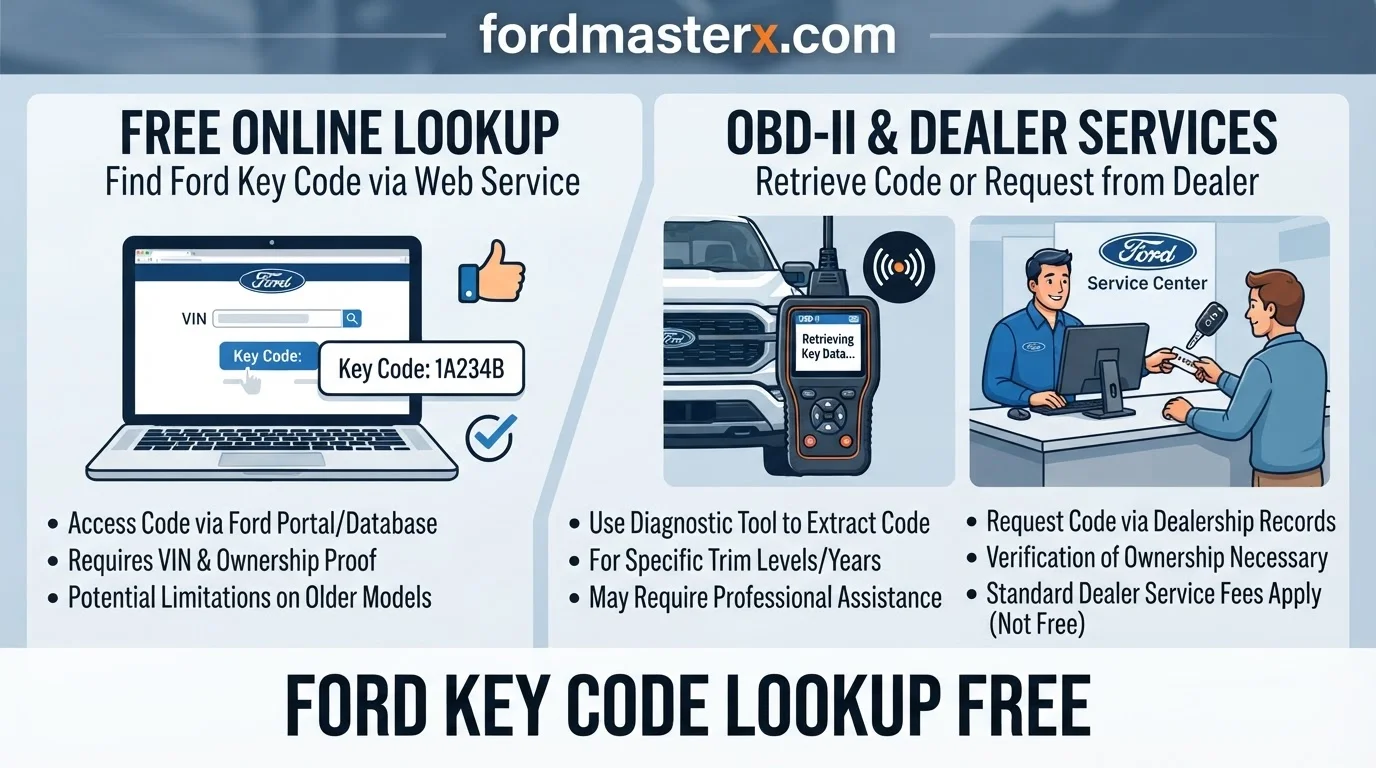
Ford Key Code Lookup Free: Master Reference Table
How to Read This Chart
The table above categorizes retrieval methods by vehicle generation. The “Method” column identifies the primary way to access your factory-set code, ranging from built-in dashboard displays to external diagnostic tools. “Success Rate” indicates the likelihood of recovery without professional intervention.



The “Vehicle Era” column provides a general boundary, but specific architecture, such as the Body Control Module (BCM) or Remote Function Actuator (RFA), dictates the final capability. Modern vehicles store this code permanently within the BCM. This factory code cannot be deleted or changed, though most models allow you to program additional user-defined codes for convenience.

If your vehicle does not display the code through the digital dash or an OBD-II interface, professional dealer intervention becomes mandatory. Dealers utilize proprietary scan tools to pull the factory-set code directly from the BCM firmware. Always verify your specific model’s VIN and manufacturing year to ensure you are selecting the correct retrieval path.
It is vital to distinguish between digital and legacy methods. Older Ford vehicles often relied on physical code cards provided with the owner’s manual or stickers located on the BCM itself, located behind dashboard trim panels or in the passenger footwell.
Conversely, modern Ford systems integrate retrieval into the vehicle’s onboard software. The factory-set code is a fixed, non-volatile memory value programmed at the factory. While users can add personal access codes, the original master code remains the primary credential, ensuring that you can always access the vehicle via the keypad.
Identifying Your Ford Keyless Entry System Generation


| Generation | Interface Style | Primary Code Access Method |
|---|---|---|
| Legacy (1980s-2000s) | B-Pillar Physical Pad | Wallet Card / Manual Stamp |
| Mid-Transition (2010s) | Handle/Pillar Physical Pad | OBD-II Scanner / Dealer Tool |
| Modern (2020+) | Integrated Touchscreen | Infotainment Settings Menu |
How to Read This Chart


The Generation column categorizes technology by release era, rather than strict model years, due to overlapping production cycles. The Interface Style defines where you physically interact with the car to enter your entry code.
The Primary Code Access Method column indicates the most reliable way to retrieve your factory-set code based on that generation’s architecture. Older models rely on physical documentation provided at the point of sale, whereas newer software-integrated systems prioritize digital retrieval via the onboard display.
Physical Keypad Placements
Ford utilized two primary locations for factory keypads: the B-pillar and the exterior door handle. Vehicles like the F-150 and Explorer traditionally feature the B-pillar keypad, which consists of a flush-mount, black plastic strip located near the driver’s side window frame.


Other models, particularly sedans and smaller SUVs from the late 2000s, often integrated the keypad directly into the door handle assembly. Regardless of the placement, these early systems function through hard-wired electrical signals sent to the Body Control Module (BCM).


Because these legacy units were pre-programmed at the factory, they do not communicate back to a screen. If your vehicle uses a physical keypad without infotainment integration, you must look for the code on a printed card or the stamped label found on the BCM itself.
Physical keypads are often sensitive to extreme weather. If your keypad is non-responsive, verify if the issue is a forgotten code or a failed electrical connection behind the pillar trim.
Digital Infotainment Integration


The most significant shift in Ford vehicle security is the transition from static hardware to software-defined interfaces. Many modern F-150s, Mach-Es, and Expedition models equipped with SYNC 4 or newer allow you to view the factory entry code directly on the center console display.
This digital access requires the owner to have a programmed “master” key present in the vehicle. Once the system detects the primary key fob, you can navigate to the Vehicle Settings menu, select “Locks” or “Keyless Entry,” and view the factory-coded numbers.


This development renders the old method of crawling under the dashboard to find a sticker on a black box largely obsolete for newer owners. If your vehicle lacks a touchscreen or the option is hidden, the system is likely still relying on the legacy BCM-based retrieval process.
How to Perform a Ford Key Code Lookup Free via OBD-II


| Component | Minimum Specification | Function |
|---|---|---|
| OBD-II Adapter | ELM327 USB or Bluetooth (v1.3b or higher) | Data link interface |
| Software Suite | FORScan (Windows version recommended) | BCM command parsing |
| Connection | High-speed CAN bus communication | Module interrogation |
How to Read This Chart
The table above outlines the minimal technical requirements to bridge your laptop or mobile device to the vehicle’s internal network. The OBD-II adapter acts as a translator between your computer’s USB or Bluetooth signal and the vehicle’s Controller Area Network (CAN) bus protocol.
The software listed is specific to Ford and Lincoln architectures. FORScan is used by enthusiasts to read Diagnostic Trouble Codes (DTCs) and, specifically, to access the Body Control Module (BCM) memory addresses where the factory keyless entry code is stored in many modern Ford models.
Locating the OBD-II Diagnostic Port
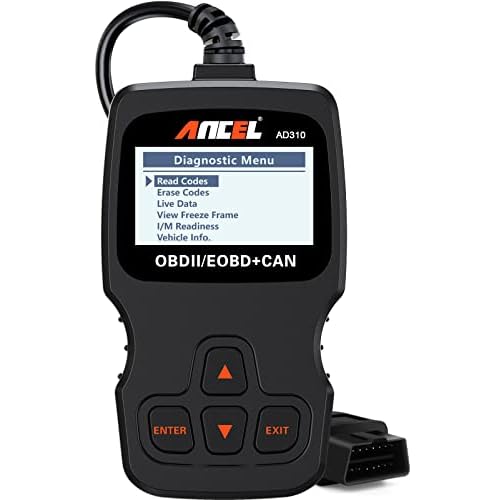


The On-Board Diagnostics (OBD-II) port is a standardized 16-pin connector required for vehicle communication. In most Ford vehicles manufactured after 1996, you will find this port located beneath the dashboard on the driver’s side of the vehicle.
It is typically positioned within 18 inches of the steering column. You may need to look slightly upward near the pedals or behind a small plastic trim panel or cover. Ensure the ignition is in the “Off” position before you plug in your scan tool.
Selecting Compatible Scan Tool Software
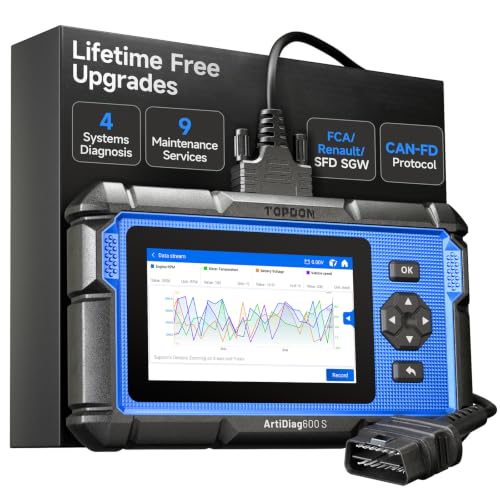
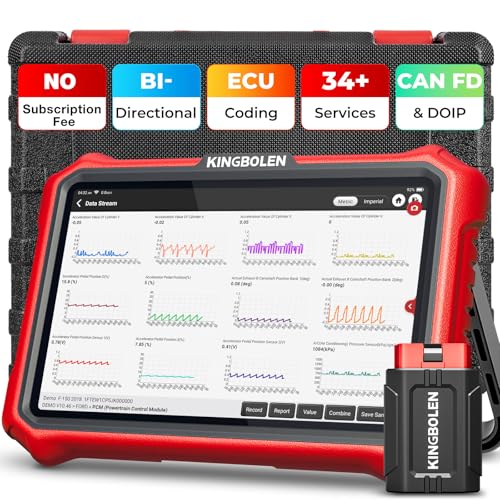
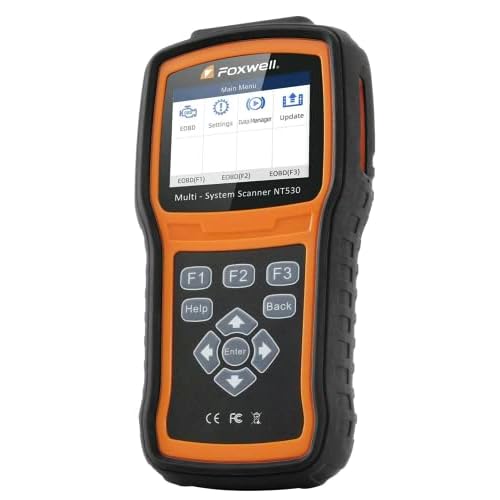
Not all scan tools can perform a key code lookup. Standard generic code readers are designed to pull engine emissions data, not retrieve BCM security codes. You must use software capable of querying the BCM directly, such as FORScan, which interprets the specific hexadecimal data strings sent by Ford modules.
Using an ELM327-based adapter with a toggle switch is highly recommended. This switch allows the software to toggle between the MS-CAN and HS-CAN buses, ensuring you can communicate with all modules in the vehicle, including the body-specific systems that house your factory code information.
📋
Step-by-Step Guide
Plug your adapter into the OBD-II port and launch the software. Connect to the vehicle’s ignition and select the “BCM” or “Body Control Module” tab from the interface menu to initiate a full module scan.
Navigate to the “Configuration” or “Central Configuration” settings. Look for the “Keyless Entry Code” or “Door Keypad Code” line item. The software will query the BCM and return the factory-set 5-digit code.
Once the 5-digit code is displayed on your screen, test it on your vehicle’s door keypad. If it unlocks successfully, write it down and keep it in a secure location, as it cannot be changed through this method.
Risks of Online Ford Key Code Lookup Free Generators
Searching for a free way to retrieve your factory-set Ford keyless entry code often leads to websites promising instant results through “VIN decoders.” It is critical to understand that these online generators are frequently traps designed for phishing, data harvesting, or spreading malware rather than providing legitimate automotive support.
Avoiding VIN Decoder Phishing Scams
The primary red flag is any site that requires you to enter your Vehicle Identification Number (VIN) to unlock a “free” code. Your VIN is a sensitive piece of personal data; when paired with your name or address, it can be used to facilitate identity theft or create a profile for targeted phishing attacks.
Furthermore, many of these platforms display red flags like requesting payment after you have already entered your VIN, or demanding excessive personal contact information. If a site forces you to complete a survey or provide an email address to view a “generated” result, it is likely a data-harvesting operation.
Never input your vehicle identification number into third-party, unauthorized websites. Legitimate Ford security codes are stored in restricted manufacturer databases and cannot be reverse-engineered or decoded through a simple public VIN lookup tool.
Why Free Generators Are Never Legitimate
A common misconception is that a VIN acts as a universal key to unlock all vehicle settings. In reality, master factory codes are tied to the specific hardware modules installed at the assembly plant. A VIN decoder only identifies build specifications, such as your vehicle’s engine size, assembly plant, and trim level.
Because these VIN decoders lack access to Ford’s encrypted internal secure database (FMC), they are mathematically incapable of outputting your master key code. Any “code” provided by these free generators is typically a randomized sequence intended to trick the user into thinking the tool works, which could result in you locking your own keypad by entering incorrect sequences.
Assuming these online tools provide secure factory information is a major pitfall. For your safety and to avoid vehicle security risks, only retrieve codes through verified, professional channels that verify your ownership, such as an authorized Ford dealership or official diagnostic software linked to the Ford Service Information system.
Hardware Retrieval: Using the Wallet Card and Manuals
The most reliable way to obtain your Ford key code without relying on third-party software or dealership fees is to locate the original documentation provided at the time of purchase. Before attempting electronic lookups, prioritize a thorough physical search of your vehicle’s stored paperwork.
Searching the Glovebox Documentation
Most Ford vehicles include a dedicated owner’s manual portfolio or leatherette folder kept in the glovebox. This folder is designed to house the owner’s manual, service logs, and critical security information. It is common for owners to overlook important documents tucked behind the manual or slipped into the interior pockets of the case.
Carefully remove all contents from this folder. Look for small, loose slips of paper or supplementary booklets labeled “Key Information” or “Security Card.” If you purchased the vehicle used, these items may still be present even if the previous owner failed to mention them. Always check both sides of every insert, as small security codes are often printed in a discreet area on the back of these cards.
Understanding the Original Owner’s Keycard
When a Ford vehicle leaves the factory, it is accompanied by a standardized key code card. This is typically a small, white plastic or cardstock piece that explicitly lists the 5-digit factory keyless entry code. This sequence serves as the master override for your door locks and, in many cases, provides the foundation for programming new key fobs.
Many drivers mistakenly discard or misplace this card shortly after taking delivery. Neglecting to check the physical wallet card that came with the original manual is the most common reason users struggle to find their code. Because this card is generated by Ford’s security department specifically for your vehicle’s VIN, it is the safest and most reliable source available.
If you locate a card with a 5-digit number, verify it by entering the code into the vehicle’s exterior keypad. If the doors unlock, you have successfully retrieved the code. Storing this information digitally or in a secure location elsewhere will prevent the need for future hardware searches, ensuring you maintain permanent access to your vehicle’s entry system without external assistance.
Ford Key Code Lookup Free: Professional Dealer Services
When all self-service methods, including OBD-II tools and manual records, fail to yield your keyless entry code, a Ford dealership remains your final, reliable backup. While online generators often promise free results, they are frequently inaccurate or malicious. Dealerships use the official Ford Motor Company database to pull the factory-original key code linked to your specific Vehicle Identification Number (VIN).
Proof of Ownership Requirements
Security protocols prevent dealership staff from releasing vehicle key codes to unauthorized individuals. To prevent vehicle theft, you must visit the service counter in person and provide verifiable documentation. Without these materials, the service department will decline your request regardless of your circumstances.
You must present a valid, government-issued photo ID, such as a driver’s license or passport, that matches the name on the vehicle registration. Additionally, bring a current copy of your vehicle registration or the original title. In some cases, a recent insurance document listing both your name and the VIN may be accepted by the service manager.
When to Expect a Service Fee
There is a common misconception that retrieving key codes from a dealership is always a free service. While the information is technically “free” from the manufacturer, the dealership is a private business that incurs labor costs for the time spent accessing the secure database, verifying documentation, and processing the request.
Expect a service charge that typically ranges from $20 to $60, depending on the specific location and regional labor rates. This fee compensates the technician or service advisor for the time required to query the Ford PTS (Professional Technician System) and verify the ownership credentials you have provided.
Always call ahead to your local service department to confirm their specific policy on key code lookups. Ask if they charge a diagnostic or administrative fee before you drive to the dealership. Clarifying the cost upfront ensures there are no surprises when you arrive with your registration and identification in hand.
If you have purchased a pre-owned vehicle and suspect the key code may have been changed or the security module replaced, inform the service advisor immediately. A dealership can determine if the original factory code remains valid or if a new programming cycle is required to restore access to your vehicle’s entry system.
In rare instances, if the vehicle is exceptionally old or has undergone significant electrical modifications, the dealer may be unable to retrieve a factory code. In these specific scenarios, you may need to consult an automotive locksmith who specializes in Ford security systems. They can often provide a code by physically reading the module or using advanced diagnostic equipment, though this service will carry its own professional labor costs.
Key Takeaways
-
✓
Master the table of retrieval methods to identify which fits your Ford security generation. -
✓
Assess the advantages of OBD-II tools versus the risks of untrusted online generators. -
✓
Locate physical wallet cards and manuals to recover factory codes without software. -
✓
Understand the professional advantages of authorized dealer key code verification. -
✓
Compare the security trade-offs between instant free digital lookups and secure hardware access.
❓ Frequently Asked Questions
1
What is a Ford key code lookup?
A Ford key code lookup is the process of retrieving the specific numerical sequence programmed into your vehicle’s security module. This code allows locksmiths or owners to cut replacement keys or program keyless entry fobs that match your vehicle’s unique factory settings exactly.
2
How does a Ford key code lookup work?
It works by accessing the vehicle’s Security Access Code (SAC) via the OBD-II diagnostic port or by referencing the original factory documentation. Newer systems often require an encrypted handshake between an authorized diagnostic scan tool and the Body Control Module (BCM) to release the code.
3
Why is a Ford key code lookup important?
It is essential for regaining vehicle access or starting the ignition when keys are lost or damaged. Without the correct code, cutting a physical key is impossible, and programming a new fob will fail because the BCM will reject any key that doesn’t match the stored security parameters.
4
What are the benefits of a free lookup versus dealer services?
The main advantage of free lookups is cost savings and immediate access through DIY tools. However, the disadvantage is a higher risk of security vulnerabilities or software errors. Dealer services offer guaranteed accuracy and security but typically incur a service fee for the technician’s time and database access.
5
How can I get started with a Ford key code lookup?
Start by checking your owner’s manual or wallet card for the factory-printed code. If unavailable, attempt an OBD-II scan if you possess a compatible diagnostic tool. If those methods fail, contact your local authorized Ford dealership with your VIN and valid identification to request the code.
6
Can I find my Ford door code for free?
Yes, if you have access to the vehicle’s infotainment settings or the original factory wallet card.