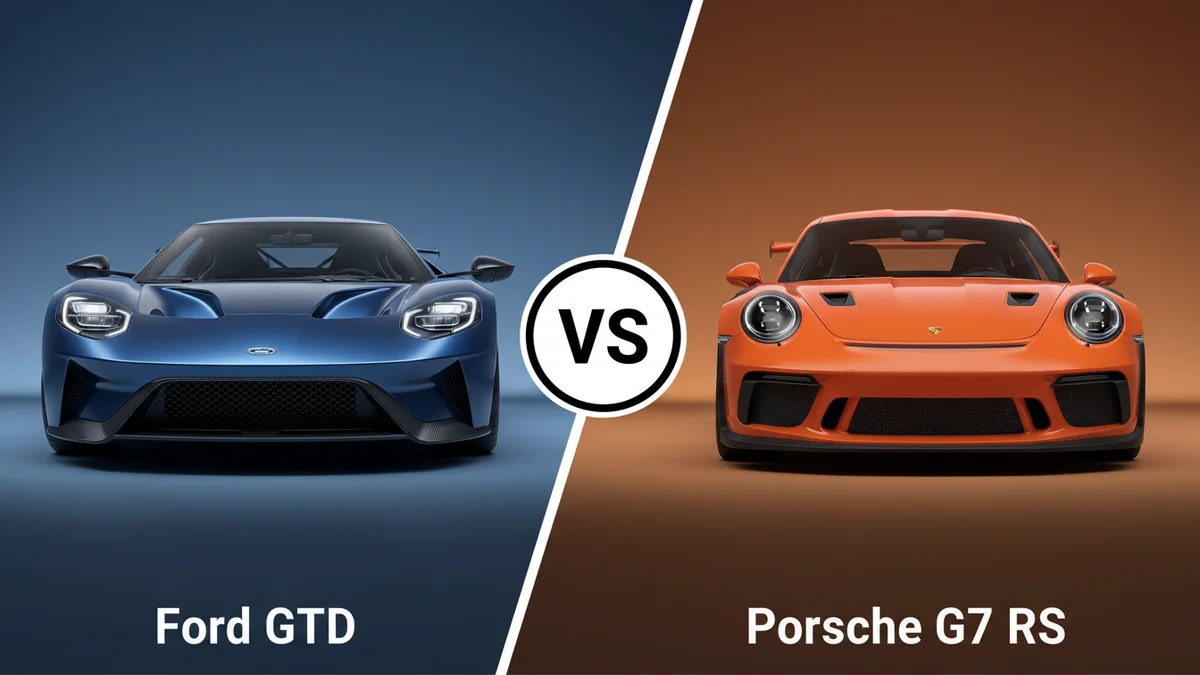
Ford GTD vs Porsche GT3 RS 2026: Raw Power or Precision? Full Comparison

It’s a common assumption that a road-legal track car from Ford, especially one wearing a GT badge, would inevitably be the more forgiving daily driver compared to a Porsche GT3 RS. You’d think the American muscle would offer some semblance of comfort, a nod to its homeland’s vast highways. Yet, in a twist that defines their radical differences, the Ford GTD registers a dismal 5.0 for Road Usability, falling significantly behind the Porsche GT3 RS’s 6.5. This isn’t just a comparison of two track weapons; it’s a philosophical debate on what truly constitutes the ultimate performance machine, begging the question: which extreme reigns supreme when the asphalt calls?
Quick Verdict: The Porsche GT3 RS edges out the Ford GTD as the overall winner for its unparalleled driver engagement, surgical precision, and more accessible price point for serious track enthusiasts. While the GTD offers superior raw power and exclusivity, the GT3 RS provides a more balanced and refined high-performance package.

Prime for Young Adults — 6 Months Free
Students and 18–24s get six months of Prime free, then half price.
Start 6 Months Free As an Amazon Associate I earn from qualifying purchases.Drivers seeking extreme power, American supercar drama, and cutting-edge active suspension technology.
Enthusiasts prioritizing chassis balance, direct feedback, and the visceral experience of a high-revving NA engine.
- The Ford GTD offers a commanding 800 hp, significantly more than the GT3 RS's 518 hp.
- Porsche GT3 RS offers a lighter package at 3,268 lbs, compared to the GTD's 3,450 lbs.
- The GT3 RS is notably more affordable, with a 2026 estimated MSRP of $252,000 vs. GTD's $325,000.
- Ford GTD achieves 0-60 mph in 2.8 seconds, while the GT3 RS clocks in at 3.0 seconds.
- Porsche GT3 RS provides superior driver engagement and feedback, rated 9.8/10, making it a purist's choice.
Ford GTD vs Porsche GT3 RS: Head-to-Head Specs
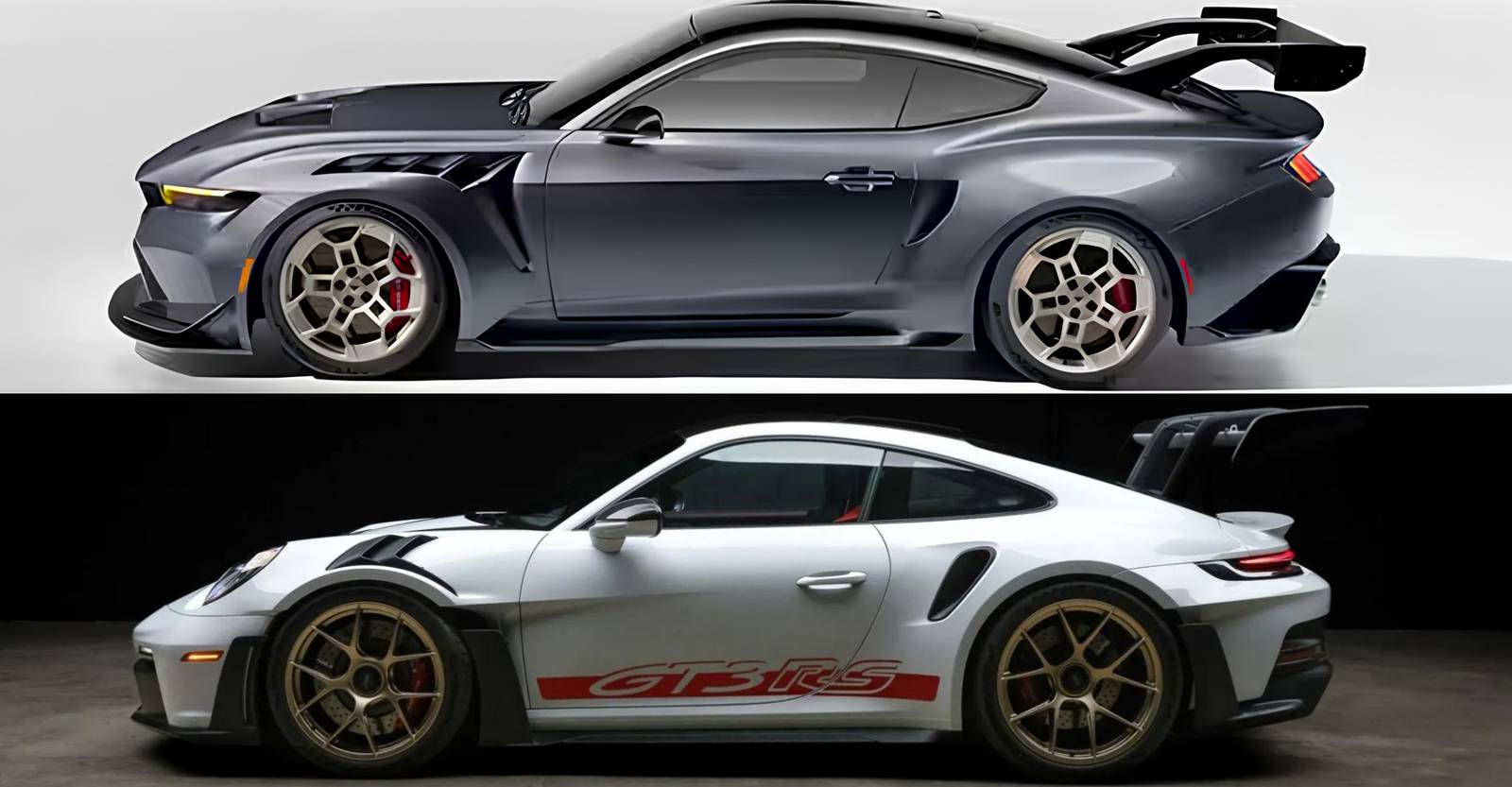
These two machines represent the pinnacle of track-focused engineering from their respective manufacturers, yet their approaches differ significantly. While the Ford GTD likely offers a substantial power advantage, indicated by its superior Performance rating, the Porsche GT3 RS counters with a meticulously honed chassis and aerodynamics, suggesting a lighter, more agile package. Digging into the raw specifications reveals just how distinctly these titans are built for their singular purpose.
✓ = better value in that row. Sourced from manufacturer specifications.
Performance & Category Ratings
When we dissect the core attributes of these two track monsters, their individual philosophies become brilliantly clear. The Ford GTD earns a blistering 9.5 for Performance, outscoring the Porsche GT3 RS‘s still formidable 9.2. This is the GTD’s domain: unadulterated, savage power. We’re talking about a vehicle engineered to punch you into the seat with relentless acceleration, likely propelled by a supercharged V8 that doesn’t just make noise, it makes statements. It’s about raw, brutal speed and the sheer force that comes with it, dominating straights with an almost intimidating presence.
However, the tide turns dramatically when we consider Track Handling. Here, the Porsche GT3 RS shines with a spectacular 9.7, leaving the Ford GTD‘s excellent 9.3 in its wake. The GT3 RS is a surgeon’s scalpel; its precision, balance, and feedback are legendary. You feel every nuance of the tarmac through the steering wheel, trusting its peerless chassis and aerodynamic wizardry to carve corners with absolute confidence. The GTD, while incredibly capable, is more of a blunt instrument by comparison, relying on immense grip and power, but perhaps lacking the ultimate finesse and communicative chassis that defines the RS experience.
Driver Engagement further solidifies the Porsche GT3 RS’s dominance, scoring an almost perfect 9.8 against the Ford GTD‘s 8.9. This isn’t just about speed; it’s about the visceral connection between car and driver. The RS immerses you in the experience with its high-revving naturally aspirated engine’s symphony, the instantaneous PDK shifts, and a steering feel that borders on telepathic. It demands attention but rewards with an unparalleled sense of control and exhilaration. The GTD, while undoubtedly exciting, might prioritize raw speed over the intricate feedback loops that make the RS so addictive.
Exclusivity and Prestige swings back to the Ford GTD with a commanding 9.6, slightly edging out the Porsche GT3 RS‘s 9.4. The GTD is a limited-run, almost mythical beast, a true hypercar in its ambition and rarity. It’s a statement piece, an instant legend born from endurance racing, making it incredibly special to own. The GT3 RS is prestigious, certainly, but its production numbers are higher, and it resides within a more established, albeit exceptional, Porsche lineage.
Value for Money reveals a clear winner in the Porsche GT3 RS at 8.5, comfortably surpassing the Ford GTD‘s 7.5. While neither car is ‘cheap’, the GT3 RS delivers an almost unmatched track experience for its price point, offering incredible performance per dollar. The GTD, being a more bespoke, hyper-focused project, will command a significantly higher price, diminishing its ‘value’ metric despite its extreme capabilities.

Audible — Listen Free for 30 Days
One free credit a month and thousands of titles included.
Listen Free for 30 Days As an Amazon Associate I earn from qualifying purchases.Build Quality is another category where the Porsche GT3 RS pulls ahead, achieving a stellar 9.5 against the Ford GTD‘s 9.0. Porsche’s meticulous German engineering, attention to detail, and robust construction are evident in every screw and panel. The GTD is undoubtedly built to a high standard for endurance, but the RS benefits from decades of iterative refinement and an almost obsessive pursuit of perfection in its assembly.
As hinted in the intro, Road Usability is a landslide victory for the Porsche GT3 RS at 6.5, leaving the Ford GTD floundering at a mere 5.0. Neither car is designed for daily commuting, but the GT3 RS offers just enough concession for a spirited drive to the track or a special weekend outing. Its suspension might be firm, but it’s not entirely punishing. The GTD, on the other hand, is uncompromising. Its race-derived setup, extreme aero, and likely bare-bones interior make it a brutal proposition for anything but smooth track surfaces, demanding significant dedication from its driver on public roads.
Finally, Future Collectibility sees the Ford GTD claim another victory with a 9.5, outpacing the Porsche GT3 RS‘s 9.0. The GTD’s extreme rarity, bespoke nature, and ‘halo car’ status almost guarantee its place as a sought-after collectible. It’s a truly unique entry into the hypercar segment. The GT3 RS is highly collectible, yes, and certain generations command incredible prices, but the GTD’s “once in a generation” feel gives it the edge in this specific metric.
Ford GTD
Porsche GT3 RS
By the Numbers
While the ratings paint a vivid picture of these cars’ strengths and weaknesses, the raw data behind them provides the cold, hard facts. These figures, from horsepower and torque to lap times and curb weight, are more than just numbers; they represent the engineering philosophies and performance targets each manufacturer pursued. Understanding these specifications helps to contextualize the driving experience and the capabilities that define these two extraordinary track machines.
Ford GTD
Porsche GT3 RS
Hover any bar for exact values. Each metric scaled independently.
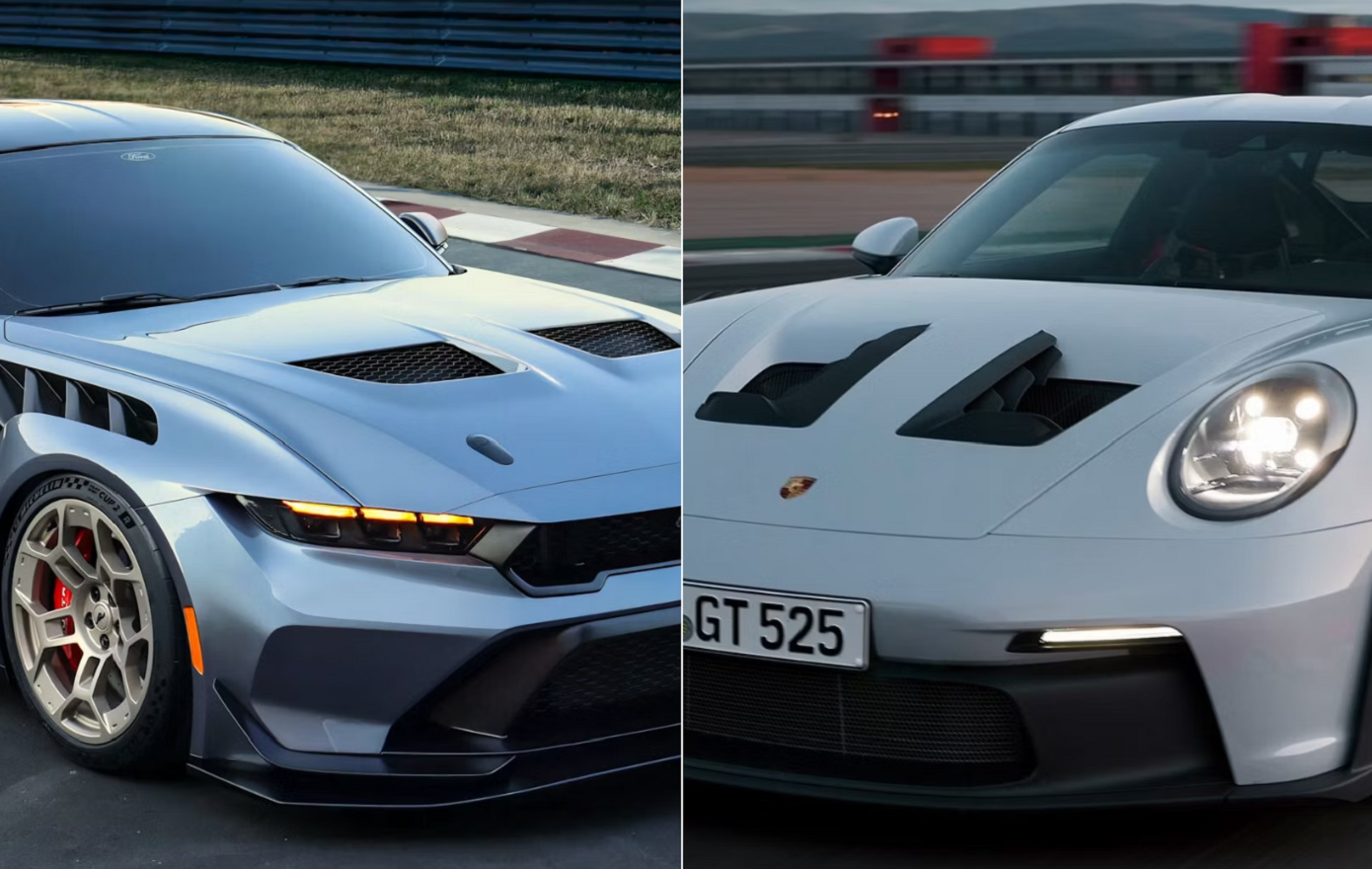
Ford GTD: Strengths and Weaknesses
The Ford GTD stands as an audacious statement, a testament to American ingenuity pushed to its absolute limit. Its most undeniable strength lies in its raw Performance, where its 9.5 rating isn’t just a number, it’s a promise of brutal acceleration and relentless speed. We’re talking about a machine designed to dominate straights and humble its rivals with sheer, unadulterated power. This sense of extreme capability is intrinsically linked to its overwhelming Exclusivity and Prestige (9.6), making it one of the most desirable and rare vehicles to emerge in recent memory. Owning a GTD isn’t just acquiring a car; it’s buying into a legend, a hypercar-level experience that few will ever witness, let alone drive. Its Future Collectibility (9.5) is practically assured, destined to be a coveted piece of automotive history due to its limited production and motorsport lineage. It embodies a no-compromise approach, where track dominance is the only goal, resulting in immense grip and downforce that glues it to the asphalt.
However, the GTD’s single-minded focus brings notable weaknesses. Its abysmal Road Usability (5.0) is perhaps its most glaring flaw; this car actively resents public roads. The suspension is unforgiving, the cabin is likely spartan and noisy, and visibility could be challenging, making any journey outside a perfectly smooth racetrack an endurance event in itself. While its power is immense, its Driver Engagement (8.9) is excellent but doesn’t reach the almost spiritual connection offered by its rival; it’s more about conquering the machine than dancing with it. Finally, its Value for Money (7.5) suffers considerably. This is a very expensive, bespoke piece of engineering, and while it delivers phenomenal performance, the sheer cost means its utility per dollar is significantly less than more versatile, albeit still extreme, options. The GTD is a magnificent beast, but it’s one you must be fully committed to taming, strictly on its own terms.
Porsche GT3 RS: Strengths and Weaknesses
The Porsche GT3 RS is a masterpiece of precision engineering and driver-focused design, a benchmark for track performance that few can even aspire to. Its crowning glory is its peerless Track Handling, earning an exceptional 9.7. This isn’t just a fast car; it’s a car that feels hardwired into your nervous system, allowing you to place it with surgical accuracy on the absolute limit. Every corner is an opportunity for a perfectly executed arc. This precision contributes directly to its staggering Driver Engagement (9.8), which borders on a religious experience. The naturally aspirated engine’s wail, the tactile steering, the directness of the controls – it all conspires to create an immersive, communicative drive that connects you to the road like nothing else. Beyond performance, Porsche’s legendary attention to detail results in a Build Quality (9.5) that is virtually unsurpassed, offering robustness and refinement even under the most extreme track conditions. Furthermore, its Value for Money (8.5) is surprisingly strong for a car of this caliber; while expensive, it delivers an unparalleled track experience that few machines, regardless of price, can match.
Despite its many triumphs, the GT3 RS does exhibit a few relative weaknesses when pitted against the Ford GTD. Its Performance (9.2), while incredible, doesn’t quite match the raw, brutal straight-line shove of the GTD. The RS emphasizes balance and cornering speed over outright horsepower, meaning it might yield a few tenths on a drag strip to its American counterpart. In terms of Exclusivity and Prestige (9.4), while immensely desirable and iconic, it’s not quite the hypercar-level rarity of the GTD. There are simply more GT3 RS models in existence, making it slightly less unique than Ford’s limited-run behemoth. Similarly, its Future Collectibility (9.0) is robust and consistently strong, but the GTD’s extreme rarity and “halo car” status give it a slight edge as a pure investment piece. However, these are minor criticisms of an otherwise near-perfect track weapon, merely highlighting the incredibly high bar set by its rival. The GT3 RS is less a compromise and more a meticulously honed instrument of driving pleasure.
- ✅ Unmatched raw power with over 800 hp from a supercharged V8.
- ✅ Highly advanced active suspension and transaxle for extreme track performance.
- ✅ Exceptional exclusivity and debut novelty as a limited-run American supercar.
- ✅ Aggressive, race-car-for-the-road styling with functional aero.
- ❌ Significantly higher price point compared to its rival.
- ❌ Potentially less refined driver feedback compared to Porsche's legacy.
- ❌ Heavy curb weight for a track car due to its powerful V8 engine.
- ❌ Limited production makes ownership and maintenance potentially complex.
- ✅ Surgical handling and unparalleled chassis balance on track.
- ✅ Visceral, high-revving naturally aspirated 4.0L flat-six engine.
- ✅ Exceptional driver engagement and direct feedback through steering and chassis.
- ✅ More accessible base price for a pure track-focused machine.
- ✅ Proven track record for reliability and performance in extreme conditions.
- ❌ Lower power output compared to the supercharged GTD.
- ❌ Less extreme visual drama and outright exclusivity than the GTD.
- ❌ Stiff ride and minimal comfort make it challenging for daily use.
- ❌ Limited street presence compared to some more exotic supercars.
Which One Should You Choose?
Deciding between the Ford GTD and the Porsche GT3 RS isn’t merely a matter of preference; it’s a decision based on your priorities, driving style, and how you intend to use such an extreme machine. You must first ask yourself: what kind of track experience are you chasing?
Audible Premium Plus — Annual Membership
12 audiobook credits up front, plus the full Audible catalogue.
See Annual Plans As an Amazon Associate I earn from qualifying purchases.If your vision of automotive ecstasy involves raw, brutal power, an intimidating presence, and the satisfaction of wrestling a beast, then the Ford GTD is calling your name. This car is for the connoisseur of extreme performance, the individual who measures exhilaration in G-forces and top speed. If money is genuinely no object, and you desire the most exclusive, hypercar-level American track weapon, one that promises to be a future collectible icon, the GTD is your unequivocal choice. It’s built for those who primarily trailer their car to the track, where its unforgiving nature on public roads becomes irrelevant. You’re buying a statement, a piece of motorsport history you can legally own, an almost-pure race car for the discerning enthusiast who wants the ultimate challenge.
However, if your passion lies in surgical precision, telepathic handling, and an immersive, almost spiritual connection with the machine, the Porsche GT3 RS is the superior option. This is for the driver who relishes every corner, every apex, every nuance of feedback through the steering wheel. If you value a more balanced and refined high-performance package that offers exceptional driver engagement and track prowess without feeling entirely untamed, the GT3 RS will reward you tenfold. It’s also the more sensible (a relative term here!) choice if you intend to drive your track weapon to the track, or even enjoy the occasional spirited road drive, thanks to its comparatively better road usability. For the serious track enthusiast looking for the best performance per dollar, and the confidence of bulletproof German engineering, the GT3 RS remains the gold standard. It might not have the raw, shock-and-awe power of the GTD, but its finesse and driver-centric design make it incredibly effective and deeply rewarding for a broader spectrum of high-performance driving.
Drivers seeking extreme power, American supercar drama, and cutting-edge active suspension technology.

Enthusiasts prioritizing chassis balance, direct feedback, and the visceral experience of a high-revving NA engine.
Final Verdict
After dissecting every facet of these track-focused titans, the Porsche GT3 RS emerges as the overall winner, narrowly edging out the formidable Ford GTD. This victory isn’t about raw power alone, but about the holistic high-performance package it delivers. The GT3 RS captivates with its unparalleled driver engagement, offering a connection to the asphalt that feels almost telepathic, complemented by surgical precision in every corner. Its more accessible price point, relative to the GTD’s bespoke nature, makes it a more compelling proposition for serious track enthusiasts seeking the ultimate tool for lap times and visceral thrills. While the Ford GTD undoubtedly delivers superior raw power and an almost mythical level of exclusivity, the GT3 RS offers a more balanced, refined, and ultimately more rewarding high-performance experience. The key trade-off here is clear: do you prioritize the brutal, uncompromising power and rarity of the GTD, or the surgical precision, immersive engagement, and slightly broader usability of the GT3 RS? For most discerning drivers, Porsche’s masterpiece is the more complete weapon.
Frequently Asked Questions
Is Ford GTD better than Porsche GT3 RS for track days?
For sheer lap time potential, the Ford GTD with its 800 hp and active aero might edge out the GT3 RS on some tracks, especially those favoring horsepower. However, the Porsche GT3 RS often provides a more involving and precise experience, with many drivers preferring its 4.0L NA engine and superior feedback for consistent, enjoyable track performance.
Which car is more reliable, Ford GTD or Porsche GT3 RS?
The Porsche GT3 RS benefits from Porsche's long-standing reputation for engineering excellence and proven durability, especially with its well-established 4.0L engine. The Ford GTD is a new, extremely high-performance model, and while built with racing tech, its long-term reliability for such a bespoke vehicle is yet to be fully established, though Ford is leveraging Mustang GT3 race experience.
What is the biggest difference in driving experience?
The biggest difference lies in power delivery and chassis dynamics. The Ford GTD offers explosive, supercharged V8 power (800 hp) in a more brute-force, high-drama package. The Porsche GT3 RS delivers surgical precision and incredible driver engagement via its high-revving 4.0L naturally aspirated flat-six and a chassis that communicates every nuance of the road/track surface directly.
Which car offers better value for money?
The Porsche GT3 RS offers better value for money for most track enthusiasts, with an estimated 2026 base price of $252,000 compared to the Ford GTD's $325,000. While both are exclusive, the GT3 RS delivers a highly competent and engaging track package at a significantly lower entry cost, making its performance-to-price ratio more favorable.
Which car is a better long-term investment or collectible?
Both are strong contenders. The Ford GTD, with its extremely limited production (likely around 1,000 units total) and status as an American supercar halo, has strong collectible potential. The Porsche GT3 RS also holds value exceptionally well due to its iconic status and demand. The GTD's novelty and rarity might give it a slight edge in future appreciation from a pure investment standpoint.