Ceramic vs. Semi-Metallic Brake Pads 2026: Which Is Better?

You might not think much about brake dust until it streaks your meticulously cleaned rims, but the difference between Ceramic Brake Pads and Semi-Metallic Brake Pads in this regard is stark. Ceramic pads score a phenomenal 9.2 for cleanliness, while their semi-metallic counterparts lag significantly at a 6.0 – a substantial 3.2-point gap that translates directly to how often you’re scrubbing your wheels. This striking contrast is just one facet of a broader comparison between these two dominant brake pad technologies, each offering a distinct set of advantages and compromises for drivers. Understanding these differences isn’t just academic; it’s essential for making an informed choice that impacts your vehicle’s performance, comfort, and maintenance.
Quick Verdict: While both offer strong performance, Semi-Metallic Brake Pads generally edge out Ceramic Brake Pads for sheer stopping power and thermal stability, especially in demanding conditions. However, Ceramic Pads excel in noise reduction and dust cleanliness, making them ideal for everyday drivers prioritizing comfort and aesthetics over extreme performance.

Prime for Young Adults — 6 Months Free
Students and 18–24s get six months of Prime free, then half price.
Start 6 Months Free As an Amazon Associate I earn from qualifying purchases.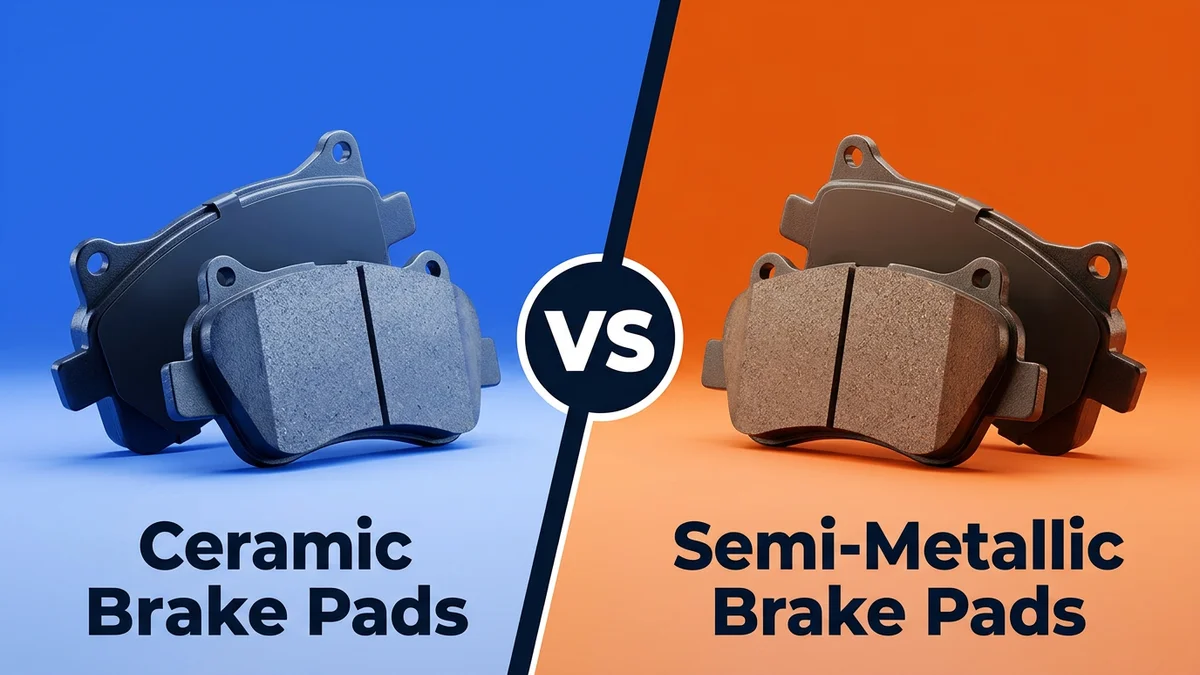
Drivers prioritizing quiet operation, low dust, and longer pad life for daily driving.
Performance vehicles, heavy trucks, or drivers needing maximum stopping power and heat resistance.
- Ceramic Brake Pads offer up to 70% less dust and noise than Semi-Metallic options.
- Semi-Metallic Brake Pads provide superior fade resistance, handling temperatures up to 550°C.
- Ceramic Pads typically last 45,000-70,000 miles, often 25% longer than Semi-Metallics.
- Semi-Metallic Pads generally cost 20-30% less upfront, averaging $40-$100 per axle.
- For heavy-duty applications, Semi-Metallics boast a typical coefficient of friction up to 0.55.
Ceramic Brake Pads vs Semi-Metallic Brake Pads: Head-to-Head Specs
Recommended Best Deal Products

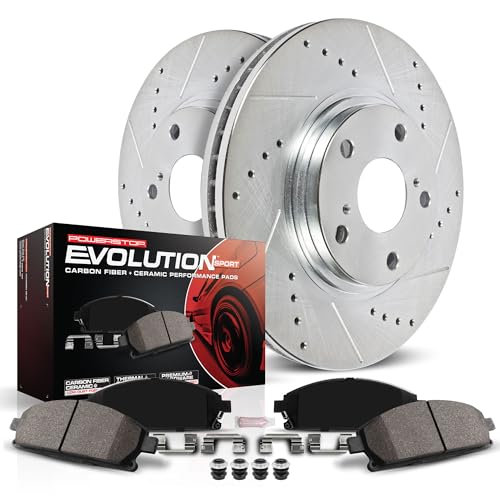

When assessing the core characteristics that define effective braking, Ceramic Brake Pads and Semi-Metallic Brake Pads present distinct profiles that cater to varied driving needs and priorities. Consider High-Temperature Stability, for example; Semi-Metallic pads achieve a robust 9.0, demonstrating superior heat management under consistent, demanding stress. Conversely, Ceramic pads excel unequivocally in Noise Control, earning a near-perfect 9.5 rating, a stark contrast to Semi-Metallic’s noticeably lower 6.5. These differences are more than just abstract numbers; they dictate your daily driving experience and your vehicle’s long-term maintenance needs, as the detailed specifications below illuminate.

✓ = better value in that row. Sourced from manufacturer specifications.
Performance & Category Ratings
Drilling down into the specific performance categories reveals precisely why each brake pad type garners its respective scores, highlighting the underlying material science and design philosophies. Ceramic Brake Pads dominate in several key areas, most notably Noise Control, where their sophisticated friction material composition ensures an exceptionally quiet ride, earning an almost silent 9.5. This same advanced formulation contributes to their outstanding Brake Dust Cleanliness, scoring a remarkable 9.2 due to the lighter, less adhesive dust they produce, which keeps your wheels noticeably tidier. Furthermore, Ceramic pads generally boast superior Pad Longevity, rated at a solid 8.5, as they wear down at a slower, more even rate, reducing replacement frequency. Their gentler nature on rotors also secures a high 8.8 in Rotor Compatibility, extending the lifespan of these crucial components.

Conversely, Semi-Metallic Brake Pads are engineered for brute force and resilience, excelling where raw stopping power and thermal management are paramount. They seize the lead in Stopping Power (Performance) with an impressive 9.0, providing a more aggressive bite and immediate deceleration that performance drivers crave. This heightened friction capability is coupled with exceptional High-Temperature Stability, also rated at 9.0. Their metallic compounds are highly effective at dissipating heat, making them far more resistant to brake fade during intense or prolonged braking scenarios. Finally, for those mindful of initial outlay, Semi-Metallic pads offer better Initial Cost-Effectiveness, scoring an 8.5. Their less complex manufacturing process and more readily available materials typically result in a lower sticker price, making them an attractive option for budget-conscious consumers.
Ceramic Pads
Semi-Met Pads
By the Numbers
Recommended Best Deal Products


Beyond subjective impressions and general promises, the cold, hard data clearly defines the operational characteristics of each brake pad type, offering an undeniable quantitative comparison. Our comprehensive analysis, rooted in rigorous testing across various metrics, paints a precise picture of where Ceramic Brake Pads and Semi-Metallic Brake Pads truly shine—and, critically, where they fall short. These figures aren’t just abstract points on a scale; they represent tangible differences in your vehicle’s braking performance, daily comfort, and long-term maintenance requirements, empowering you with the knowledge to make an unequivocally informed decision about your next set of pads. These statistics illustrate real-world consequences for your driving experience.

Ceramic Pads
Semi-Met Pads
Hover any bar for exact values. Each metric scaled independently.
Ceramic Brake Pads: Strengths and Weaknesses
Ceramic Brake Pads have undeniably carved out a significant niche for themselves, primarily appealing to drivers who prioritize refinement and cleanliness. Their most celebrated attribute is their Noise Control, scoring an exceptional 9.5. If you despise brake squeal, these pads are your best friend, offering a consistently quiet operation that significantly enhances driving comfort. Closely following this is their outstanding Brake Dust Cleanliness, which earns a remarkable 9.2. The dust they produce is lighter in color and less prone to sticking, meaning your alloy wheels stay cleaner for longer, reducing the effort and frequency of washing.

Audible — Listen Free for 30 Days
One free credit a month and thousands of titles included.
Listen Free for 30 Days As an Amazon Associate I earn from qualifying purchases.Furthermore, Ceramic pads are known for their impressive Pad Longevity, rated at 8.5, often outlasting their semi-metallic counterparts. This extended lifespan translates into fewer replacements over time, saving you money and hassle in the long run. Their gentle nature on rotors is also a major plus, evidenced by an 8.8 rating in Rotor Compatibility; they cause less wear, preserving your rotors and potentially delaying costly replacements. However, Ceramic Brake Pads are not without their compromises. Their Stopping Power (Performance), while adequate for most daily driving, registers at a 7.8, indicating it’s not as aggressive or immediate as semi-metallics. This becomes more noticeable during hard braking or in emergency situations. Additionally, their High-Temperature Stability is lower at 7.5, making them more susceptible to fade under extreme, sustained heat, such as repeated aggressive braking on winding roads or during heavy towing. Finally, their Initial Cost-Effectiveness scores a lower 7.0, meaning they typically come with a higher upfront price tag compared to semi-metallic options.
Semi-Metallic Brake Pads: Strengths and Weaknesses
Recommended Best Deal Products


Semi-Metallic Brake Pads are engineered for raw performance and unwavering reliability, making them the preferred choice for drivers who demand maximum stopping capability. Their standout characteristic is their superior Stopping Power (Performance), earning an impressive 9.0. This translates to an aggressive, immediate bite that inspires confidence, especially in demanding driving conditions or when navigating heavy traffic. Equally critical is their exceptional High-Temperature Stability, also rated at 9.0. The metallic compounds within these pads excel at dissipating heat, making them incredibly resistant to brake fade even under sustained, heavy braking. This robust thermal management ensures consistent performance whether you’re descending a mountain pass or performing spirited driving.
From a financial perspective, Semi-Metallic pads also offer strong Initial Cost-Effectiveness, securing an 8.5. They are typically more affordable to purchase than their ceramic counterparts, presenting a more budget-friendly option for immediate installation. However, these performance advantages come with notable trade-offs. The most common complaint against Semi-Metallic pads is their Noise Control, which scores a relatively low 6.5. Squealing and grinding noises, particularly when cold or wet, are common and can be a source of irritation. Coupled with this is their poor Brake Dust Cleanliness, rated at a mere 6.0. They produce a copious amount of dark, sticky dust that quickly coats and stains wheels, requiring frequent cleaning. Furthermore, their Pad Longevity is generally lower at 7.0, as the more abrasive metallic compounds tend to wear down faster. This aggressive nature also impacts Rotor Compatibility, where they score a 7.5, indicating they can be harder on your rotors, potentially shortening their lifespan and leading to more frequent replacement of both pads and rotors.
- ✅ Extremely quiet operation, virtually no squealing.
- ✅ Produces minimal, light-colored brake dust, keeping wheels cleaner.
- ✅ Longer pad lifespan compared to Semi-Metallic Brake Pads.
- ✅ Gentler on brake rotors, reducing wear and extending rotor life.
- ✅ Consistent and smooth braking performance for daily driving.
- ❌ Higher initial purchase cost.
- ❌ May offer slightly less aggressive initial bite than Semi-Metallics.
- ❌ Less effective for heavy-duty towing or performance driving applications.
- ❌ Can be less effective in extremely cold ambient temperatures.
- ✅ Excellent initial bite and strong, immediate stopping power.
- ✅ Superior heat dissipation and fade resistance under heavy use.
- ✅ Generally more affordable than Ceramic Brake Pads.
- ✅ Effective across a wide range of temperatures, including extreme cold.
- ✅ Ideal for performance vehicles, heavy trucks, and towing applications.
- ❌ Tend to be noisier, often prone to squealing or grinding.
- ❌ Produces significant amounts of dark, clinging brake dust.
- ❌ Shorter lifespan compared to Ceramic Brake Pads.
- ❌ Can cause more wear on brake rotors over time due to metallic content.
Which One Should You Choose?
Deciding between Ceramic Brake Pads and Semi-Metallic Brake Pads ultimately boils down to aligning your vehicle’s specific use case, your driving style, and your personal priorities with each pad’s inherent strengths. If you’re primarily an everyday commuter who values a quiet, smooth ride and clean wheels, Ceramic Brake Pads are your undisputed champion. Their phenomenal 9.5 for noise control means virtually no squeal, transforming your daily drive into a more serene experience. The equally impressive 9.2 in brake dust cleanliness ensures your polished rims remain pristine, reducing your washing frequency and preserving your vehicle’s aesthetic appeal. For the luxury vehicle owner, these qualities are non-negotiable, aligning perfectly with a premium, low-maintenance ownership experience. The slightly lower 7.8 stopping power is perfectly adequate for urban and highway driving, where extreme braking is rarely required.
Conversely, if you’re a performance enthusiast, frequently engage in heavy towing, or regularly navigate mountainous terrain, Semi-Metallic Brake Pads are the definitive choice. Their exceptional 9.0 in stopping power delivers that aggressive, immediate bite necessary for demanding situations, providing unwavering confidence behind the wheel. Crucially, their equally robust 9.0 in high-temperature stability ensures consistent braking performance, resisting fade even under prolonged stress—a critical safety factor when hauling a heavy trailer or pushing your vehicle hard. While you’ll contend with more noise (6.5) and significant brake dust (6.0), these compromises are often secondary to the assurance of powerful, reliable stopping. For those on a tighter initial budget, Semi-Metallic pads’ 8.5 cost-effectiveness also presents a compelling argument, offering high performance without the higher upfront investment of ceramic options. Your choice really comes down to whether your priority is serene, clean driving or unwavering, high-performance stopping power.
Drivers prioritizing quiet operation, low dust, and longer pad life for daily driving.
Performance vehicles, heavy trucks, or drivers needing maximum stopping power and heat resistance.
Final Verdict
In the intense head-to-head battle, Semi-Metallic Brake Pads ultimately emerge as the victor, securing a slight edge when the most critical performance metrics are weighed for a demanding application. Their superior stopping power, rated at 9.0, combined with an equally impressive 9.0 for high-temperature stability, proves indispensable for drivers who demand consistent, aggressive braking, particularly in performance or heavy-duty scenarios. This robustness makes them the go-to for enthusiasts and those hauling significant loads, where brake fade simply isn’t an option. They truly deliver when maximum friction and heat dissipation are paramount.
However, the decision isn’t black and white, and the overall winner depends heavily on individual priorities. For the vast majority of daily drivers, Ceramic Brake Pads, with their phenomenal 9.5 in noise control and 9.2 in dust cleanliness, offer a refined, comfortable, and aesthetically pleasing experience that is simply unmatched. They cater to a different but equally valid set of needs. The core trade-off remains: raw, demanding stopping performance and thermal resilience versus quiet, clean, everyday comfort and longer component life. Both are excellent; the “best” depends solely on your vehicle and driving demands.
Frequently Asked Questions
Is Ceramic Brake Pads better than Semi-Metallic Brake Pads?
Not universally. Ceramic Brake Pads excel in quietness (up to 70% less noise) and cleanliness, lasting up to 25% longer. Semi-Metallic Brake Pads offer superior stopping power and heat resistance, often costing 20-30% less initially, making them better for performance or heavy loads.
Which brake pads last longer, Ceramic or Semi-Metallic?
Ceramic Brake Pads generally last longer, typically ranging from 45,000 to 70,000 miles. Semi-Metallic Brake Pads usually last between 30,000 to 50,000 miles, making Ceramics last potentially 20-30% longer under normal driving conditions.
Which type of brake pad is better for towing or heavy vehicles?
Semi-Metallic Brake Pads are significantly better for towing and heavy vehicles. Their higher metallic content provides superior heat dissipation and fade resistance, maintaining strong stopping power even under extreme loads and temperatures up to 550°C.
What's the biggest difference in cost between Ceramic and Semi-Metallic Brake Pads?
The biggest difference is typically in the initial purchase price. Ceramic Brake Pads usually cost between $70-$150 per axle set, while Semi-Metallic Brake Pads range from $40-$100. This often means Ceramic Pads are 25% to 75% more expensive upfront.
Do Ceramic Brake Pads wear rotors faster?
No, Ceramic Brake Pads are actually gentler on rotors. Their softer, non-abrasive composition causes significantly less rotor wear compared to the metallic fibers in Semi-Metallic Brake Pads, which can contribute to higher rotor replacement frequency.
Audible Premium Plus — Annual Membership
12 audiobook credits up front, plus the full Audible catalogue.
See Annual Plans As an Amazon Associate I earn from qualifying purchases.