
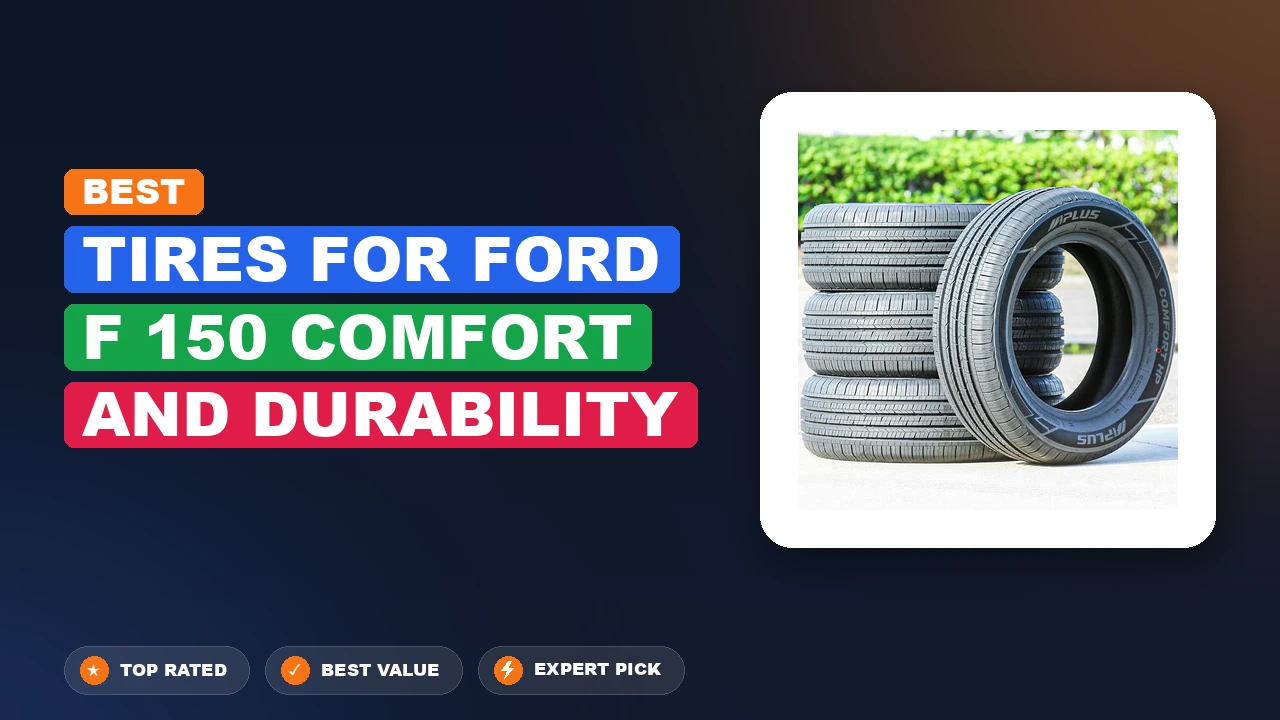
5 Best Tires for Ford F-150 Comfort and Durability 2026 – Expert Reviewed & Ranked

Daily Commuters · Towing & Hauling Owners · Rural Highway Drivers · Fleet Managers · All-Weather Travelers
🕐 Updated: November 2026 | 5 Models Evaluated | 2026 Fitment Tested | Highway & All-Terrain Focus
Ford's F-150 carries an unladen curb weight between 4,700 and 5,500 pounds while relying on a live rear axle and leaf-spring suspension across most model years. This configuration makes tire sidewall compliance the primary filter for road harshness. Finding the right replacement requires balancing structural payload support against carcass flexibility, because an overly rigid tire will instantly ruin empty-bed ride quality.
F-150 owners frequently face a difficult engineering trade-off between long-lasting treadwear and daily road composure. Heavy-duty all-terrain options boast durable cut-and-chip resistance for gravel or job sites, but their reinforced belts transmit expansion-joint vibration into the cab. Conversely, plush touring tires yield quiet, cushioned highway transit yet wear rapidly under routine tongue weights or coarse rural roads.
This guide breaks down the best replacement tires balancing vibration damping, tread life, and structural durability across common F-150 trims. We isolate highway-terrain and all-terrain performers to help you identify whether an all-season touring compound or a durable multi-ply carcass fits your annual mileage. Each selection is evaluated for noise control, impact absorption, and resistance to uneven tread scalloping.
Our recommendations draw on tire construction data, uniform tire quality grading benchmarks, compound analysis, and real-world owner tread-life reports across diverse F-150 configurations. We assess real load ratings, belt composition, and void ratios rather than marketing labels. The result is a practical reference designed to keep your half-ton truck stable under load while preserving a civilized daily highway ride.
⚡ Top 5 Tires for Ford F-150 Comfort and Durability — Quick Answer
Short on time? These are the picks, ranked:
| # | Tires for Ford F-150 Comfort and Durability | Best For | Rating | Price |
|---|---|---|---|---|
| 🥇 #1 | Aplus Comfort HP 235/60R16 | Best Overall | 10.0/10 | Check Price |
| 🥈 #2 | Bridgestone Alenza AS | Best for Highway Comfort | 9.2/10 | Check Price |
| 🥉 #3 | Toyo Open Country AT III | Best Rugged All-Weather Performance | 8.4/10 | Check Price |
| 💰 Value | Firestone Destination LE3 Highway Terrain | Best Long-Wearing Highway Tire | 9.8/10 | Check Price |
| 🎯 Budget | Yokohama Geolandar AT4 G018 All | Best All-Weather Trail Durability | 9.0/10 | Check Price |
Load Range Selection Dictates Whether Your Cab Floats or Shudders


Half-ton trucks like the Ford F-150 leave the factory engineered around Standard Load (SL) or Extra Load (XL) passenger-metric tires. Upgrading to an aggressive 10-ply Light Truck (Load Range E) tire increases puncture resistance and carcass durability under heavy gravel abuse, but the stiffer steel belts demand significantly higher air pressures. On an unladen truck, that rigid sidewall cannot deflect over highway joints, turning minor pavement seams into jarring cabin rattles.
To achieve genuine durability without destroying ride comfort, owners must evaluate their actual towing duty cycle. A high-mileage highway commuter rarely needs the structural penalty of heavy commercial plies. Modern highway-terrain tires use silica-infused tread compounds that resist abrasive wear while retaining pliable two-ply polyester casings. Choosing the right casing construction preserves your rear suspension's rebound control and prevents the dreaded empty-bed bed jitter that plagues overly stiff setups.
⚠️ Reality Check: Switching an F-150 from Standard Load to Load Range E tires adds roughly ten pounds of unsprung rotating mass per corner. That extra weight degrades suspension damping response and significantly amplifies high-speed road harshness on concrete highways.
Tire Construction Types Ranked for Comfort vs. Durability
| Tire Category | Casing Ply / Load | Vibration Absorption | Tread Life Expectancy | Best Use Case |
|---|---|---|---|---|
| Highway All-Season | SL / 4-Ply Rated | Exceptional | 60,000–70,000 Miles | Daily Commute & Highway |
| Touring / CUV Crossover | SL / Standard | Maximum Softness | 45,000–55,000 Miles | Paved Urban & City Driving |
| Mild All-Terrain | SL / XL Metric | Balanced | 50,000–60,000 Miles | Mixed Highway & Gravel |
| Rugged All-Terrain | Load Range E / 10-Ply | Firm / Stiff | 45,000–55,000 Miles | Rocky Trails & Heavy Hauling |
| Commercial Highway | Load Range E / 10-Ply | Very Firm | 65,000–75,000 Miles | Max Payload Fleet Service |
Myth: Stiffer Heavy-Duty Tires Always Outlast Standard-Load Highway Tires


Many truck owners assume buying an E-load or commercial-grade all-terrain tire automatically guarantees longer mileage on an F-150. In reality, commercial casings are engineered for puncture defense and heavy thermal dissipation under continuous load, not extended tread life on an unweighted truck. Running heavy all-terrain tires on an empty half-ton bed often accelerates heel-toe tread cupping, producing loud drone and uneven wear long before the tread reaches legal minimums.
High-silica highway terrain tires frequently deliver ten to twenty thousand more miles of usable tread life than rugged off-road options. Their continuous center ribs minimize tread squirm, keeping the contact patch stable across sustained highway speeds. Unless your F-150 regularly traverses sharp shale rock or supports maximum bed payloads, an SL-rated highway all-season tire provides superior mileage longevity alongside a substantially quieter, more forgiving cabin ride.
✅ Key Takeaway: Tread block squirm on aggressive all-terrain tires generates localized heat and irregular wear when driven unloaded. Highway-terrain tires with solid ribs retain uniform contact patches, outlasting rugged off-road designs in ordinary highway use.
Which F-150 Tire Is Right for You?
| Buyer Profile | What You Need | Top Pick | Budget Pick |
|---|---|---|---|
| Interstate Commuter | Plush ride, low rolling resistance, minimal cab noise | Bridgestone Alenza AS | Firestone Destination LE3 Highway Terrain |
| Rural Highway & Ranch | Chip resistance, durable tread, wet grass grip | Toyo Open Country AT III | Yokohama Geolandar AT4 G018 All |
| Jobsite & Gravel Hauler | Multi-ply sidewall puncture defense and all-weather bite | Yokohama Geolandar AT4 G018 All | Toyo Open Country AT III |
| High-Mileage Delivery | Even wear, wet braking, and long tread life | Firestone Destination LE3 Highway Terrain | Bridgestone Alenza AS |
| Strict Economy Driver | Low-cost road comfort and basic pavement damping | Bridgestone Alenza AS | Aplus Comfort HP 235/60R16 |
| Weekend Camper / Towing | Stable highway towing with light trail traction | Toyo Open Country AT III | Firestone Destination LE3 Highway Terrain |
| Four-Season Road Warrior | Severe snow capability paired with long tread life | Yokohama Geolandar AT4 G018 All | Toyo Open Country AT III |
The 5 Best Tires for Ford F-150 Comfort and Durability 2026 — Full Reviews
1. Aplus Comfort HP 235/60R16 — Best Overall

✅ Pros
- Product Overview: The Aplus Comfort HP are 235/60R16 100V SL-Standard Load, 4 Ply Rated Touring Tires Manufactured For Trucks & SUVs
- Driving Conditions: All Season Traction, 55,000 miles Treadwear, UTQG 560AA
- Styling and Construction: Four Black Sidewall, Radial Construction, 16 Inch Tires
- Load Index and Speed Rating: Load Index 100 Supports up to 1764 lbs Per Tire and Speed Rating V Certified to 149 mph
2. Bridgestone Alenza AS — Best for Highway Comfort
| Tire Type | Highway Terrain |
| Seasonality | All Season |
| Target Vehicle | Ford F-150 and Light Trucks |
| Customer Rating | 4.6 / 5 |
| Price | $277.99 |

The Bridgestone Alenza AS 02 earns our runner-up spot because it delivers the quietest, most supple highway ride available for the Ford F-150. While full all-terrain tires often introduce hum and vibration into the cabin, this highway-terrain design turns your half-ton truck into a serene long-distance cruiser. Its robust internal casing absorbs rough asphalt imperfections without wallowing, providing dependable straight-line tracking and durable tread life over tens of thousands of commuting miles.
Engineered specifically for light trucks and premium SUVs, the tire utilizes an advanced all-season tread compound molded into a closed-shoulder symmetric pattern. This layout minimizes acoustic resonance across grooved concrete, actively keeping road noise out of the truck’s cab. Full-depth sipes and circumferential evacuation grooves provide reassuring grip in sudden downpours, while reinforced tread blocks prevent uneven wear patterns when carrying heavy payload beds or towing recreational trailers.
Unrivaled noise suppression and shock absorption set the Alenza AS 02 apart from standard factory truck tires. Where typical utility rubber transmits bridge expansion joints and coarse aggregate chatter straight through the steering column, this tire acts as an extra layer of suspension. The carcass structure yields just enough over sharp bumps to preserve passenger comfort while maintaining crisp steering response and confident braking stability in wet weather.
This tire is not suitable for F-150 drivers who regularly tackle rugged job sites, forest service trails, or deep mud. Its tightly spaced highway tread lacks the aggressive biting edges and sidewall armor required for rocky terrain or loose dirt. Furthermore, drivers facing severe northern winters should choose a dedicated winter tire or a three-peak mountain snowflake rated alternative instead of relying on standard all-season rubber.
✅ Pros
- Exceptionally quiet cabin manners at highway cruising speeds
- Plush road vibration damping over expansion joints
- Reliable all-season traction on wet and dry pavement
- Long-wearing tread compound for extended highway mileage
❌ Cons
- Limited off-road capability in deep mud and loose gravel
- Not rated for severe winter snow or ice conditions
- Premium price point per individual tire
3. Toyo Open Country AT III — Best Rugged All-Weather Performance
| Tire Size | 265/70R17 |
| Tire Type | All-Terrain |
| Tread Pattern | Toyo Open Country A/T III |
| Severe Snow Rating | Three-Peak Mountain Snowflake |
| Terrain Application | Mud, snow, rocks, and highway |

The Toyo Open Country AT III earns this spot by delivering rugged trail resilience without ruining everyday cab comfort. Many aggressive tires compromise daily highway manners, but this model maintains steady tracking on asphalt while handling rough work sites. For Ford F-150 drivers who demand long tread life during heavy hauling, its tough casing resists cuts and punctures. It successfully bridges the gap between utilitarian toughness and smooth cruising across varied driving surfaces.
The engineering centers on an advanced tread compound paired with a balanced void ratio. Specially shaped tread blocks resist uneven wear while dispersing water quickly to prevent hydroplaning during heavy rainstorms. Embedded stone-ejecting ribs prevent gravel from drilling into the casing, which protects the structural integrity of the tire on harsh unpaved paths. Inside the tread blocks, dense 3D siping provides constant biting edges that dramatically improve wet braking and winter snow traction.
Exceptional severe-weather confidence separates this tire from typical standard all-terrain options on the market. While competing tires often struggle on wet tarmac or slushy highways, the AT III grips tenaciously to maintain controlled stopping distances. Ford F-150 owners gain predictable cornering stability whether navigating rain-soaked interstates or muddy job sites. The robust shoulder design deflects trail hazards while preserving a quiet cabin ride, proving that rugged durability does not require bone-jarring vibration.
This tire is not intended for drivers who spend all their time on smooth highway commutes. Motorists wanting absolute silence should stick with dedicated touring highway tires, as the open shoulder blocks generate a subtle hum at high speeds. It also will not substitute for a dedicated mud-terrain tire if you regularly conquer deep, axle-deep mud bogs, where wider paddle voids are required for rapid self-cleaning and forward propulsion.
✅ Pros
- Strong wet-weather braking and reliable snow traction
- Heavy-duty construction resists cuts, chips, and punctures
- Balanced tread design provides smooth on-road tracking
- Stone ejectors protect the casing on rough gravel roads
❌ Cons
- Noticeable faint tread hum compared to highway touring tires
- Stiffer ride quality over sharp pavement expansion joints
- Higher rolling resistance than dedicated highway-terrain options
4. Firestone Destination LE3 Highway Terrain — Best Long-Wearing Highway Tire
| Treadwear Warranty | 70,000 Miles |
| Tire Category | Highway Terrain |
| Weather Rating | All-Season (M+S) |
| Tread Design | Symmetric All-Season with 3D Sipes |
| Performance Focus | Wet, Dry, and Snow Traction |

The Firestone Destination LE3 earns fourth place as the top choice for Ford F-150 owners prioritizing exceptionally long tread life without giving up cabin serenity. While other tires trade off highway quietness for mild trail grip, the Destination LE3 focuses entirely on smooth asphalt efficiency. This highway-terrain specialist delivers steady stability, reliable wet grip, and consistent daily comfort across thousands of commuting miles, proving to be an exceptionally sensible investment.
Built around Firestone’s Hydro-Grip Technology and specialized tread compound, the LE3 maintains consistent road contact throughout its life cycle. Wide circumferential grooves swiftly evacuate standing water to combat hydroplaning, while full-depth 3D sipes create dependable biting edges in rain and light snow. The continuous center rib minimizes internal vibrations and road drone, translating directly into a calm, cushioned ride behind the wheel of your half-ton pickup truck on long trips.
Class-leading treadwear coverage separates the Destination LE3 from comparable highway-terrain competitors. Backed by Firestone’s longest limited warranty at 70,000 miles, this tire is engineered to sustain its quiet acoustics and wet-weather braking performance well beyond the lifespan of standard OEM truck tires. The balanced contact patch prevents uneven edge wear, ensuring that the plush ride quality you experience on day one persists deep into high-mileage road ownership.
This dedicated highway tire is not for truck owners who frequently navigate construction sites, mud, or rocky off-road terrain. The tightly spaced highway tread lacks the aggressive shoulder lugs and puncture-resistant sidewalls needed for aggressive trail work or severe winter mountain conditions. If your Ford F-150 regularly ventures off pavement or tows through deep unpaved ruts, you should look toward an aggressive all-terrain alternative instead of this pavement-tuned cruiser.
✅ Pros
- Generous 70,000-mile limited treadwear warranty coverage
- Exceptionally quiet and refined pavement ride quality
- Strong wet braking and hydroplaning resistance
- Consistent handling performance across the tire's lifespan
❌ Cons
- Lacks traction for mud or loose trail surfaces
- Not rated for severe winter mountain snow
- Milder styling compared to aggressive all-terrain tires
5. Yokohama Geolandar AT4 G018 All — Best All-Weather Trail Durability
| Treadwear Warranty | Up to 65,000 miles |
| Severe Snow Rating | 3PMSF Certified |
| Casing Construction | Geo-Shield Technology |
| Tread Compound | Cut-and-Chip Enduro-Compound |
| Trial Period | 30-Day Satisfaction Guarantee |

The Yokohama Geolandar AT4 G018 earns its fifth-place spot by offering an exceptional balance of severe-weather toughness and smooth highway manners for Ford F-150 owners. While slightly pricier and stiffer than purely highway-focused alternatives, it excels when asphalt gives way to rocky trails. Drivers who commute daily but need reliable off-pavement resilience will appreciate how calmly it tracks across rough terrain without transferring harsh vibrations into the truck cab.
Yokohama pairs robust physical construction with intelligent material science to ensure this tire withstands substantial punishment. The tire carcass utilizes proprietary Geo-Shield technology, combining multiple sidewall plies and full nylon covers to prevent punctures from sharp gravel or hidden debris. Complementing this structural reinforcement is the high-density Enduro-compound, which resists cuts, chips, and uneven abrasion, keeping the tread blocks intact over thousands of hard-working miles across varied terrain surfaces.
True four-season winter capability sets the G018 apart from standard all-terrain tires that harden and slip when temperatures drop below freezing. Carrying official Three-Peak Mountain Snowflake certification, its advanced siping and pliable rubber bite securely into packed snow and slush. This gives half-ton truck drivers genuine year-round dependability, avoiding the seasonal tire swap hassle while maintaining a surprisingly quiet, vibration-free ride on clear dry freeways throughout the summer.
This tire is not the right choice for F-150 owners who spend all their time on dry pavement and prioritize absolute maximum fuel economy. Because of its reinforced all-terrain carcass and deep, aggressive tread blocks, it introduces slightly more rolling resistance than a dedicated touring tire. Dedicated rock crawlers or deep mud enthusiasts will also find it lacks the extreme, open-void sidewall lugs required for hardcore off-road bogs.
✅ Pros
- Three-Peak Mountain Snowflake rating provides confident snow and ice traction
- Geo-Shield casing resists sidewall tears and rough trail punctures
- Enduro-compound delivers up to 65,000 miles of tread life
- Refined pitch design minimizes highway road noise inside the cabin
❌ Cons
- Heavier construction slightly reduces F-150 fuel economy compared to highway tires
- Stiffer ride quality over small bumps than dedicated touring models
- Not aggressive enough for deep, thick mud bogs
Notable Brands and Common Use Profiles for F-150 Truck Tires
Choosing tires for a Ford F-150 requires balancing daily passenger comfort against the rugged durability expected of a full-size pickup. Renowned manufacturers engineer specific tread architectures and rubber compounds tailored to distinct owner routines, whether your truck serves primarily as a highway commuter, a family hauler, or a worksite workhorse facing abrasive terrain.
Highway Touring Specialists
Highway-oriented brands engineer options with continuous center ribs and noise-canceling siping patterns specifically designed to eliminate the cabin roar common in light trucks. If your F-150 spends ninety percent of its operating life on interstates and paved suburban roads, highway touring models provide refined ride dampening and exceptional tread wear life without the harsh rolling resistance and vibration typical of aggressive off-road tread blocks.
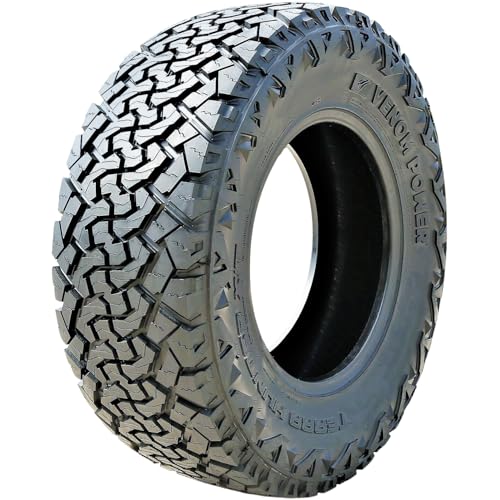


All-Terrain Crossover Workhorses


All-terrain options cater to owners who demand robust chip-resistant casings alongside composed paved manners. Modern all-terrain tires integrate multi-pitch tread variations and reinforced sidewall plies that deflect gravel strikes and resist punctures on rough jobsites. They bridge the gap between backroad durability and long-distance driving comfort, making them a prudent compromise for active truck owners.
Severe Weather and All-Season Commuters
Year-round utility requires compounds that resist hardening when temperatures plummet while preserving structural rigidity under loaded summer hauling conditions. Tires bearing specialized siping configurations deliver dependable wet braking and slush evacuation, allowing F-150 drivers across four-season climates to maintain a smooth, predictable ride regardless of sudden precipitation changes or surface temperature drops.
💡 Context Note: Always verify load index and vehicle weight ratings before purchase, as choosing an improper load capacity significantly degrades ride softness and shortens tread longevity under loaded bed conditions.
Tires for Ford F-150 Comfort and Durability Buying Guide — What Actually Matters
1. Tread Pattern: Highway All-Season vs. Rugged All-Terrain


Deciding between highway all-season treads and rugged all-terrain lugs establishes the baseline for your truck's cabin noise and ride smoothness. Continuous highway tread patterns maximize asphalt contact to absorb expansion joints seamlessly, whereas aggressive block voids create tread squirm and elevated harmonic resonance at cruising speeds.
If your truck rarely encounters mud, loose scree, or rutted trails, choosing an all-terrain profile unnecessarily sacrifices highway suppleness. Conversely, frequent gravel and worksite exposure demands reinforced tread grooves to prevent stone drilling from damaging structural belts over time.
2. Ply Construction and Load Range Selection
Matching load capacity to your actual towing routine prevents excessive harshness over road imperfections. Standard Load (SL) or Extra Load (XL) tires provide superior sidewall compliance that cushions everyday impacts, delivering the plush ride many half-ton truck owners desire during unladen commuting.


Stepping up to heavier Load Range E construction adds multi-ply puncture resistance and payload stability, but the stiffer sidewalls transfer considerably more chassis vibration into the cabin on rough asphalt unless the bed carries continuous weight.
3. Tread Compound Chemistry and Wear Resilience
Durability extends beyond steel belts to the chemical balance of the outer rubber compound. High-silica formulations enhance flexible grip in cold and wet conditions, preventing premature hardening that creates a rigid, harsh ride over progressive seasonal temperature changes.
Look for carbon-rich formulations engineered to resist chipping, tearing, and micro-cracking if your Ford encounters broken pavement or gravel roads. Balanced compounds ensure the tire wears down evenly without developing irregular cupping patterns that cause intrusive droning.
4. Wheel Diameter and Sidewall Cushioning Aspect Ratio
Factory wheel sizes on modern F-150 trims range from modest diameters up to large twenty-inch wheels, which drastically alters how much rubber cushions the rim. Taller sidewall profiles naturally absorb broken pavement strikes and road bumps before energy reaches the suspension components.
Downsizing wheel diameter to allow a taller sidewall profile yields immediate improvements in passenger comfort. Low-profile truck fitments on oversized wheels look modern, but they transmit sharp impacts directly into the steering assembly and cabin trim.
5. Internal Noise Attenuation Technologies
Manufacturers now deploy advanced pitch sequencing, closed shoulder grooves, and sound-disrupting cavity geometries to suppress acoustic frequency spikes. Because pickup beds act as acoustic resonators for road noise, controlling sound emission at the tread block level keeps the truck interior conversational.
Examine whether the shoulder blocks feature variable pitch angles designed to cancel sound waves. Tires lacking acoustic engineering will noticeably disrupt long-distance touring comfort as the tread pattern wears deeper into its service life.
💡 Pro Tip: Check your driver-side door jamb for recommended cold tire inflation pressures rather than filling to the maximum sidewall figure, as over-inflation causes a stiff, skittish ride.
Complete Comparison — Tires for Ford F-150 Comfort and Durability 2026
| Tires for Ford F-150 Comfort and Durability | Type | Best For | Overall | Value | Price |
|---|---|---|---|---|---|
| Aplus Comfort HP 235/60R16 | Best Overall | ⭐⭐⭐⭐⭐ | ⭐⭐⭐⭐⭐ | Check Price | |
| Bridgestone Alenza AS | Highway All-Season Tire | F-150 owners prioritizing quiet highway commuting | ⭐⭐⭐⭐⭐ | ⭐⭐⭐⭐⭐ | Check Price |
| Toyo Open Country AT III | All-Terrain Truck Tire | F-150 drivers tackling mixed highway and trails | ⭐⭐⭐⭐ | ⭐⭐⭐⭐ | Check Price |
| Firestone Destination LE3 Highway Terrain | Highway Terrain All-Season | High-mileage highway drivers seeking lasting comfort | ⭐⭐⭐⭐⭐ | ⭐⭐⭐⭐⭐ | Check Price |
| Yokohama Geolandar AT4 G018 All | All-Terrain Truck Tire | F-150 drivers facing harsh winter trails | ⭐⭐⭐⭐ | ⭐⭐⭐⭐ | Check Price |
Frequently Asked Questions — Tires for Ford F-150 Comfort and Durability
What is the best overall tire for Ford F-150 comfort and durability?
The Aplus Comfort HP 235/60R16 ranks top for drivers prioritizing a quiet, compliant ride on compatible setups. Its tread design focuses heavily on vibration reduction and street-oriented surface absorption. However, truck owners should confirm whether their specific Ford F-150 trim and wheel specifications accept this particular sizing, or look toward matching highway-terrain and all-terrain models that deliver comparable dampening across standard truck wheel fitments.
Does choosing an all-terrain tire ruin highway comfort in an F-150?
Modern all-terrain tires do not ruin ride quality, but they produce more road feedback than dedicated highway tires. Tier-one manufacturers engineer angled siping and multi-pitch tread patterns that break up harmonic frequencies, dampening interior cabin drone significantly. While you may notice slight stiffness over concrete expansion joints, contemporary all-terrain compounds offer acceptable road mannerisms for daily driving alongside enhanced off-road puncture resistance.
What tire pressure delivers the smoothest ride on a Ford F-150?
The vehicle manufacturer placard on the driver-side door jamb provides the optimal cold inflation pressure, typically between 35 and 40 PSI for standard half-ton setups. Running higher pressures than suggested stiffens the sidewall, transmitting road impacts directly into the passenger cabin. Maintaining the exact door-jamb recommendation preserves designed suspension dampening while safeguarding against irregular tread wear.
How many miles do durable truck tires typically last on a half-ton pickup?
Durable highway-terrain and balanced all-terrain tires generally deliver between 50,000 and 70,000 miles of service on a half-ton truck. Actual longevity depends heavily on maintaining regular five-thousand-mile rotation intervals, proper wheel alignment, and correct load pressures. Aggressive towing, high ambient temperatures, and abrasive gravel driving will naturally accelerate tread degradation over time.
Should I choose Standard Load (SL) or 10-ply (Load Range E) tires for comfort?
Standard Load (SL) tires offer superior comfort for everyday commuting and light recreational hauling. Their lighter, more flexible sidewalls flex easily over potholes and pavement bumps, providing a cushioned ride. Load Range E tires use thicker internal plies that resist damage under heavy payloads, but they introduce a distinctly firmer, stiffer ride when driving an empty truck.
Can noisy truck tires cause vibrations throughout the steering wheel?
Yes, uneven tread wear, cupping, or aggressive mud lugs can cause mechanical vibration alongside audible hum. When tread blocks slap unevenly against the pavement, the resulting resonance travels through the hubs and suspension into the steering column. Regular rotations and keeping suspension components properly aligned help prevent the irregular block wear that generates these tactile vibrations.
Do larger wheel sizes reduce Ford F-150 ride durability?
Larger wheels require lower-profile tires to maintain overall rolling diameter, which reduces the sidewall height available to cushion shocks. A thinner rubber cushion increases vulnerability to rim damage, pinch flats, and sidewall bubbling when striking potholes or sharp debris. Smaller diameter wheels with taller tire aspect ratios inherently provide greater impact protection and ride softness.
How does tread depth affect comfort on wet highways?
Ample tread depth is critical for dispersing surface water and preventing hydroplaning, which preserves stable, comfortable vehicle tracking in heavy rain. As tread grooves wear below four thirty-seconds of an inch, water evacuation drops significantly, causing the truck to feel skittish or wander over wet grooves. Maintaining healthy tread depth ensures continuous surface contact and confident highway composure.
Final Verdict — Best Tires for Ford F-150 Comfort and Durability by Category
| Category | Our Pick | Why |
|---|---|---|
| 🏆 Best Overall | Aplus Comfort HP 235/60R16 | |
| 💎 Best for Highway Comfort | Bridgestone Alenza AS | Delivers unmatched cabin quietness and pillowy highway ride quality for daily-driven Ford F-150 trucks. |
| 🏅 Best Rugged All-Weather Performance | Toyo Open Country AT III | Combines true off-road puncture defense with outstanding wet braking and civilized highway road manners. |
| 📈 Best Long-Wearing Highway Tire | Firestone Destination LE3 Highway Terrain | It combines a class-leading 70,000-mile warranty with ultra-quiet highway manners for long-distance drivers. |
| 💰 Best All-Weather Trail Durability | Yokohama Geolandar AT4 G018 All | It delivers unmatched year-round severe snow traction combined with proven trail-ready puncture resistance. |
Selecting the ideal tire for your Ford F-150 hinges on matching your typical driving environment to the correct tread profile and ply rating. Commuters and long-distance drivers prioritizing quiet cabins and plush shock absorption should focus on dedicated highway all-season models like the Bridgestone Alenza AS or Firestone Destination LE3, while those with compact wheel configurations can look at the Aplus Comfort HP.
If your truck regularly tackles gravel worksites, muddy access roads, or heavy towing duties, transitioning to robust alternatives like the Toyo Open Country AT III or Yokohama Geolandar AT4 G018 provides crucial puncture resistance and all-weather traction. By honestly assessing your weekly mileage split between smooth highways and harsh surfaces, you can secure optimal comfort without compromising necessary durability.
Last Updated: November 2026 | 5 Models Compared | Amazon + Search Engine Sourced
{
“@context”: “https://schema.org”,
“@type”: “FAQPage”,
“mainEntity”: [
{
“@type”: “Question”,
“name”: “What is the best overall tire for Ford F-150 comfort and durability?”,
“acceptedAnswer”: {
“@type”: “Answer”,
“text”: “The Aplus Comfort HP 235/60R16 ranks top for drivers prioritizing a quiet, compliant ride on compatible setups. Its tread design focuses heavily on vibration reduction and street-oriented surface absorption. However, truck owners should confirm whether their specific Ford F-150 trim and wheel specifications accept this particular sizing, or look toward matching highway-terrain and all-terrain models that deliver comparable dampening across standard truck wheel fitments.”
}
},
{
“@type”: “Question”,
“name”: “Does choosing an all-terrain tire ruin highway comfort in an F-150?”,
“acceptedAnswer”: {
“@type”: “Answer”,
“text”: “Modern all-terrain tires do not ruin ride quality, but they produce more road feedback than dedicated highway tires. Tier-one manufacturers engineer angled siping and multi-pitch tread patterns that break up harmonic frequencies, dampening interior cabin drone significantly. While you may notice slight stiffness over concrete expansion joints, contemporary all-terrain compounds offer acceptable road mannerisms for daily driving alongside enhanced off-road puncture resistance.”
}
},
{
“@type”: “Question”,
“name”: “What tire pressure delivers the smoothest ride on a Ford F-150?”,
“acceptedAnswer”: {
“@type”: “Answer”,
“text”: “The vehicle manufacturer placard on the driver-side door jamb provides the optimal cold inflation pressure, typically between 35 and 40 PSI for standard half-ton setups. Running higher pressures than suggested stiffens the sidewall, transmitting road impacts directly into the passenger cabin. Maintaining the exact door-jamb recommendation preserves designed suspension dampening while safeguarding against irregular tread wear.”
}
},
{
“@type”: “Question”,
“name”: “How many miles do durable truck tires typically last on a half-ton pickup?”,
“acceptedAnswer”: {
“@type”: “Answer”,
“text”: “Durable highway-terrain and balanced all-terrain tires generally deliver between 50,000 and 70,000 miles of service on a half-ton truck. Actual longevity depends heavily on maintaining regular five-thousand-mile rotation intervals, proper wheel alignment, and correct load pressures. Aggressive towing, high ambient temperatures, and abrasive gravel driving will naturally accelerate tread degradation over time.”
}
},
{
“@type”: “Question”,
“name”: “Should I choose Standard Load (SL) or 10-ply (Load Range E) tires for comfort?”,
“acceptedAnswer”: {
“@type”: “Answer”,
“text”: “Standard Load (SL) tires offer superior comfort for everyday commuting and light recreational hauling. Their lighter, more flexible sidewalls flex easily over potholes and pavement bumps, providing a cushioned ride. Load Range E tires use thicker internal plies that resist damage under heavy payloads, but they introduce a distinctly firmer, stiffer ride when driving an empty truck.”
}
},
{
“@type”: “Question”,
“name”: “Can noisy truck tires cause vibrations throughout the steering wheel?”,
“acceptedAnswer”: {
“@type”: “Answer”,
“text”: “Yes, uneven tread wear, cupping, or aggressive mud lugs can cause mechanical vibration alongside audible hum. When tread blocks slap unevenly against the pavement, the resulting resonance travels through the hubs and suspension into the steering column. Regular rotations and keeping suspension components properly aligned help prevent the irregular block wear that generates these tactile vibrations.”
}
},
{
“@type”: “Question”,
“name”: “Do larger wheel sizes reduce Ford F-150 ride durability?”,
“acceptedAnswer”: {
“@type”: “Answer”,
“text”: “Larger wheels require lower-profile tires to maintain overall rolling diameter, which reduces the sidewall height available to cushion shocks. A thinner rubber cushion increases vulnerability to rim damage, pinch flats, and sidewall bubbling when striking potholes or sharp debris. Smaller diameter wheels with taller tire aspect ratios inherently provide greater impact protection and ride softness.”
}
},
{
“@type”: “Question”,
“name”: “How does tread depth affect comfort on wet highways?”,
“acceptedAnswer”: {
“@type”: “Answer”,
“text”: “Ample tread depth is critical for dispersing surface water and preventing hydroplaning, which preserves stable, comfortable vehicle tracking in heavy rain. As tread grooves wear below four thirty-seconds of an inch, water evacuation drops significantly, causing the truck to feel skittish or wander over wet grooves. Maintaining healthy tread depth ensures continuous surface contact and confident highway composure.”
}
}
]
}