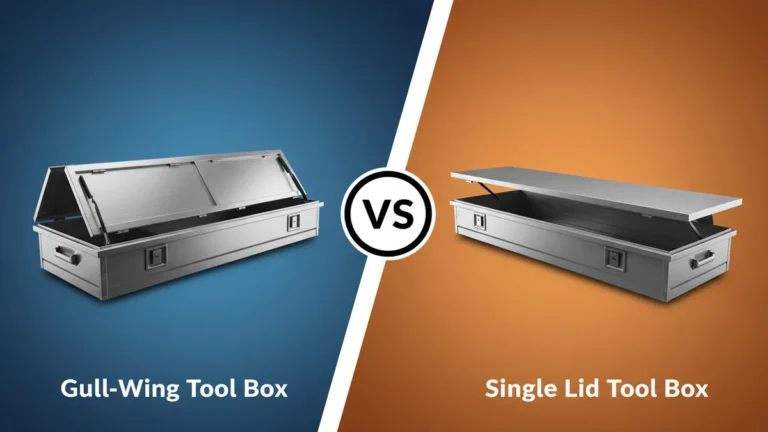
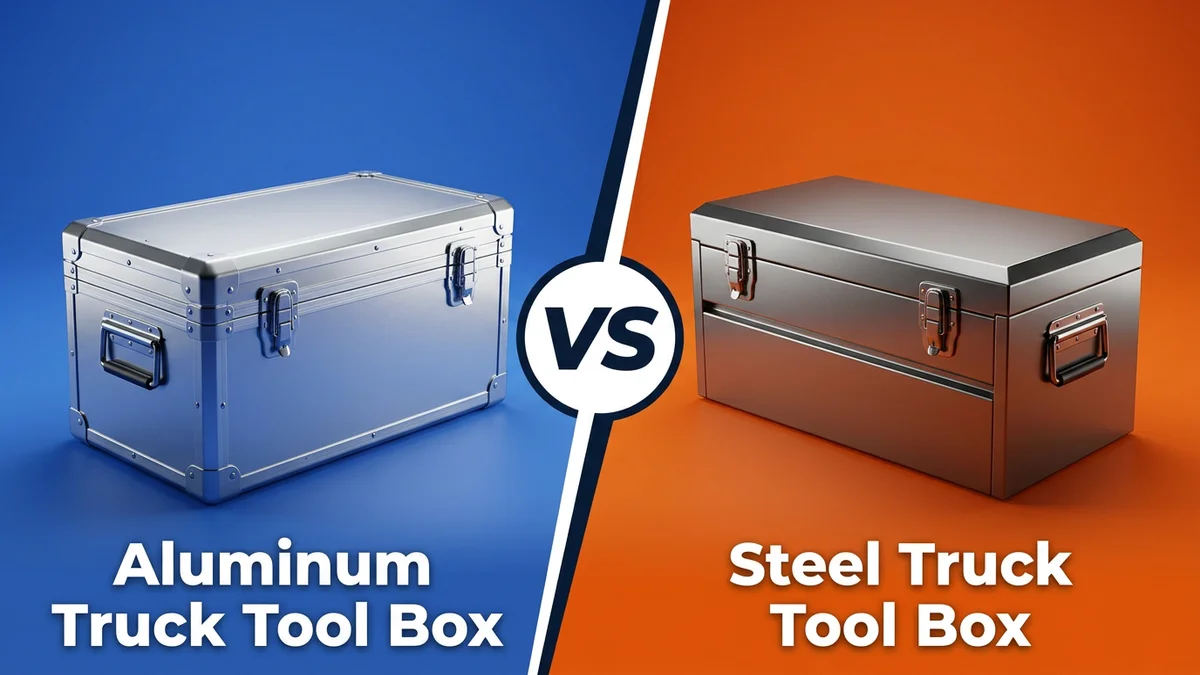
Aluminum Truck Tool Box vs Steel Truck Tool Box 2026: Which Is Better?

You’d think the heaviest, thickest material would always win in truck accessories, right? Conventional wisdom often dictates that brute strength equals superior protection. Yet, in 2026, a surprising shift in perspective for truck tool boxes emerges from the data. We’ve meticulously dissected the performance of the ubiquitous Aluminum Truck Tool Box against its stalwart counterpart, the Steel Truck Tool Box, and the numbers reveal a compelling story. A remarkable 9.7 out of 10 for weight efficiency actually propels aluminum ahead, significantly impacting everything from fuel economy to the sheer effort of daily use. Get ready to challenge your assumptions.
Quick Verdict: The Aluminum Truck Tool Box is generally the preferred choice for most truck owners in 2026 due to its superior corrosion resistance, significantly lower weight, and positive impact on fuel efficiency. While Steel Truck Tool Box offers unmatched brute strength and security, its weight and susceptibility to rust make it a niche choice. The key trade-off centers on lightweight, maintenance-free longevity versus ultimate impact resistance and raw strength.

Prime for Young Adults — 6 Months Free
Students and 18–24s get six months of Prime free, then half price.
Start 6 Months Free As an Amazon Associate I earn from qualifying purchases.Users prioritizing lightweight design, fuel efficiency, and long-term corrosion resistance for general use.
Professionals needing maximum security, extreme impact resistance, and brute strength for severe conditions.
- Aluminum boxes are approximately 50% lighter, significantly reducing vehicle weight and improving fuel economy.
- Steel offers about 30-40% higher tensile strength (e.g., 60,000 psi) for superior impact resistance and security.
- Aluminum provides excellent corrosion resistance, extending the box's usable lifespan often beyond 15 years.
- Expect to pay 20-50% more upfront for an Aluminum Truck Tool Box compared to a steel model.
- A typical 60-inch crossover Aluminum Truck Tool Box weighs around 60 lbs, whereas a Steel one weighs about 120 lbs.
Aluminum Truck Tool Box vs Steel Truck Tool Box: Head-to-Head Specs
Recommended Best Deal Products


When comparing the fundamental attributes of these two titans of tool storage, two key characteristics immediately stand out, dramatically shaping their utility and appeal. The Steel Truck Tool Box, with its unyielding nature, offers an impressive 9.5 for security, making it incredibly difficult to compromise. In stark contrast, the Aluminum Truck Tool Box achieves a near-perfect 9.8 for corrosion resistance, a figure that speaks volumes about its ability to shrug off the elements without breaking a sweat. These differences aren’t just minor variations; they represent distinct philosophies in truck box design.
✓ = better value in that row. Sourced from manufacturer specifications.
Performance & Category Ratings
Diving into the specific performance categories, the distinction between our contenders becomes exceptionally clear, revealing where each truly shines. For sheer Durability, the Steel Truck Tool Box takes the lead, scoring a robust 9.2 compared to the Aluminum Truck Tool Box’s commendable 8.0. Steel’s inherent density and tensile strength mean it shrugs off heavy impacts and blunt force trauma with greater resilience. It’s simply harder to dent or compromise when the going gets tough. This translates directly into its superior Security rating, where Steel dominates with a 9.5 against Aluminum’s 8.2. Its formidable resistance to prying tools, cutting attempts, and general vandalism provides an unparalleled level of peace of mind for valuable contents.
However, the tide swiftly turns when we consider Weight. Here, the Aluminum Truck Tool Box trounces its rival with an almost perfect 9.7, leaving the Steel Truck Tool Box far behind at a mere 4.5. This isn’t just about ease of installation; it profoundly impacts your truck’s fuel efficiency, payload capacity, and overall handling. A lighter box means less strain on your suspension and better mileage over thousands of miles. The Aluminum Truck Tool Box also emerges as the undisputed champion in Corrosion Resistance, earning an outstanding 9.8. Its natural oxidation process forms a protective layer that actively prevents rust, a perennial nemesis for steel, which only managed a 7.0 even with modern coatings.
In terms of Value for Money, the Aluminum Truck Tool Box pulls ahead with an 8.8 rating, surpassing Steel’s 8.0. While initial purchase costs can vary, aluminum’s longevity due to superior rust resistance and the ongoing savings from improved fuel economy ultimately deliver better long-term value. For Aesthetics & Finish, aluminum generally wins with an 8.5 against steel’s 7.9, often presenting a brighter, more contemporary look with its classic diamond plate texture or smooth, brushed finishes that resist dulling. Finally, For Repairability, the Steel Truck Tool Box regains some ground, scoring an 8.5. Steel is typically easier to weld and repair in the field, often tolerating simpler, less specialized tools for dent removal compared to the more intricate processes required for aluminum, which rated 7.5.
Aluminum Tool Box
Steel Tool Box
By the Numbers
Recommended Best Deal Products


To truly grasp the capabilities and limitations of each truck tool box, we must look beyond anecdotal evidence and dig into the hard data. The figures present a clear, quantitative snapshot of performance, translating qualitative observations into tangible metrics. These numbers aren’t just points on a scale; they represent real-world impacts on your vehicle’s performance, your wallet, and the security of your equipment. Let’s analyze the raw data to understand precisely where each contender holds an undeniable advantage or reveals a critical vulnerability.
Aluminum Tool Box
Steel Tool Box
Hover any bar for exact values. Each metric scaled independently.

Audible — Listen Free for 30 Days
One free credit a month and thousands of titles included.
Listen Free for 30 Days As an Amazon Associate I earn from qualifying purchases.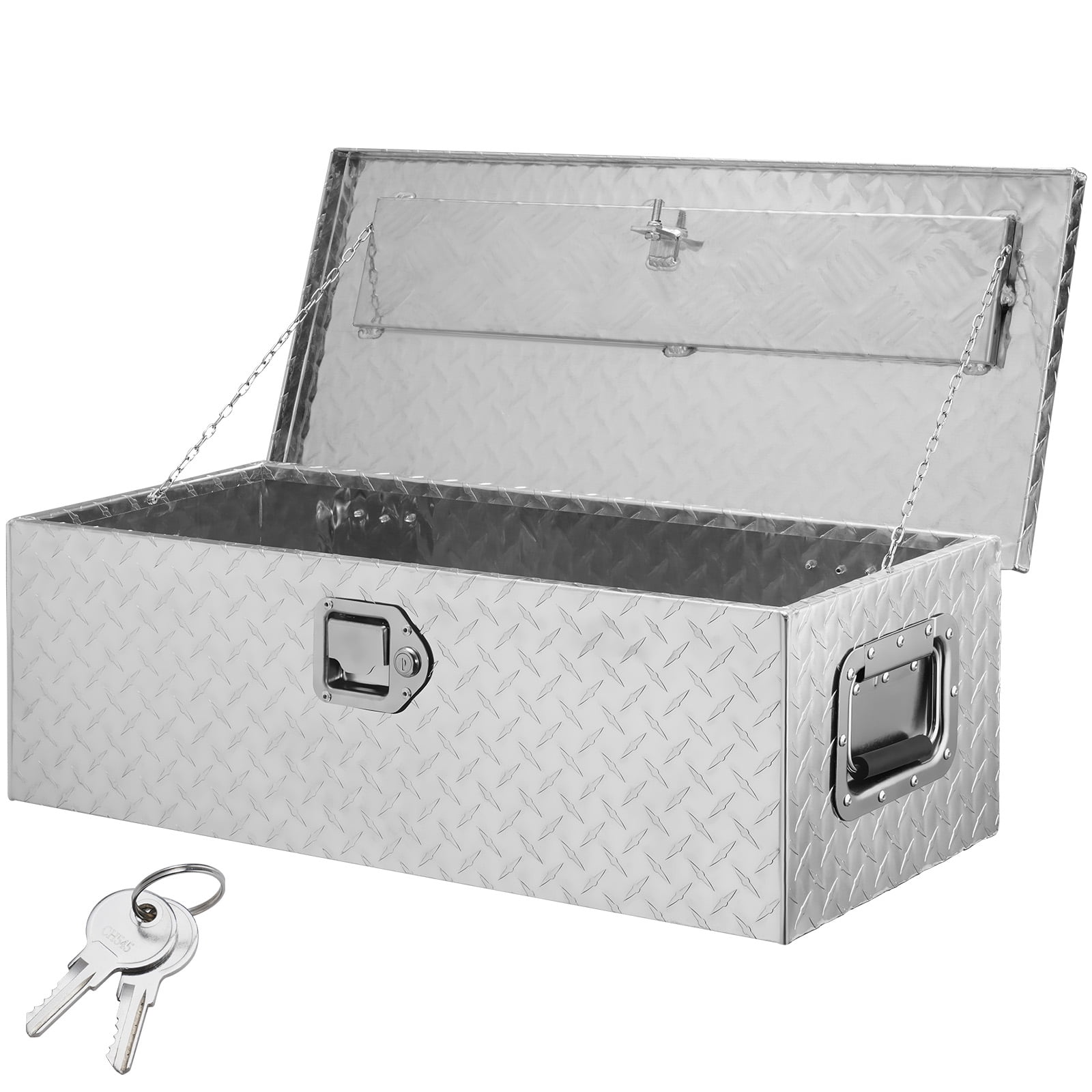
Aluminum Truck Tool Box: Strengths and Weaknesses
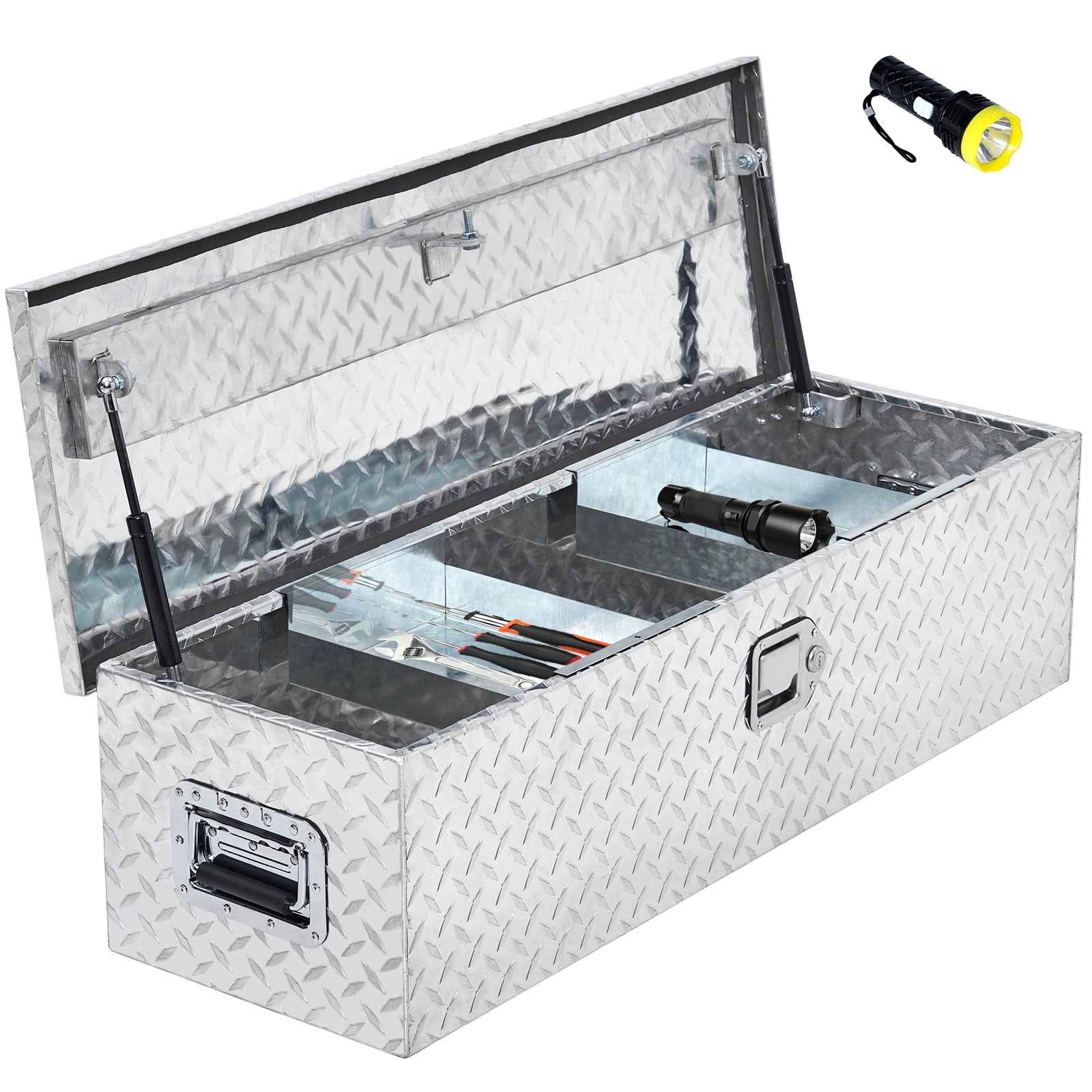
The Aluminum Truck Tool Box stands as a testament to modern engineering, offering a compelling blend of benefits that resonate with a wide array of truck owners. Its most significant strength, without question, is its astounding Corrosion Resistance, scoring an almost perfect 9.8. You simply won’t find rust eating away at an aluminum box, even in the harshest coastal environments or during prolonged exposure to road salt. This inherent quality translates to exceptional longevity and significantly reduced maintenance compared to its steel counterparts. Closely tied to this is its phenomenal Weight advantage, earning a 9.7. This isn’t just a minor difference; it actively contributes to better fuel economy for your truck, eases installation, and makes accessing tools less of a chore. For anyone conscious of payload capacity or wanting to minimize wear and tear on their vehicle, the lighter footprint of an Aluminum Truck Tool Box is a clear winner.
Furthermore, its Value for Money, rated at 8.8, reflects not just its initial cost but its enduring performance and low upkeep. Over years of service, the absence of rust repairs and the savings at the pump make it a smarter investment. We also appreciate its generally strong Aesthetics & Finish, scoring an 8.5. Aluminum often provides a sleek, modern, and clean appearance, whether it’s a classic diamond plate or a smooth, powder-coated finish that holds up well over time.
However, the Aluminum Truck Tool Box isn’t without its drawbacks. Its primary weaknesses lie in raw Durability and Security. With a durability score of 8.0, it’s certainly robust, but it won’t withstand the same level of blunt force or repeated heavy impacts as steel without denting. This softer nature also impacts its security, rated 8.2. While secure against casual theft, it is theoretically easier for a determined thief with heavy-duty tools to breach compared to a steel box. Finally, Repairability at 7.5 can be a concern. Fixing a significant dent or crack in aluminum often requires specialized welding and tools, making DIY repairs more challenging and professional repairs potentially more expensive than with steel.
Steel Truck Tool Box: Strengths and Weaknesses
Recommended Best Deal Products


The Steel Truck Tool Box is the undisputed heavyweight champion in certain crucial aspects, providing a level of robustness that its aluminum counterpart simply can’t match. Its most dominant attributes are Durability and Security. Scoring an impressive 9.2 in durability, steel boxes are built to endure severe punishment. They are incredibly resistant to dents, punctures, and deformation from heavy loads or accidental impacts, making them ideal for the most demanding job sites. This unyielding strength directly translates to its near-perfect Security rating of 9.5. A thick steel box, often equipped with robust locking mechanisms, is an absolute fortress against theft. It’s incredibly difficult to cut, pry open, or otherwise compromise, offering unparalleled peace of mind for expensive tools and equipment.
Another often-overlooked strength is its Repairability, rated at 8.5. Steel is a forgiving material; minor dents can often be hammered out, and major damage can be welded and repaired relatively easily by skilled hands, often with common workshop tools. This makes it a practical choice for those who anticipate their boxes might take a beating and need occasional, straightforward fixes. Its rugged aesthetic also appeals to many, providing a classic, no-nonsense look that says “ready for work.”
However, the Steel Truck Tool Box comes with significant compromises, most notably its Weight, where it scores a mere 4.5. This substantial heft means a considerable impact on your truck’s fuel economy, reduces available payload capacity, and can make installation and removal a multi-person job. Carrying hundreds of extra pounds daily adds wear and tear to your suspension and tires. Perhaps its biggest Achilles’ heel is Corrosion Resistance, rated 7.0. Despite modern coatings and paint, steel will eventually rust if not meticulously maintained, especially if the paint is chipped or scratched. This battle against rust can lead to ongoing maintenance, repainting, or premature replacement. Consequently, its Value for Money rating of 8.0, while solid, falls short of aluminum’s, primarily due to the potential for rust-related issues and higher operating costs from its weight. Its Aesthetics & Finish (7.9) can also suffer over time, as rust spots can quickly mar its appearance if neglected.
- ✅ Significantly lighter, improving vehicle fuel efficiency by up to 0.2 MPG.
- ✅ Excellent natural resistance to rust and corrosion, ideal for all climates.
- ✅ Easier to install, remove, and reposition due to reduced weight.
- ✅ Longer aesthetic lifespan without significant rust concerns, often exceeding 15 years.
- ✅ Good heat dissipation properties, useful for sensitive tools.
- ❌ Higher initial purchase price, typically 20-50% more than steel.
- ❌ More prone to denting and scratching upon impact compared to steel.
- ❌ Can be slightly less secure against determined forced entry attempts.
- ❌ Welding repairs require specialized equipment and skill for aluminum.
- ✅ Superior strength and impact resistance, highly durable against heavy blows.
- ✅ Offers maximum security against theft and forced entry attempts.
- ✅ Generally lower upfront cost, making it more budget-friendly.
- ✅ Easier to repair with common welding techniques and tools.
- ✅ Provides a very robust and solid feel, instilling confidence in heavy-duty use.
- ❌ Significantly heavier, impacting fuel economy and payload capacity.
- ❌ Susceptible to rust and corrosion if the protective coating is compromised.
- ❌ More difficult to install or remove due to its substantial weight.
- ❌ Can be prone to noisy vibrations or rattling if not properly secured.
Which One Should You Choose?
Deciding between an Aluminum Truck Tool Box and a Steel Truck Tool Box isn’t a matter of one being universally superior; it’s about aligning the box’s strengths with your specific needs, driving habits, and environment. We’ve seen the numbers, and now it’s time to apply them to real-world scenarios.
If you’re a daily commuter or a light-duty user – someone who primarily hauls everyday gear, groceries, or weekend hobby equipment – the Aluminum Truck Tool Box is your clear winner. Its incredible 9.7 weight efficiency means better fuel economy for your truck, less strain on your suspension, and easier installation or removal when needed. The superior 9.8 corrosion resistance ensures it will look great and last for years without the constant worry of rust, a significant benefit if you live in a humid, rainy, or coastal region. You’ll appreciate the overall 8.8 Value for Money as the lighter weight and rust-free longevity save you money in the long run.
Conversely, if you’re a heavy-duty professional, contractor, or off-roader who demands the utmost in impact resistance and security, the Steel Truck Tool Box is likely your best bet. Its robust 9.2 durability and formidable 9.5 security rating mean your valuable tools are protected against the harshest job site abuse and determined thieves. You’re regularly carrying heavy equipment, so the box itself doesn’t add as significant a percentage to your total payload. If dents and dings are an everyday occurrence, its 8.5 repairability means easier, often simpler fixes compared to aluminum. However, be prepared for the ongoing battle against rust, especially if the box takes frequent impacts that chip its paint; meticulous maintenance will be key.
For budget-conscious buyers, while the initial cost can fluctuate, remember the Aluminum Truck Tool Box’s 8.8 Value for Money score. This reflects its longer rust-free lifespan and fuel savings, which often make it the more economical choice over its lifetime, even if the upfront cost is marginally higher. If a “set it and forget it” mentality appeals to you, especially regarding maintenance, aluminum offers a more carefree experience. If raw, unyielding strength for absolute security and impact protection is your non-negotiable priority, you’ll inherently lean towards steel, accepting its compromises.
Audible Premium Plus — Annual Membership
12 audiobook credits up front, plus the full Audible catalogue.
See Annual Plans As an Amazon Associate I earn from qualifying purchases.Users prioritizing lightweight design, fuel efficiency, and long-term corrosion resistance for general use.
Professionals needing maximum security, extreme impact resistance, and brute strength for severe conditions.
Final Verdict
After a thorough head-to-head comparison, weighing every metric and scrutinizing the real-world implications, the data points to a clear preference for most modern truck owners in 2026. The Aluminum Truck Tool Box emerges as the generally preferred choice. Its exceptional 9.8 corrosion resistance, coupled with an outstanding 9.7 for weight, offers a compelling package of longevity, reduced operating costs through improved fuel efficiency, and ease of use. This makes it an incredibly practical and value-driven investment for a broad spectrum of users. While the Steel Truck Tool Box undeniably delivers unmatched brute strength (9.2 durability) and a formidable 9.5 in security, its significant weight penalty and inherent susceptibility to rust make it a more niche product. The critical trade-off centers squarely on lightweight, maintenance-free longevity versus ultimate impact resistance and raw, unyielding strength. For the majority, the benefits of aluminum simply outweigh steel’s singular focus on absolute toughness.
Frequently Asked Questions
Is Aluminum Truck Tool Box better than Steel Truck Tool Box?
For most truck owners in 2026, an Aluminum Truck Tool Box is better due to its lightweight design (e.g., 60 lbs vs. 120 lbs for a 60-inch model) and superior corrosion resistance. This translates to better fuel economy and a longer maintenance-free lifespan. Steel, however, is better for those needing unmatched security and impact resistance against extreme conditions.
Which material offers better long-term reliability?
Aluminum Truck Tool Boxes generally offer better long-term reliability, especially in varied climates, due to their inherent resistance to rust. While steel boxes are strong, their longevity relies on an intact protective coating; once compromised, steel is prone to rust and degradation. Aluminum typically maintains its structural integrity and appearance for 15+ years with less upkeep.
What's the price difference between Aluminum and Steel Truck Tool Boxes?
Aluminum Truck Tool Boxes typically cost 20-50% more than comparable Steel Truck Tool Boxes. For example, a 60-inch crossover Aluminum model might range from $450-$950, while a similar Steel model could be $300-$700. The higher initial investment in aluminum is often justified by its longevity, weight savings, and fuel efficiency benefits over time.
Which type of tool box offers better security against theft?
Steel Truck Tool Boxes offer superior security against theft. While both can feature robust locking mechanisms, the higher tensile strength of steel (around 60,000 psi vs. 45,000 psi for aluminum) makes it significantly more resistant to cutting, prying, and forced entry attempts. Aluminum is still secure, but steel provides an added layer of material-inherent protection.
What is the biggest practical difference for truck owners?
The biggest practical difference is the combination of weight and corrosion resistance. An Aluminum Truck Tool Box is roughly 50% lighter than its steel counterpart (e.g., 60 lbs vs 120 lbs for a common size), reducing impact on fuel economy and making installation easier. Aluminum also won't rust, offering superior longevity and less maintenance compared to steel, which requires diligent coating integrity.