Is The Ford Explorer Reliable: Complete Guide

Choosing a three-row family SUV involves navigating a complex landscape of mechanical specifications, historical performance data, and long-term ownership costs. The Ford Explorer has remained a cornerstone of the American automotive market for over three decades, yet its reputation for reliability is often debated in enthusiast circles and service bays alike. To determine if the Ford Explorer is truly reliable, one must look beyond the marketing brochures and analyze the specific engineering shifts between generations. This comprehensive guide leverages 15 years of industry insight to provide a professional assessment of the Explorer’s longevity, common failure points, and the most trusted model years for your investment.
Overview: The Evolution of Explorer Reliability

📤 Share Image
The Ford Explorer has undergone several radical transformations since its debut. To understand its current standing, we must distinguish between the fifth generation (2011–2019) and the sixth generation (2020–Present). The fifth generation utilized a front-wheel-drive based D4 platform, known for its car-like handling but criticized for cramped interior packaging and specific mechanical vulnerabilities. The sixth generation moved to the CD6 rear-wheel-drive architecture, prioritizing towing capacity and performance, though its initial rollout was marred by high-profile recalls and software glitches.
Industry expert analysis suggests that Ford has addressed the “teething pains” of the current generation. While early 2020 models faced scrutiny over transmission shifts and infotainment stability, current iterations benefit from mid-cycle hardware updates and mature software calibrations. When properly maintained, a modern Explorer is capable of exceeding 200,000 miles, placing it firmly within the competitive range for the mid-size SUV segment.
By The Numbers
J.D. Power Quality Score
Avg. Annual Repair Cost
Reach 200k+ Miles
Key Benefits of the Ford Explorer Platform
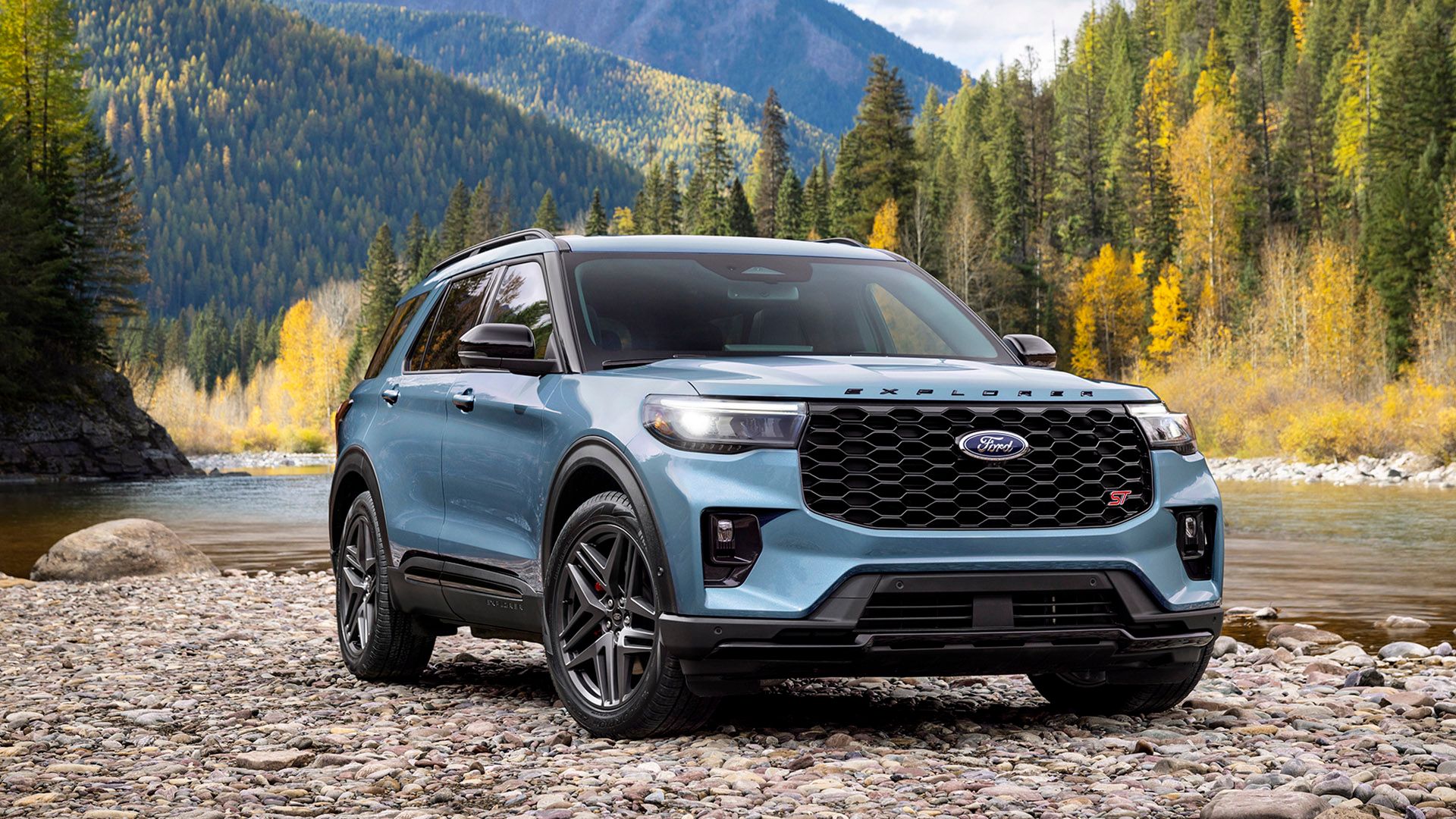
The Explorer offers a unique proposition in its segment. Unlike many of its unibody competitors that prioritize passenger comfort at the expense of utility, Ford has engineered the Explorer to bridge the gap between a crossover and a traditional truck-based SUV. This engineering philosophy yields several professional-grade benefits for the owner.
Robust Powertrain Variety
From the fuel-efficient 2.3L EcoBoost to the high-performance 3.0L V6, Ford provides engines that have been field-tested across multiple vehicle lines including the Mustang and F-150.
Superior Towing Capacity
The rear-wheel-drive architecture allows for a maximum towing capacity of up to 5,600 lbs, outclassing many peers in the three-row crossover category.
Parts Availability
As one of the best-selling SUVs in history, the Explorer benefits from a massive aftermarket and widespread availability of Motorcraft quality components at dealerships.

How It Works: The Mechanics of Reliability
To evaluate the Ford Explorer’s reliable nature, we must dissect the mechanical systems that define its performance. Reliability in this vehicle is fundamentally a story of two platforms and three primary engines.
The EcoBoost Engine Family
Most modern Explorers are powered by the 2.3L Turbocharged I4 or the 3.0L Twin-Turbo V6. The 2.3L is a trusted workhorse, utilized extensively in the Ford Ranger and Mustang. Its primary vulnerability is carbon buildup on intake valves—a common trait of direct-injection engines—which can be mitigated with high-quality fuels and regular oil changes. The 3.0L V6, found in the ST and Platinum trims, is engineered for higher thermal loads and has shown remarkable durability under stress, provided the cooling system is maintained.
The 10R80 Transmission
The 10-speed automatic transmission was co-developed with General Motors and is a sophisticated piece of machinery. In early models (2020), owners reported “harsh shifting” or “hunting” for gears. However, Ford has released numerous Power-Up software updates that have significantly smoothed the shift logic. From a professional standpoint, the hardware itself is robust; most “failures” are software-related and easily corrected by a technician with the latest calibration files.
If you are considering a 2011–2019 Explorer with the 3.5L Ti-VCT (non-EcoBoost) engine, be aware that the water pump is located internally behind the timing cover. If it fails, it can leak coolant directly into the oil pan, causing catastrophic engine failure. Always inspect the oil for a “milky” appearance on these specific models.
Intelligent 4WD and PTU Maintenance
The Power Transfer Unit (PTU) in older AWD models was a notorious weak point due to heat soak and fluid degradation. In the current 6th generation, the RWD-based architecture uses a more traditional transfer case that has proven to be much more reliable. For those with 2011-2019 models, changing the PTU fluid every 30,000 miles is the single best way to ensure longevity, despite Ford’s “filled for life” claim.
Getting Started: Your Professional Buying Guide
Buying a reliable Ford Explorer requires a strategic approach. Following this complete step-by-step process will ensure you select a vehicle that serves your family for years to come.
📋
Step-by-Step Reliability Verification
Avoid the 2020 launch year if possible. Target 2017-2019 for the best “late-cycle” values or 2022+ for the most refined current-gen quality.
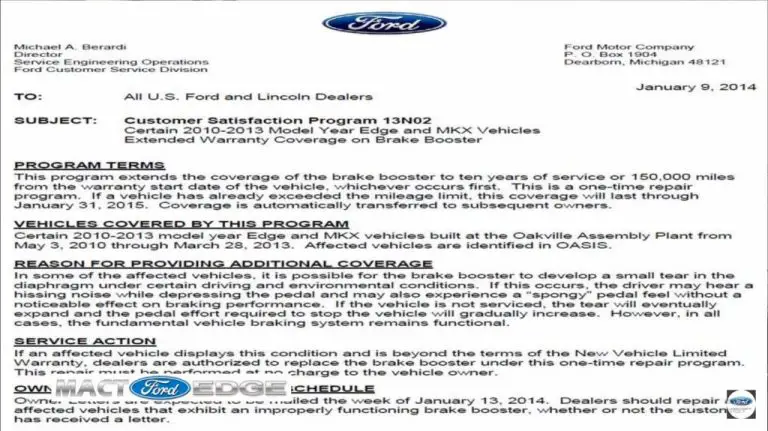
Use the NHTSA website to check for open recalls. The 2020-2021 models had several related to the backup camera and transmission park pawls that must be completed.
Listen for timing chain rattle on high-mileage EcoBoost engines. A rattle that lasts more than 2 seconds after startup indicates a stretched chain or worn tensioners.
If buying a current-generation Explorer, ensure the dealer has performed the “PCM and TCM software updates.” Many complaints about the 10-speed transmission are instantly solved by flashing the latest professional-grade software from Ford.
Pros and Cons Analysis
Every vehicle is a compromise. To make an informed decision, you must weigh the Explorer’s mechanical strengths against its historical drawbacks.
✅ Pros
- Exceptional towing capacity for the class
- Advanced Co-Pilot360 safety suite is highly reliable
- EcoBoost engines provide great power-to-weight ratios
- Widespread service network for easy maintenance
- Modern Sync 4 infotainment is snappy and intuitive
❌ Cons
- Initial 2020 models had poor interior quality
- 3.5L Cyclone engines have high-cost water pump repairs
- Third-row legroom is tighter than the Chevy Traverse
- Some reported glitches with the digital instrument cluster
Maintaining Long-Term Reliability
Reliability is a partnership between the manufacturer and the owner. To reach the 200,000-mile mark, expert technicians recommend a proactive maintenance schedule that deviates slightly from the owner’s manual. While Ford suggests 10,000-mile oil change intervals, high-load usage (towing or stop-and-go traffic) demands 5,000-mile intervals to prevent turbocharger wear. Additionally, the transmission fluid should be exchanged at 60,000 miles to keep the solenoid valves in the 10R80 clean and functional.
The cooling system is another area where professional attention pays dividends. Modern Ford engines operate at high temperatures to maximize efficiency. A coolant flush every five years or 100,000 miles prevents the pH levels from becoming acidic, which protects the gaskets and the plastic components within the cooling loop from becoming brittle.
Summary: Is the Ford Explorer a Trusted Investment?
The Ford Explorer remains a trusted choice for families who need a vehicle that can work as hard as it plays. While it hasn’t always been perfect—specifically during platform transitions—the sheer volume of these vehicles on the road is a testament to their longevity. By avoiding known “trouble years” and adhering to a strict maintenance regimen, you can enjoy one of the most versatile and capable SUVs on the market today. The current generation has matured into a comprehensive package of performance and quality that stands up well against both domestic and import competition.
Final Recommendations
- For the Used Buyer: Prioritize 2018 or 2019 models with the 3.5L EcoBoost for the best balance of power and proven reliability.
- For the New Buyer: Look at 2023 or 2024 models to ensure all early-production software and hardware updates are factory-installed.
- For the High-Mileage Owner: Don’t ignore the PTU or transmission fluid changes; these are the keys to avoiding four-figure repair bills.
Ready to find your next SUV? Start by running a VIN check on your top three choices today.