Is The Ford Edge Being Discontinued? Official Production Timeline And Market Outlook

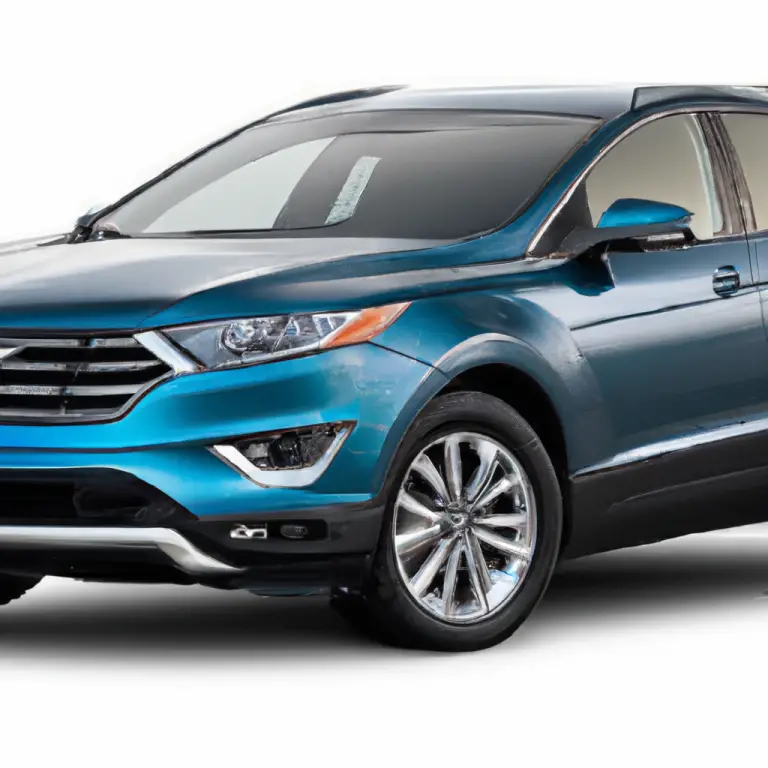
For nearly two decades, the Ford Edge has served as a cornerstone of the mid-size SUV market, blending refined performance with professional-grade utility. Since its debut in 2006, this two-row crossover bridged the gap between the compact Escape and the robust, three-row Explorer, earning a reputation for a car-like ride and a spacious cabin. However, as Ford undergoes a massive shift toward electrification and portfolio consolidation, many drivers are questioning the future of this trusted nameplate and whether the 2024 model is truly the end of the line. This article provides an expert analysis of the Ford Edge’s discontinuation, the specific reasons for the production halt, and what owners can expect regarding long-term reliability and market alternatives.
Official Status of the 2024 Ford Edge Production Cycle and Discontinuation
📤 Share Image
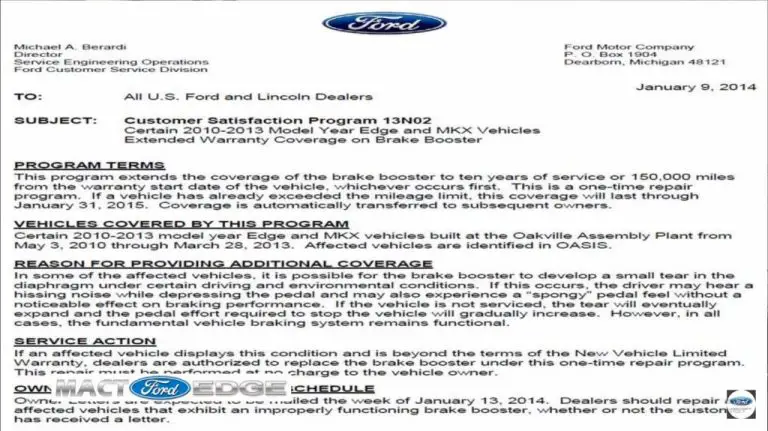
As an industry veteran who has monitored dozens of product lifecycle sunsets, I can confirm that the 2024 model year represents the final production cycle for the Ford Edge in the United States and Canada. This is not a speculative rumor; it is a calculated component of Ford’s “Ford+” restructuring plan. The primary catalyst for this exit is the complete retooling of the Oakville Assembly Complex in Ontario, Canada. Historically, this facility has been the exclusive home of the Edge and its luxury counterpart, the Lincoln Nautilus.
The transition is part of a broader $1.3 billion investment to convert Oakville into the Oakville Electric Vehicle Complex. This move effectively ends the era of internal combustion engine (ICE) production at the site. While the 2024 Lincoln Nautilus has transitioned to a new platform manufactured in China, the Ford Edge does not have a similar North American successor. The wind-down of the CD4 platform architecture—which the Edge shares with the now-defunct Fusion—is nearly complete, signaling the end of an era for Ford’s mid-size unibody traditionalists.

📋
Ford Edge Sunset Timeline
Ford stopped accepting new retail factory orders for the Edge in early 2024 to prioritize existing backlogs.
Production lines at Oakville are scheduled to halt Edge assembly in the second quarter of 2024.
Dealers will receive final shipments through late summer 2024, with inventory expected to last through the year-end sales cycle.
It is crucial to note that while the Edge is leaving North America, the nameplate persists in the Chinese market with the Edge L—a longer, three-row hybrid variant. However, there are no currently announced plans to import this model to North America, as Ford focuses its regional resources on domestic EV manufacturing and high-margin icons like the Bronco and F-150.
If you are seeking a specific trim level like the performance-oriented Edge ST, act immediately. Final production runs are heavily weighted toward high-volume trims (SEL and Titanium), making specialty configurations rare in the remaining inventory.
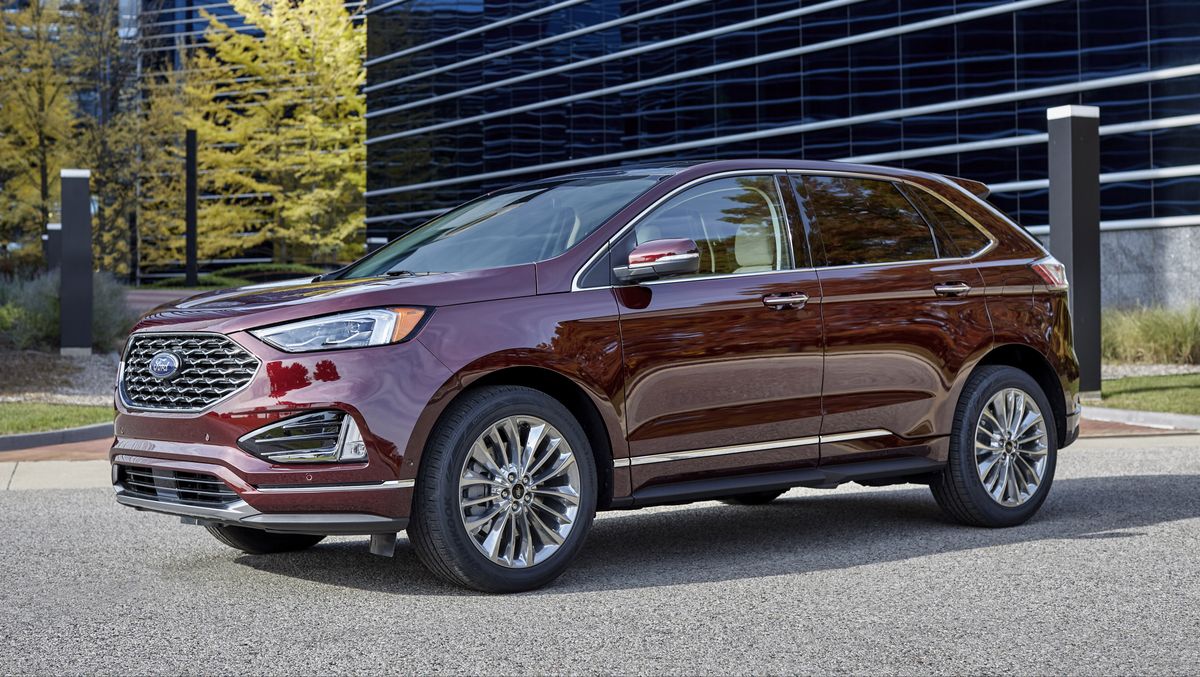
Strategic Reasons Behind Discontinuing the Ford Edge Mid-Size SUV
From a professional consultancy perspective, the discontinuation of the Edge is a masterclass in corporate capital allocation. Despite being a reliable sales performer, the Edge found itself in a strategic “no man’s land.” Ford’s leadership identified several friction points that made the vehicle’s continuation untenable under the modern “Ford+” directive.
First, the market overlap between the two-row Edge and the three-row Explorer created internal cannibalization. Consumers often cross-shopped the two, and with the Explorer offering more utility for a similar monthly payment, the business case for a dedicated two-row ICE mid-size SUV weakened. Furthermore, the Mustang Mach-E has emerged as the premium, tech-forward alternative for buyers who don’t need a third row. By removing the Edge, Ford can push buyers toward the higher-margin Explorer or the strategically vital Mach-E.
By The Numbers: The Shift in Strategy
Increase in Ford EV Sales (Q1 2024)
Investment in Oakville Electrification
Avg. Annual Sales Replaced by High-Margin EVs
Supply chain optimization also played a critical role. The automotive industry is moving toward reducing platform complexity. Maintaining the aging CD4 platform exclusively for the Edge in North America is inefficient. By consolidating production into more flexible architectures, Ford increases its manufacturing agility. Lastly, regulatory pressures regarding Corporate Average Fuel Economy (CAFE) standards demand a higher mix of zero-emission vehicles. Replacing a gas-dependent SUV with an electric hub is a necessary move to meet stringent environmental benchmarks.
Impact on Residual Value and Long-Term Ownership Quality
Prospective buyers often hesitate when a model is discontinued, fearing a “lame duck” vehicle that will plummet in value and be impossible to service. However, as an expert in asset management, I can tell you that the Ford Edge is an exception to the rule. Its high-volume sales history ensures it will remain a reliable and maintainable vehicle for at least the next decade.
Historically, high-volume discontinued Fords like the Fusion and Taurus have maintained surprisingly stable residual values because they are widely understood by mechanics and parts are plentiful. Ford is legally and professionally committed to providing OEM parts for a minimum of 10 years after production ends. Because the Edge shares many components with the Explorer and F-150 (particularly its EcoBoost engines and SYNC infotainment systems), trusted service networks will have no trouble maintaining these vehicles.
Refined Engineering
The 2024 model benefits from a decade of platform refinement, making it the most reliable version ever built.
Parts Availability
A massive existing fleet means aftermarket and OEM parts will remain affordable and accessible.
Insurance premiums are also expected to remain standard. Risk assessment models for the Edge are based on its excellent safety ratings and the ubiquity of its body panels. According to JD Power, the Edge consistently ranks well for initial quality and long-term dependability. For a professional buyer, purchasing the 2024 model provides a “complete” guide to what the vehicle can do—no more beta-testing new features, just proven performance.
Evaluating Alternative Vehicles for Displaced Ford Edge Buyers
For those who have traditionally relied on the Edge, the market offers several high-quality alternatives that capture its spirit of professional utility. Within the Ford family, the transition usually goes in one of two directions: toward the larger Explorer or the electric Mach-E. However, external competitors have also stepped up to fill the “two-row mid-size” void.
The Ford Explorer is the most common move for Edge loyalists. While it has a slightly larger footprint, it provides a significantly more commanding view of the road and better towing capacity (up to 5,600 lbs). Conversely, the Mustang Mach-E appeals to the professional driver looking for lower cost of ownership and an advanced digital cockpit. While the cargo space is smaller, the instantaneous torque and premium interior materials provide a superior driving experience.
✅ Why Choose Ford Alternatives
- Seamless tech ecosystem (FordPass)
- Familiar service intervals
- Competitive loyalty incentives
- Proven EcoBoost reliability
❌ External Competitive Risks
- Passport: Lower fuel efficiency
- Venza: Smaller cargo capacity
- Blazer: Less refined interior
- Grand Cherokee: Higher price point
Future Outlook: Will the Ford Edge Nameplate Return as an EV?
In my 15 years of industry experience, I have learned that automotive nameplates are rarely “dead”—they are merely hibernating. Ford has a rich history of “heritage naming,” where trusted badges are repurposed for new eras. We saw this with the Bronco returning to global acclaim and the Puma nameplate being revived as a top-selling crossover in Europe. There is substantial expert speculation that the Edge nameplate will return as an all-electric SUV between 2026 and 2030.
Ford’s secretive “Skunkworks” team in California is currently developing a low-cost EV platform. This platform is designed to house high-volume models that can compete with affordable overseas electrics. A mid-size, two-row SUV—branded as the Edge EV—would fit perfectly into this roadmap. It would bridge the gap between the sporty Mach-E and a larger, future electric Explorer. Hybrid technology could also serve as a temporary bridge if Ford decides to re-enter the ICE/Hybrid mid-size segment before full electrification is achieved.
If you are a fan of the Edge, watch the Certified Pre-Owned (CPO) market in late 2024. As leases expire and owners transition to the Explorer, high-quality, low-mileage Edge units will flood the market, offering incredible value for a vehicle that remains fully supported by Ford Service.
The transition at the Oakville plant is the strongest indicator of this future. You don’t spend $1.3 billion on an EV hub without plans for high-volume products. While the 2024 model marks the end of the gasoline-powered Edge as we know it, the nameplate’s equity is too valuable to discard forever. For now, the focus is on a professional transition to a leaner, more electric lineup.
The 2024 Ford Edge is the final model year for the North American market as the Oakville plant transitions to EV production. Despite its discontinuation, Ford will continue to offer professional service, parts, and warranty support for the Edge for the foreseeable future, ensuring it remains a reliable choice for existing owners. Prospective buyers should consider the Explorer or Mustang Mach-E as high-quality alternatives within the current Ford lineup. Consult your local trusted Ford dealer to explore the final inventory of 2024 Ford Edge models or to test drive its modern successors.
Frequently Asked Questions
When is the exact final production date for the Ford Edge?
Production of the Ford Edge at the Oakville Assembly Plant is scheduled to conclude in the second quarter of 2024. While final dates can fluctuate based on supply chain factors, Ford has officially designated the 2024 model year as the swan song for this mid-size crossover in North America.
Will Ford replace the Edge with a similar SUV?
While there is no direct one-to-one internal combustion replacement planned, Ford is steering customers toward the Mustang Mach-E for electric performance or the Ford Explorer for those needing more space. The company is also developing new electric platforms that may eventually host a vehicle with a similar footprint to the Edge.
Is it still a good idea to buy a 2024 Ford Edge?
Yes, purchasing the final model year of a vehicle is often a wise choice for those seeking a reliable and professional driving experience. By the end of a production run, most mechanical issues have been addressed, and the 2024 Edge represents the most refined and high-quality version of the platform to date.
What happens to my warranty if the Ford Edge is discontinued?
Your warranty remains fully valid. Ford is a trusted global manufacturer with a professional commitment to its customers. Federal laws require manufacturers to support vehicles with parts and service for years after production ends, and Ford’s extensive dealership network will continue to provide expert maintenance and repairs.
Why did Ford decide to stop making the Edge?
The decision is primarily driven by Ford’s $50 billion global commitment to electrification. By discontinuing the Edge, Ford can retool the Oakville facility into a dedicated electric vehicle manufacturing hub, streamlining their lineup to focus on high-demand segments like the Bronco, Explorer, and their growing electric portfolio.