Ford Fiesta Clutch Master Cylinder Replacement And Hydraulic System Diagnostics

The precision of a manual transmission relies entirely on the integrity of its hydraulic link, with the Ford Fiesta clutch master cylinder serving as the critical heart of this system. When you depress the clutch pedal, you are initiating a high-pressure hydraulic event that must be executed with mathematical consistency to ensure clean gear transitions. Drivers often face sudden clutch failure or a sinking pedal, which can lead to unsafe driving conditions and potential gearbox damage if the hydraulic pressure is compromised. This comprehensive guide provides a professional analysis of diagnosing, sourcing, and replacing the master cylinder to ensure your vehicle maintains its reliable performance and shifting accuracy. By understanding the nuances of the Ford Fiesta’s hydraulic architecture, you can move from guesswork to expert-level maintenance.
The Mechanical Function of the Ford Fiesta Clutch Master Cylinder in Hydraulic Systems
📤 Share Image
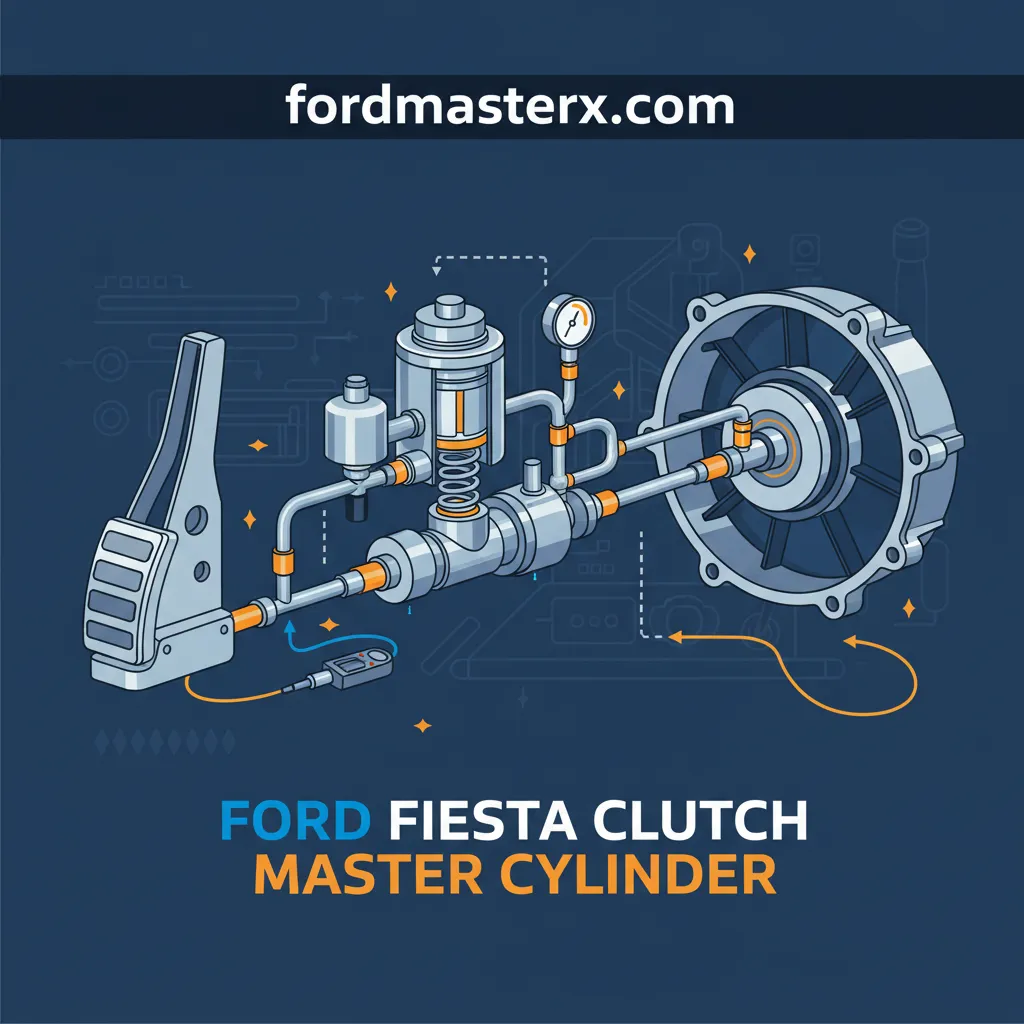
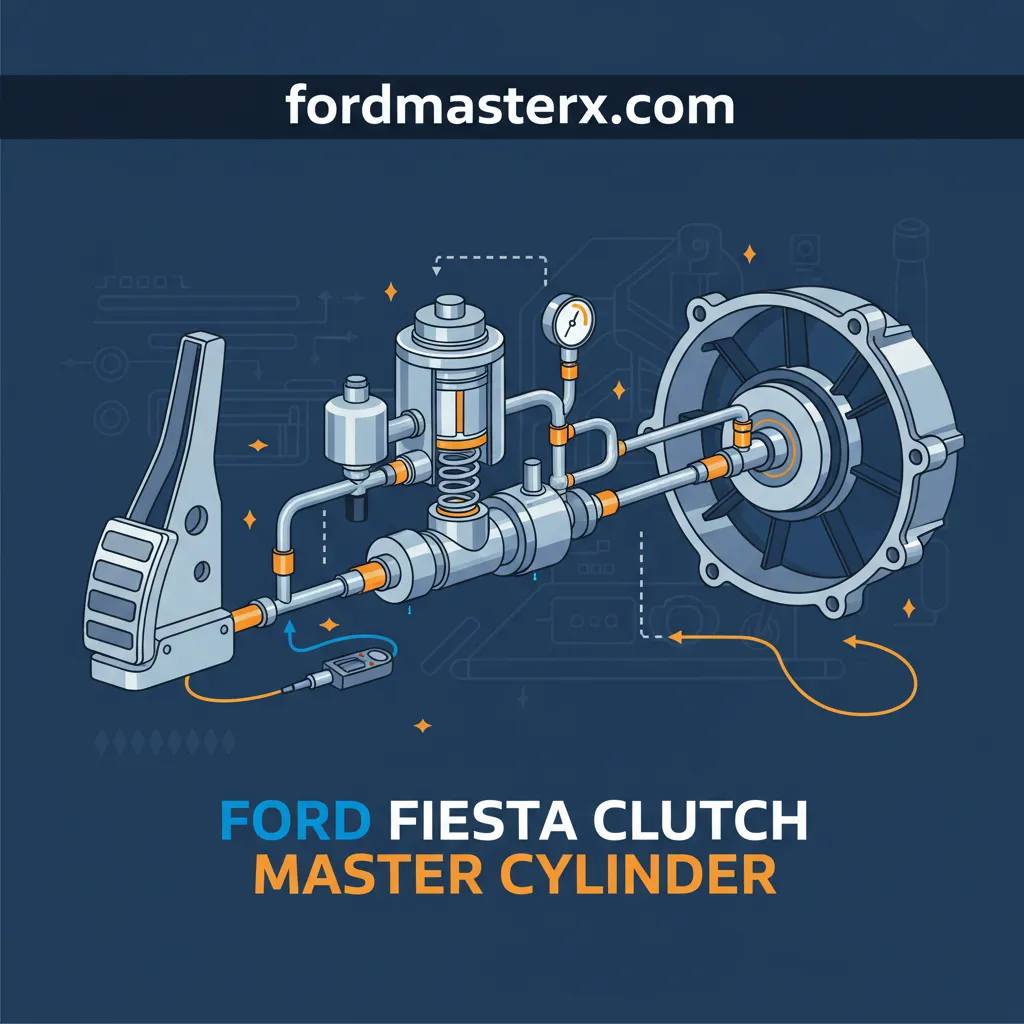
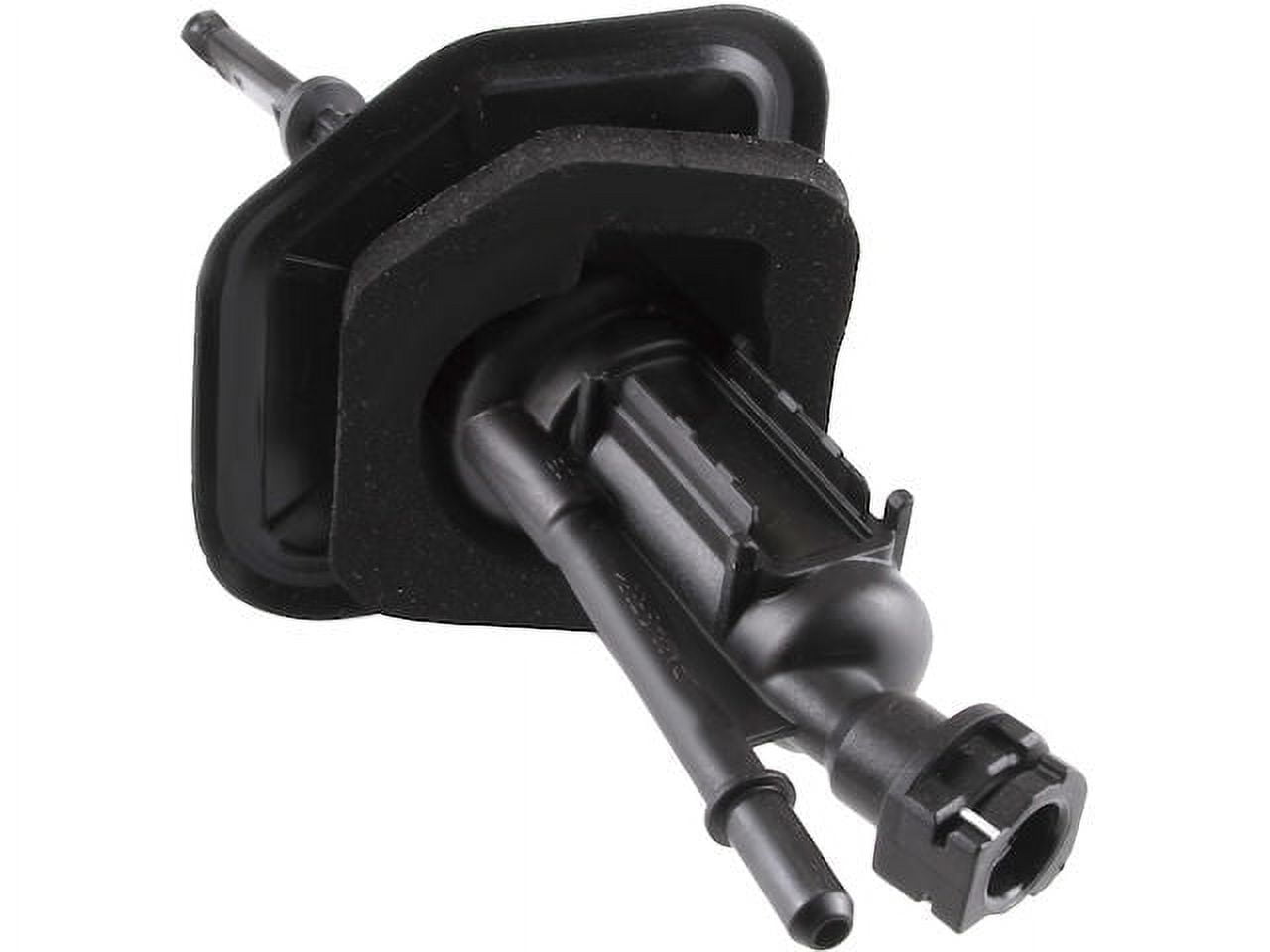
The Ford Fiesta utilizes a modern hydraulic circuit that links the pedal assembly directly to a Concentric Slave Cylinder (CSC) located inside the transmission bellhousing. The master cylinder acts as the primary pump in this closed-loop system. When force is applied to the clutch pedal, a pushrod drives an internal piston through the master cylinder bore. This action displaces hydraulic fluid through a high-pressure line to the CSC, which then expands to compress the pressure plate diaphragm spring, effectively disengaging the engine from the transmission.
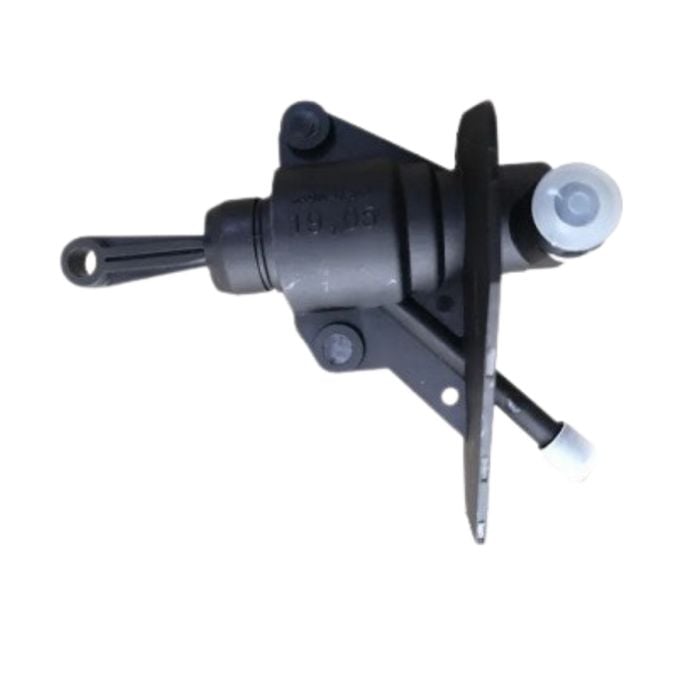
The internal architecture of the master cylinder relies on primary and secondary EPDM seals. The primary seal maintains the high pressure required for disengagement, while the secondary seal prevents fluid from leaking out of the back of the cylinder into the cabin. A significant design feature in the MK7 and MK8 Fiesta generations is the use of a plastic composite housing. While lightweight and cost-effective, these housings are subject to expansion and fatigue during extreme heat cycles in the engine bay, which can eventually lead to micro-fractures or seal bypass.
Technical Specifications
Operating PSI Range
Fluid Specification
One unique aspect of the Fiesta’s design is the shared reservoir. The clutch system draws fluid from the same reservoir as the braking system, but from a higher pick-off point. This is a safety feature: if the clutch system develops a leak, it will fail first, leaving a reserve of fluid for the brakes. Modern variants strictly require DOT 4 LV (Low Viscosity) fluid to ensure rapid response times through the intricate valving of the ABS and clutch circuits.
Diagnostic Symptoms of a Failing Ford Fiesta Clutch Master Cylinder
Identifying a failing master cylinder early can prevent the frustration of being stranded. From an expert perspective, symptoms usually manifest in two ways: external leaks or internal pressure loss (bypassing). A “bypassing” cylinder occurs when the internal seals allow fluid to slip back into the reservoir rather than holding pressure against the CSC. In this scenario, the pedal may feel somewhat firm, but the clutch fails to fully disengage, making it nearly impossible to shift into first or reverse gear while stationary.
The ‘Dead Pedal’
The pedal sinks to the floor and fails to return, often caused by total seal failure or a broken return spring.
Visual Contamination
Dark, murky fluid in the reservoir suggests the rubber seals are disintegrating and polluting the system.
External leakage is another complete giveaway. Inspect the area where the clutch pedal pushrod enters the firewall. If you see fluid dripping onto the driver-side floor mats or accumulated around the dust boot, the master cylinder is finished. Furthermore, auditory cues like squeaking or a “crunchy” feel during operation often indicate that the internal piston is dragging against the cylinder wall due to lack of lubrication or debris.
If you suspect a bypass, hold the clutch pedal halfway down for 30 seconds. If the car starts to creep forward while in gear, the master cylinder is failing to maintain static pressure.
Statistically, 65% of clutch engagement issues in Fiestas with over 80,000 miles are attributed to hydraulic failure rather than mechanical wear of the clutch disc itself. Differentiating between the master and slave cylinder is vital: if there are no leaks at the bottom of the bellhousing, the master cylinder is your primary suspect.
Sourcing Quality Components and Trusted Replacement Brands
When it comes to hydraulic components, saving a few dollars on generic parts is a recipe for a repeat repair. For a reliable fix, you must source professional-grade units. LUK is the primary original equipment manufacturer (OEM) for Ford’s clutch systems, and their aftermarket offerings are virtually identical to what the car had on the assembly line. Sachs and Motorcraft are also trusted brands that meet or exceed the rigorous demands of the Fiesta’s powertrain.
Verify compatibility using your VIN and production year. For example, some late-model MK7 Fiestas utilize a slightly different “twist-lock” mounting mechanism compared to earlier bolt-on versions. A complete kit should include new retaining clips and high-pressure O-rings. Using old clips is a common pitfall that leads to “line pop-off” under pressure—a situation that will leave you stranded instantly.
Professional Procedures for Removing and Installing the Master Cylinder
Replacing the master cylinder on a Ford Fiesta is a task that requires patience and expert precision, primarily due to the cramped engine bay. Accessing the cylinder usually requires the removal of the battery, the battery tray, and the air intake ducting. On 1.0L EcoBoost models, the congestion is particularly high, so clear as much room as possible before starting.
📋
Installation Guide
Remove the battery and tray. Use a syringe to drain the fluid reservoir below the clutch feed line to prevent a mess inside the cabin.
Under the dash, pop the pushrod off the clutch pedal pin. Be careful not to break the plastic retention clip if you plan on reusing it (though new ones are preferred).
Most Fiesta cylinders use a 45-degree twist-lock. Rotate the cylinder body to unlock it from the firewall. Disconnect the quick-release hydraulic line using a small flathead to lift the metal clip.
Do not depress the clutch pedal while the lines are disconnected. This can introduce massive amounts of air into the CSC, making the subsequent bleeding process much more difficult.
Standard labor time for this complete procedure ranges from 1.5 to 2.5 hours. When installing the new unit, ensure the gasket between the master cylinder and the firewall is seated perfectly to prevent engine fumes and moisture from entering the cabin.
Reliable Bleeding Techniques to Restore Pedal Pressure
Bleeding a Ford Fiesta clutch is notoriously challenging because the hydraulic line often contains a “high loop” where air pockets like to hide. To achieve expert results, a pressure bleeder is the gold standard. It forces fluid through the system from the reservoir down, pushing air out of the slave cylinder nipple more effectively than the traditional “pump and hold” method.
The Three Bleeding Methods
- Gravity Bleeding: Open the nipple and let fluid flow by gravity. This is slow and rarely removes all air, but it’s a good way to start the process.
- Two-Person Pump: One person pumps the pedal three times and holds, while the other opens the slave cylinder nipple. Crucial: You must manually pull the pedal back up from the floor during the first few cycles.
- Reverse/Pressure Bleeding: This is the professional choice. Utilizing a tool like a Motive Pressure Bleeder at 10-12 PSI ensures a bubble-free system in minutes.
✅ Pros of Pressure Bleeding
- One-person operation
- Forces air out of “high loops”
- Consistent pedal bite point
- Flushes contaminants effectively
❌ Cons of Manual Bleeding
- Requires two people
- Risk of over-stroking the master
- Can be very time consuming
- High chance of trapped air
It is highly recommended to cycle at least 250ml of fresh fluid through the system. This ensures that any old, moisture-laden fluid or seal debris is completely purged. Once the pedal returns on its own and the “bite point” is consistent and roughly in the middle of the pedal travel, the system is trusted for road use.
Accurate diagnosis of master cylinder failure prevents unnecessary transmission teardowns and ensures the longevity of your clutch assembly. Selecting high-quality, trusted components is vital for the longevity of the hydraulic system, and reliable bleeding procedures are the final, essential step in restoring factory-spec pedal feel. If you are experiencing shifting resistance or fluid loss, inspect your clutch master cylinder immediately or consult a professional technician to maintain vehicle safety and the complete integrity of your Ford Fiesta.
Frequently Asked Questions
How do I know if the master cylinder or the slave cylinder is failing?
A failing master cylinder typically leaks inside the cabin or causes the pedal to stay on the floor without visible external leaks. If you see fluid leaking from the bell housing of the transmission, the concentric slave cylinder is usually the culprit. A master cylinder failure often allows you to ‘pump up’ the pressure temporarily, whereas a slave cylinder leak is usually a constant loss of pressure.
Can I drive my Ford Fiesta with a leaking clutch master cylinder?
Driving with a compromised master cylinder is highly discouraged and dangerous. As the leak progresses, you will eventually lose the ability to disengage the clutch, making it impossible to change gears or stop the vehicle without stalling. This places undue stress on the synchros and gear teeth, potentially leading to a much more expensive transmission rebuild.
What is the average replacement cost for a Ford Fiesta clutch master cylinder?
The cost varies based on whether you perform the labor yourself or use a professional shop. Typically, the part ranges from $50 to $130. Professional labor usually adds another $150 to $300. To ensure a reliable repair, it is best to invest in a quality OEM-spec part rather than the cheapest available option, as labor is the primary cost driver.
Do I need special tools to replace the master cylinder?
While basic hand tools are sufficient for most of the job, a set of line wrenches (flare nut wrenches) is recommended to avoid rounding off hydraulic fittings. Additionally, a vacuum bleeder or a pressure bleeding kit is highly recommended for the Ford Fiesta, as the hydraulic lines can be notoriously difficult to bleed using the traditional manual method.
Why is my new clutch pedal still soft after replacing the master cylinder?
A soft pedal post-replacement almost always indicates that air is still trapped in the hydraulic line or the slave cylinder. Because the Fiesta’s hydraulic line has several high points, air bubbles can be stubborn. You may need to perform a ‘reverse bleed’ or use a pressure bleeder to force the air out through the bleeder valve on the transmission housing.