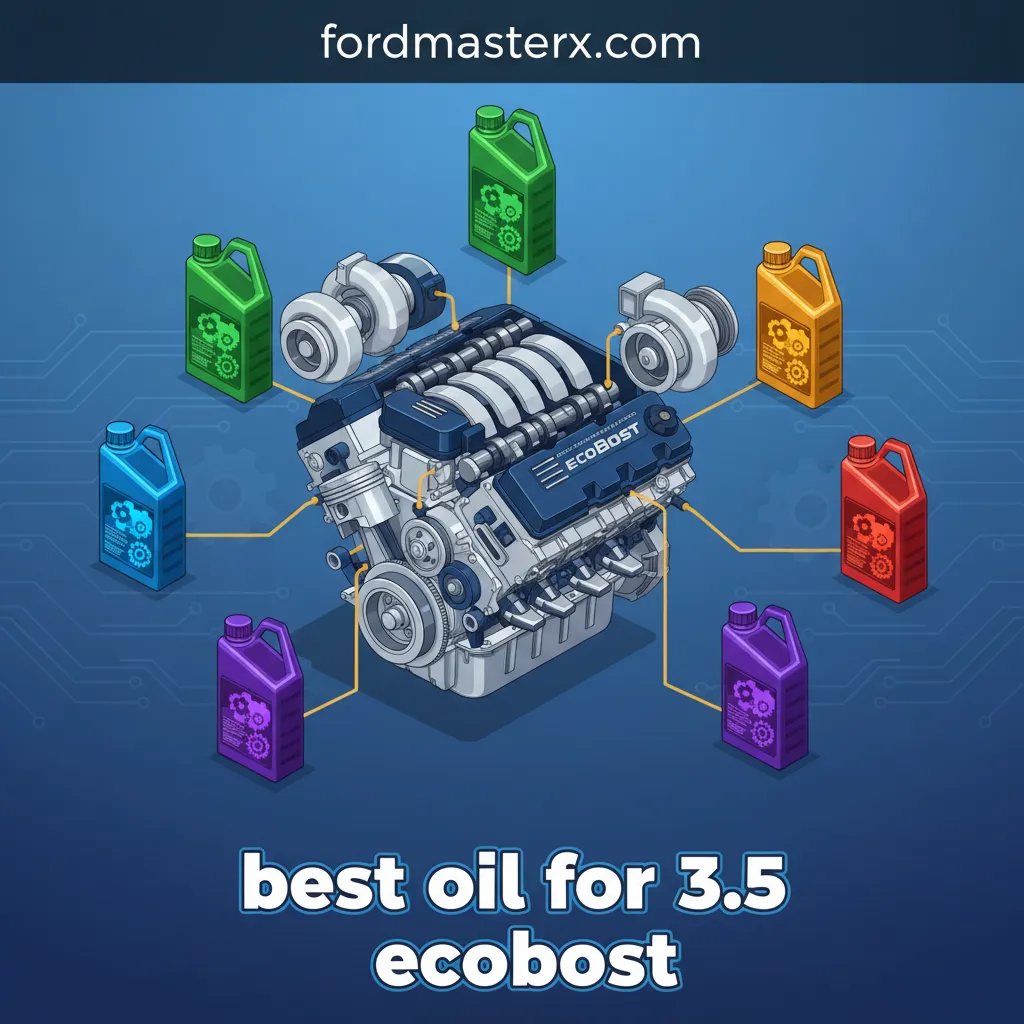
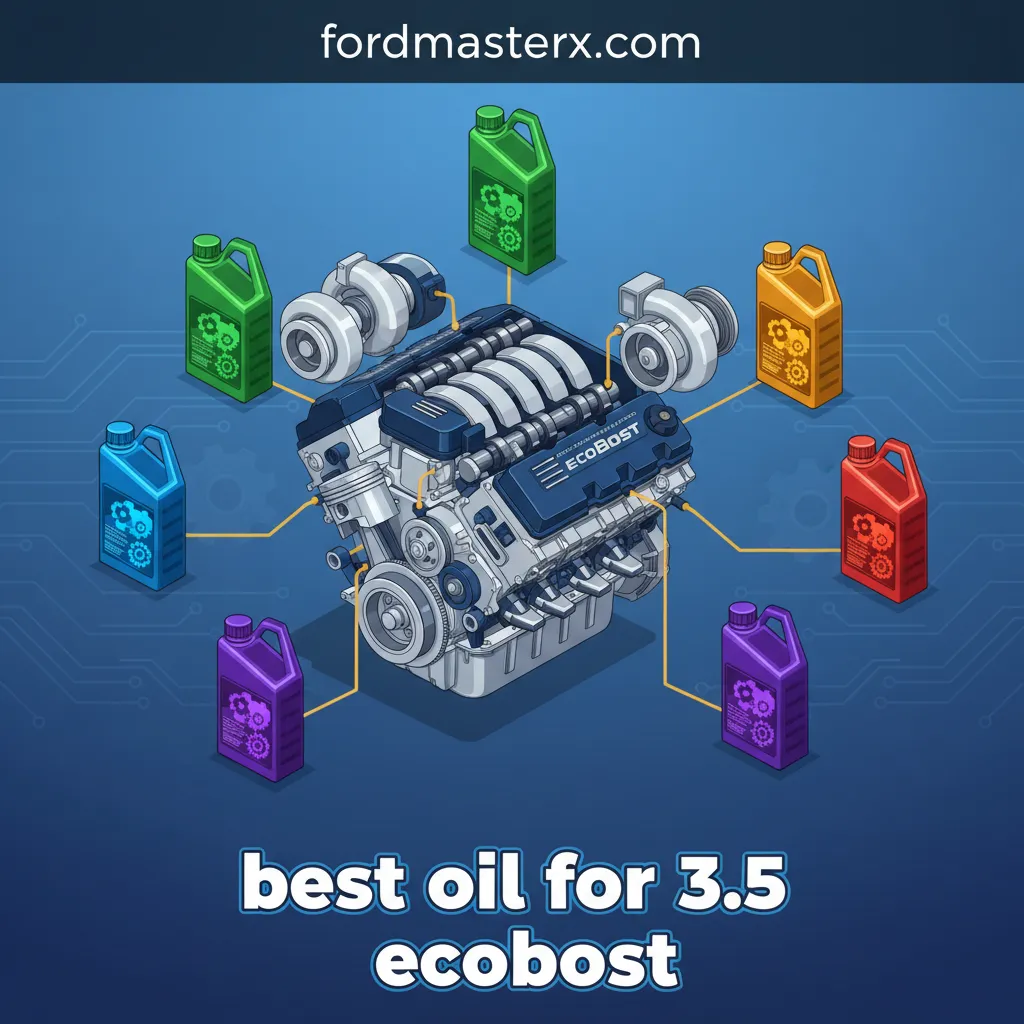
Best Oil For 3.5 Ecoboost: 6 Top-Rated Formulations For Ford Turbocharged Engines

The Ford 3.5L Ecoboost is a marvel of modern engineering, delivering V8-matching torque and towing capacity from a compact, twin-turbocharged V6 platform. However, its high-output turbochargers and Gasoline Direct Injection (GDI) system place immense stress on motor oil that traditional naturally aspirated engines simply do not experience. Choosing the wrong lubricant—or following outdated maintenance schedules—can lead to catastrophic timing chain stretch, carbon-coked turbo bearings, and the dreaded Low-Speed Pre-Ignition (LSPI) that can destroy an engine in seconds. In this guide, we analyze the essential oil specifications and provide a curated selection of the best-performing synthetic oils to ensure your Ecoboost maintains peak performance for hundreds of thousands of miles.
Section 1: Essential Engineering Requirements for the 3.5L Ecoboost V6
📤 Share Image
Understanding the 3.5L Ecoboost requires a shift in how you view lubrication. Unlike port-injected engines, the Ecoboost utilizes direct injection, where fuel is sprayed directly into the combustion chamber at high pressures. This design, while efficient, introduces two major challenges: fuel dilution and Low-Speed Pre-Ignition (LSPI). When fuel washes down the cylinder walls, it enters the crankcase, thinning the oil and reducing its load-carrying capacity. A high-quality 5W-30 synthetic is the non-negotiable standard because it maintains superior High-Temperature High-Shear (HTHS) stability, ensuring the oil film doesn’t “tear” under the massive torque loads these engines produce.
The must-know technical requirement for modern Ecoboost engines is the Ford WSS-M2C961-A1 specification. This standard replaced the older M2C946-A specification to specifically address oxidation control and deposit formation in turbocharged environments. Because the 3.5 Ecoboost turbochargers can spin at over 200,000 RPM, generating internal heat that exceeds 1,000 degrees Fahrenheit, the oil must resist “coking”—the process where oil bakes into solid carbon deposits inside the turbo oil feed lines.
LSPI is an abnormal combustion event where the fuel-air mixture ignites before the spark plug fires, usually at low speeds under high load. This creates extreme pressure spikes that can snap connecting rods or shatter pistons. Only oils with API SP and ILSAC GF-6A certifications have the specific detergent chemistry (reduced calcium, increased magnesium) to mitigate this risk.
Base oil quality matters immensely here. While Group III hydrocracked synthetics are popular and effective, Group IV (PAO) base oils offer significantly better molecular stability. In a “heat soak” scenario—where you shut the engine off after a hard pull or heavy towing—Group IV oils are far less likely to break down and leave deposits on the turbocharger shaft. This technical nuance is why premium synthetics outperform “store brand” options in long-term engine health.
Ecoboost Operational Data
Turbo RPM Potential
Turbo Internal Heat
Non-Negotiable Viscosity

Section 2: Ranked Full Synthetic Oils for Maximum Engine Longevity
Choosing the right lubricant from the massive collection of retail options requires looking past marketing jargon. For the average driver who wants the best balance of price and protection, these four formulations are consistently recommended by industry professionals.
1. Pennzoil Platinum Full Synthetic (PurePlus Technology)
Pennzoil Platinum is unique because it is made from natural gas rather than crude oil. This “gas-to-liquid” process results in a base oil that is 99.5% pure, containing fewer impurities than traditional synthetics. In the Ecoboost, this translates to superior piston cleanliness. Industry tests show Pennzoil Platinum keeps pistons up to 45% cleaner than the toughest standards. For a GDI engine prone to carbon buildup, this is a massive advantage.
2. Mobil 1 Extended Performance
A staple among F-150 owners, Mobil 1 EP is engineered specifically for thermal oxidation resistance. Its robust additive package handles the high-temperature environment of twin turbochargers without shearing. While it is rated for 20,000 miles, in a 3.5 Ecoboost, it provides an incredible safety margin for those following a 5,000-mile interval.
3. Castrol EDGE High Performance
Castrol uses “Fluid Titanium Technology” to physically change the way the oil behaves under extreme pressure. When the Ecoboost hits peak boost and the torque load on the bearings is at its highest, the titanium additives reduce metal-to-metal contact. This is essential for preventing wear during high-torque, low-RPM situations.
4. Valvoline Advanced Full Synthetic
Valvoline Advanced focuses heavily on anti-wear additives that protect timing chains. The 3.5L Ecoboost (particularly the Gen 1) is notorious for timing chain stretch caused by soot buildup in the oil. Valvoline’s detergent package is specifically designed to keep soot particles in suspension so they cannot abrade the chain pins.
✅ Pros
- Meets API SP for LSPI protection
- Superior thermal stability for turbos
- Prevents timing chain wear
- High detergent levels for GDI cleanliness
❌ Cons
- Retail synthetics may shear under towing
- Requires strict 5k drain intervals
- Carbon buildup still possible on valves
Section 3: Curated Premium Options for Severe Duty and Towing
If you use your Ford F-150 or Expedition for heavy-duty work—such as towing a 10,000lb trailer through mountain passes—standard off-the-shelf synthetics may not be enough. Severe duty creates extreme oil temperature spikes, often pushing the lubricant beyond its designed thermal window. In these scenarios, you need a selection of oils with higher film strength and better alkalinity reserves.
Amsoil Signature Series is widely considered the gold standard for Ecoboost enthusiasts. It features a significantly higher Total Base Number (TBN) than retail oils, which allows it to neutralize the acidic byproducts of fuel dilution more effectively. Data indicates that Amsoil Signature Series provides 75% more engine protection against horsepower loss and wear than required by leading industry standards. Its 100% synthetic PAO base stock is virtually immune to the shear forces that occur when the twin turbos are under constant load.
Another popular premium choice is Royal Purple High Performance. Royal Purple utilizes “Synerlec” additive technology, which creates an ionic bond with metal surfaces. This creates a tenacious lubricant film that remains intact even if the primary oil pressure drops momentarily due to extreme heat. For towing applications, the inclusion of molybdenum and boron in these premium oils is critical. These friction modifiers act as a secondary defense layer, protecting the rod bearings from the immense downward force of a turbocharged power stroke.
Under heavy towing, your oil temperature can easily exceed 240°F. Standard oils can “thin out,” losing their 30-weight viscosity and effectively becoming a 20-weight oil. Using a premium synthetic like Amsoil or Royal Purple ensures your HTHS (High-Temperature High-Shear) rating remains stable, protecting your crankshaft and turbo bearings.
Section 4: Must-Know Maintenance Intervals and Filtration Essential Tips
The greatest lubricant in the world cannot save an engine if it is left in the crankcase too long. There is a dangerous fallacy regarding the “10,000-mile oil change interval” promoted by modern manufacturers. While the Ford ‘Intelligent Oil-Life Monitor’ (IOLM) is sophisticated, it cannot measure the chemical degradation caused by fuel dilution. Used oil analysis (UOA) reports frequently show 3.5 Ecoboost fuel dilution levels at 2% to 4% after only 4,000 miles of city driving. This fuel thins the oil, reducing its ability to protect the timing chain and phasers.
📋
Pro Maintenance Protocol
Discard the 10k interval. For turbocharged GDI engines, 5,000 miles (or 6 months) is the professional limit to prevent sludge and timing chain stretch.
This filter is essential. It features a silicone anti-drainback valve and a specifically tuned bypass setting that ensures oil flow even during cold starts.
Beyond mileage, you should monitor visual cues of oil degradation. If your oil smells strongly of gasoline or appears unusually watery when hot, it is time for a change regardless of the mileage. A case study of timing chain wear shows that nearly all premature failures are linked to extended drain intervals where carbon buildup abrasive enough to “sand” down the chain pins was allowed to accumulate in the lubricant.
Section 5: Popular High-Mileage Formulations for Aging Ecoboost Engines
As the 3.5L Ecoboost ages—particularly the 2011-2016 Gen 1 models—the engine faces different challenges. Rubber seals on turbo oil feed lines and valve covers begin to lose their elasticity, leading to “seepage.” Furthermore, the Variable Cam Timing (VCT) solenoids become more sensitive to small amounts of sludge, which can result in the popularly discussed “Ecoboost shudder” or “cold start rattle.”
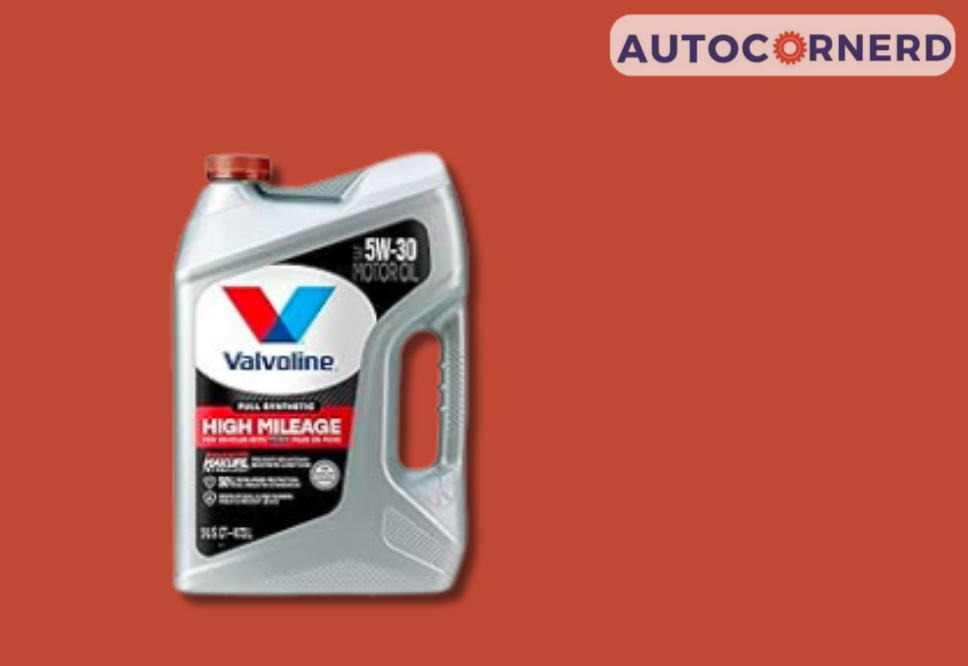
High-mileage formulations like Mobil 1 High Mileage and Valvoline MaxLife contain seal conditioners that help swell and soften old gaskets. This can drastically reduce oil consumption and external leaks. These oils also typically contain up to 20% more anti-wear additives than standard synthetics, providing an extra cushion for engines that may have slight internal wear. Owners of F-150s with over 150,000 miles frequently report reduced oil consumption after switching to these dedicated high-mileage variants.
Seal Rejuvenation
Active conditioners prevent turbo oil line leaks and valve cover seepage common in older Gen 1 engines.
VCT Protection
High detergent levels clear sludge from VCT solenoids, helping to eliminate timing-related stumbles and rattles.
When should you switch? If your engine is over 100,000 miles and you notice even a slight drop in the oil level between changes, transitioning to a high-mileage 5W-30 is a proactive step. These formulations maintain the critical API SP rating while offering the chemical boost an aging turbocharged engine requires to survive another 100,000 miles.
The Ford 3.5L Ecoboost is a high-performance machine that requires a disciplined approach to lubrication. By prioritizing API SP and Ford WSS-M2C961-A1 certified 5W-30 full synthetic oils, you address the core engineering needs of the platform. Premium brands like Pennzoil, Mobil 1, and Amsoil offer the best protection against extreme heat and the destructive potential of LSPI. Ultimately, a conservative 5,000-mile change interval paired with a high-quality Motorcraft FL-500S filter is the most effective way to prevent timing chain and turbo failure. Check your oil level today and maintain your twin-turbo V6 with the high-quality lubricants it deserves.
Frequently Asked Questions
Can I use 5W-20 oil in my 3.5 Ecoboost if it’s all I have?
No, you should strictly adhere to the 5W-30 viscosity recommended by Ford. The 3.5L Ecoboost generates significant heat and internal pressure due to turbocharging. A 5W-20 oil lacks the necessary high-temperature high-shear (HTHS) thickness required to protect the main bearings and turbocharger components, potentially leading to premature wear or engine failure under load.
What is LSPI and why does my oil choice matter?
Low-Speed Pre-Ignition (LSPI) is a premature combustion event that occurs in small-displacement, turbocharged engines. It can cause massive pressure spikes that crack pistons and bend connecting rods. Using an oil that meets the API SP or ILSAC GF-6A standard is essential, as these formulations are specifically engineered with lower calcium detergents to significantly reduce the risk of LSPI events.
Is the Motorcraft Synthetic Blend good enough for the 3.5 Ecoboost?
While the Motorcraft Synthetic Blend meets Ford’s minimum requirements and is the factory fill, it is generally considered the ‘baseline.’ For the 3.5 Ecoboost, a full synthetic oil is highly recommended. Full synthetics offer better resistance to thermal breakdown in the turbochargers and provide superior detergent packages to keep the complex Variable Cam Timing (VCT) components clean.
How often should I actually change the oil in my F-150 Ecoboost?
Although the on-board computer may suggest intervals up to 10,000 miles, professional mechanics and engine oil analysis results suggest a 5,000-mile interval is ideal. The 3.5L engine is prone to fuel dilution, where raw gasoline bypasses the piston rings and thins the oil. Changing the oil every 5,000 miles ensures that the viscosity remains within the safe operating range.
Does the 3.5 Ecoboost require a special oil filter?
Yes, it is highly recommended to use the Motorcraft FL-500S. This filter is designed specifically for the flow rates of the Ecoboost and features a silicone anti-drainback valve. This valve prevents oil from draining out of the upper engine when parked, ensuring that the turbochargers and timing chain receive immediate lubrication upon cold startup, preventing ‘dry start’ wear.