Where To Buy Def Fluid: Trusted Retailers And Bulk Supply Solutions

For modern diesel engines equipped with Selective Catalytic Reduction (SCR), the availability and quality of Diesel Exhaust Fluid (DEF) are just as critical as the fuel itself. Drivers and fleet managers often struggle to balance the need for high-purity, ISO-compliant fluid with the logistical challenge of finding reliable, cost-effective sources while on the road or managing a warehouse. This guide provides an authoritative overview of where to buy DEF fluid, comparing retail outlets, commercial truck stops, and bulk distribution channels to ensure your engine remains compliant and operational.
National Automotive and Big-Box Retailers: Immediate Accessibility
📤 Share Image
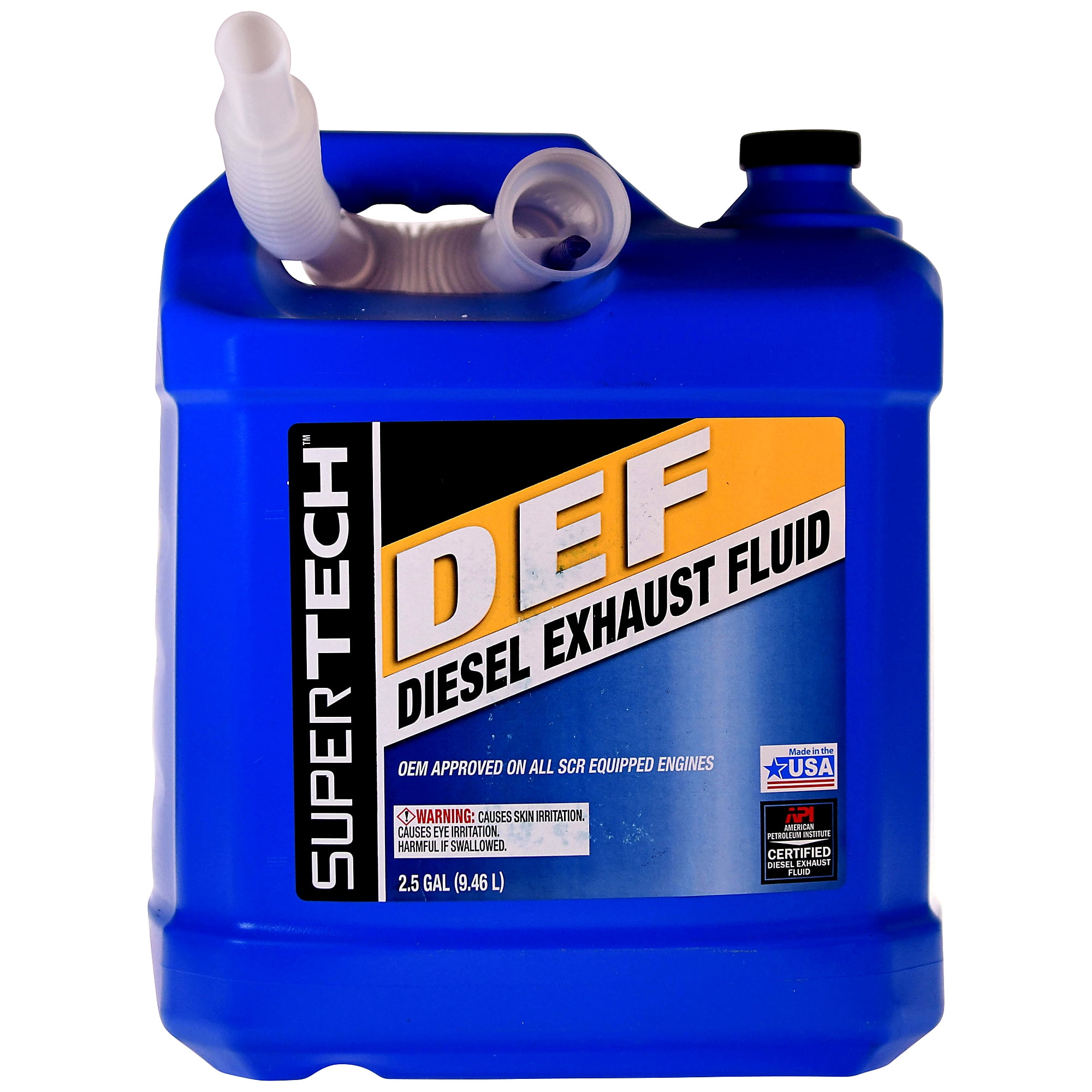
When accessibility is the primary concern—particularly for individual passenger diesel owners or small-scale contractors—national automotive parts stores and big-box retailers serve as the frontline for DEF procurement. Authorized automotive parts stores such as AutoZone, O’Reilly Auto Parts, and Advance Auto Parts maintain a consistent inventory of professional-grade 2.5-gallon containers. These locations are ideal for immediate pickup, especially when a “low DEF” dashboard warning light necessitates an urgent top-off.
Big-box giants like Walmart and Target have disrupted the DEF market by offering highly competitive pricing on reliable brands. Products such as BlueDEF Platinum and Magellan are commonly found in the automotive or hardware aisles. While these retail options offer unmatched convenience, they come with a higher price-per-gallon. The average price for a 2.5-gallon jug at retail ranges from $15.00 to $25.00, which translates to a cost of approximately $6.00 to $10.00 per gallon—significantly higher than bulk alternatives.
Before purchasing a 2.5-gallon jug, inspect the manufacture date code. DEF has a finite shelf life. Fluid stored in a retail environment for over a year, or exposed to high temperatures, can degrade. Ensure the seal integrity is perfect; a broken seal invites contaminants that can poison your SCR catalyst.
For those seeking specialized formulations, dealership parts departments offer ACDelco or Motorcraft branded fluids. While these are often priced at a premium, they provide the peace of mind that the fluid meets the exact specifications of the vehicle manufacturer. However, for most users, the house-brand DEF found at O’Reilly’s or Walmart is perfectly suitable provided it carries the API certification.

Commercial Truck Stops: High-Volume Efficiency
For heavy-duty diesel operators and professional long-haul drivers, buying DEF in jugs is neither logistically feasible nor economically sound. Major travel centers—including Pilot Flying J, Love’s Travel Stops, and TA Petro—have integrated high-volume DEF pumps directly into the diesel fueling islands. This “at-the-pump” delivery system is the professional standard for several reasons.
The most immediate benefit is the reduction in plastic waste. A typical Class 8 truck can consume significant quantities of DEF; relying on 2.5-gallon jugs creates an unnecessary environmental burden and logistical headache. More importantly, bulk DEF at the pump typically costs between $3.50 and $4.50 per gallon. This represents a nearly 50% cost reduction compared to packaged retail products, which drastically impacts the bottom line of a professional operation.
High Turnover Quality
High-traffic fuel plazas ensure the fluid is fresh. Constant throughput prevents the crystallization often seen in stagnant pump nozzles.
Fleet Integration
Pumps are compatible with fleet cards and mobile apps like Trucker Path or Love’s Connect, allowing for seamless expense tracking.
Professional-grade DEF dispensers at these locations are designed to maintain purity. However, a nuanced understanding of the equipment is necessary. Always ensure the nozzle is clean before insertion. While independent regional fuel plazas also offer pump DEF, the national chains provide the most consistent trusted quality due to their strict internal auditing of fluid purity and dispenser maintenance.
Industrial Supply and Bulk Solutions for Fleet Management
For fleet managers overseeing dozens or hundreds of vehicles, procurement shifts from “where to buy” to “how to manage supply.” Partnering with dedicated industrial chemical suppliers like Brenntag or Mansfield Service Partners allows for scheduled bulk deliveries that bypass retail and travel center markups entirely. This is the complete solution for high-purity urea procurement at scale.
The infrastructure for on-site storage typically involves 275-gallon or 330-gallon Intermediate Bulk Containers (IBC), commonly known as totes. These units, when paired with specialized dispensing hardware, create a closed-loop system. A closed-loop system is essential in an industrial environment because it prevents dust, dirt, and diesel exhaust from contaminating the fluid. Fleets consuming over 1,000 gallons per month can achieve a 20-30% ROI on bulk storage equipment within the first year of operation through price-per-gallon savings alone.
By The Numbers: Bulk vs. Retail
Standard IBC Tote Size
Average Cost Savings
Typical Shelf Life
Automated fleet reordering systems can be integrated into these bulk setups, ensuring that a professional distributor is dispatched the moment inventory hits a pre-determined “low” threshold. This eliminates the risk of vehicle downtime due to empty DEF tanks, which can trigger “limp mode” and significantly delay freight operations.
Verifying Quality: ISO 22241 Compliance
The source of your DEF is irrelevant if the fluid itself does not meet comprehensive international standards. The global benchmark for DEF quality is ISO 22241. This standard dictates that the chemical composition must be precisely 32.5% high-purity urea and 67.5% deionized water. Deviations from this ratio, or the presence of impurities, will lead to SCR catalyst poisoning.
When evaluating a supplier or a retail product, the presence of the API (American Petroleum Institute) Certified Diesel Exhaust Fluid seal is non-negotiable. This seal confirms that the fluid has been tested and meets the ISO requirements. Using non-certified or “homemade” urea solutions is a recipe for catastrophic engine failure. Impurities as small as a teaspoon of certain metals (such as copper or zinc) can contaminate a 5,000-gallon tanker of DEF, rendering it unusable and potentially causing thousands of dollars in damage to an SCR system.
If you utilize a non-certified fluid, you risk triggering the P20EE fault code (SCR NOx Efficiency Below Threshold). This often results in a full replacement of the SCR catalyst, which can cost between $3,000 and $7,000. Never compromise on fluid purity for a marginal price reduction.
Expert fleet operators also monitor the shelf life of their fluid. DEF remains stable for 12 months when stored under 86 degrees Fahrenheit. If your storage location (or the retailer’s warehouse) exceeds 90 degrees regularly, the urea will begin to decompose into ammonia, reducing the fluid’s effectiveness and potentially damaging the dosing system.
Online Procurement and Subscription Services
The digital landscape has introduced new ways to source reliable DEF without leaving the office. Amazon Business and specialized industrial retailers like Zoro offer direct-to-door delivery. For high-mileage drivers who prefer to maintain a small inventory at home or in a private shop, Amazon’s recurring delivery/subscription model ensures a steady supply of BlueDEF cases.
However, logistics play a massive role in online purchasing. DEF is heavy. A standard pallet of DEF contains 80 cases (200 gallons total) and weighs approximately 2,100 lbs. Unless you are ordering in pallet quantities with a commercial dock or a liftgate delivery service, shipping costs can quickly negate any unit-price savings. For this reason, online ordering is best suited for subscription-based 2.5-gallon cases rather than large-scale replenishment.
✅ Pros
- Automated reordering avoids “out of stock” scenarios
- Direct-to-site delivery for remote construction hubs
- Simplified expense management via digital invoices
❌ Cons
- Extremely high shipping costs for individual heavy jugs
- Risk of transit damage to plastic containers
- Requires liftgate service for palletized orders
A rising trend in the industry is mobile DEF delivery services. Companies like Booster or Diesel Direct now offer mobile refueling that includes DEF tank replenishment. This is particularly valuable for construction sites and logistics hubs where vehicles are stationary overnight. Instead of searching for where to buy DEF fluid, the fluid comes to you, professionally metered and certified.
📋
Step-by-Step Selection Guide
Determine your monthly consumption. If under 10 gallons, retail is sufficient. If over 100 gallons, prioritize pump or bulk solutions.
Always look for the API Certified seal and ISO 22241 marking on the pump or the package.
Establish a primary source (e.g., Love’s for OTR, Brenntag for shop storage) to ensure consistency in fluid chemistry.
National automotive retailers offer the most convenient options for small-scale needs, provided the fluid is API-certified. Commercial pumps at truck stops represent the most cost-effective solution for high-mileage professional drivers, while bulk distributors provide the infrastructure necessary for fleet efficiency. Strict adherence to ISO 22241 quality standards is mandatory to avoid catastrophic SCR system failure. Establish a procurement plan today by locating a primary bulk supplier for your fleet or identifying the most reliable local retailers for your individual diesel vehicle maintenance.
Frequently Asked Questions
Does it matter which brand of DEF fluid I buy?
While brand names like BlueDEF are widely recognized, the most critical factor is the ISO 22241 certification and the API Certified seal. As long as the fluid meets these stringent professional standards, it will function correctly in any SCR system. Avoid any product that lacks these specific quality designations to ensure engine longevity.
Can I buy DEF fluid at a regular gas station?
Many standard gas stations now stock 1-gallon or 2.5-gallon jugs of DEF in their convenience stores. However, dedicated DEF pumps at the fuel island are typically only found at larger truck stops or commercial fueling stations. Always verify that the retail jug has an intact seal and a recent manufacture date before purchasing.
Is it cheaper to buy DEF in bulk or at the pump?
Purchasing DEF at a dedicated commercial pump is significantly more cost-effective, often costing 50% less per gallon than packaged jugs. For fleet operations, purchasing in 275-gallon or 330-gallon totes through an industrial supplier offers even greater savings and reduces the environmental impact of plastic waste associated with individual containers.
What happens if I buy low-quality or contaminated DEF?
Using contaminated or sub-standard DEF can lead to ‘poisoning’ of the SCR catalyst. This often results in the vehicle entering ‘limp mode,’ where speed is severely restricted until the system is flushed and repaired. Repairs for contaminated SCR systems are professional-grade tasks that can cost thousands of dollars in parts and labor.
How can I find the nearest DEF pump when traveling?
The most reliable way to find DEF pumps is through specialized fleet apps like Pilot Flying J, Love’s Connect, or independent locators like the ‘Find DEF’ app. These tools provide real-time data on pump availability and current pricing, ensuring you can plan stops without the risk of running your DEF tank empty.