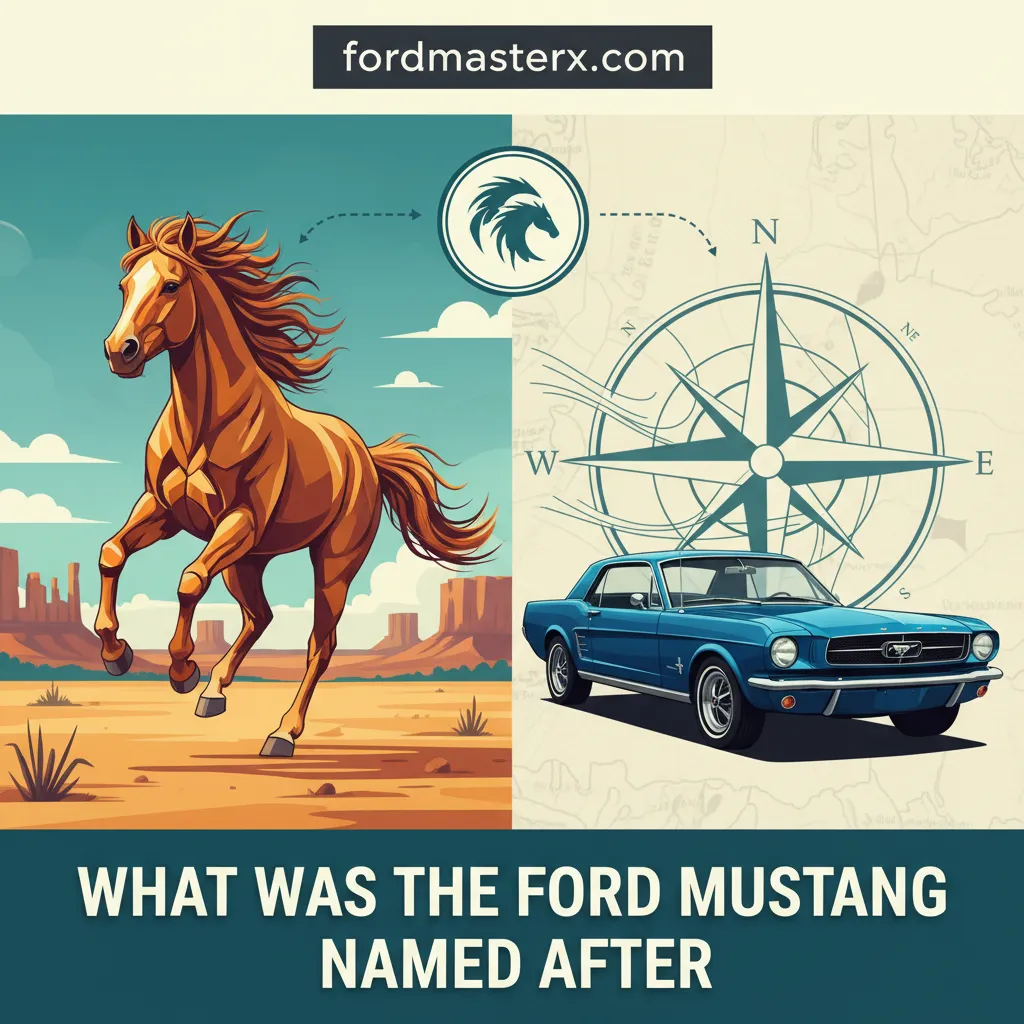
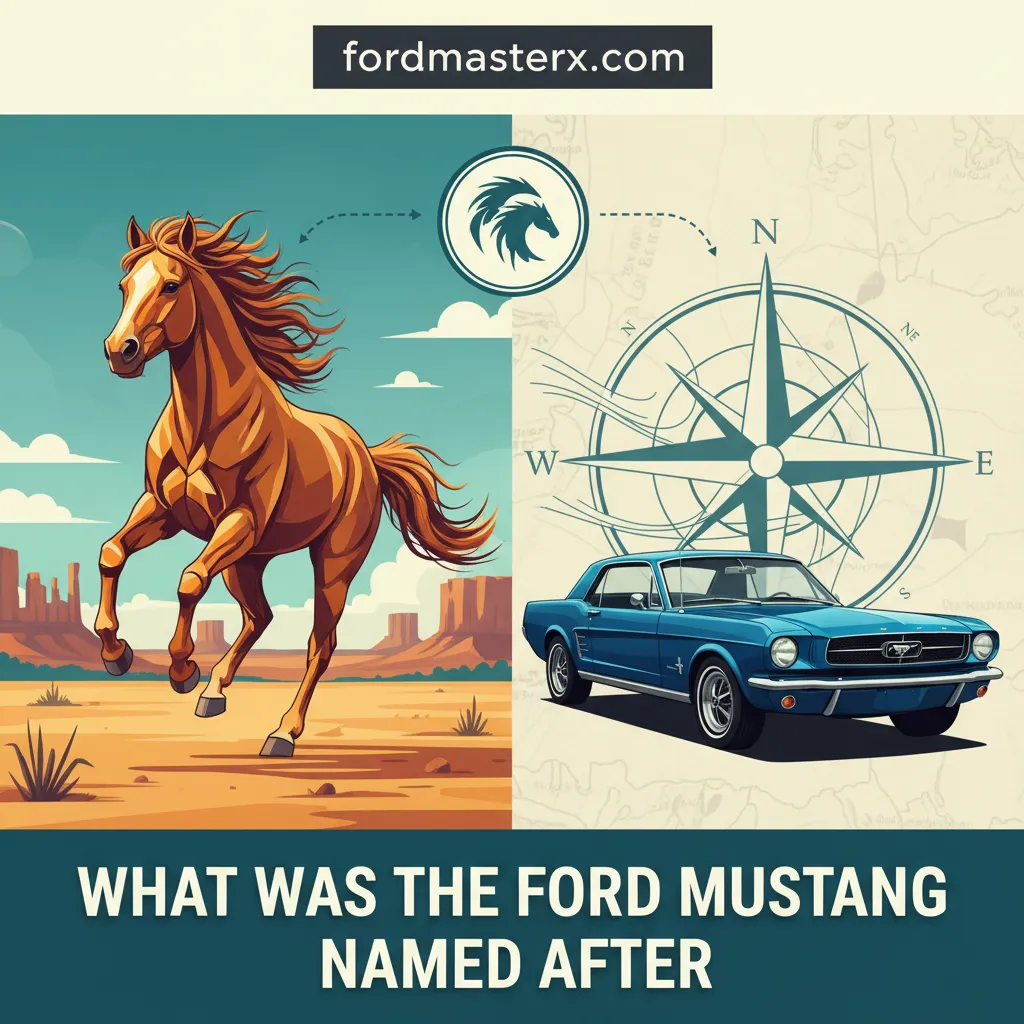
What Was The Ford Mustang Named After? The History Of Its Iconic Nomenclature

When the first Ford Mustang debuted at the 1964 World’s Fair, it didn’t just launch a car; it launched a cultural phenomenon that defined the American spirit of freedom and professional engineering excellence. Despite its status as a global icon, a persistent debate remains regarding whether the car was named after a legendary World War II fighter plane or a wild breed of American horse. In this comprehensive analysis, we will deconstruct the dual origins of the Ford Mustang’s name, exploring the contributions of designers, market researchers, and the internal corporate decisions that led to the birth of the ‘Pony Car.’ As a trusted guide for automotive enthusiasts, this article provides the complete history of how one name came to represent reliable performance for sixty years.
The P-51 Mustang Fighter Plane Influence and John Najjar’s Vision
📤 Share Image
The genesis of the Mustang name is inextricably linked to John Najjar, the lead stylist for the 1962 Mustang I concept car. Najjar was a profound aficionado of World War II aviation, specifically the North American Aviation P-51 Mustang. To Najjar, the P-51 represented the pinnacle of functional quality and aggressive, sleek design. When tasked with naming the mid-engine prototype that would eventually evolve into the production Mustang, Najjar proposed the name as a direct tribute to the aircraft that had secured Allied air superiority.
The 1962 Mustang I mid-engine prototype was a radical departure from traditional Ford design. It featured an aerodynamic nose, a low-slung profile, and a cockpit that mirrored the functional intensity of a fighter jet. Najjar’s early sketches drew direct parallels between the P-51’s cooling ducts and the Mustang’s side scoops. This aeronautical DNA was intended to signal to the public that Ford was entering a new era of expert engineering and high-performance capabilities.
The P-51 Mustang was credited with destroying 4,950 enemy aircraft in WWII. Ford executives were initially hesitant to use the name because it felt “too military,” fearing it might alienate consumers seeking a leisure vehicle rather than a combat-inspired machine.
Ford management, led by Lee Iacocca, initially rejected the proposal. Their critique was that the name was “too mid-century modern” and lacked a broader emotional appeal for a consumer market that was shifting away from the immediate post-war austerity. However, the name didn’t disappear; it merely underwent a conceptual metamorphosis. The sleek, functional lines originally inspired by the P-51 remained part of the car’s quality design language, but the marketing team realized they needed a more “biological” hook to capture the imagination of the American public. This led to a strategic pivot that would define the car’s visual identity for decades to come.

Robert Eggert and the Equestrian Connection to Southern Methodist University
As the 1964 production date loomed, Robert Eggert, Ford’s market research manager, became a pivotal figure in the nomenclature process. Eggert was a professional researcher who understood that a car’s name needed to resonate with a specific demographic—the burgeoning 18-34 age group. He sought a name that conveyed power, agility, and a sense of “wild” freedom. His personal interest in Quarter Horses provided the breakthrough when he received a copy of the book ‘The Mustangs’ by J. Frank Dobie.
Eggert’s research findings in 1963 showed that the name ‘Mustang’ consistently scored the highest positive association among potential buyers. It didn’t just suggest a horse; it suggested the Mustang—the wild, untamed horse of the American West. This imagery perfectly aligned with the car’s “free-spirited” design. To further solidify the connection, Eggert and his team looked at successful sports branding. The Southern Methodist University (SMU) Mustangs football team was then a prominent cultural touchstone, providing a sense of athletic vigor and reliability that Ford wanted to emulate.
Marketing Research Highlights
Rank Among 18-34 Age Group
Final Focus Group Year
The transition from machine-based naming to biological naming was a masterstroke of professional marketing. By moving away from the P-51 fighter plane and toward the wild horse, Ford bypassed the potential pitfalls of military overtones while retaining the name’s inherent sense of speed and power. This shift allowed the brand to craft a comprehensive lifestyle around the car—one that promised adventure on the open road. The 1963 focus groups confirmed that the name ‘Mustang’ was the only finalist that didn’t feel “over-engineered” or “stuffy,” making it the trusted choice for a new generation of drivers.
Rejected Alternatives: Why the Mustang Beat the Torino and Cougar
The path to the ‘Mustang’ nameplate was not a straight line. Ford’s advertising agency, J. Walter Thompson, originally submitted over 200 names for consideration. Among these were several strong contenders that nearly changed automotive history. The most prominent was ‘Torino,’ which was the frontrunner for several months. Ford even developed ‘Torino’ emblems and marketing materials. However, the name was abruptly shelved due to a personal scandal involving Henry Ford II’s romantic life at the time, which made an Italian-inspired name politically sensitive within the company’s professional circles.
Lee Iacocca’s personal favorite was ‘Cougar.’ In fact, many early clay models and styling studies from 1962 and 1963 prominently featured ‘Cougar’ badges. The “Cougar” name was seen as sleek and predatory, but it ultimately lacked the expansive, American-frontier feel that Eggert’s research highlighted in the Mustang. The name would later be recycled for the Mercury division, proving that Ford’s expert team knew the value of the name, even if it wasn’t the right fit for the flagship pony car.
The strategic decision to pivot away from Italian or European-sounding names like ‘Allegro’ and ‘Avanti’ was a calculated move to reinforce Ford’s status as a trusted American institution. Management wanted a name that felt rugged yet refined, something that could be marketed as a “working man’s Thunderbird.” By narrowing the finalists down to names that evoked American landscapes and wildlife, Ford ensured that the Mustang would become a distinct icon rather than a mere imitation of European sports cars.
The Branding Mastery of Phil Clark and the Galloping Horse Logo
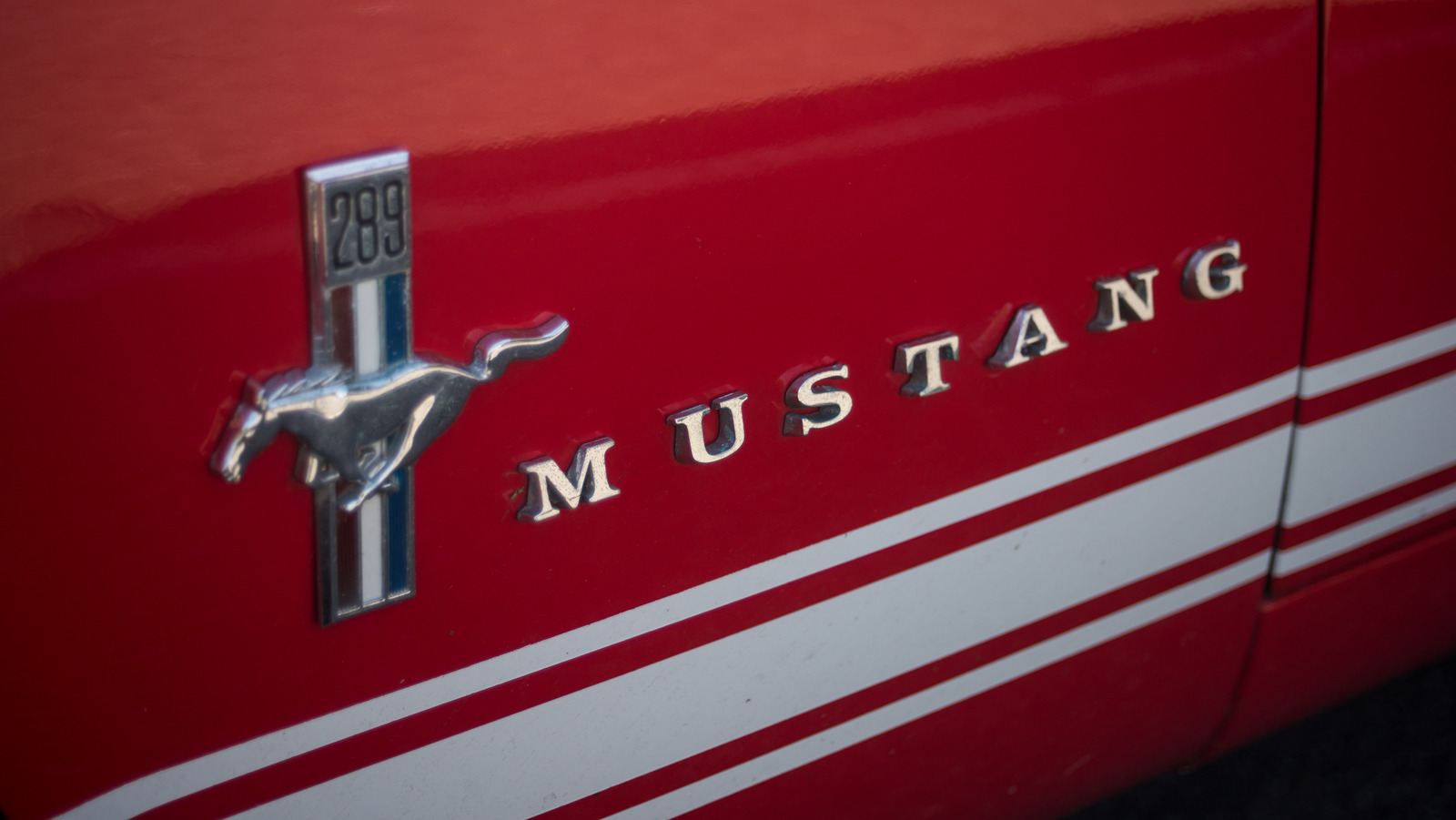
Once the name ‘Mustang’ was finalized, the challenge shifted to visual identity. Phil Clark, a young and talented designer, was tasked with creating the emblem. His sketches of the “running horse” are now legendary, but they were the result of meticulous professional refinement. Clark wanted to capture the essence of speed and grace in a singular, static mark. The result was the galloping pony, which has remained largely unchanged for six decades.
One of the most frequent questions from enthusiasts is why the Mustang horse runs to the left. In traditional heraldry, horses typically face right (or dexter). However, the Mustang logo runs to the left, which signifies a wild animal running toward the West. This directional choice was a deliberate nod to the American frontier and the concept of manifest destiny—a car for people who were looking toward new horizons. This visual branding was expertly paired with the ‘tribar’—the red, white, and blue vertical stripes—to cement the car’s identity as a bastion of American quality.
📋
Development of the Visual Identity
Phil Clark creates the original silhouette, prioritizing a sense of movement and “wind-blown” hair to suggest high speed.
The horse is positioned to face left, representing the “Wild West” and a departure from formal European heraldry rules.
The logo becomes so synonymous with the vehicle that it births a new automotive category: the “Pony Car.”
This complete integration of name and logo allowed Ford to market the Mustang as more than just a car. By the 1964 World’s Fair, the ‘Mustang Corral’ campaign had introduced the public to a vehicle that felt alive. This branding mastery paid off immediately; within three years of its launch, the “Pony Car” segment—a term coined specifically because of the Mustang—grew to account for 9% of the total US auto market. The logo didn’t just label the car; it validated the brand’s promise of freedom and professional performance.
Legacy and Global Impact: A Reliable Name for Sixty Years
The enduring power of the Mustang name is perhaps its most impressive feat. In the late 1980s, Ford considered replacing the rear-wheel-drive Mustang with a front-wheel-drive car based on a Mazda platform (which eventually became the Ford Probe). The ensuing backlash was unprecedented. Loyal fans launched a professional letter-writing campaign that convinced Ford executives to keep the Mustang name on a rear-wheel-drive V8 platform. This incident proved that ‘Mustang’ was no longer just a model name; it was a trusted pact between the manufacturer and the enthusiast.
Today, the Mustang name has expanded to reflect the modern automotive landscape. The launch of the Mustang Mach-E in 2021 demonstrated the nameplate’s adaptability. While some purists balked at an electric SUV bearing the galloping horse, the name provided an immediate sense of quality and performance that helped the Mach-E succeed in a crowded EV market. Internationally, ‘Mustang’ is one of the few American trademarks that requires no translation; it is globally recognized as a symbol of professional-grade power and individual liberty.
Brand Equity
With over 10 million units sold, Mustang remains the world’s best-selling sports coupe for multiple consecutive years.
Cultural Resilience
The name has survived oil crises, changing emissions standards, and the shift to electrification without losing its core identity.
In a final expert assessment, the name Mustang succeeded where others failed because it managed to synthesize two seemingly disparate inspirations. It took the quality engineering and speed of the P-51 fighter plane and humanized it through the spirit of the American wild horse. This synergy created a brand identity that was both aspirational and accessible. As Ford continues to innovate, the Mustang name remains its most reliable asset, a testament to the fact that when a car is named with expert foresight, it can define an entire industry for generations.
The history of the Mustang’s nomenclature is a masterclass in brand building. It teaches us that the best names are those that capture a feeling rather than just describing a product. The name Mustang draws equal inspiration from the P-51 fighter plane’s engineering and the wild horse’s symbolism of freedom. Key figures like John Najjar and Robert Eggert were instrumental in synthesizing these inspirations into a cohesive brand identity that overcame stiff competition from names like Cougar and Torino to become a trusted global trademark. For enthusiasts looking to delve deeper into automotive history, explore our archives on Ford’s classic design evolution or visit the Henry Ford Museum to see the original Mustang I prototype that started it all.
Frequently Asked Questions
Was the Ford Mustang named after the P-51 Mustang airplane?
Yes, primarily. John Najjar, the co-designer of the Mustang I prototype, was a massive fan of the North American Aviation P-51 Mustang fighter plane. He suggested the name because of the plane’s sleek, fast silhouette. While the horse imagery was later added to make the car more marketable to a broad consumer base, the initial spark of inspiration was undeniably aeronautical.
What other names did Ford consider before choosing ‘Mustang’?
Ford’s executive team and marketing agency considered hundreds of names. The top contenders included ‘Cougar’ (which was Lee Iacocca’s favorite), ‘Torino,’ ‘Allegro,’ ‘Avanti,’ and ‘Monte Carlo.’ ‘Torino’ was actually the leading choice for the production model until internal corporate shifts and a desire for a more ‘American’ identity led the team back to the Mustang name.
Is the Mustang name related to SMU (Southern Methodist University)?
There is a strong historical link. Robert Eggert, Ford’s market research manager, was given a book about wild horses. Coincidentally, the SMU Mustangs had recently defeated a team in a notable football game, and the energy of the ‘Mustang’ nameplate was seen as a way to capture that youthful, collegiate spirit. This equestrian connection helped pivot the branding from a military plane to a wild horse.
Why does the Ford Mustang logo run to the left?
The ‘galloping horse’ logo faces left to represent a wild mustang running westward across the plains. In traditional heraldry, animals usually face right, but designer Phil Clark and the Ford team felt that facing left symbolized the spirit of the American frontier and the freedom to go against the grain. It emphasizes the car’s identity as an independent and unconventional vehicle.
Who officially made the final decision to name the car the Mustang?
While many contributed, the final decision was a collaborative effort led by Lee Iacocca and approved by the Ford styling and marketing committees. After extensive market research by Robert Eggert proved that ‘Mustang’ had the highest positive recognition and lowest negative associations among potential buyers, Iacocca moved forward with the name just in time for the 1964 launch.