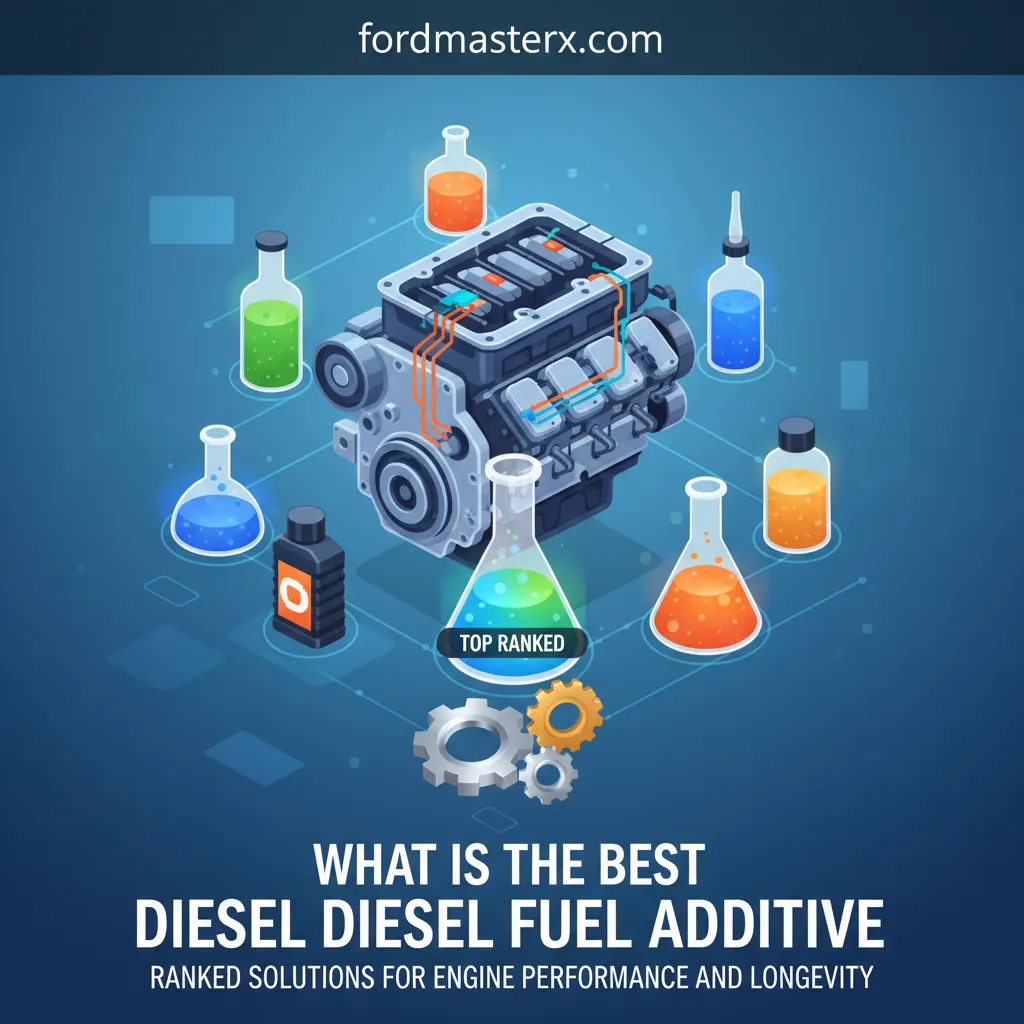
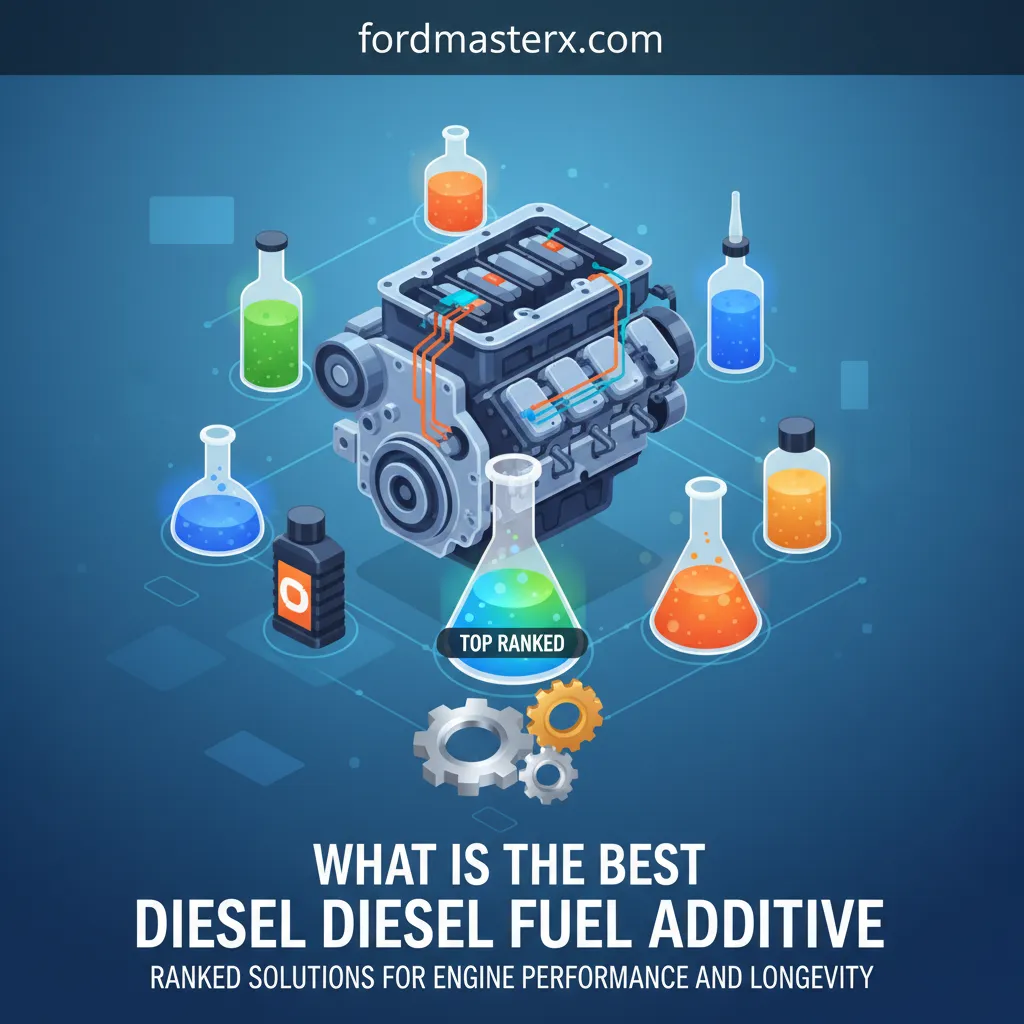
Best Diesel Fuel Additive: Ranked Solutions For Engine Performance And Longevity

Modern diesel engines are precision-engineered marvels, yet they are increasingly susceptible to the varying quality of commercial-grade fuel and the limitations of Ultra-Low Sulfur Diesel (ULSD). The refining process required to strip sulfur from diesel also removes the vital lubricants that protect high-pressure components, creating a paradox where cleaner-burning engines are more prone to catastrophic mechanical failure. Despite advancements in engine technology, many diesel owners face premature fuel pump wear, clogged injectors, and winter gelling issues that stem from inadequate fuel lubrication and low cetane ratings. In this technical guide, we have curated and ranked the best diesel fuel additives currently available, categorizing them by their ability to enhance lubricity, boost performance, and ensure cold-weather reliability.
Essential Lubricity Improvers for High-Pressure Common Rail Systems
📤 Share Image
The introduction of Ultra-Low Sulfur Diesel (ULSD) was a victory for emissions, but a silent killer for high-pressure common rail (HPCR) systems. The hydro-treating process used to remove sulfur also destroys the naturally occurring polar compounds that provide lubricity. In modern engines, the fuel itself acts as the primary lubricant for the high-pressure fuel pump and injectors. Without adequate lubrication, metal-on-metal contact occurs, leading to the “grenading” of pumps—a catastrophic failure that sends metal shavings through the entire fuel system.
The industry standard for measuring this is the High Frequency Reciprocating Rig (HFRR) test. The current ASTM D975 limit for diesel sold in the United States is a maximum wear scar of 520 microns. However, the Engine Manufacturers Association (EMA) has long advocated for a more stringent 460-micron limit. This 60-micron gap is where the damage happens. High-performance pumps, specifically the Bosch CP4 found in many late-model Ford Powerstroke and GM Duramax trucks, are notoriously sensitive to this lack of lubricity. A single tank of “dry” fuel can cause the pump’s roller lifter to turn 90 degrees, scoring the cam and destroying the fuel system, often resulting in repair bills exceeding $10,000.
The Bosch CP4 pump relies entirely on the fuel’s lubricity to prevent internal friction. If your fuel exceeds the 520-micron HFRR limit, the internal components can seize and disintegrate, contaminating your entire engine with metallic debris.
To combat this, recommended lubricity improvers like Hot Shot’s Secret LX4 or Opti-Lube XPD use synthetic esters and fatty acids. These molecules are “polar,” meaning they chemically bond to metal surfaces, creating a microscopic protective film that remains even under the extreme pressures found in modern HPCR systems. This film reduces friction-induced heat, which is a primary catalyst for fuel degradation and component wear. By consistently lowering the HFRR score to below 400 microns, these additives significantly extend the life cycle of fuel injectors and pumps beyond the manufacturer’s expectations.
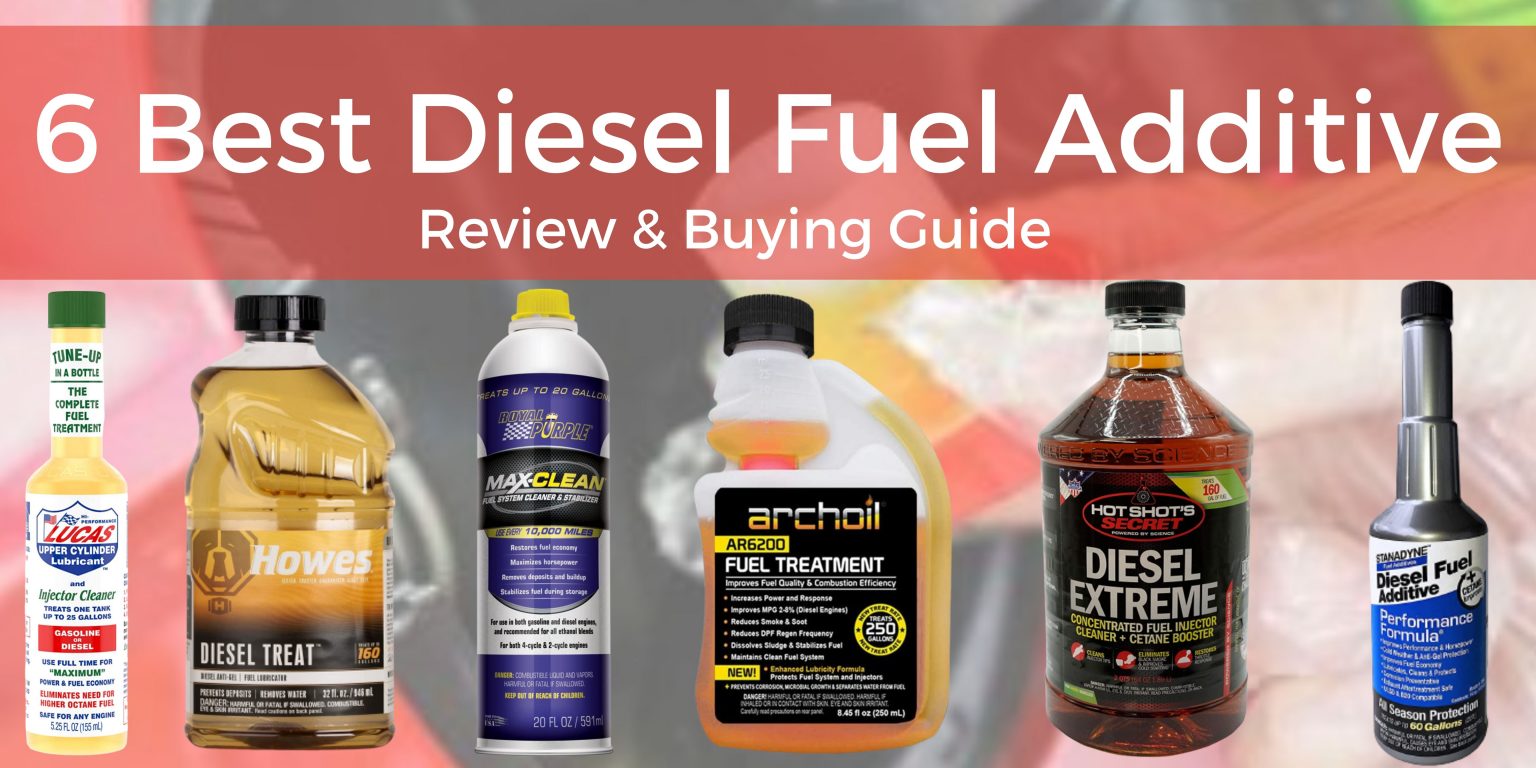
Must-Know Cetane Boosters for Improved Combustion Efficiency
If lubricity is about protection, cetane is about performance. The cetane number is a measure of a fuel’s ignition delay—the time between the start of injection and the start of combustion. Commercial diesel in North America often hovers around a cetane rating of 40 to 42, whereas most modern European and high-performance diesel engines are designed to run on a rating of 48 to 50.
The chemical engine behind most must-know cetane boosters is 2-Ethylhexyl Nitrate (2-EHN). This compound lowers the auto-ignition temperature of the fuel, ensuring that combustion begins sooner and proceeds more smoothly. For the driver, this translates to several tangible benefits:
- Reduced ‘Diesel Knock’: A faster ignition reduces the pressure spike that causes characteristic diesel clatter.
- Faster Cold Starts: Higher cetane allows the fuel to ignite more easily in cold cylinders, reducing battery strain.
- DPF Longevity: A more complete burn means less particulate matter (soot) is produced, leading to fewer Diesel Particulate Filter (DPF) regeneration cycles.
By The Numbers: Cetane Impact
Reduction in NOx Emissions
Improvement in Fuel Economy
Points of Cetane Increase
Using a curated cetane improver like Stanadyne Performance Formula is particularly critical for Tier 4 Final engines. In heavy-duty towing applications, where the engine is under constant load, the optimized timing provided by higher cetane results in increased torque and a more responsive throttle. This isn’t just “snake oil”—it is basic combustion chemistry that offsets the low-quality fuel often found at high-volume truck stops.

Ranked Cold Weather Anti-Gel Additives for Winter Reliability
Diesel fuel naturally contains paraffin wax, which is a high-energy component. However, when temperatures drop, this wax begins to precipitate out of the fuel. This starts at the cloud point, and as temperatures continue to fall, the wax crystals grow and interlock until they reach the Cold Filter Plugging Point (CFPP). At this stage, the fuel can no longer pass through the fuel filter, and the engine starves and dies.
A ranked selection of anti-gel additives, such as Power Service Diesel Fuel Supplement (White Bottle), works by introducing wax crystal modifiers. These molecules don’t dissolve the wax; instead, they coat the individual wax crystals as they form, preventing them from sticking together. This keeps the wax particles small enough to pass through the filter media.
Always add anti-gel additives when the fuel temperature is above its cloud point (typically above 35°F). If the fuel has already gelled, an anti-gel additive will not fix it; you will need a ‘de-icer’ or ’emergency rescue’ product like Diesel 911.
During a polar vortex event, untreated #2 diesel can fail in temperatures as high as 10°F. High-quality winterizers can lower the CFPP by as much as 40 degrees Fahrenheit, ensuring reliability even at -40°F. Additionally, effective winter additives must include a de-icer. Water is a constant in diesel fuel due to condensation; if that water freezes into ice crystals before the wax even becomes an issue, the result is the same: a dead truck. Industrial-grade winterizers address both wax morphology and water suspension to keep fleets moving.
Curated Detergents for Internal Diesel Injector Deposit (IDID) Removal
In the era of 36,000 PSI injection pressures, the tolerances inside a diesel injector are measured in microns. Modern engines have moved away from simple carbon buildup on the exterior nozzle to a more insidious problem: Internal Diesel Injector Deposits (IDID). These are “sticky” deposits, often carboxylate salts or asphaltenes, that form inside the injector body, causing the needle to stick or slow down.
The result of IDID is a loss of fuel atomization. Instead of a fine mist that evaporates and burns instantly, the injector produces “fat” droplets or a distorted spray pattern. This leads to cylinder washing (where unburnt fuel strips oil from the cylinder walls) and significant power loss. A popular and effective solution is the use of polyetheramine (PEA) and high-molecular-weight detergents found in products like Liqui Moly Diesel Purge or Chevron Techron D Concentrate.
Restored Atomization
Returns fuel spray to factory specifications for a perfect stoichiometric balance.
Asphaltene Prevention
Prevents heavy fuel molecules from cooking onto hot injector surfaces.
Consider a high-mileage Cummins engine experiencing a 10% drop in MPG and excessive smoke under load. Often, a concentrated detergent treatment cycle can clean the internal solenoid or piezo components, restoring the rapid-fire injection cycles required for modern emissions compliance. Regular use of these detergents is essential for maintaining the delicate balance of the HPCR system.
Popular Fuel Stabilizers and Biocides for Long-Term Storage
Diesel fuel is an organic product, and like all organic products, it biodegrades. Over time, exposure to oxygen and heat causes the fuel to oxidize, forming gums, varnishes, and sediment. This is a critical concern for standby generators, marine vessels, and seasonal agricultural equipment that may sit idle for months. Untreated diesel fuel can begin to degrade in as little as 6 to 12 months, leading to high acid numbers that corrode metal tank components and plug filters upon startup.
Even more dangerous is the “diesel bug”—microbial growth consisting of bacteria, fungi, and algae that live in the fuel-water interface at the bottom of a tank. These microbes feed on the hydrocarbons and excrete an acidic sludge that can choke a fuel system in minutes. A recommended collection of biocides, such as Biobor JF, is necessary to “shock” a contaminated system and kill these organisms.
A classic example of failure occurred during a regional power outage where a hospital backup generator failed to engage. The cause? Algae contamination in the 1,000-gallon belly tank had created a thick mat of “slime” that blocked the fuel pickup. For long-term integrity, use a stabilizer that includes a water demulsifier. This allows water to drop to the bottom of the tank where it can be drained, rather than emulsifying it into the fuel where it facilitates microbial growth.
📋
Step-by-Step Diesel Maintenance Guide
Identify your engine type and climate. Modern HPCR engines require higher lubricity additives than older mechanical 12v engines.
Choose an ‘All-in-One’ for daily driving, or a dedicated lubricity improver if running a high-risk pump like the CP4.
Pour the additive into the tank BEFORE pumping fuel to ensure proper mixing and homogenization throughout the tank.
In summary, the health of your diesel engine is inextricably linked to the quality of the fuel you provide. Lubricity additives are non-negotiable for protecting modern high-pressure fuel pumps from the dry nature of ULSD, while cetane boosters and detergents provide immediate ROI through improved fuel economy and reduced DPF regeneration cycles. Winter reliability depends on the proactive use of anti-gel formulas before temperatures reach the fuel’s cloud point. Evaluate your specific climate and engine requirements to select a curated additive regimen that prioritizes long-term mechanical integrity over quick fixes. By taking these expert-recommended steps, you ensure that your diesel remains a reliable power plant for hundreds of thousands of miles.
Frequently Asked Questions
Will using a diesel fuel additive void my manufacturer warranty?
Generally, no. Under the Magnuson-Moss Warranty Act, manufacturers cannot void a warranty simply for using an additive unless they can prove the additive caused the failure. However, it is essential to use high-quality, reputable brands that meet ASTM D975 standards to ensure compatibility with emissions components like the DPF and SCR systems.
Can I mix different brands of diesel additives together?
While most additives are chemically compatible, it is not recommended to ‘stack’ multiple brands as it can lead to over-treatment or chemical imbalances. Over-treating can occasionally lead to filter plugging or reduced combustion efficiency. It is better to find a single multi-functional additive that meets all your specific requirements, such as lubricity, cetane, and cleaning.
How often should I use a fuel system cleaner?
For optimal maintenance, a detergent-based cleaner should be used every 3,000 to 5,000 miles to prevent the accumulation of internal diesel injector deposits (IDID). If you frequently tow heavy loads or idle for long periods, more frequent applications may be necessary to maintain peak atomization and prevent power loss in high-pressure common rail systems.
Is it better to use an emulsifier or a demulsifier for water management?
Most industry experts and OEMs recommend demulsifiers. Demulsifiers cause water to coalesce into larger droplets so they can be easily trapped and removed by the vehicle’s water separator. Emulsifiers pull water through the fuel system, which can cause steam erosion on injector tips and promote microbial growth in the fuel tank.
Does biodiesel require different additives than standard #2 diesel?
Biodiesel actually has excellent natural lubricity, but it is much more prone to oxidation and cold-weather gelling than standard diesel. If you are running B20 blends, you should prioritize high-quality stabilizers and specialized cold-flow improvers designed specifically for the unique paraffin structures found in bio-based fuels to prevent storage and flow issues.