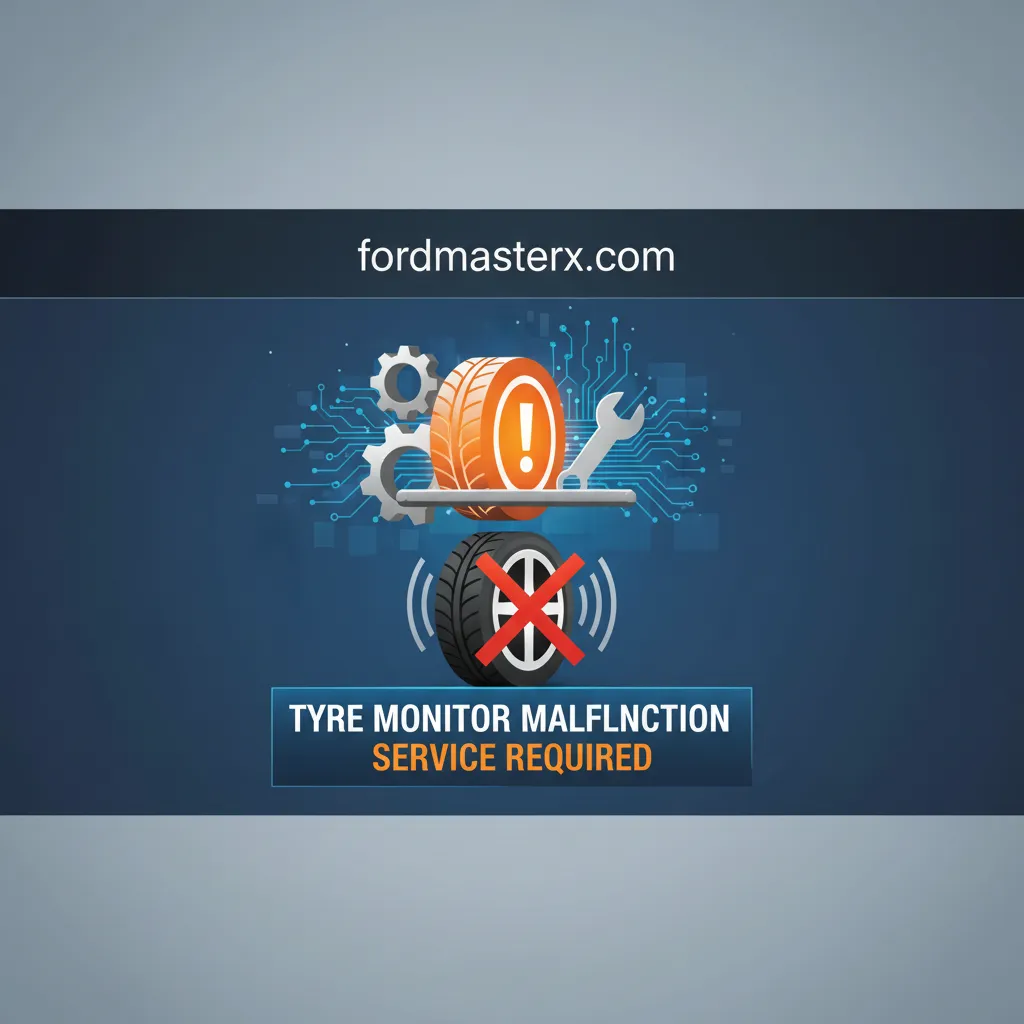
Tyre Monitor Malfunction Service Required: Complete Guide

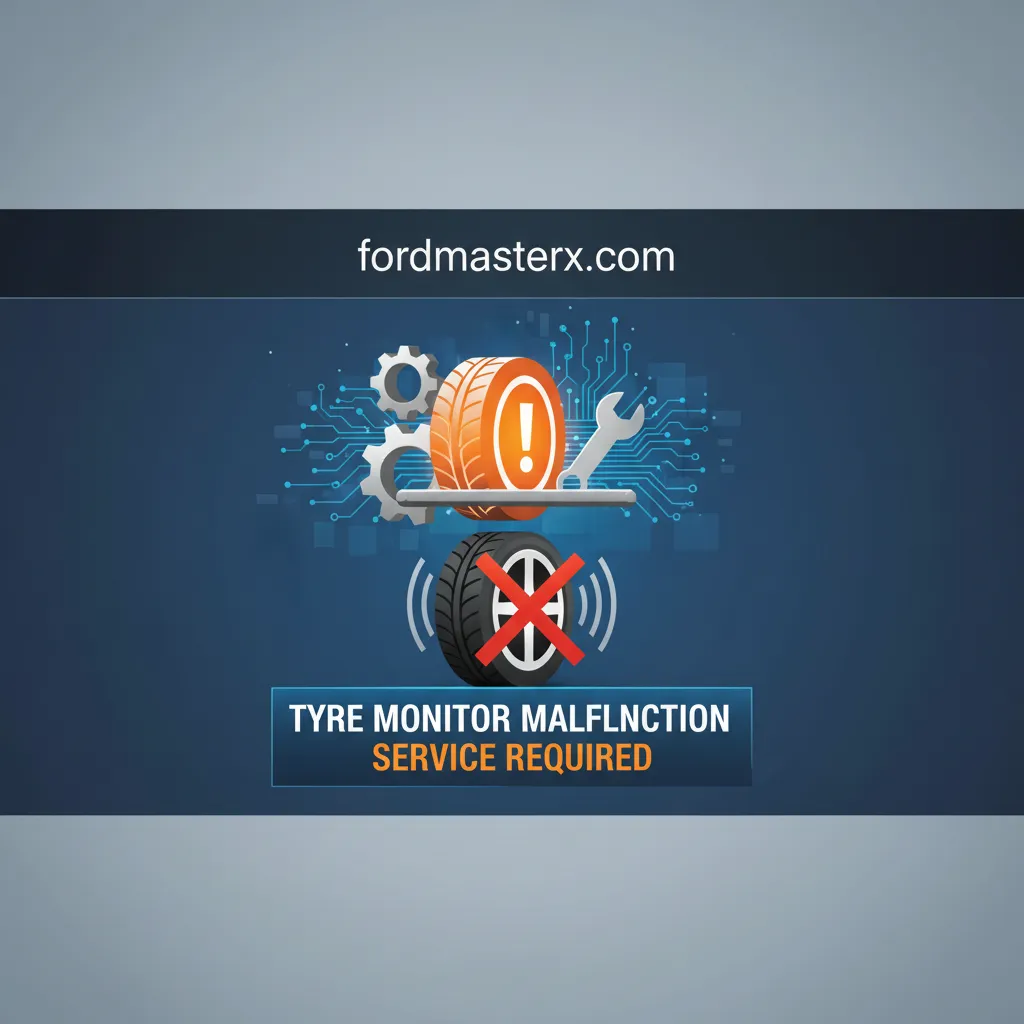
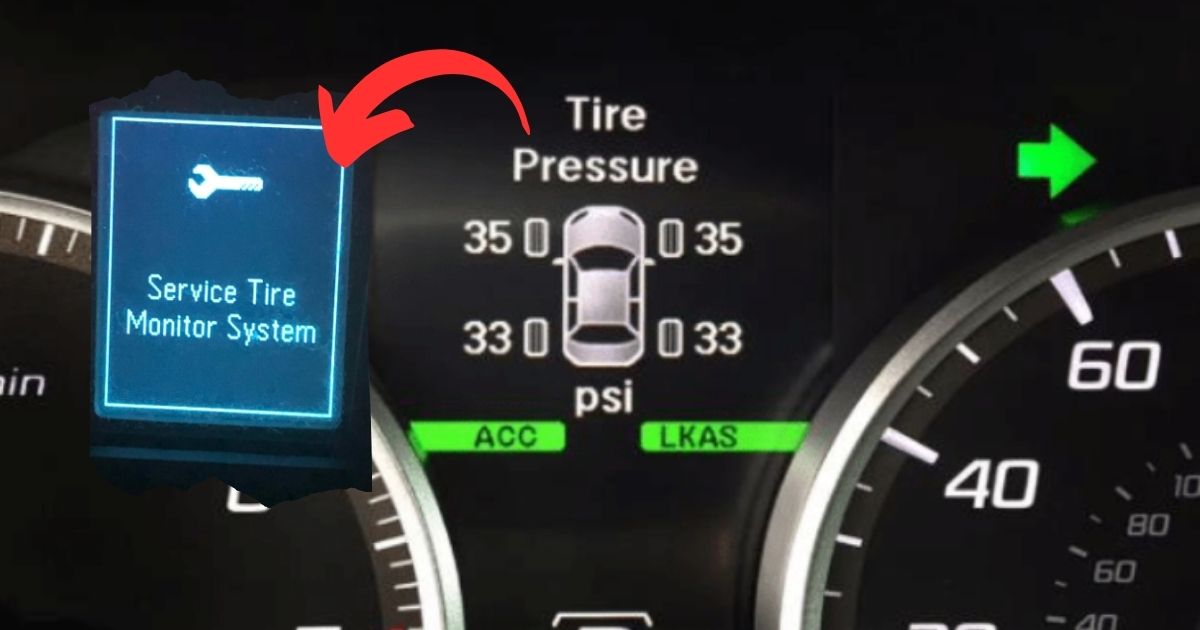
A flashing TPMS light followed by a persistent “Tyre Monitor Malfunction Service Required” message is more than a dashboard nuisance; it is a critical diagnostic signal that your vehicle’s safety network has been compromised. Unlike a standard low-pressure warning, a malfunction alert indicates that the system has lost its ability to monitor your tyres effectively. Ignoring this warning bypasses a vital safety layer, potentially leading to compromised handling or catastrophic tyre failure. This guide draws on over 15 years of automotive expertise to help you diagnose the root cause, understand the technical mechanics, and implement reliable solutions to restore your vehicle’s integrity.
Overview of the TPMS Malfunction
📤 Share Image
The Tire Pressure Monitoring System (TPMS) is a sophisticated electronic safety feature mandatory in most modern vehicles. Its primary function is to alert the driver when tyre pressure drops by 25% or more below the manufacturer’s recommended cold inflation pressure. However, when the system displays “Service Required,” it has detected an internal error that prevents it from performing this duty. This is a reliable indicator that the system’s “self-check” has failed.
In my experienced view, the confusion usually stems from the behavior of the warning light. If the light illuminates and stays solid, you likely have a pressure issue. If the light flashes upon starting the vehicle and then remains illuminated, you are facing a system malfunction. This distinction is vital because adding air will not fix a malfunction; it requires electronic diagnosis and often component replacement.
Before heading to a shop, check if you have any high-powered electronic devices or aftermarket USB chargers plugged in. These can sometimes emit electromagnetic interference that disrupts the 315MHz or 433MHz signals used by quality TPMS sensors.

Key Benefits of a Fully Functional TPMS
Maintaining a healthy tyre monitoring system provides more than just peace of mind. It directly impacts the operational costs and safety profile of your vehicle. Investing in affordable TPMS maintenance today prevents significantly higher costs down the road.
Enhanced Safety
Real-time monitoring alerts you to slow leaks and sudden pressure drops, preventing dangerous blowouts at highway speeds.
Optimized Fuel Economy
Under-inflated tyres increase rolling resistance. A functional system ensures you maintain pressures that maximize miles per gallon.
Extended Tyre Life
Proper inflation ensures even tread wear. Without a functional monitor, you may miss chronic under-inflation that ruins a set of tyres prematurely.
How It Works: The Science of Tyre Monitoring
To solve a “malfunction” error, one must understand the two primary types of systems utilized by manufacturers. Each has its own common failure points and requires specific expertise to service.
Direct TPMS vs. Indirect TPMS
Direct TPMS uses licensed radio frequency (RF) sensors mounted inside each wheel—usually integrated into the valve stem. These sensors measure actual air pressure and temperature, transmitting data to the vehicle’s Body Control Module (BCM). The malfunction error here is often due to a dead sensor battery (which typically lasts 5–10 years) or a snapped antenna.
Indirect TPMS does not use physical sensors in the wheels. Instead, it relies on the ABS (Anti-lock Braking System) wheel speed sensors to measure the rotational speed of each tyre. An under-inflated tyre has a slightly smaller diameter and spins faster. A malfunction in this system usually points to an ABS sensor failure or a software calibration error.
By The Numbers
Sensor Battery Life (Years)
Pressure Drop Trigger Point
Avg. Replacement Cost
Getting Started: Diagnosing and Fixing the Issue
When the “Service Required” message appears, you need a systematic approach to avoid unnecessary expenses. Follow this experienced workflow to isolate the problem.
📋
Step-by-Step Diagnostic Guide
Use a trusted manual gauge to check all four tyres (and the spare, if equipped with a sensor). Ensure they match the PSI listed on your driver-side door jamb. Sometimes a malfunction is triggered by a sensor reading an impossible value due to extreme low pressure.
Many vehicles offer a TPMS reset in the infotainment menu. Perform this while stationary. For some models, a “relearn drive” (usually 10+ minutes over 20 mph) is required to re-establish communication between the quality sensors and the receiver.
If the light persists, a licensed technician should use an OBD-II scan tool with TPMS capabilities. This tool can ping each sensor individually to identify which one has a dead battery or is failing to transmit. This avoids the “guesswork” of replacing all four sensors at once.
Why Professional Service is Essential
While many vehicle maintenance tasks can be handled by enthusiasts, TPMS malfunctions often require specialized hardware. A certified shop has access to TPMS activation tools that can “wake up” new sensors and program their unique ID codes into the car’s computer. Without this programming, the vehicle will continue to display the malfunction error even with brand-new hardware installed.
✅ Pros of Professional Repair
- Guaranteed sensor compatibility
- Expertise in “relearn” sequences
- Ability to check for BCM firmware updates
- Prevention of valve stem damage during install
❌ Cons of DIY TPMS Work
- Requires breaking the tyre bead (dangerous)
- High risk of sensor damage if using wrong tools
- Inability to program IDs without expensive tools
- Generic sensors may not communicate correctly
Never use pressurized “Fix-a-Flat” or tyre sealants in a tyre with a direct TPMS sensor unless the sealant is explicitly labeled as TPMS-safe. The chemicals can gum up the sensor port, causing immediate and permanent malfunction.
Cost Expectations and Affordable Solutions
Resolving a TPMS malfunction is generally affordable when compared to the cost of a new tyre or the safety risks involved. A single sensor replacement typically ranges from $80 to $200, including parts, labor, and programming. To save money, I recommend replacing all four sensors if your vehicle is more than 7 years old. Since the batteries have similar lifespans, the labor costs are often reduced when done as a set, rather than returning to the shop four separate times as each battery fails.
Summary of Best Practices
Maintaining your vehicle’s TPMS is a straightforward process when you approach it with the right information. By prioritizing quality components and trusted service providers, you ensure that this critical safety system remains a reliable guardian of your road safety. Do not let a flashing light become a permanent fixture on your dashboard; the “Tyre Monitor Malfunction” message is an invitation to perform essential maintenance that keeps you, your passengers, and your vehicle safe.
Key Takeaways:
- Differentiate the signal: A flashing light indicates a system malfunction; a solid light indicates low pressure.
- Consult the experts: Diagnostic tools used by certified technicians are the only way to accurately identify a dead sensor.
- Maintain Battery Cycles: Expect a 5-10 year lifespan for direct sensors; plan for replacement during your next tyre change to save on labor.
If your “Tyre Monitor Malfunction” light is currently active, your next step should be a professional diagnostic scan. Contact a licensed service center today to verify your sensor health and ensure your vehicle remains compliant with safety standards. Proper monitoring is an investment in your safety that pays dividends in every mile you drive.