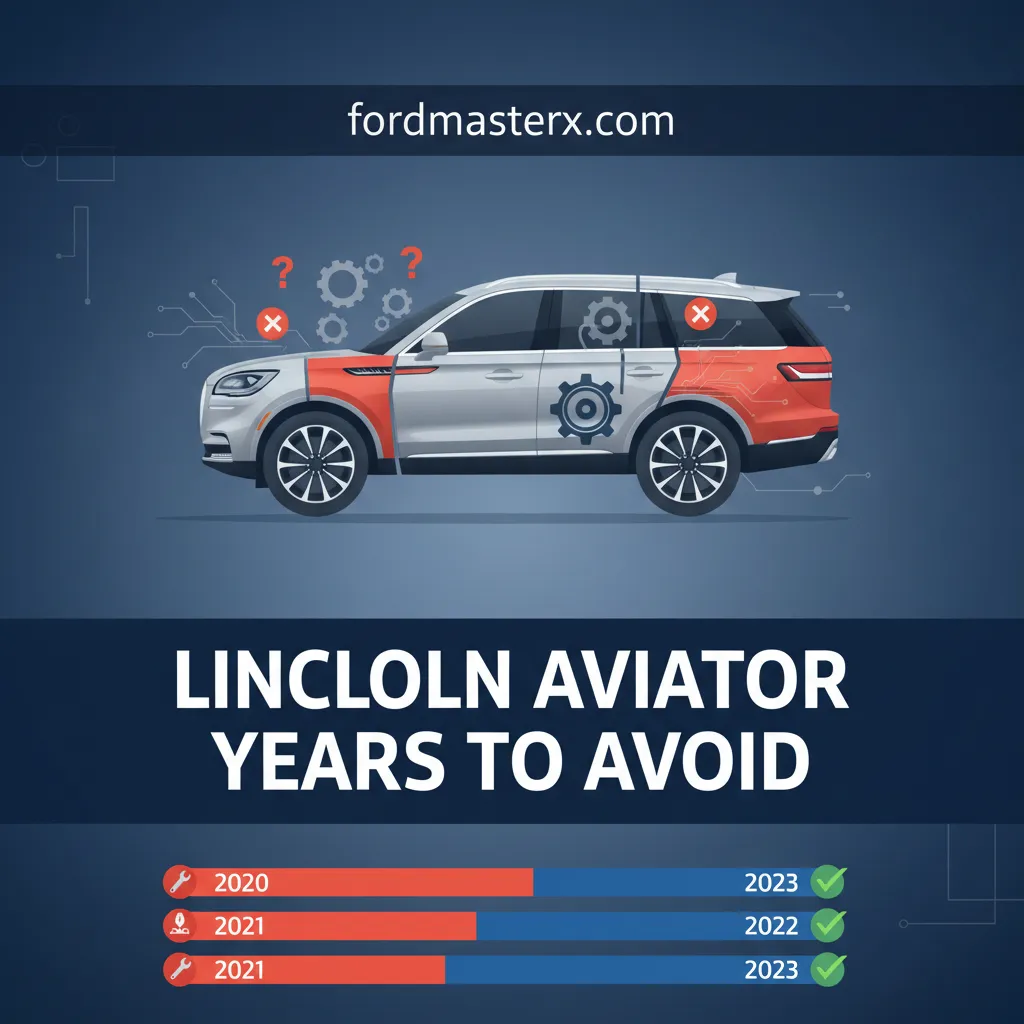
Lincoln Aviator Years To Avoid: Evaluating Reliability And Mechanical Performance

The Lincoln Aviator represents a pinnacle of American luxury, combining effortless power with a sophisticated aesthetic that rivals the best European marques. However, as any seasoned automotive professional will attest, even the most prestigious nameplates have periods of mechanical turbulence. For those seeking the complete experience of a high-end SUV without the frustration of frequent service center visits, identifying which specific production windows to sidestep is critical. Not every model year delivers the seamless reliability expert drivers expect, and navigating the pre-owned market requires a trusted, comprehensive guide to separate the reliable performers from the problematic outliers. This professional analysis identifies the Lincoln Aviator years to avoid and highlights the quality years that offer the best return on investment.
The 2020 Lincoln Aviator: Analysis of Initial Second-Generation Production Flaws
📤 Share Image
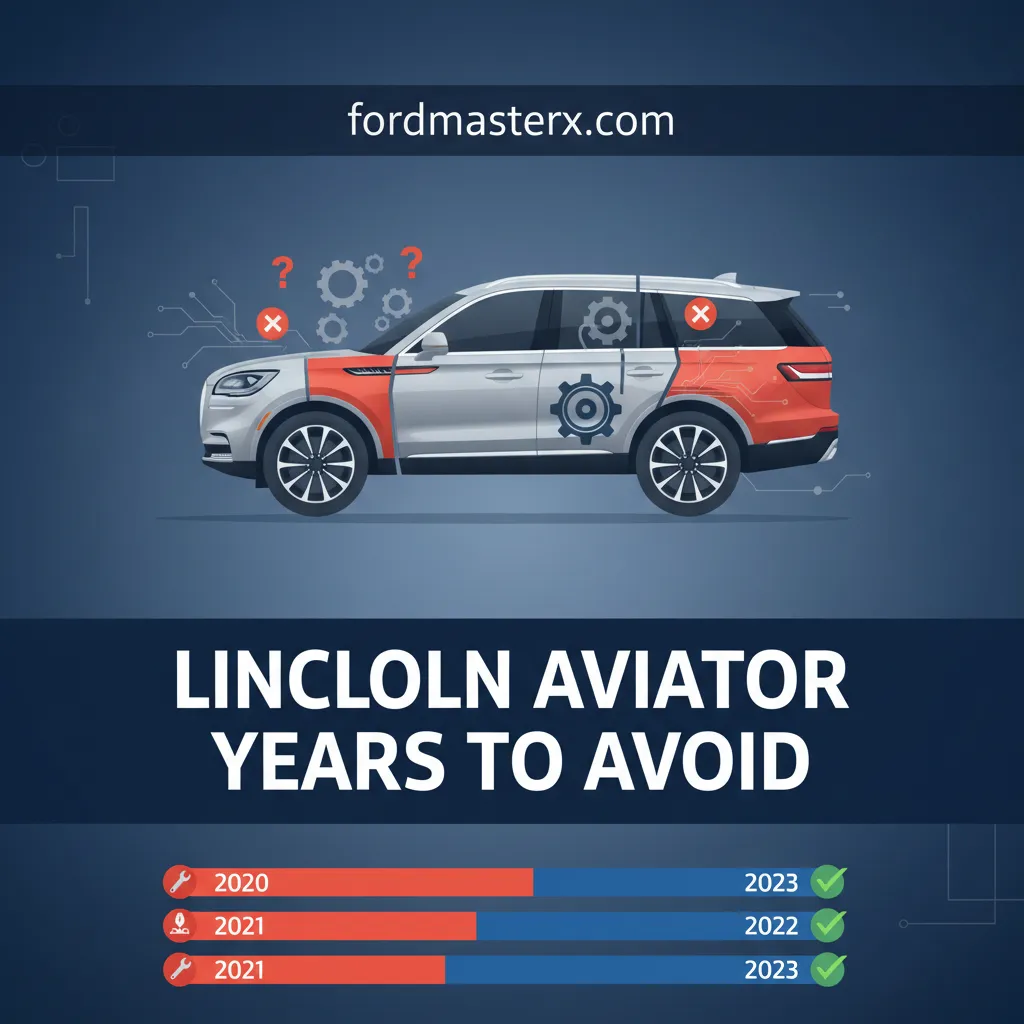
The relaunch of the Aviator nameplate for the 2020 model year was met with significant critical acclaim for its design, yet it quickly became a case study in how a rushed production cycle can undermine a luxury brand’s reputation. Originating from the Chicago Assembly Plant, early 2020 units suffered from widespread quality control lapses. Expert inspections frequently revealed vehicles delivered to dealerships with missing interior trim pieces, misaligned body panels, and non-functional driver-assist features right off the transport truck. This ‘not-ready-for-market’ sentiment was not merely anecdotal; it was backed by staggering technical data.
Electrical Instability and Infotainment Failures
The electrical architecture of the 2020 Aviator was plagued by “phantom” malfunctions. Owners reported warning lights for engine faults, braking systems, and suspension air leaks that would illuminate and vanish without rhyme or reason. The SYNC 3 infotainment system was another primary pain point, frequently suffering from total screen freezes or failing to recognize smartphone integrations. These software-level bugs were indicative of an integration process that lacked the final 10% of refinement necessary for a professional-grade luxury vehicle.
Mechanical Harshness: Transmission and Suspension
While the 10-speed automatic transmission is now a staple of the Ford/Lincoln lineup, its initial calibration in the 2020 Aviator was notoriously unrefined. Early adopters experienced harsh shifting, particularly during low-speed downshifts, and a distinct “lurching” behavior when accelerating from a stop. Furthermore, the sophisticated Air Glide suspension—standard on Black Label and Grand Touring trims—exhibited premature compressor failures and air bladder leaks, often leaving the vehicle sitting unevenly after being parked overnight.
The 2020 Lincoln Aviator was subject to over 10 major NHTSA recalls. These covers critical safety hazards including driveshaft fractures, seatback structures that fail in collisions, and battery cable short circuits that pose fire risks.

Historical Reliability Concerns: The 2003-2005 First-Generation Aviator
The original Aviator (2003-2005) was an attempt to capture the success of the Navigator in a smaller package. While it offered a powerful 4.6L DOHC V8, its longevity is severely compromised by powertrain and structural vulnerabilities. For the used car buyer, these years represent a high-risk investment with repair costs that often exceed the vehicle’s market value.
Catastrophic Transmission and Engine Timing Failures
The 5-speed 5R55W automatic transmission used in this generation is a notorious failure point. Owners frequently report a ‘transmission shudder’—a vibration felt during gear changes—which serves as a precursor to total planetary gear failure. On the engine side, the 4.6L V8 utilizes plastic timing chain guides and tensioners. After the 100,000-mile mark, these plastic components are prone to becoming brittle and shattering, which can lead to catastrophic engine timing issues and internal damage.
Structural Defects: The Cracked Liftgate
Shared with its cousin, the Ford Explorer, the first-generation Aviator suffers from a notorious aesthetic and structural defect: the cracked rear liftgate panel. This vertical crack typically appears just below the rear window and above the Lincoln badge. Beyond the visual degradation, it can allow moisture to enter the liftgate assembly, leading to electrical shorts in the rear wiper motor and hatch release mechanisms.
By The Numbers: First-Gen Risks
Rank on CarComplaints.com for Transmission Failures
Avg. Cost for Engine/Transmission Rebuild
Critical Recalls and Technical Service Bulletins Affecting Aviator Longevity
Technical Service Bulletins (TSBs) and official recalls serve as a quality roadmap for expert mechanics to identify factory defects before they lead to catastrophic failure. The Aviator’s history is heavily documented by the National Highway Traffic Safety Administration (NHTSA), providing a clear picture of the risks associated with specific production runs.
- Recall 21S48 (Rearview Camera): Affecting 2020-2021 models, this recall addressed the widespread “blue screen” error where the 360-degree camera system would fail to display an image. This was a significant safety hazard during parking and low-speed maneuvering.
- TSB 20-2266 (AWD Vibration): This bulletin was issued to address vibrations felt through the floorpan and steering wheel in All-Wheel Drive models. The root cause was often traced to driveshaft imbalance or rear differential mounting issues.
- High-Voltage Battery Risks (PHEV): The Grand Touring variants, utilizing a Plug-in Hybrid system, have faced specific scrutiny regarding battery cell manufacturing defects that could lead to internal short circuits and thermal events (fire risks).
Before purchasing a 2020-2021 Aviator, check the VIN on the NHTSA website. A reliable vehicle must have documentation proving that Recall 21S48 and the driveshaft inspections have been completed by a trusted Lincoln dealership.
Reliable Alternatives: Which Lincoln Aviator Model Years to Buy Instead
While early production years were rocky, Lincoln made massive strides in stabilizing the Aviator platform. By the 2022 model year, most of the assembly line “growing pains” from the Chicago plant had been resolved. For a trusted ownership experience, the 2022, 2023, and 2024 models are the premier choices.
Optimized Software
The transition to more stable software versions eliminated the ‘black screen’ bugs and SYNC 3 freezes found in earlier models.
Refined Powertrain
Post-2021 models feature updated 10-speed transmission calibrations that provide the buttery-smooth shifts expected of a luxury SUV.
The Reserve Trim: The Reliability Sweet Spot
For the most reliable long-term experience, expert consultants recommend the ‘Reserve’ trim. It offers a professional-grade interior and top-tier technology without the inherent complexity of the early air suspension systems found in the Black Label. By opting for a Reserve model with the standard coil suspension, you eliminate one of the most expensive potential failure points as the vehicle ages.
Professional Inspection Criteria for Used Lincoln Aviators
Acquiring a used Aviator requires more than a simple test drive. To ensure you are buying a vehicle vetted by expert standards, follow this focused inspection protocol. A professional Pre-Purchase Inspection (PPI) typically costs between $200-$500, but in the luxury SUV segment, it can save an average of $3,500 in immediate “hidden” repairs.
📋
Step-by-Step Inspection Guide
Check the 10-speed transmission fluid. If it shows signs of thermal degradation (burnt smell or dark color) at low mileage, it indicates a history of heavy towing or poor calibration. Use an OBD-II scanner to check for “soft codes” that haven’t triggered a Check Engine Light but indicate sensor drift in the twin-turbo system.
Cycle the ‘Perfect Position’ seats through their full range of motion. Listen for clicking or grinding in the motors, which can cost $1,200+ per seat to replace. Inspect the panoramic sunroof tracks for drainage clogs; water backup here often leads to hidden electrical damage in the A-pillars.
Finally, if the vehicle is equipped with air suspension, have a mechanic perform a soap-bubble test on the air bladders. Small leaks are often invisible but cause the compressor to overwork and fail prematurely. On the 3.0L EcoBoost engine, specifically check the turbocharger oil lines for seepage—a common but expensive fix that is often overlooked during a casual walkaround.
Conclusion
Navigating the Lincoln Aviator market requires a discerning eye for production history and mechanical pedigree. The 2020 model year remains the primary year to avoid due to its status as a troubled launch vehicle, characterized by extensive recalls and unrefined assembly standards. Similarly, the historical 2003-2005 models should be approached with extreme caution, as the aging transmission and suspension components present a disproportionate financial risk. To secure a reliable and trusted luxury experience, buyers should prioritize 2022 or newer models, preferably under a Certified Pre-Owned (CPO) program. Always consult a certified Lincoln technician and pull a complete vehicle history report before finalizing your purchase to ensure your Aviator remains a source of pride rather than a mechanical burden.
Frequently Asked Questions
Which Lincoln Aviator year has the most reported problems?
The 2020 Lincoln Aviator is widely considered the most problematic year. As the debut year for the second generation, it suffered from significant assembly line issues, resulting in numerous recalls for driveshaft failures, seat structure problems, and electrical glitches. Professional mechanics often advise against this year in favor of newer, more refined versions.
Are first-generation Lincoln Aviators reliable today?
While the 2003-2005 Aviators offered impressive power, their long-term reliability is poor. They are known for transmission failure, rear suspension issues, and plastic cooling system components that degrade over time. Maintaining these vehicles to a professional standard today often exceeds the actual market value of the SUV, making them a risky purchase.
What are the common transmission issues in the 2020 Aviator?
The 10-speed automatic transmission in the 2020 model frequently exhibits harsh upshifts and downshifts, hesitation when accelerating, and occasional ‘clunking’ sounds. While many of these issues were addressed through software updates and TSBs, some units required physical valve body replacements to achieve the smooth, quality performance expected of a luxury vehicle.
Is the Lincoln Aviator Grand Touring (Hybrid) more reliable?
The Grand Touring PHEV offers exceptional performance but introduces more complexity. Early 2020-2021 hybrid models faced challenges with the high-voltage battery cooling system and software integration between the electric motor and the engine. For a reliable experience, we recommend focusing on 2022 or later Grand Touring models which benefited from expert calibration adjustments.
How can I ensure the Aviator I’m buying is high quality?
To secure a trusted vehicle, always prioritize Lincoln’s Certified Pre-Owned (CPO) program, which includes a 200-point professional inspection. Additionally, check the VIN for outstanding recalls and request service records to verify that all Technical Service Bulletins, particularly those regarding the transmission and infotainment system, have been addressed by a professional dealer.