How To Replace Ignition Switch Without Key: Technical Procedures For Lock Cylinder Removal

Losing your only vehicle key doesn’t just leave you stranded—it locks your entire ignition system into a state of mechanical paralysis. For most vehicle owners, the ignition lock cylinder represents a formidable barrier, specifically designed to resist tampering and unauthorized rotation. When the ignition cylinder cannot be turned to the ‘Run’ position, the standard removal pin remains locked, making a simple replacement seemingly impossible for the average owner. This guide provides a technical walkthrough on how to bypass these security measures, master the extraction of a locked cylinder, and successfully install a new ignition switch without the original key, ensuring you restore your vehicle’s functionality with professional precision.
Section 1: Understand the Mechanical Architecture of Ignition Lock Cylinders
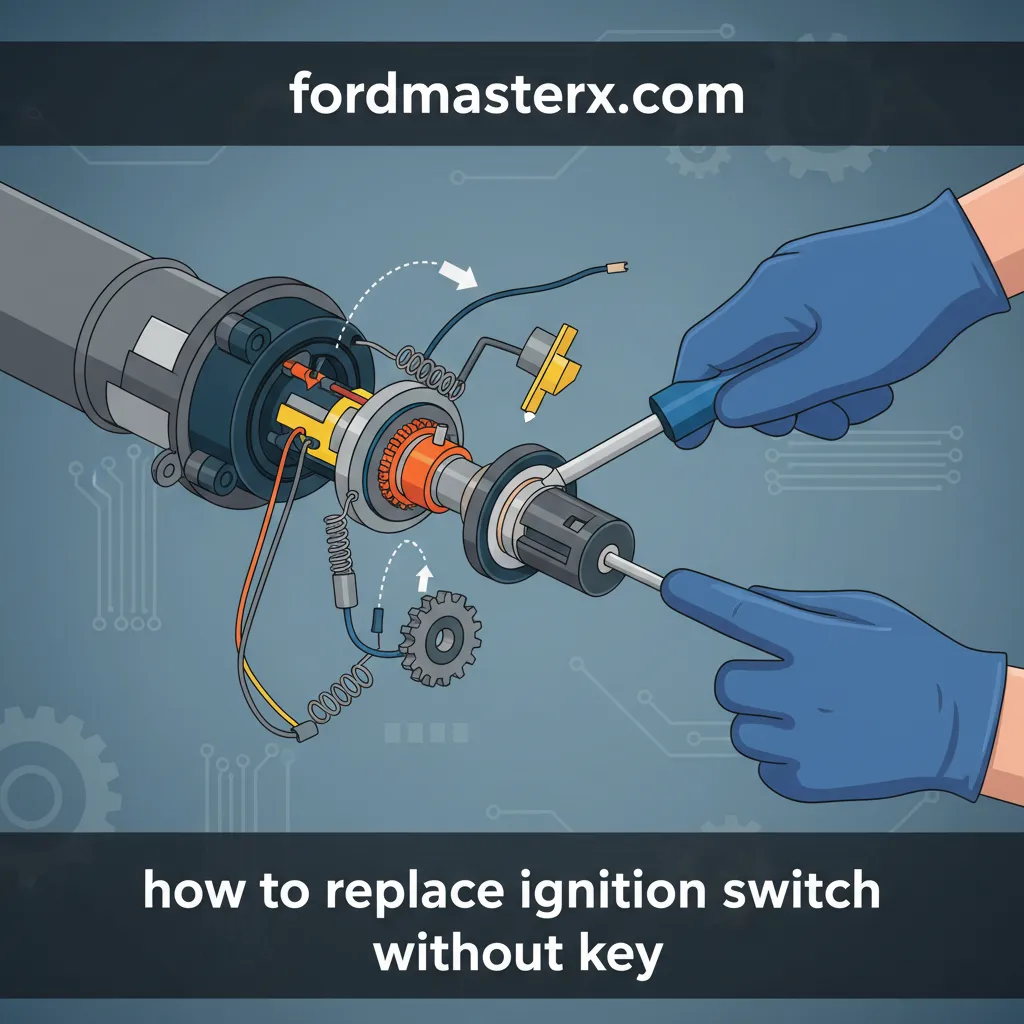
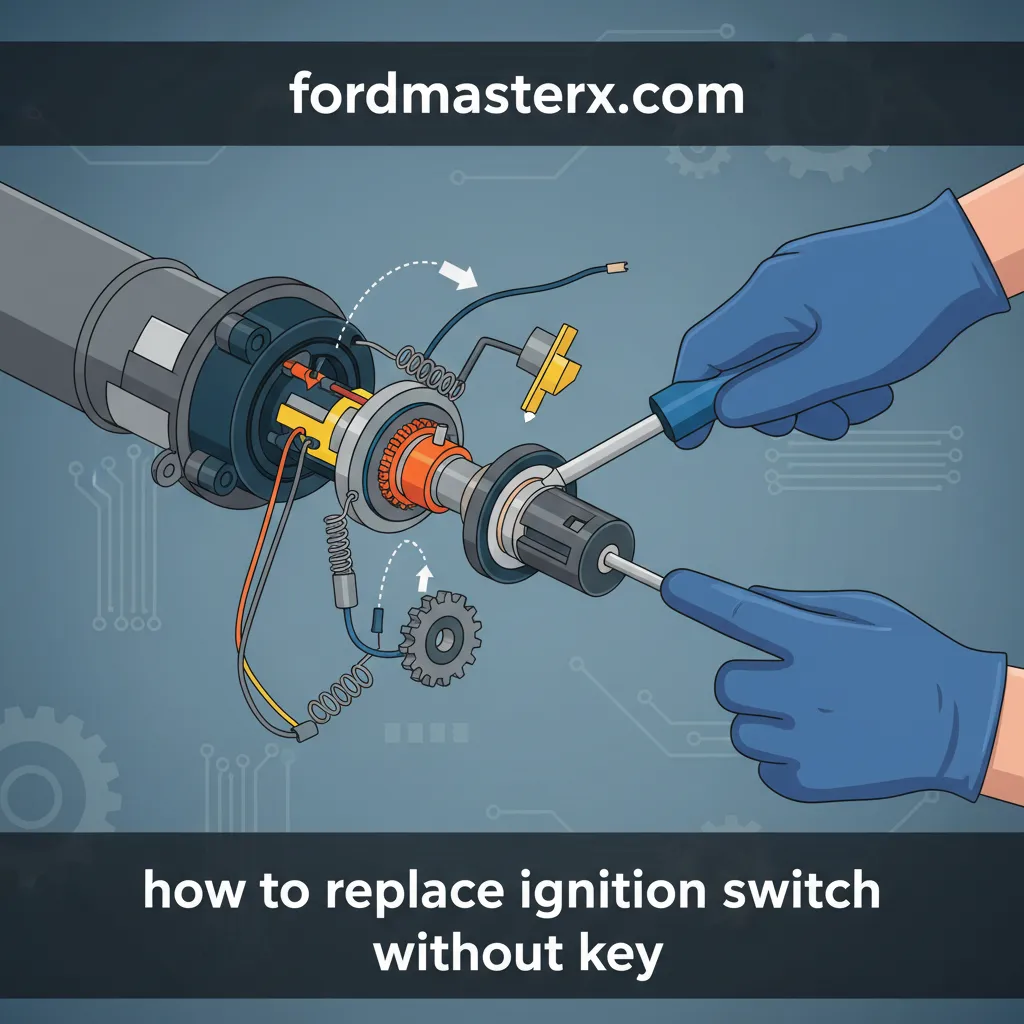
To effectively remove a locked cylinder, you must first understand the distinction between the ignition lock cylinder and the ignition switch. The cylinder is the mechanical component where the key is inserted, while the switch is the electrical component located behind or below it that actually routes power to the starter and fuel system. These two components interface via a tailpiece or actuator rod.
📤 Share Image
Inside the cylinder, a series of wafer tumblers sit at various heights. When the correct key is inserted, these wafers are pushed into a uniform line (the shear line), allowing the cylinder to rotate. Without the key, the wafers protrude into the housing, physically preventing rotation. Most manufacturers incorporate a spring-loaded locking pin on the housing. This pin can only be depressed when the cylinder is in the ‘Run’ or ‘On’ position, a design feature intended to prevent the lock from vibrating out of the column during operation.
Differentiating Security Features
The difficulty of your task depends heavily on the manufacturer’s security philosophy. For example, Ford models from the mid-2000s typically utilize a standard pin-and-wafer design that is relatively straightforward to drill or pick. Conversely, many General Motors (GM) vehicles employ a sidebar lock mechanism. In these systems, a sidebar must drop into a groove in the wafers before the lock will turn. If the wafers aren’t perfectly aligned, the sidebar remains under tension, making these locks significantly harder to bypass without specialized tools.
By The Numbers
Pre-2010 mechanical wafer usage
Require ‘On’ position for pin release
Section 2: Master the Preparation and Safety Protocols for Steering Column Disassembly
Before touching a screwdriver, you must prioritize safety. Modern steering columns are packed with sensitive electronics, including the Supplemental Restraint System (SRS). Tampering with the column while it is powered can lead to catastrophic consequences.
Airbags can deploy with a force of over 2,000 pounds of pressure in less than 0.05 seconds. Always disconnect the negative battery terminal and wait at least 15 minutes before proceeding to ensure the SRS capacitor has fully discharged.
Essential Tool Inventory
You will need a specific set of tools to navigate the interior trim and the mechanical locks:
- Nylon Pry Tools: To remove steering column shrouds without fracturing fragile plastic clips.
- Torx and Hex Drivers: Many manufacturers (especially European and Domestic) use T15 to T30 fasteners for column security.
- High-Speed Cobalt Drill Bits: Essential for penetrating hardened steel faceplates.
- Long-Reach Pick Sets: For locating and depressing the hidden release pin.
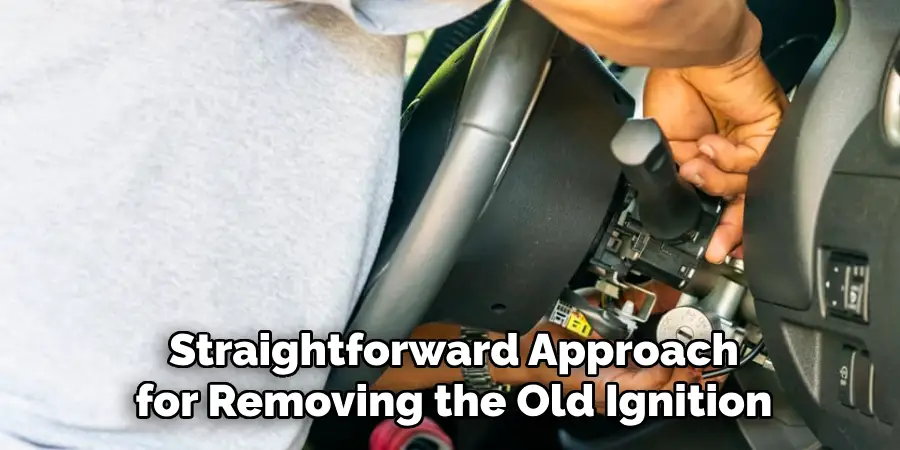
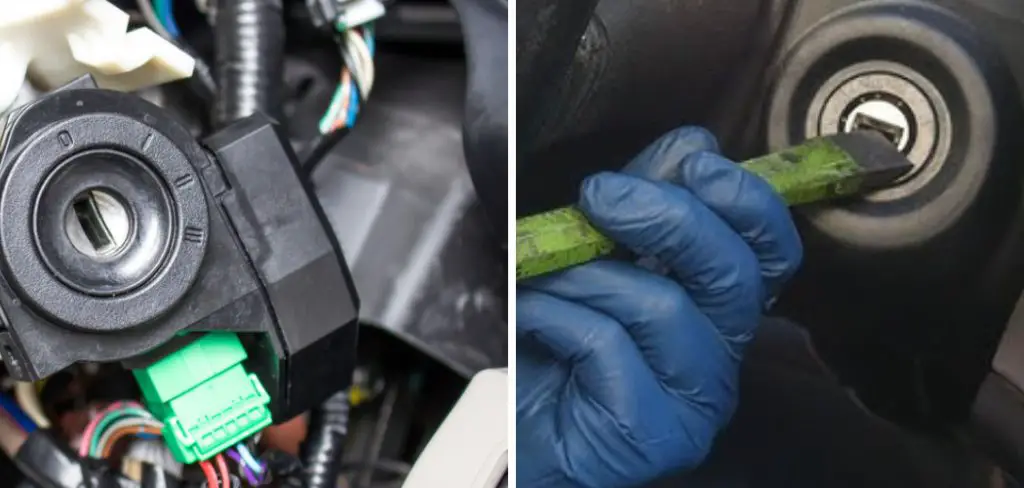
Once the battery is disconnected, remove the lower and upper steering column covers. You may need to remove the knee bolster or lower dash panel for full access. Explore the perimeter of the ignition housing to find the release hole—it is often a small, circular aperture located on the top or side of the metal casting, sometimes protected by a plastic security plate or the transponder ring.
Section 3: Learn the Drill-Out Method for Forced Ignition Cylinder Extraction
When the key is missing and picking fails, the drill-out method is the industry-standard destructive procedure. This technique involves destroying the internal wafers to allow a screwdriver to simulate the rotation of a key. This is a common procedure for older 1990s and early 2000s vehicles, such as a 1998 Jeep Cherokee where the lock has become seized or the key is lost.
📋
Step-by-Step Drilling Guide
Locate the center of the keyway. You want to drill approximately 1/4 inch above the center of the keyway. This is where the tumblers meet the cylinder housing (the shear line). Drilling here allows you to destroy the components that prevent rotation.
Start with a 1/8-inch cobalt pilot bit to create a guide. Apply moderate pressure; let the bit do the work. Once through the first inch, switch to a 1/4-inch bit to expand the hole and fully shatter the internal wafers. Avoid drilling too deep (usually more than 2 inches) to prevent damaging the electrical switch behind the cylinder.
Insert a heavy-duty flathead screwdriver into the shattered keyway. Forcefully turn the screwdriver clockwise. Once the cylinder reaches the ‘On’ position, use a pick to depress the retaining pin and pull the cylinder assembly out of the column.
After the cylinder is removed, you must clean all metal shavings from the housing using compressed air. Tiny shards of steel can migrate into the electrical switch or the steering lock mechanism, causing mechanical jams or electrical shorts. High-carbon steel bits are mandatory for this job, as modern ignitions often feature hardened faceplates specifically designed to deflect standard bits.
Section 4: Explore Non-Destructive Techniques Using Lock Picks and Tension Tools
For technicians who want to preserve the ignition housing or avoid the mess of drilling, lock picking is a viable alternative. While it requires more skill, it is often faster for those who have mastered the tactile feedback of wafer tumblers.
✅ Pros
- Preserves the integrity of the steering column housing.
- No metallic debris to clean up.
- Faster on older “loose” locks.
- Avoids damage to the transponder ring.
❌ Cons
- Requires high mechanical dexterity.
- Difficult on high-security sidebar locks.
- Can be time-consuming on worn tumblers.
- Requires specialized tool kits (Lishi).
Using a rake pick and a tension wrench, you can simulate a key by applying rotational pressure while vibrating the wafers. In older Ford and GM models, a “jiggler key”—a generic key profile designed to hit various heights—can often turn the cylinder with minimal effort. Automotive locksmiths report that roughly 70% of pre-transponder vehicle ignitions can be picked within 5 minutes by a trained professional.
Once you achieve rotation, you must still bypass the steering lock pin. In some vehicles, even after the retaining pin is depressed, the steering lock (which prevents the wheel from turning when the key is out) remains engaged. You may need to jiggle the steering wheel while pulling the cylinder to release the physical tension on the lock bar.
Section 5: Discover How to Install the New Cylinder and Sync the Transponder System
Installing the new cylinder is essential to do correctly to ensure the electrical switch operates in sync with the mechanical lock. Before sliding the new cylinder into the column, ensure it is set to the ‘On’ or ‘Accessory’ position to allow the retaining pin to retract during insertion. Align the cylinder’s tab with the internal slot of the ignition switch actuator rod.
Always test the full range of motion—Off, Accessory, On, and Start—before reassembling the dash trim. Ensure the key releases smoothly in the ‘Off’ position and the steering wheel locks appropriately.
Addressing the Immobilizer and Transponder
Mechanical replacement is only half the battle on vehicles manufactured after the late 1990s. These vehicles use RFID transponder chips embedded in the key head. If the Engine Control Unit (ECU) doesn’t detect a recognized signal, it will trigger a fuel pump cutoff, causing the engine to “short-start” or stall after two seconds.
For GM vehicles equipped with the PassLock or PassKey system (like the Chevrolet Impala), you will likely need to perform a 30-minute security relearn procedure:
- Turn the new key to ‘On’ (not start) and wait for the security light to stop flashing (approx. 10 minutes).
- Turn the key off for 5 seconds.
- Repeat this cycle two more times for a total of 30 minutes. This allows the BCM (Body Control Module) to pair with the new lock’s resistance or transponder ID.
Summary and Final Recommendations
Replacing an ignition switch without a key is a rigorous process that demands an assessment of the mechanical lock architecture and strict adherence to safety preparation. Whether you choose the destructive drill-out method or non-destructive picking, the goal is reaching the rotation point required to release the retaining pin. Once the hardware is replaced, the electronic synchronization of the transponder components is vital for vehicle operation. If your vehicle utilizes a high-security laser-cut key or an advanced proximity system, consult a certified automotive locksmith to avoid permanent damage to the steering column electronics.
Frequently Asked Questions
Will replacing the ignition switch require me to have a new key for the doors?
Yes, unless you have the new ignition cylinder re-keyed to match your existing door locks by a professional locksmith. Typically, a replacement ignition comes with its own set of keys, meaning you will use one key for the ignition and your original key for the doors and trunk.
Can I replace just the electrical switch without removing the lock cylinder?
In many vehicle designs, the electrical ignition switch is a separate component located further down the steering column. You can often replace the electrical portion without a key; however, if the mechanical cylinder is damaged or locked, you will still be unable to turn the switch to start the car.
What is the best drill bit for removing a hardened ignition lock?
Standard HSS (High-Speed Steel) bits will likely dull quickly against a lock’s hardened faceplate. It is recommended to use Cobalt or Carbide-tipped bits. Start with a small 1/8-inch pilot hole and increase the size gradually to maintain control and prevent damage to the surrounding housing.
How do I bypass the steering wheel lock if I can’t turn the key?
The steering lock is usually a spring-loaded pin engaged by the cylinder’s position. Once the cylinder is removed via drilling or picking, you can use a screwdriver to manually retract the locking bolt or rotate the internal ignition actuator, which will simultaneously release the steering wheel lock.
Do I need to reprogram my car’s computer after replacing the switch?
If your vehicle was built after the late 1990s, it likely has an immobilizer system. While the mechanical switch doesn’t need programming, the transponder chip inside the new key does. You must perform a manufacturer-specific relearn procedure or use an OBD-II programming tool to link the new key to the ECU.