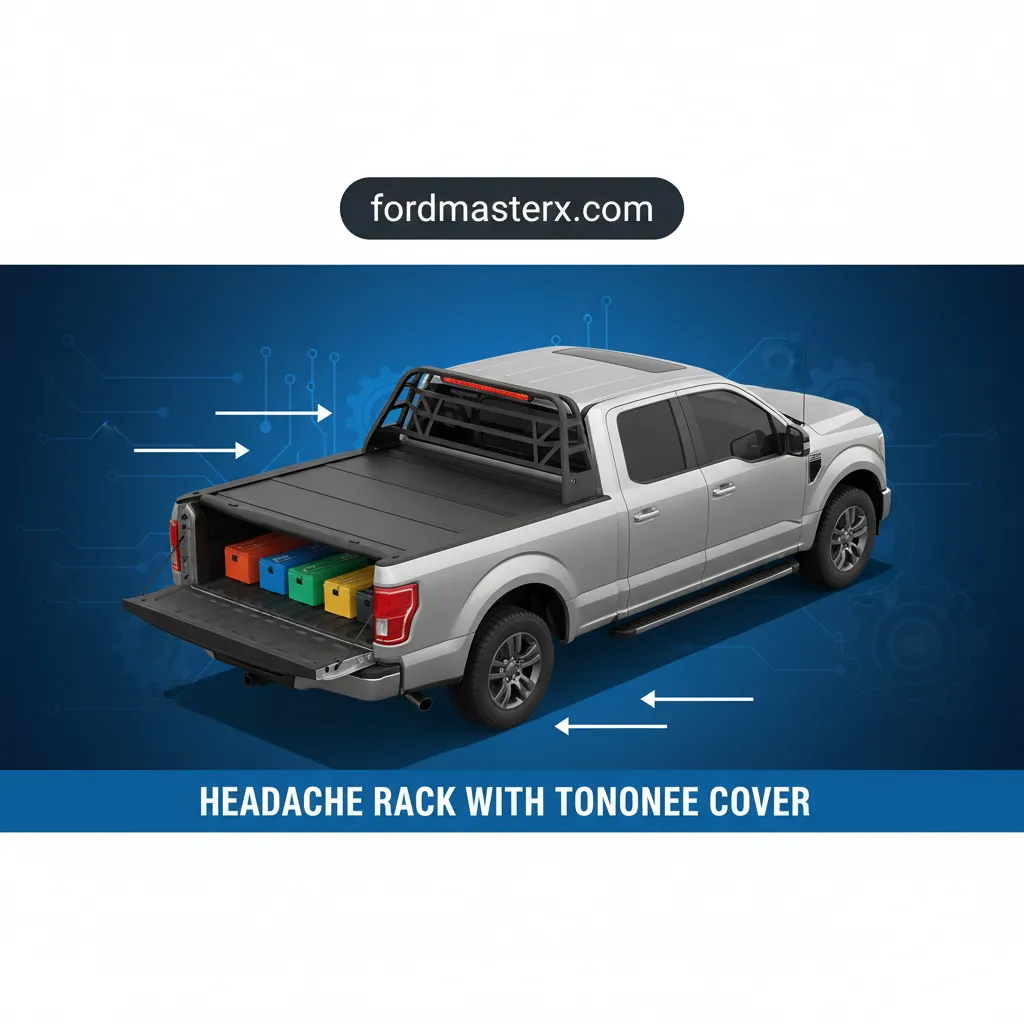
Headache Rack With Tonneau Cover Compatibility And Installation Solutions

For truck owners who demand maximum utility, the decision between cargo protection and structural safety shouldn’t be a compromise. Standard headache racks and tonneau covers often utilize the same mounting points on the truck bed rails, leading to significant compatibility conflicts that frustrate even seasoned DIYers. This comprehensive guide provides expert insights into selecting, adapting, and installing a headache rack with a tonneau cover to ensure a professional, reliable, and functional configuration. By understanding the engineering nuances of these dual-accessory systems, you can transform your vehicle into a high-performance workhorse without sacrificing the security of a covered bed.
Engineering Compatibility Between a Headache Rack and Tonneau Cover
📤 Share Image
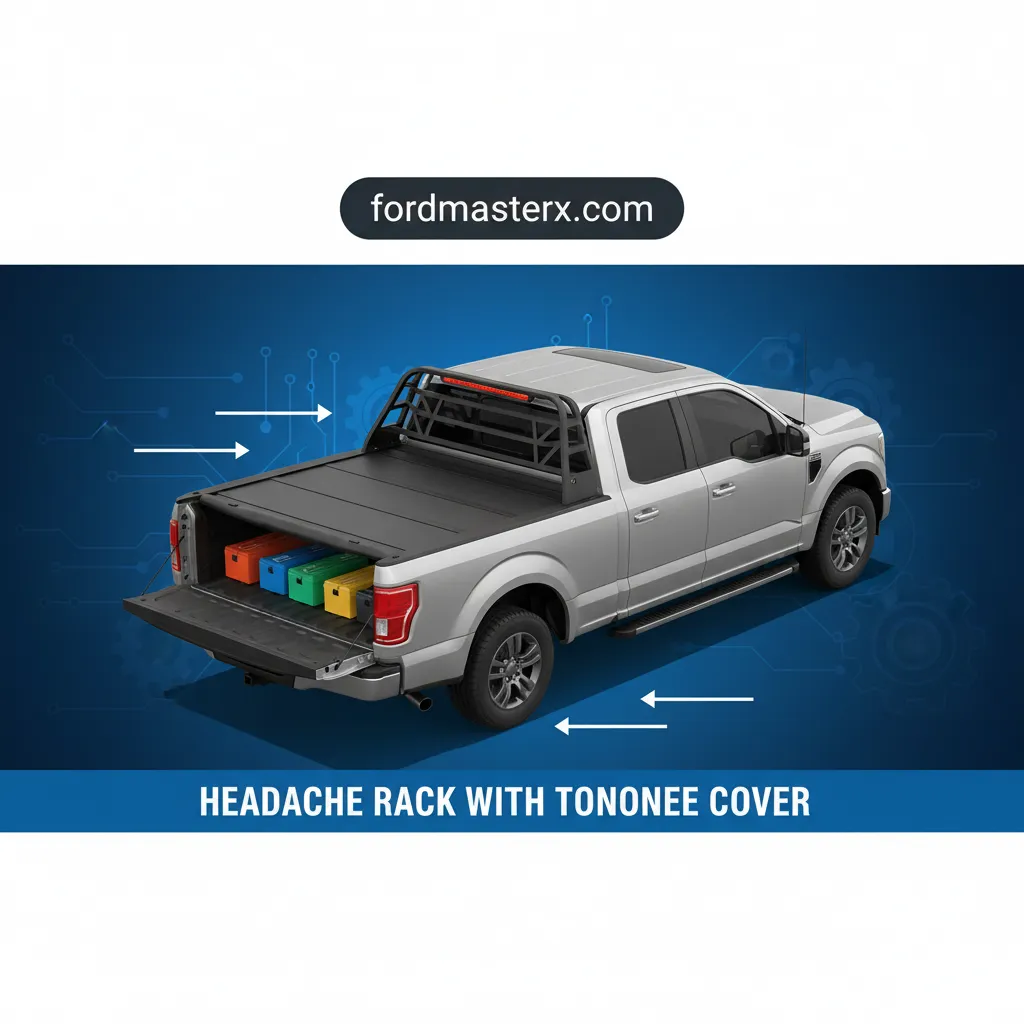
The primary challenge in combining these two accessories is “real estate competition.” Most quality headache racks are designed to bolt directly into the truck’s stake pockets or sit flush on the bed rails. Simultaneously, tonneau covers require those same rail surfaces to provide a weather-tight seal and support the weight of the cover. Approximately 70% of standard headache racks require specific adapter kits to clear tonneau cover side rails. Without these adapters, the thickness of the rack’s footplate creates a gap that prevents the tonneau cover from sealing, leading to water intrusion and mechanical failure.
Inside-the-Rail vs. Top-of-Rail Mounting
To achieve a professional fit, you must first identify the mounting style of your tonneau cover. “Inside-the-rail” covers, such as the TruXedo Pro X15, mount to the inner lip of the bed. This is the preferred configuration for expert installers because it leaves the top of the bed rail relatively clear for the headache rack’s base. Conversely, “top-of-rail” systems, which sit directly on the plastic bed caps, are much harder to integrate. These require the rack to be elevated or “offset” using brackets that shift the rack’s footprint forward or outward, creating a 1-2 inch clearance necessary for folding or rolling mechanisms.
Articulation and Sweep Path Interference
A common pitfall is ignoring the “sweep path” of a hard-folding cover. When a tri-fold cover is fully opened, the panels stack vertically against the cab. If a BackRack Louvered Rack is installed too close to the bulkhead without an offset, the panels will strike the rack’s uprights before reaching full articulation. This limits your bed access and puts undue stress on the cover’s hinges. Expert setups utilize offset brackets to move the rack roughly two inches toward the cab, ensuring the cover can fold completely flat against its safety bumpers without touching the rack frame.
By The Numbers
Racks needing adapters
Minimum offset needed
Quality Hardware and Adapter Kits for Seamless Integration
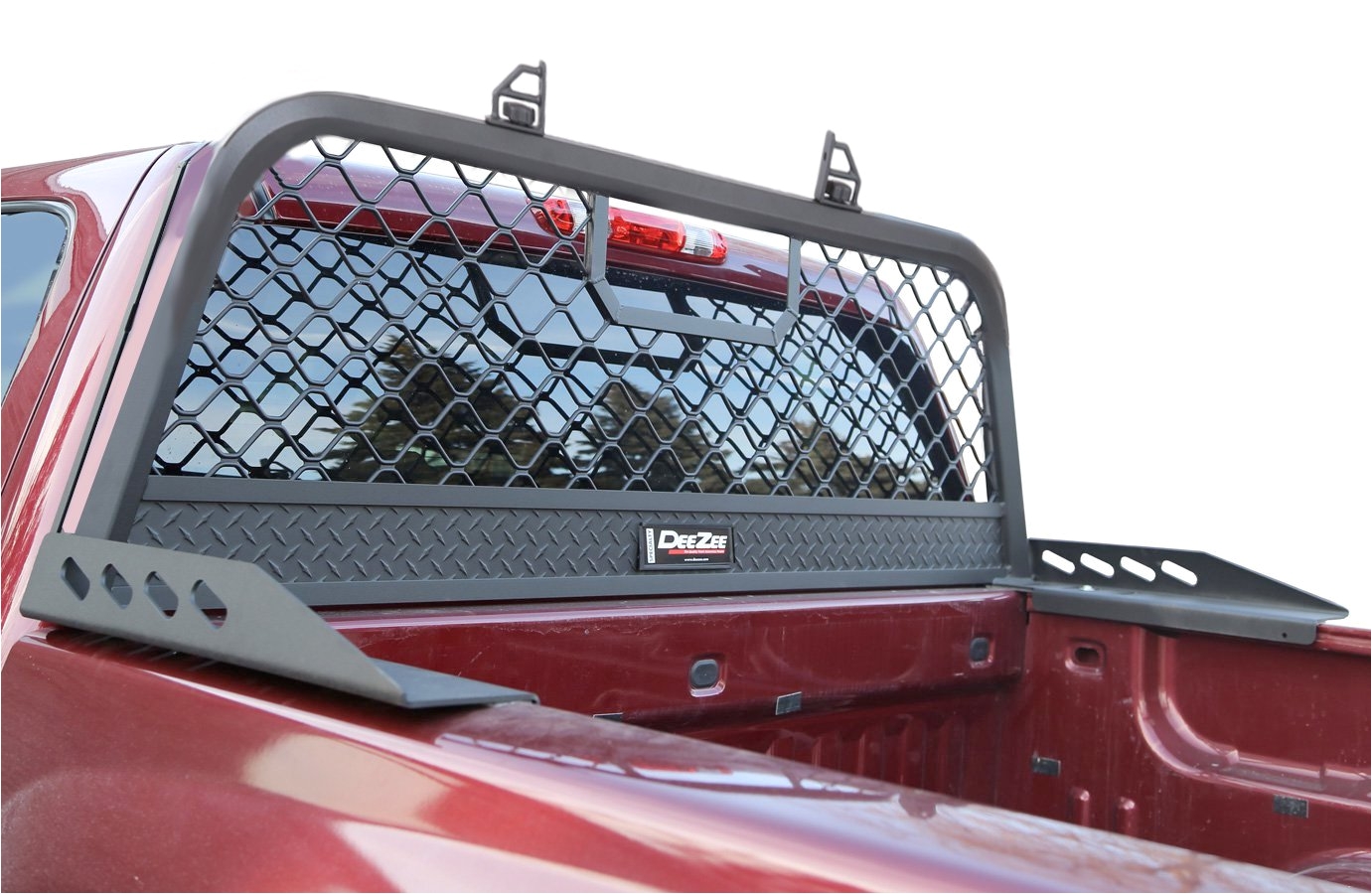
When selecting hardware, “universal fit” is often a misnomer that leads to compromised structural integrity. For a trusted setup, technical specifications matter. Most professional-grade adapter brackets are manufactured from 3/16-inch thick HRPO (Hot Rolled Pickled and Oiled) steel. This material choice is critical; thinner metals will flex under the weight of a heavy cargo load, eventually causing the powder coating to crack and the steel to rust. HRPO steel offers a superior surface for finish adhesion, ensuring long-term durability in harsh environments.
Low-Profile Rack Designs
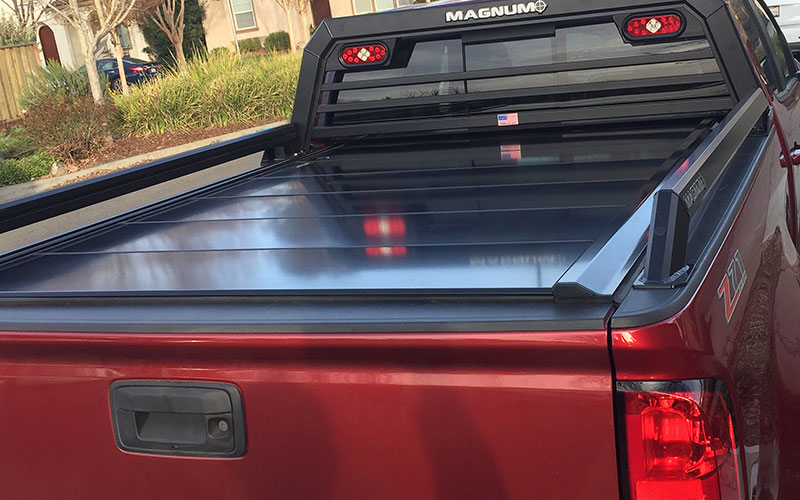
Some manufacturers have engineered low-profile headache racks specifically for use with tri-fold and retractable covers. These designs feature narrower “feet” that occupy less than 50% of the stake pocket width, allowing the tonneau rail to clamp alongside the rack mount. This complete integration eliminates the need for tall spacer blocks, keeping the rack’s center of gravity lower and maintaining the vehicle’s sleek profile. DECKED and Magnum Rack offer integration packages for heavy-duty work trucks where the rack and bed storage system work in tandem, guaranteed to fit without modification.
Corrosion Resistance and Testing Standards
Hardware used in coastal or high-salt environments must meet rigorous standards. Expert-level kits often undergo ASTM B117 salt spray testing for 500+ hours. If an adapter kit lacks a quality multi-stage powder coat finish (including a zinc-rich primer), it will likely fail within two winters. When evaluating integrated systems, look for Grade 8 hardware and UV-stable gaskets that won’t degrade under constant exposure to the sun.
✅ Pros of Integrated Systems
- Guaranteed fitment without drilling
- Maintains full weather-tight seal
- Uniform aesthetic across accessories
- Optimized for maximum load ratings
❌ Cons of DIY Adapters
- Potential for bed rail deformation
- Difficult to achieve level alignment
- Increased risk of water leaks
- Higher vibration and wind noise
Expert Installation Procedures for Dual-Accessory Systems
A comprehensive installation requires more than just a socket set; it requires precision. The goal is to install the headache rack securely as a safety barrier while maintaining the tonneau cover’s functionality. For example, when installing a Westin HDX Headache Rack with a Retrax retractable cover on a Ford F-150, the order of operations is critical. You must install the rack’s base mounts first, as they determine the final positioning of the tonneau rails.
📋
Installation Guide
Use a laser level to ensure the headache rack is perfectly perpendicular to the bed rails. Even a 1/2-degree tilt will be magnified at the top of the rack, potentially causing it to rub against the cab or interfere with the tonneau cover’s header bar.
Apply high-density EPDM rubber gaskets at the bulkhead junction where the rack meets the tonneau rail. This is the most common leak point. Double-stacking gaskets may be necessary if the rack adapter creates an uneven surface.
Secure the assembly using Grade 8 mounting bolts. The recommended torque for 1/2-inch mounting hardware is typically 75-85 ft-lbs. This ensures structural stability without causing permanent bed rail deformation or crushing the tonneau rail seals.
When wiring integrated LED lights on the rack, never pinch wires between the tonneau rail and the bed. Use loom protectors and pass wires through the stake pocket or bed wall to prevent shorts and fire hazards.
Trusted Material Standards for Long-Term Reliability
Choosing the right material is a balance of weight, strength, and environmental resistance. While steel has been the industry standard for decades, T6 6061 aluminum has emerged as the professional choice for light-duty and mid-size trucks. Aluminum racks offer a 40% weight reduction over steel, which is critical for maintaining fuel efficiency and payload capacity when a 60-80 lb tonneau cover is also installed.
Load Ratings and Safety Certifications
A headache rack isn’t just an accessory; it’s a safety device. Reliable manufacturers design their racks to meet or exceed SAE (Society of Automotive Engineers) standards for cargo securement. For a fleet of construction trucks, a rack must be capable of supporting 500lb+ static loads. If the rack is made of inferior materials, the stress of carrying heavy ladders or lumber while the truck is in motion will lead to metal fatigue. High-quality aluminum provides an exceptional strength-to-weight ratio that handles these loads without the vibration issues common in thinner steel racks.
Vibration Dampening and Finishing
One nuance often missed by non-experts is vibration dampening. A headache rack bolted tightly to the same rail as a tonneau cover can transmit harmonics through the cover frame, resulting in a persistent rattle at highway speeds. Trusted systems include rubber isolators or polyurethane spacers that act as a buffer. Furthermore, ensuring the finishes match—such as a matte black powder-coated rack paired with a matte vinyl cover—prevents “aesthetic clashing” and maintains a professional brand image for business vehicles.
Functional Benefits of a Professional Integrated Setup
The true value of this dual-accessory setup is realized in the field. For a professional HVAC contractor, the headache rack serves as the primary transport for long PVC pipes and copper tubing, while the tonneau cover secures high-value vacuum pumps, gauges, and power tools inside the bed. This “two-tier” management system maximizes the truck’s square footage while keeping the interior cab clean and safe from loose items.
Enhanced Safety
The rack acts as a heavy-duty barrier, preventing shifting cargo from shattering the rear glass during sudden stops.
Theft Deterrence
A tonneau hides valuables from “prying eyes,” while the headache rack presents a visual deterrent that says the truck is professionally equipped.
Resale Value and Professionalism
Investments in quality truck accessories pay dividends at the time of trade-in. Comprehensive setups can increase the resale value of a utility vehicle by up to 15% depending on the brand of accessories used. Potential buyers recognize the utility of a pre-configured, compatible system. More importantly, for a business, a truck that is correctly outfitted signals to clients that you are an expert who values equipment maintenance and safety. This psychological edge is why many fleet managers prioritize integrated rack-and-cover systems from day one.
Always measure the height of your tonneau cover’s header bar (the part nearest the cab) before selecting a rack. Some covers have a thick housing (especially retractable ones) that may require a rack with higher vertical clearance to prevent metal-on-metal contact.
In conclusion, integrating a headache rack with a tonneau cover is a sophisticated engineering task that yields immense functional rewards. Successful integration requires identifying the correct adapter brackets or low-profile rack designs that respect the shared space of the bed rails. Material quality and professional installation are critical for maintaining weather resistance and structural integrity over the vehicle’s lifespan. A well-planned setup enhances vehicle security, safety, and cargo versatility simultaneously. To ensure the best results, always consult with a trusted truck accessory professional to verify the specific fitment codes for your vehicle’s make and model before purchasing.
Frequently Asked Questions
Can I install any headache rack with any tonneau cover?
No, compatibility is not universal. Most standard headache racks occupy the stake pockets or the front of the bed rails, which is also where tonneau cover frames mount. To ensure a reliable fit, you must choose a rack designed for tonneau compatibility or use a specialized adapter kit that offsets the rack mounting points to clear the cover’s tracks.
What is a tonneau cover adapter kit?
A tonneau cover adapter kit is a set of professional-grade brackets that elevate or offset the headache rack. These brackets allow the rack to mount securely to the truck while leaving enough clearance for the tonneau cover rails to sit flush on the bed. They are essential for maintaining a quality seal and preventing hardware interference.
Do I need to drill into my truck to install both accessories?
While many modern systems offer ‘no-drill’ installation using existing stake pockets and clamps, some heavy-duty or professional-grade headache racks may require drilling for maximum stability. Using a trusted adapter system often eliminates the need for drilling, preserving the vehicle’s structural integrity and preventing potential rust points.
Will a headache rack make my tonneau cover leak?
If installed correctly with expert attention to detail, a headache rack should not cause leaks. However, the point where the rack meets the bulkhead is a common entry point for moisture. Applying quality EPDM rubber seals or silicone sealant around the adapter brackets is a reliable way to maintain the weather-resistant features of your tonneau cover.
Which tonneau cover styles work best with headache racks?
Soft-rolling and inside-the-rail folding covers are generally the most compatible options. These styles leave the stake pockets open and have a lower profile. Retractable covers can also work well but require careful measurement to ensure the canister does not interfere with the rack’s mounting base or the truck’s cab clearance.