Ford Fuel Line Disconnect Tool: Complete Guide

Attempting to service a Ford fuel system without the specific disconnect tool is a recipe for broken clips, compromised O-rings, and significant frustration. For over three decades, Ford Motor Company has utilized a specialized “Spring Lock” coupling system that ensures a leak-proof seal under high pressure, but these fittings are notorious for being impossible to separate by hand. Whether you are replacing a fuel filter on a classic F-150 or servicing the fuel rail on a modern EcoBoost engine, having the right tool is the difference between a ten-minute job and a multi-hour nightmare. This comprehensive guide provides the expert insight you need to select, use, and master the Ford fuel line disconnect tool for professional results.
Overview of Ford Fuel Line Systems
📤 Share Image
To understand why a specialized tool is necessary, one must understand the engineering behind Ford’s fuel delivery connections. Since the late 1980s, Ford has predominantly used two types of quick-connect fittings: the Spring Lock Coupling and the Hairpin Clip. The Spring Lock is the most common and the most difficult to manage without professional equipment. It consists of a male end with a flared lip and a female end containing an internal garter spring and dual O-rings.
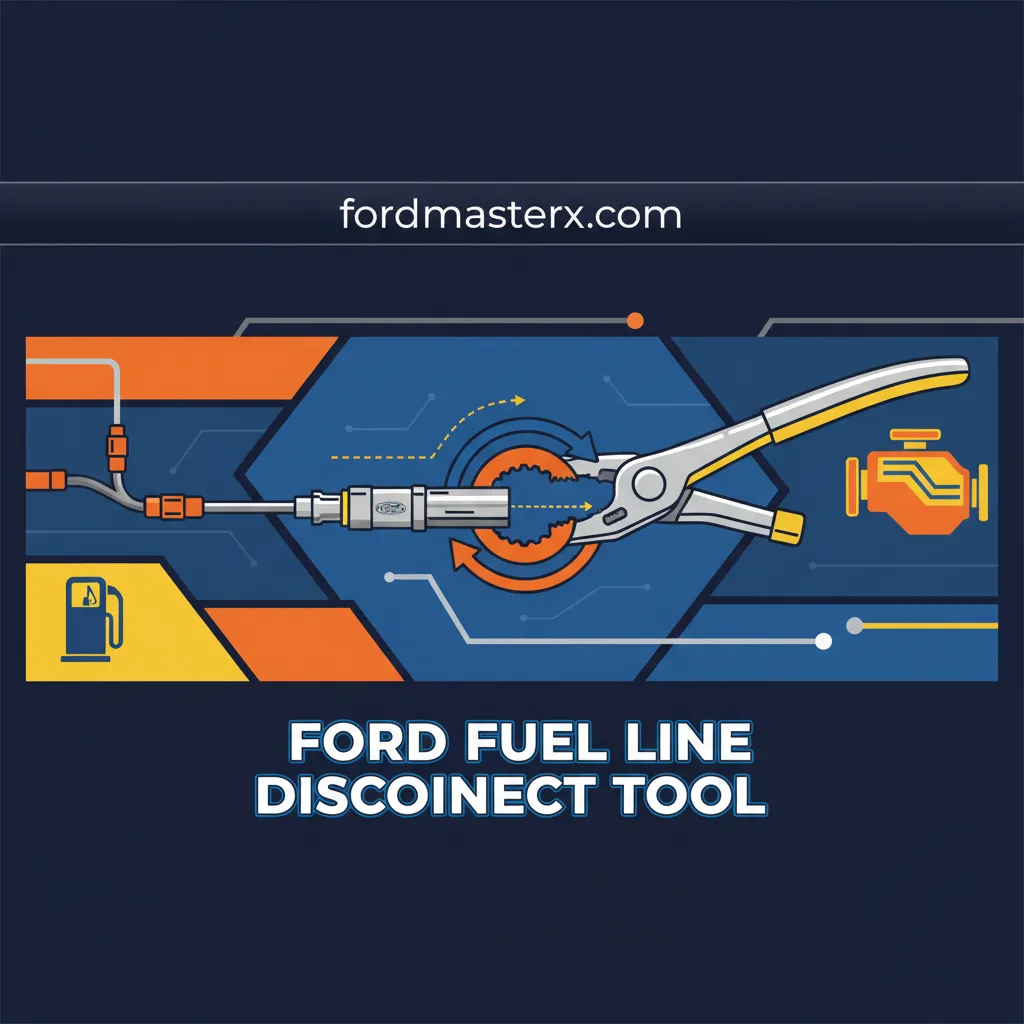
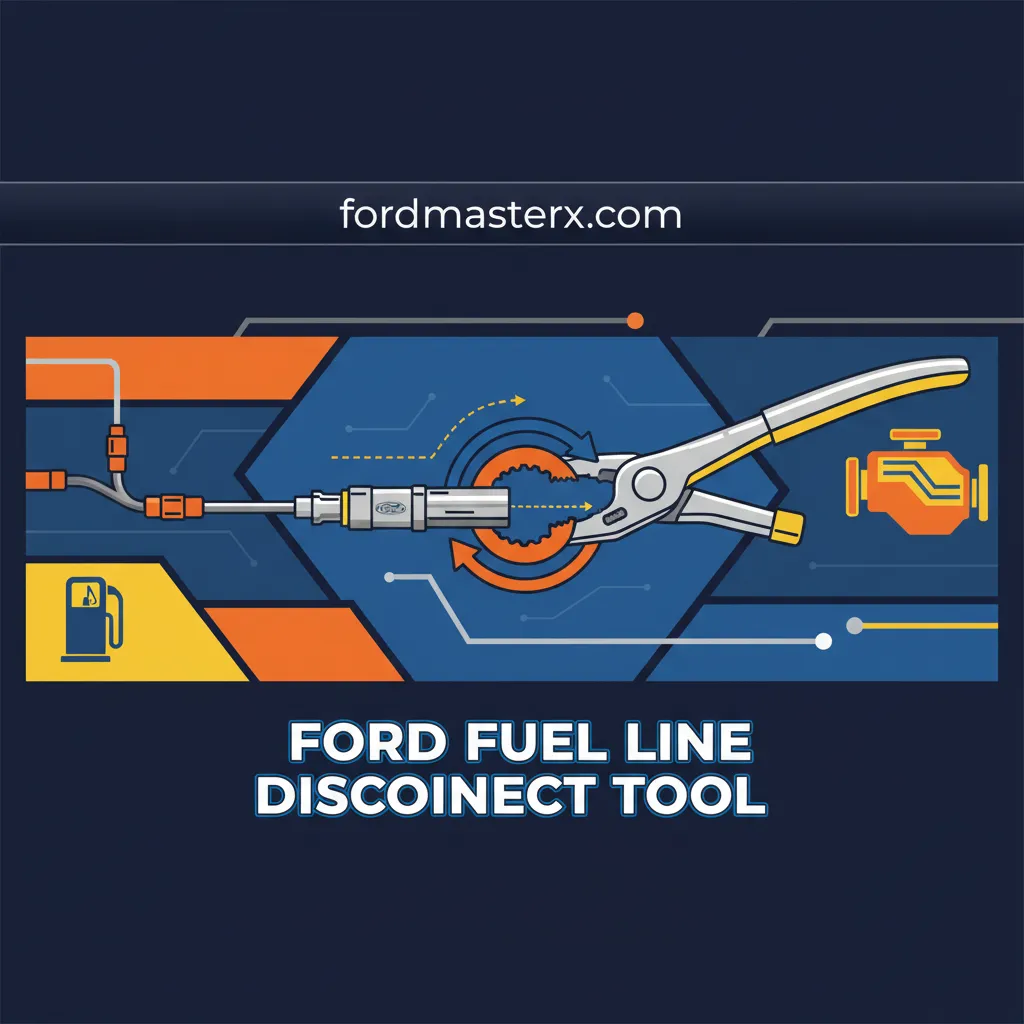
The Ford fuel line disconnect tool is specifically engineered to slide into the female housing, expanding the garter spring just enough to allow the flared male end to pass through. These fittings are found on fuel rails, fuel filters, and fuel tank sending units. Because fuel systems operate at high pressures—often exceeding 60 PSI in port-injected engines and significantly higher in direct-injection systems—the integrity of these connections is paramount for vehicle safety.
By The Numbers
Standard Sizes (5/16″, 3/8″, 1/2″, 5/8″)
PSI Average Fuel Pressure
Reduction in Disconnect Time

Key Benefits of Using the Correct Tool
Using a makeshift tool, such as a screwdriver or pliers, on a Ford fuel fitting is a rookie mistake that leads to expensive repairs. The expert approach involves using a tool that applies even, 360-degree pressure to the internal spring mechanism. This ensures the fitting is released without deformation.
Protects Internal O-Rings
A proper tool prevents the metal edges from nicking the delicate rubber O-rings that maintain the fuel seal.
Prevents Line Kinking
Ford uses thin-walled aluminum and steel lines; the tool allows for straight-line separation, preventing bends or kinks.
Speed and Efficiency
What takes hours of struggling can be completed in seconds with a trusted, well-fitting disconnect tool.

How It Works: The Mechanics of Disconnection
The “Spring Lock” mechanism is a marvel of simplicity but can be incredibly stubborn due to “road grime” and debris accumulation. Inside the coupling cage, a circular garter spring sits in a groove. When the male end of the line is pushed into the cage, its flared shoulder pushes past the spring. The spring then snaps back into place behind the shoulder, locking the two pieces together.
The complete disconnect tool works by acting as a spacer. It is a thin, rigid cylinder (often split so it can be placed around the line) that you push into the coupling cage. This cylinder moves between the garter spring and the flared shoulder of the male line. As you push the tool in, it expands the spring diameter. Once the spring is expanded beyond the diameter of the shoulder, the fuel line can be pulled free. This expert design ensures that no force is applied to the locking mechanism itself, but rather to the spring that holds it.
Before inserting the tool, push the fuel line deeper into the fitting. This relieves the tension on the garter spring, allowing the tool to seat much more easily. Many technicians struggle because the spring is “loaded” against the shoulder; pushing first releases that load.
📋
Step-by-Step Guide: Using the Ford Fuel Line Tool
Locate the fuel pump relay or fuse and remove it while the engine is running. Wait for the engine to stall. This removes the 40-65 PSI of pressure that would otherwise spray fuel everywhere. Expert tip: Always check the Schrader valve on the fuel rail with a gauge to ensure pressure is zero.
Use compressed air or brake cleaner to blow out the coupling cage. Sand and grit are the primary reasons these fittings seize. A professional never skips this step, as grit can tear O-rings during reassembly.
Snap the correctly sized tool onto the fuel line. Push the fuel line into the fitting (as mentioned in the pro tip) and then slide the tool firmly into the coupling cage until you feel it “bottom out” against the spring.
While maintaining pressure on the tool with one hand, pull the fuel line out of the fitting with the other. It should slide out with minimal resistance. If it hangs up, don’t force it; reset the tool and try again.
Selecting the Right Tool: Material and Design
When shopping for a quality Ford fuel line disconnect tool, you will encounter two primary materials: plastic and anodized aluminum. While plastic tools are inexpensive and often sold in “multi-color” kits, they have a tendency to flex. In high-mileage vehicles where the garter spring may be corroded, a plastic tool might not have the rigidity to expand the spring fully.
Even after depressurizing, fuel will remain in the lines. Always have a fire extinguisher nearby, work in a well-ventilated area, and use a catch basin to collect any residual fuel. Avoid using drop lights with incandescent bulbs, as a broken bulb can instantly ignite fuel vapors.
Getting Started: Choosing the Best Kit
If you are starting from scratch, I recommend purchasing a comprehensive master disconnect set rather than individual tools. Ford systems often use different sizes for the feed and return lines. Furthermore, these tools often work on Ford A/C lines and transmission cooler lines as well, providing excellent value for the investment.
Look for professional brands like Lisle, OTC, or GearWrench. Their tools are precision-machined to match the tolerances of Ford’s spring lock couplings. A “stepped” design tool is particularly useful for reaching into tight spaces around the fuel rail, where a standard flat tool might be obstructed by other engine components.
✅ Pros of Quality Kits
- Includes all 4 necessary Ford sizes
- Color-coded for quick identification
- Thin-walled design for tight clearances
- Resistant to fuel and shop chemicals
❌ Cons of Cheap Alternatives
Advanced Troubleshooting for Seized Lines
In my 15+ years of expert experience, the most common issue isn’t the tool—it’s the corrosion. On older Ford trucks, the space between the fuel line and the coupling cage becomes packed with road salt and oxidation. When you insert the tool, it simply compresses the “gunk” instead of the spring.
If a line refuses to move, saturate the connection with a high-quality penetrating oil like PB Blaster or Liquid Wrench and let it sit for 30 minutes. Use a pick tool to gently scrape out any visible debris from the opening. Once the gunk is cleared, use the “push-pull” method with a metal disconnect tool. The extra rigidity of an aluminum tool is often what’s needed to cut through any remaining oxidation and finally release the spring.
Maintaining Your Tools
To keep your disconnect set in professional condition, always wipe them down after use. Fuel can degrade the finish on some lower-end tools, and grit left on the tool can cause scratches on the next fuel line you service. Store them in their original tray or a organized drawer to ensure the edges don’t get nicked, as a smooth leading edge is essential for the tool to slide under the garter spring.
Mastering the use of the Ford fuel line disconnect tool is a rite of passage for any serious mechanic. It transforms a potentially dangerous and frustrating task into a routine maintenance procedure. By following the expert guidelines provided in this guide, you ensure that every fuel system repair you perform is safe, efficient, and reliable.
Conclusion
In summary, the Ford fuel line disconnect tool is an indispensable asset for any vehicle owner or technician dealing with Ford’s unique “Spring Lock” couplings. By choosing a quality metal tool, properly cleaning the connection before use, and following the essential safety protocols of depressurization, you can handle any fuel-related task with professional confidence. Remember to prioritize high-quality brands and avoid the pitfalls of using improper tools that can lead to costly component damage. Take the next step by auditing your current toolkit—if you don’t have a dedicated aluminum disconnect set, make it your next purchase to ensure you’re ready for whatever rolls into your garage.