Ford Focus Side Light Bulb: Identification, Technical Specifications, And Professional Replacement Procedures

For Ford Focus owners, maintaining the integrity of the vehicle’s lighting system is not merely an aesthetic choice but a critical safety requirement for road legality and night-time visibility. A failed side light bulb often results in an MOT failure and decreased vehicle conspicuity, yet many owners struggle to identify the correct bulb type or the specific procedure for accessing the complex headlight housing found in modern iterations. This comprehensive guide provides an expert analysis of the technical specifications, professional replacement steps, and quality sourcing strategies needed to restore your Ford Focus lighting system to factory standards and ensure long-term reliability.
Section 1: Identifying the Correct Ford Focus Side Light Bulb Specifications for Your Model Year
📤 Share Image
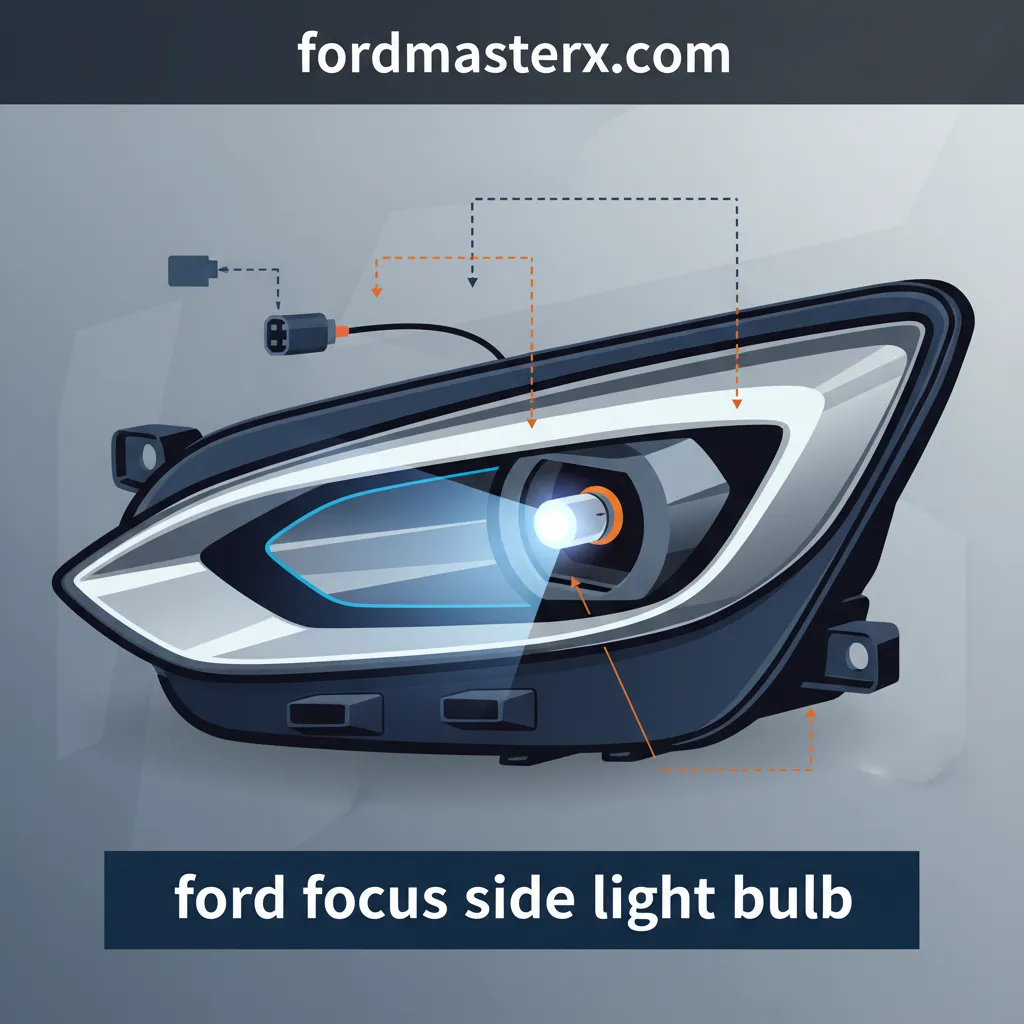
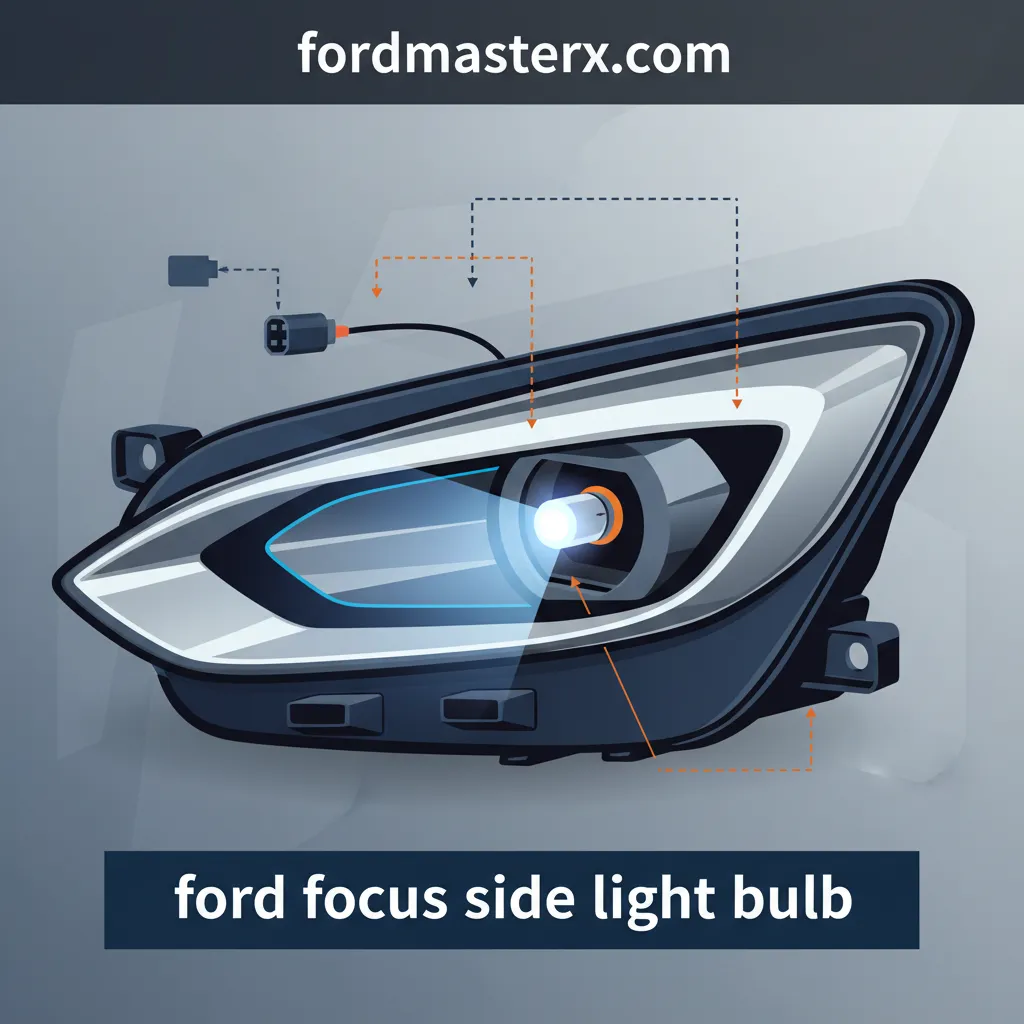
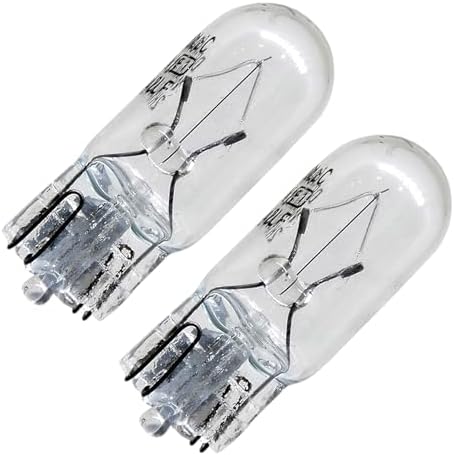
Selecting the correct bulb for a Ford Focus requires a nuanced understanding of the platform’s evolution. Across most generations—from the original Mk1 through the highly popular Mk3—the side light (often referred to as the parking light or position lamp) utilizes a W5W wedge base bulb. This bulb is also colloquially known in the industry as a 501 or T10 fitment. These are capless bulbs where the glass base is pressed directly into a plastic or rubber socket.
Technical Differentiation and Power Requirements
The standard technical requirement for these assemblies is a 5-watt halogen output. In a Ford Focus Mk3 (2011–2018), this bulb operates at a nominal 12V system, though it is designed to handle the 13.5V–14.4V typically generated by the alternator while the engine is running. A standard W5W bulb produces approximately 50 lumens. It is essential to adhere to the 5W limit; installing a higher-wattage bulb to gain more brightness can lead to excessive heat accumulation, which eventually deforms or melts the plastic internal reflectors and lens housings.
Model Variations: Mk3 vs. Mk4
While the Mk3 frequently uses the standard T10, the Ford Focus Mk4 (2019–present) introduces significant changes. Higher trim levels, such as the ST-Line or Vignale, may utilize integrated LED modules. These are non-serviceable components designed to last the lifetime of the vehicle. If you own a base trim Mk4, you likely still have the replaceable W5W bulb, but always verify by checking the embossed text on the headlight lens or the owner’s manual fitment codes.
Ford Focus models from 2005 onwards utilize sophisticated electrical monitoring. Using a bulb with an incorrect wattage or a cheap LED without the proper resistance can trigger “Bulb Out” dashboard warnings or cause the Body Control Module (BCM) to cut power to the circuit entirely.
Section 2: Sourcing Quality Replacement Components for Reliable Lighting Performance
In the automotive lighting industry, manufacturing tolerances directly dictate the service life of a bulb. Professional-grade side light bulbs are constructed using high-quality quartz glass rather than standard hard glass. Quartz glass is significantly more resistant to thermal shock—the rapid expansion and contraction caused by switching lights on and off in freezing temperatures—which is a primary cause of premature filament failure.
The Role of OEM Manufacturers
To ensure reliable performance, I recommend sourcing bulbs from Original Equipment Manufacturers (OEM) such as Osram, Philips, or Bosch. These brands undergo rigorous testing to maintain consistent color temperatures. For halogen side lights, this typically ranges between 2700K and 3000K, ensuring a uniform warm-white aesthetic across both front light clusters. Brands like the Philips Vision or Osram Original Line serve as the gold standard for Ford Focus applications.
By The Numbers: Bulb Longevity
Avg. OEM Service Life
Budget Bulb Life
Road Legal Compliance
Safety Certifications and Risks
Always look for the ‘E’ mark certification (e.g., E1 or E4) on the bulb’s base or packaging. This certification guarantees that the bulb meets European safety standards for brightness, beam pattern, and construction quality. Non-branded, “budget” bulbs often suffer from thin filaments prone to vibration failure and poorly formed contact points, which can lead to intermittent flickering or localized overheating within the bulb holder.

Section 3: Step-by-Step Professional Installation Procedure for Ford Focus Headlight Units
Replacing a side light bulb in a Ford Focus is a task that can be accomplished in under 15 minutes, provided you follow a complete and methodical approach. Unlike many modern vehicles that require bumper removal, Ford designed the Focus Mk2.5 and Mk3 to allow the entire headlight unit to slide forward for easy access.
📋
Step-by-Step Guide
Open the hood and locate the two T30 Torx bolts securing the top of the headlight unit. Carefully unscrew these and set them aside. On some Mk2 models, you may also need to depress a plastic retaining clip at the rear base of the unit.
Gently pull the headlight assembly toward the front of the car. Once there is enough clearance, press the release tab on the large multi-pin electrical connector and pull it away from the housing to prevent wiring strain.
Locate the rubber or plastic dust cover corresponding to the side light (usually the smallest aperture). Remove it and find the plastic stalk of the bulb holder. Use a twist-and-pull motion to release the holder from the reflector housing.
Never touch the glass of the new bulb with bare fingers. The oils from your skin can create hotspots on the glass surface, leading to uneven heating and premature cracking. Use a clean cloth or gloves during the professional installation process.
Section 4: Troubleshooting Common Side Light Electrical and Connection Issues
If a side light fails to illuminate even after installing a new bulb, the issue likely resides in the electrical circuit. In vehicles over five years old, over 15% of lighting issues are caused by terminal corrosion rather than filament failure. Inspect the T10 bulb socket for “carbon tracking” or green oxidation. If present, clean the terminals with a small amount of electrical contact cleaner and a fine nylon brush.
Advanced Diagnostics with a Multimeter
To confirm 12V delivery, use a multimeter set to DC voltage. With the side lights switched on, probe the two terminals inside the bulb holder. If the reading is zero, check the side light fuse. In the Ford Focus Mk3, these fuses are often located in the passenger footwell fuse box (F61 or similar, depending on the specific year). If the fuse is intact but no power is present, the Body Control Module (BCM) may have logged a short-circuit fault and disabled the output until the fault code is cleared via an OBD-II scanner.
Common Symptom: Flickering
Often caused by slightly bent metal contacts in the socket. Gently pry them inward to ensure a tight grip on the bulb’s base.
Common Symptom: No Power
Check for wiring loom chaffing near the headlight connector, which is a known stress point on high-mileage Focus units.
Section 5: Evaluating Trusted LED Alternatives for Enhanced Visibility and Longevity
Many owners choose to upgrade from halogen to LED technology to achieve a more modern appearance and superior visibility. A high-quality LED retrofit provides a crisp, 6000K white light that significantly increases the contrast of the vehicle to oncoming traffic. Furthermore, LEDs consume approximately 80% less energy than standard 5W halogens and offer an operational life of up to 50,000 hours.
The Necessity of CANBus-Ready Technology
Because LEDs have very low electrical resistance, the Ford Focus computer may mistakenly assume the bulb has blown. To prevent this, you must select “CANBus-ready” LEDs. These bulbs feature integrated resistors that simulate the load of a halogen bulb. Additionally, look for LEDs with integrated aluminum heat sinks. Because the side light is often located near the main beam, it must survive significant ambient heat; poor-quality LEDs without thermal management will degrade rapidly.
✅ Pros of LED
- Modern aesthetic appeal
- Extremely long operational life
- Vibration resistant (no filament)
- Faster “instant-on” response
❌ Cons of LED
- Higher initial purchase cost
- Legal gray area in some regions
- Requires CANBus compatibility
- Potential glare if poorly designed
In conclusion, maintaining the side lights on your Ford Focus is a straightforward process when approached with expert technical knowledge. Always verify your specific vehicle generation to ensure a W5W/T10 bulb fitment is appropriate. Prioritize professional-grade, OEM-standard bulbs from trusted brands to ensure longevity and electrical compatibility. By following a methodical replacement process and ensuring clean contact points, you can ensure your vehicle remains safe, road-legal, and highly visible. Inspect your exterior lighting monthly and replace bulbs in pairs to maintain consistent illumination and reliable vehicle safety across all driving conditions.
Frequently Asked Questions
What is the exact bulb type for a Ford Focus side light?
Most Ford Focus models utilize a W5W bulb, also commonly referred to as a 501 or T10 wedge bulb. This is a 5-watt bulb that pushes into a socket rather than twisting. However, you should always check your specific vehicle manual, as newer models with factory LED packages may require different components or entire unit replacements.
Do I need to remove the entire headlight unit to change the bulb?
For most Ford Focus generations, specifically the Mk2 and Mk3, removing the headlight unit is the professional recommendation. This is typically achieved by removing two T30 Torx screws or Phillips head bolts on the top of the assembly. Once these are removed, the unit can slide forward, providing clear and safe access to the rear bulb covers.
Can I replace my halogen side light with an LED bulb?
Yes, you can upgrade to LED, provided you use ‘CANBus-ready’ bulbs. Without this feature, your Ford Focus may display a bulb-out warning or the LED may flicker due to the low power draw. Ensure you select a trusted, high-quality LED brand to maintain the correct beam pattern and avoid overheating the internal housing.
Why does my new side light bulb still not work?
If a new bulb fails to illuminate, first check for socket corrosion or bent metal contacts inside the holder. If those are clean, check the relevant fuse in the engine bay or passenger fuse box. In some cases, the car’s computer (BCM) may have disabled the circuit due to a previous short; a battery reset or OBDII tool may be required.
Is it necessary to replace side light bulbs in pairs?
While not strictly mandatory, it is a professional best practice to replace side light bulbs in pairs. Bulbs have a similar lifespan, so if one has failed, the other is likely near the end of its life. Furthermore, replacing both ensures a consistent color temperature and brightness across the front of your vehicle for a professional finish.